Queensland Tightens E-Bike and E-Scooter Rules, Driver Licence Now Required
Darwin, September 02: Queensland has introduced strict new rules governing the use of e-bikes and e-scooters. From now on, people using these electric vehicles in…



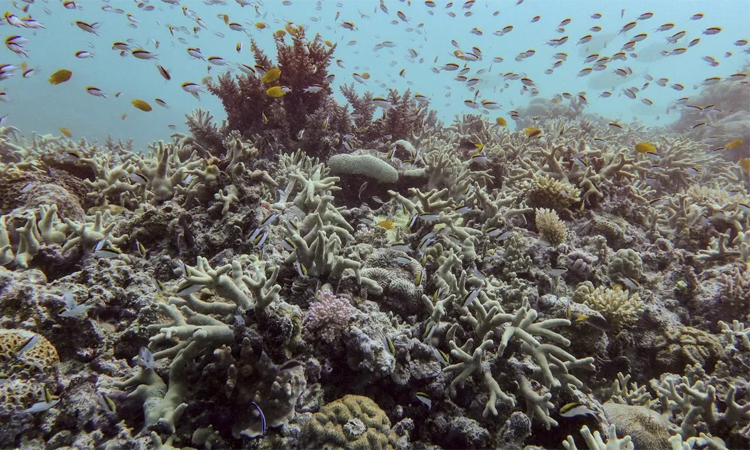
Darwin, 04 July : Australia’s Great Barrier Reef, one of the country’s biggest tourist attractions, has for now avoided being placed on the United Nations’ “List of World Heritage in Danger.” However, UNESCO has expressed deep concern over the impacts of climate change and widespread coral bleaching affecting the reef.
The report was published by AFP.
Australia on Saturday welcomed a draft decision by the United Nations Educational, Scientific and Cultural Organization (UNESCO) to maintain the World Heritage status of the 2,300-kilometre (1,426-mile) coral reef, which stretches along the coast of Queensland.
Since 2021, UNESCO has monitored the reef annually. That year, the agency warned that it could eventually be added to the “World Heritage in Danger” list.
In a draft report released in Paris on Friday, UNESCO acknowledged Australia’s efforts to tackle climate change, improve water quality, promote sustainable fisheries management, and strengthen controls on land clearing.
However, the report noted that hard coral cover across the reef declined significantly during 2024–25. Due to unusually high sea temperatures, the reef experienced its sixth major coral bleaching event since 2016.
The reef is also under increasing pressure from extreme weather events, polluted runoff from land, coastal development, and outbreaks of the crown-of-thorns starfish.
UNESCO said, “Although the reef continues to show resilience, its capacity to recover from and adapt to these pressures is steadily declining, which is a matter of serious concern.”
Last year, Australia strengthened its environmental laws to increase restrictions on deforestation in reef catchment areas. Nevertheless, UNESCO has called for stronger action, particularly to address dredging and overfishing.
Lisa Schindler, Campaign Manager at the Australian Marine Conservation Society, said significant gaps still remain.
In a statement, she said, “The Great Barrier Reef contributes around A$9 billion (US$6.9 billion) to the economy each year and supports nearly 77,000 jobs. We need to do much more to protect it. Even though UNESCO has decided not to place it on the ‘in danger’ list, stronger conservation measures are still urgently needed.”
Australia is required to submit another progress report to UNESCO in 2028.

Darwin, September 02: Queensland has introduced strict new rules governing the use of e-bikes and e-scooters. From now on, people using these electric vehicles in…

Darwin, September 02 : A total of 227 Indian nationals were recruited into the Russian armed forces, of whom 139 have already been discharged. However,…
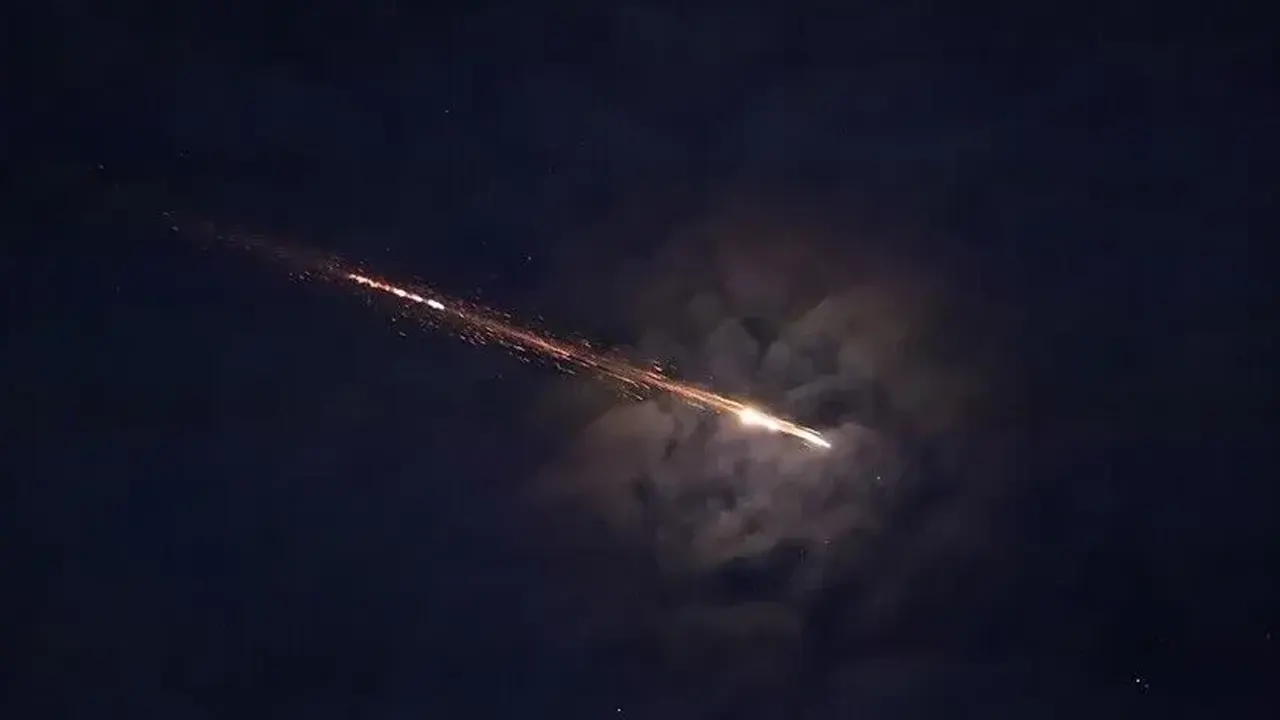
Darwin, September 01 : Hours after a US attack, Iran launched missile strikes against American targets at several locations across the Middle East, according to…

Darwin, September 01: Iran’s Armed Forces senior spokesman, Brigadier General Abolfazl Shekarchi, has claimed that more than 1,000 Israeli military personnel were killed and several…

Darwin, August 30: According to a report by Indian news agency ANI, Mohan Bhagwat, chief of the Rashtriya Swayamsevak Sangh (RSS), the ideological parent organisation…
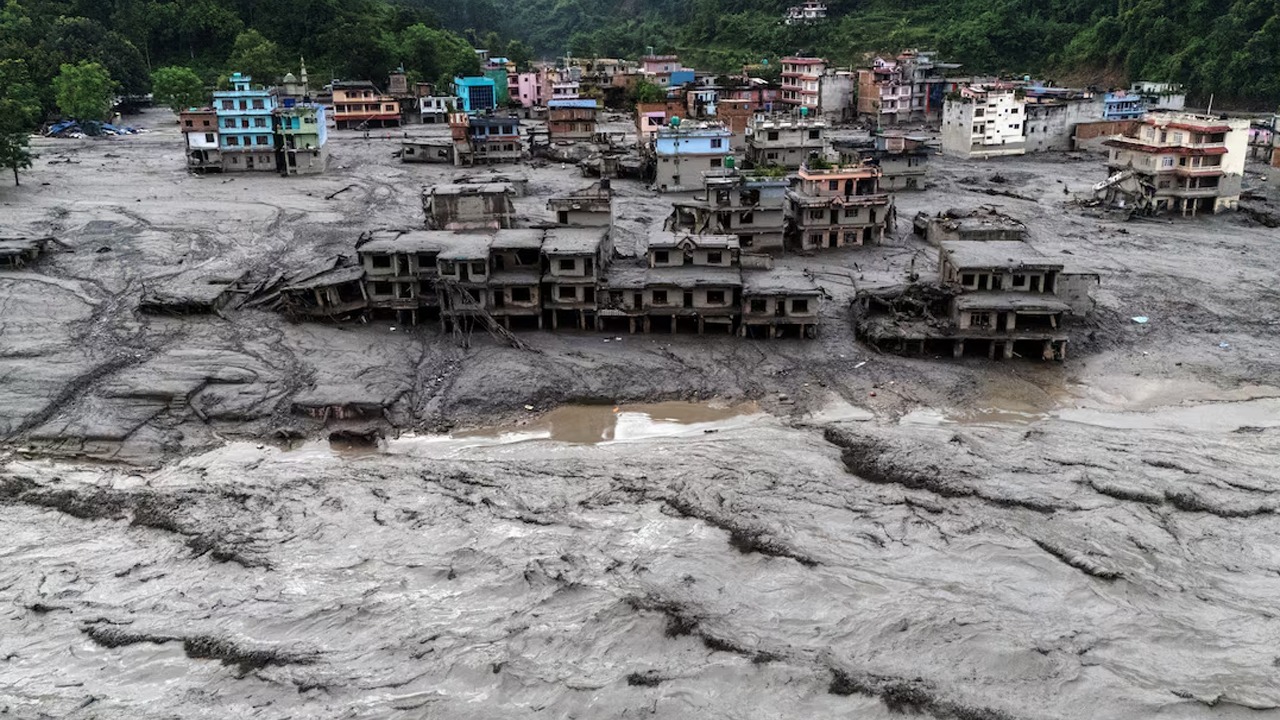
Darwin, August 30: The death toll from devastating floods and landslides along the Nepal–China Tibet border has risen to 750. Nepal’s disaster management authorities reported…

Darwin, August 30: Ukrainian President Volodymyr Zelensky has announced plans to further increase Ukraine’s long-range drone attacks against Russia. He said a target has been…

Darwin, August 28: At least 39 Australian citizens are among nearly 1,500 people still missing following devastating flash floods and landslides in areas along the…