US Plans 17 Bunkers in Three Middle Eastern Countries to Protect Troops from Iranian Attacks
November 22: The US Army is planning to build 17 reinforced concrete bunkers in the Middle East to protect American and allied troops from potential…




November 22: Global stock markets have suffered a major sell-off amid growing concerns about the future of the artificial intelligence (AI) industry and expectations of higher interest rates in the United States. The turmoil has also affected gold, copper and currency markets around the world. A months-long market decline intensified further this week.
According to a Reuters report, approximately $9 trillion has been wiped off the combined market value of global stock markets since they reached their peak in August.
Taiwan’s stock market fell 17 per cent this week, marking its biggest weekly decline since the early 1990s.
Analysts say investors had increasingly worried that soaring valuations of AI and technology companies might have created a market bubble. Discussions about the possibility of an AI-driven bubble began gaining momentum around the middle of the year. However, selling pressure intensified last month as expectations grew that major economies, including the United States, might need further interest rate increases to contain inflation.
The political situation in the United States has also contributed to market uncertainty. President Donald Trump’s Republican Party suffered a major setback in this month’s midterm elections, raising questions about the future of new data centre construction in the country. Such facilities are essential for running AI technologies.
Investors have also been unsettled by reports of the sudden resignation of Nvidia chief executive Jensen Huang. The chipmaker plays a crucial role in financing and supporting the AI industry.
The VIX, a key measure of volatility in the US stock market, reached 30 points on Friday, its highest level since late March. Fearing further market losses, investors are taking steps to protect their assets.
The turmoil has extended beyond stock markets to commodities.
Copper prices have come under significant pressure. Demand for the metal had increased because of its extensive use in AI data centre construction. However, prices fell sharply this week, putting copper on track for its biggest weekly decline since April 2025.
Oil prices, which have been a major source of inflation concerns this year, have remained relatively stable amid the latest market volatility. Crude oil has been trading between $90 and $94 a barrel.
Government bond markets, meanwhile, have shown some positive movement. Investors are turning to government bonds in search of safer assets. The yield on the US 10-year Treasury note fell by 17 basis points this week. Bond yields generally decline when bond prices rise.
Gold, traditionally considered a safe-haven investment, has also failed to meet investors’ expectations. On Friday, gold prices fell by nearly 1 per cent, reaching their lowest level since September 2025.
The US dollar has strengthened further amid the global market turmoil.
An index measuring the dollar against six major international currencies reached a 19-month high this week.
So far this year, the dollar has gained around 7 per cent against the euro, 3 per cent against the Japanese yen and between 4 and 5 per cent against the British pound, Canadian dollar and New Zealand dollar.
Currencies in emerging economies have also come under pressure. Brazil’s currency has fallen by more than 8 per cent this month. Meanwhile, Israel’s shekel, which is closely linked to the country’s growing AI technology sector, has declined by approximately 5 per cent.
Source: Reuters
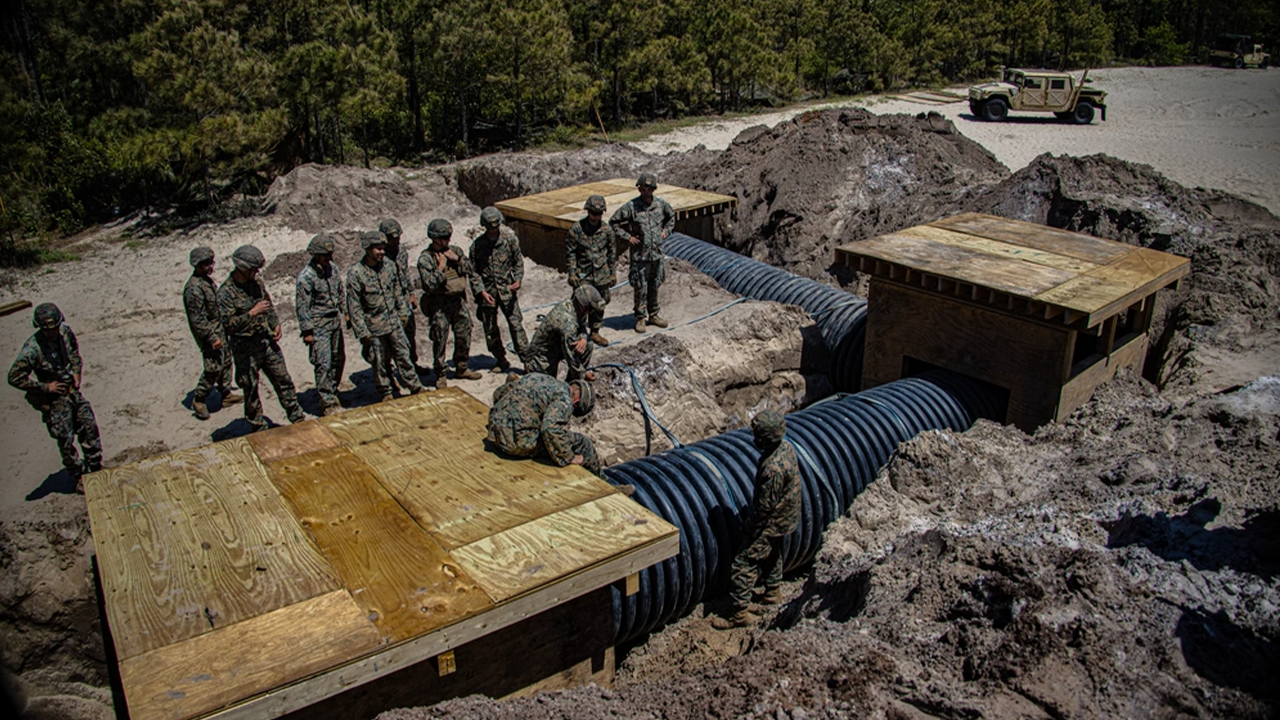
November 22: The US Army is planning to build 17 reinforced concrete bunkers in the Middle East to protect American and allied troops from potential…
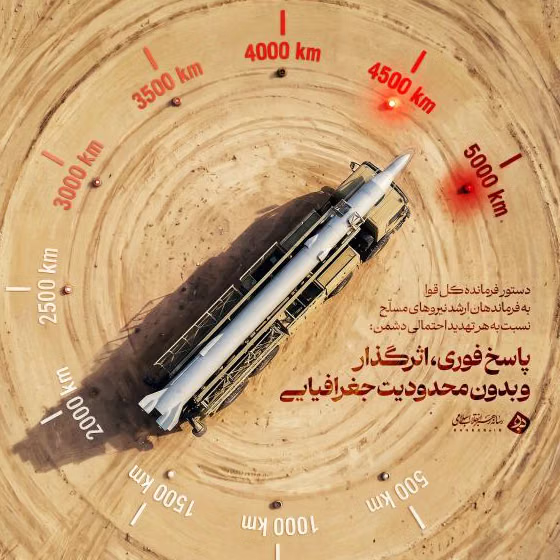
Tehran, November 21: Iran has the capability to strike US military bases in Europe if ordered to do so, and its armed forces can launch…
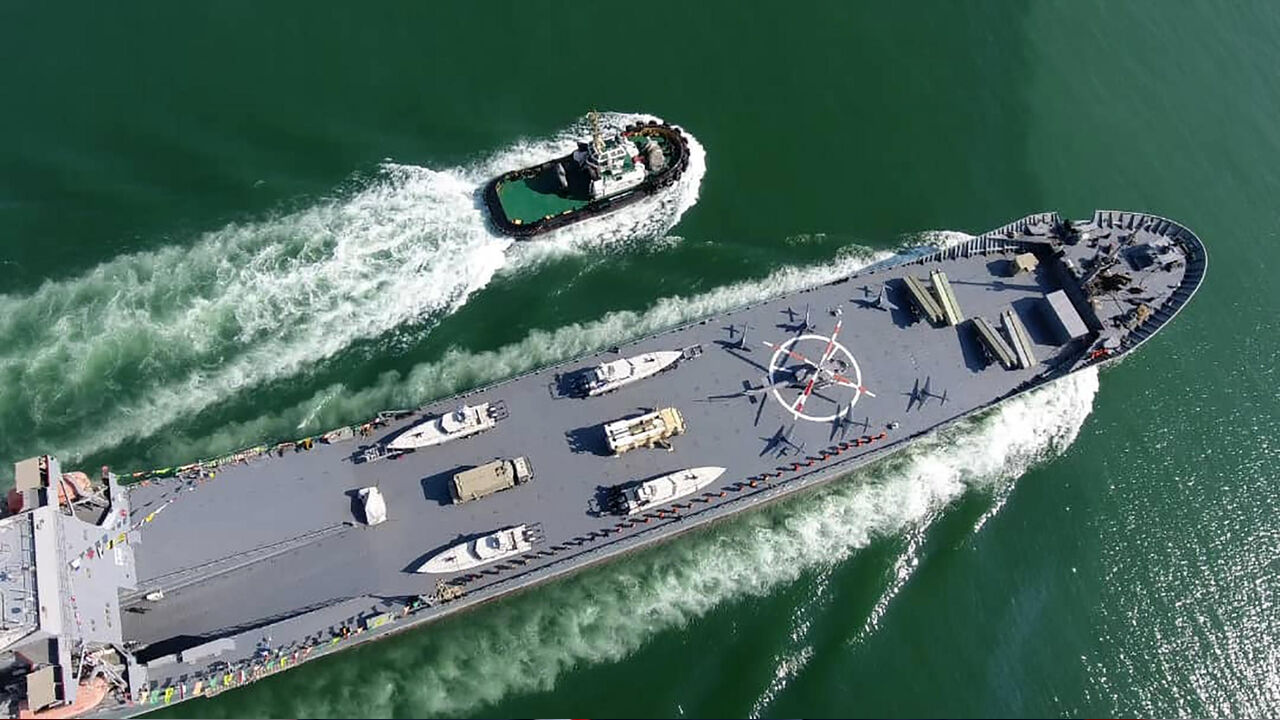
Tehran, November 20: Restarting its oil exports is now Iran’s primary objective, and Tehran will respond militarily if the US Navy attacks Iranian oil tankers…

New Delhi, November 20: A Pakistani federal minister has arrived in India’s capital, New Delhi, for the first time since the four-day conflict between the…
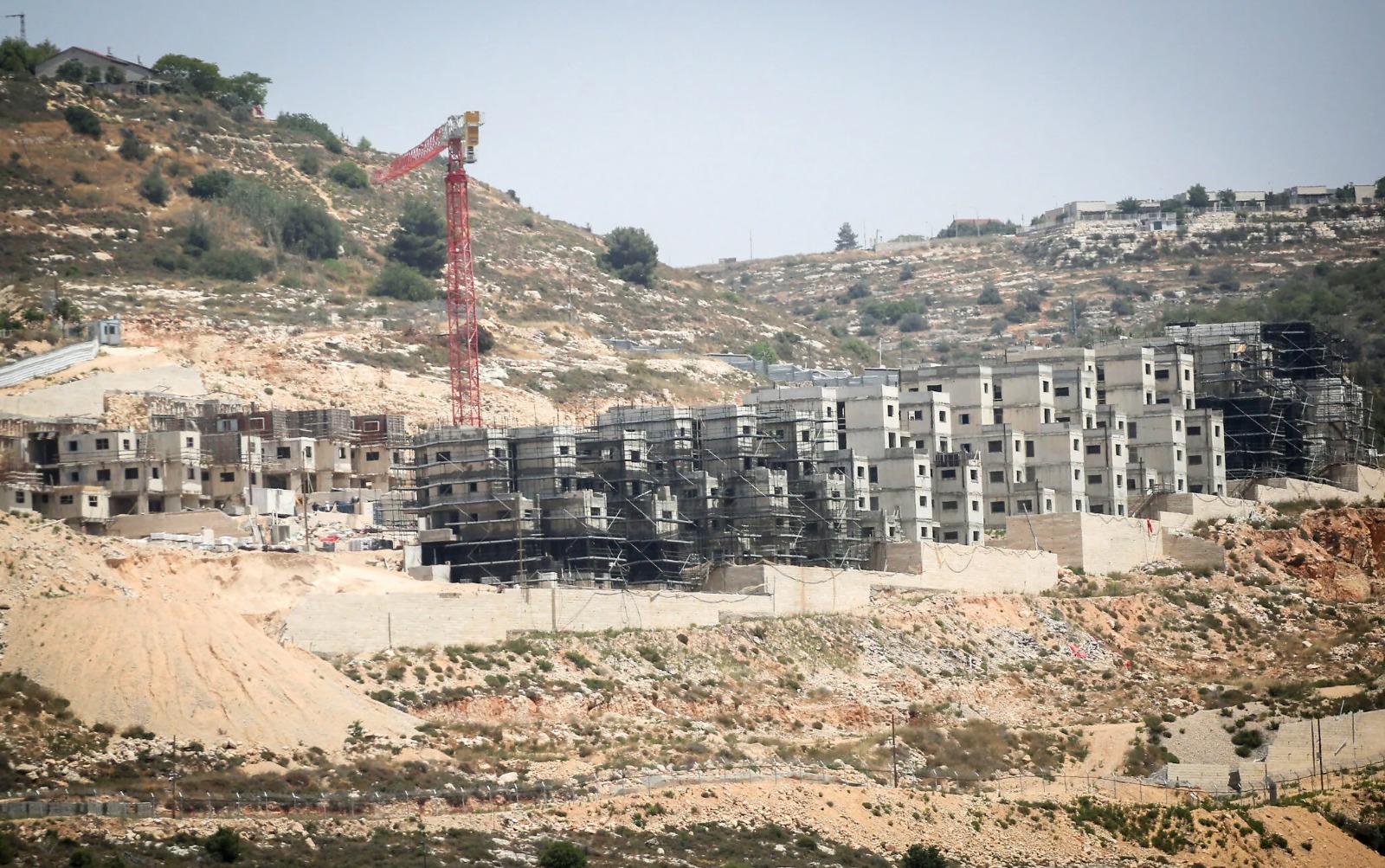
Darwin, November 18: Following the United Kingdom’s lead, Australia has announced sanctions against three Israeli individuals and four organisations over alleged involvement in the “illegal…

Darwin, November 17: Following years of anticipation, extensive technical work and multiple stages of complex testing, Bangladesh has opened a new chapter in its power…
Darwin, November 17: A powerful earthquake measuring 6.6 on the Richter scale has struck Indonesia, with tremors also felt in neighboring Australia. According to Geoscience…
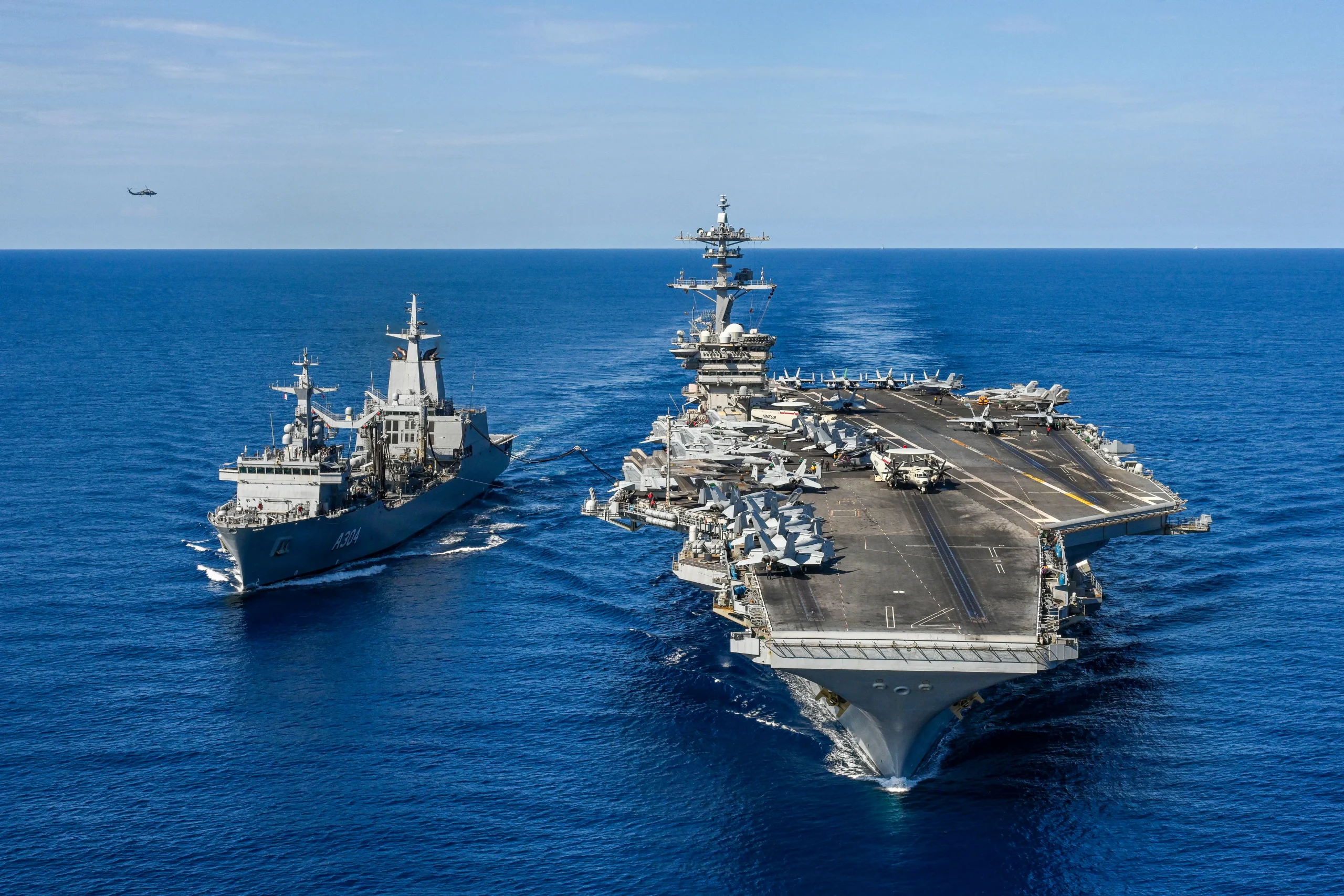
The United States’ third aircraft carrier, the USS Theodore Roosevelt, has arrived in the Middle East amid growing concerns over a possible renewed conflict with…