Navi Pillay, Who Fought for Gaza, Wins Nobel Peace Prize
Darwin, October 09: Navanetham “Navi” Pillay, a South African jurist who led a United Nations investigative commission that described Israel’s actions in Gaza as genocide,…



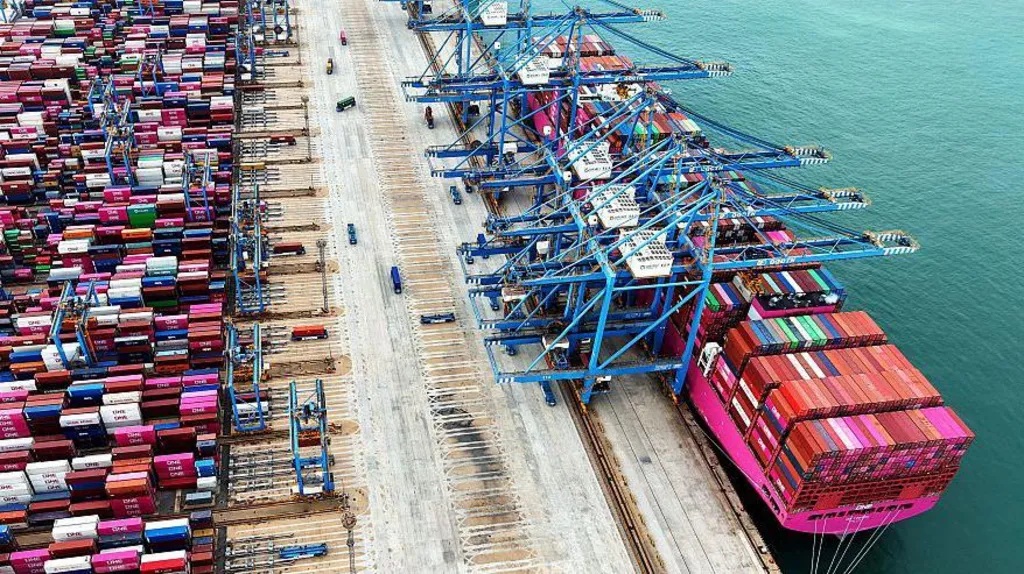
The ongoing trade tensions between the United States and China flared dramatically this weekend after US President Donald Trump threatened to impose an additional 100% tariff on Chinese goods.
China’s government quickly condemned the move, with a commerce ministry spokesperson calling it “a typical example of US double standards.” The spokesperson firmly stated that China was “not afraid” of a possible trade war and reserved the right to introduce unspecified “countermeasures” if the US president follows through on his threat.
Trump’s hardline stance on Friday, which included accusing Beijing of “becoming very hostile” and trying to hold the world “captive” over its move to tighten rare earths exports, sent shockwaves through global financial markets. The S&P 500 share index registered its steepest fall since April, closing down 2.7%.
Trump Walks Back Hostile Rhetoric
However, the president abruptly softened his position on Sunday, attempting to de-escalate the trade rhetoric in a post on social media.
“Don’t worry about China, it will all be fine!” Trump wrote. “Highly respected President Xi just had a bad moment. He doesn’t want Depression for his country, and neither do I. The U.S.A. wants to help China, not hurt it!!!” The sudden pivot, which lacked further elaboration, temporarily eased renewed fears of a full-blown trade war.
The recent tariff threats are particularly significant as they come just months after both sides agreed in May to drop a previously negotiated set of triple-digit tariffs, which had raised the risk of trade halting entirely between the world’s two largest economies. Current levies stand at an added 30% for US tariffs on Chinese goods and a 10% tariff on US goods entering China.
Rare Earths and “National Security” Disputes
China’s commerce ministry’s response echoed the aggressive language used during the height of the previous trade conflict, criticising what it views as a long-standing pattern of unfair practices by the US.
The spokesperson accused the US of having “overstretched the concept of national security, abused export control measures” and adopted discriminatory practices against China, specifically referencing US export restrictions on chips and semi-conductors.
In defense of its own recent policy, Beijing insisted that tightening export controls on rare earths—critical materials used in advanced tech like smartphones and solar panels, of which China processes about 90% of the world’s supply—was a “normal action” intended to safeguard its national security.
The ministry closed with a clear warning: “China’s position on a tariff war has always been consistent: we do not want one, but we are not afraid of one.”
The back-and-forth is widely viewed by analysts as both nations attempting to strengthen their negotiating positions ahead of possible future trade talks. The highly anticipated meeting between President Trump and Chinese President Xi Jinping, expected at a summit in South Korea later this month, remains in question following Trump’s temporary threat to pull out.
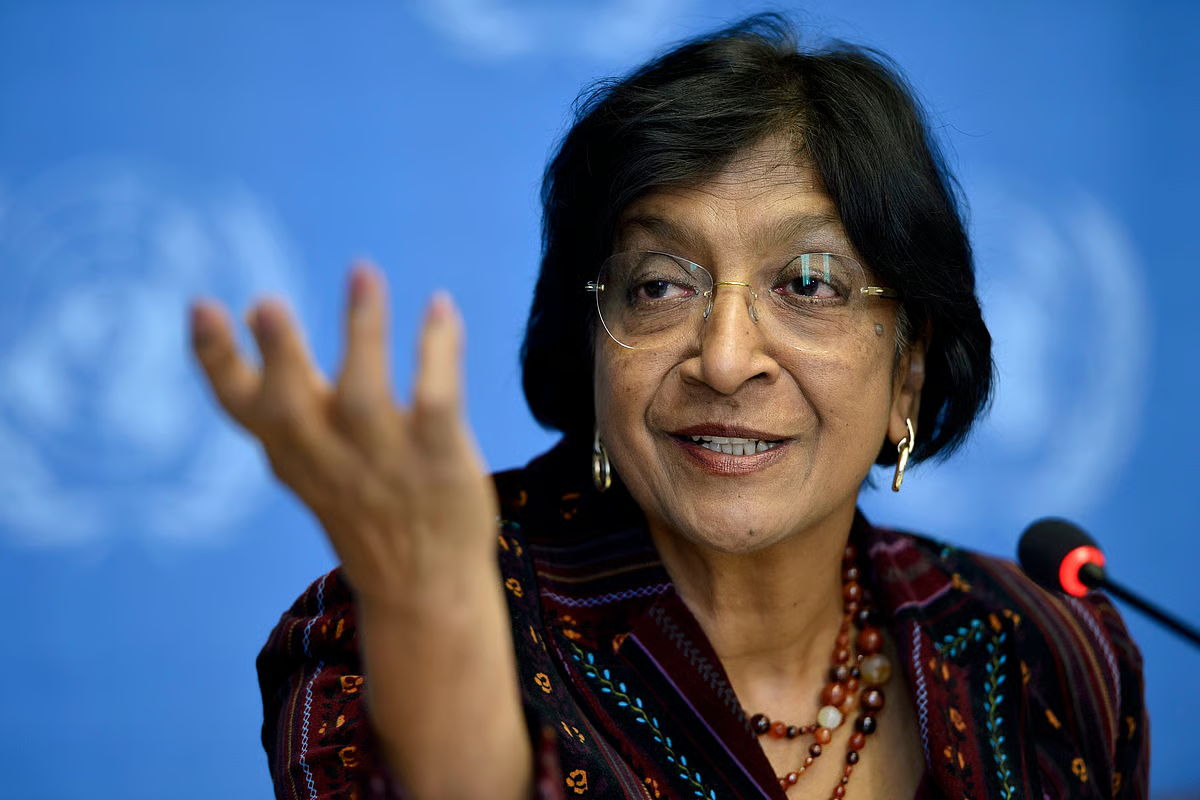
Darwin, October 09: Navanetham “Navi” Pillay, a South African jurist who led a United Nations investigative commission that described Israel’s actions in Gaza as genocide,…
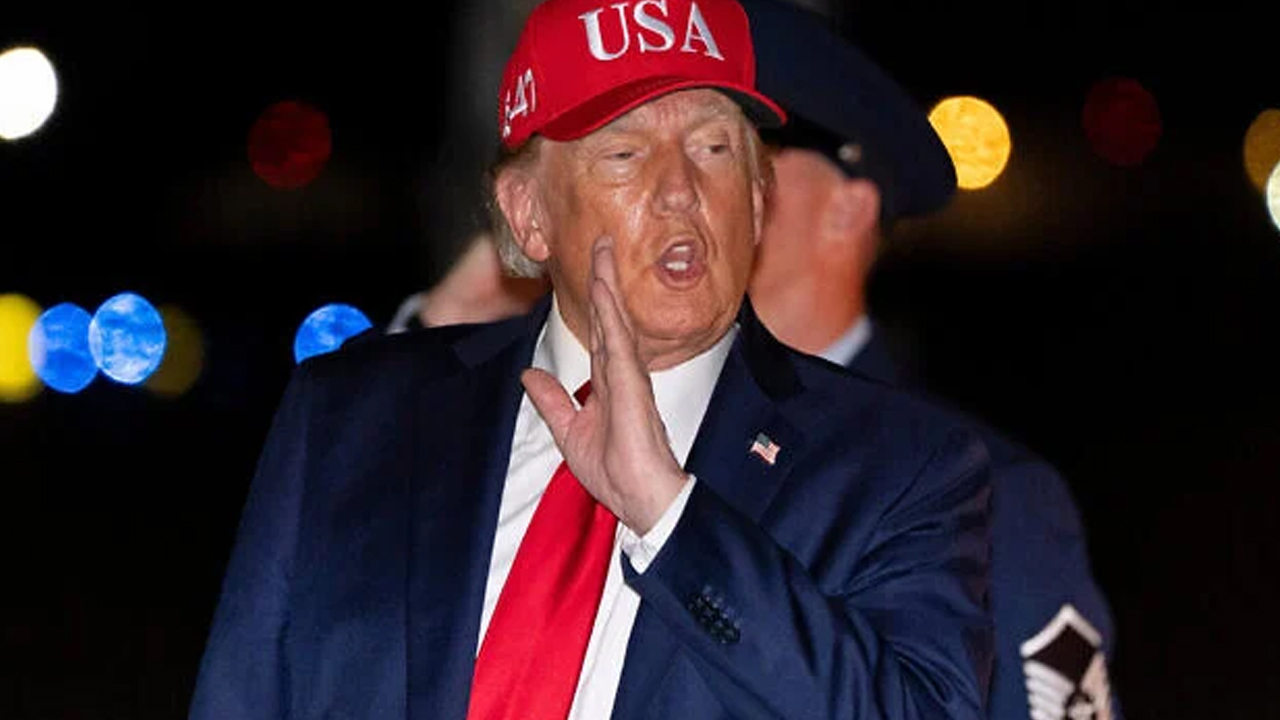
Darwin, October 08: U.S. President Donald Trump said on Wednesday that he deserves to win the Nobel Peace Prize, while expressing doubts that he would…
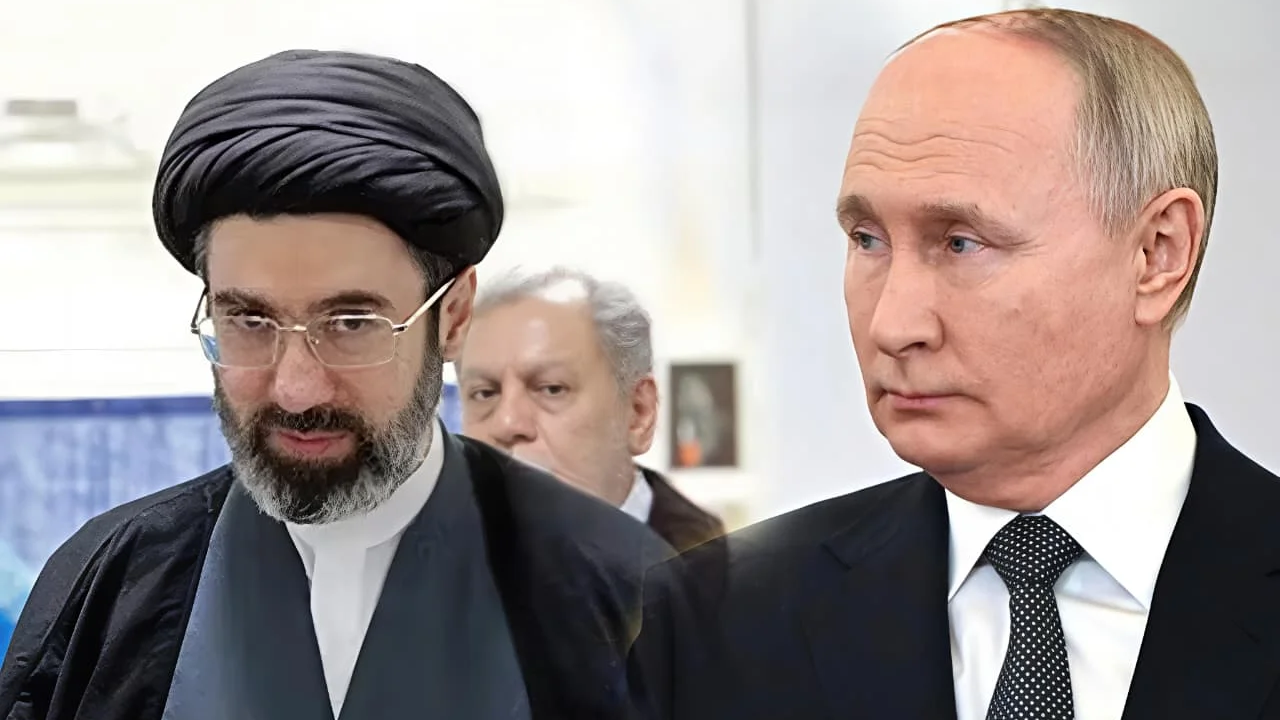
Darwin, October 07: Russia has finalized preparations to provide Iran with a $1 billion loan. The funds will be transferred once Tehran provides the necessary…
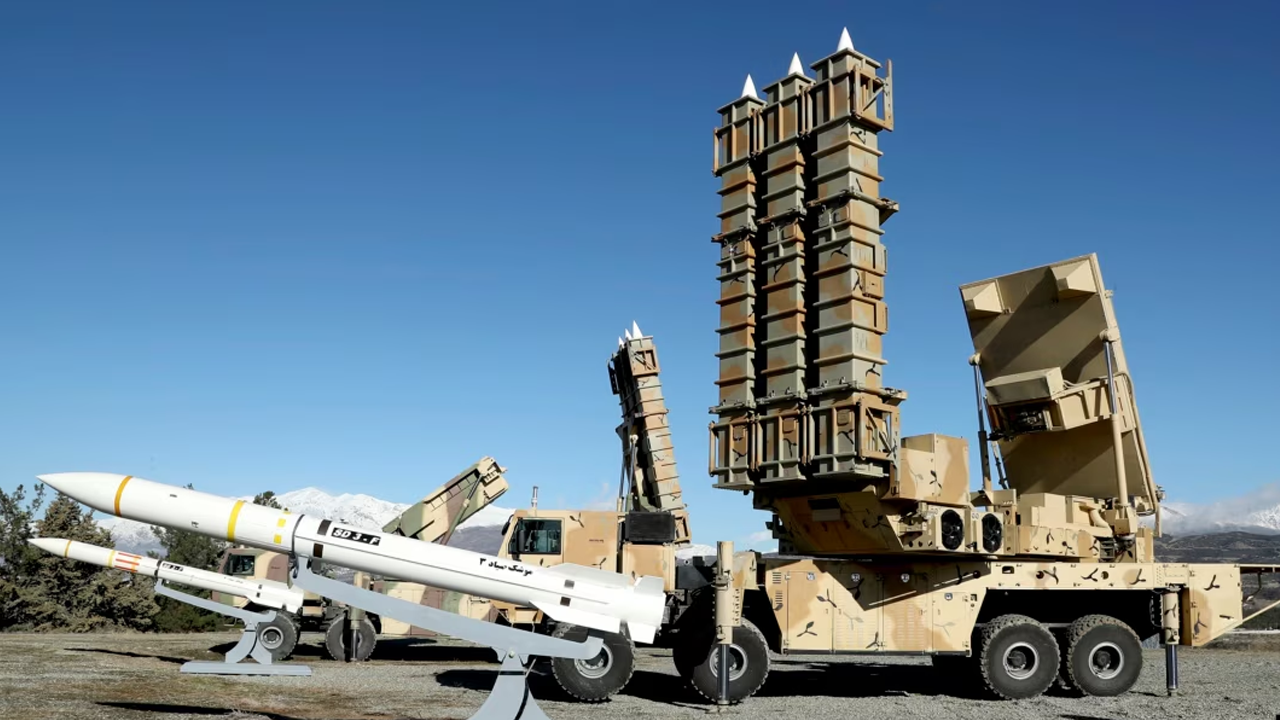
DARWIN, October 7: Iran has warned that it will deliver a stronger response if the United States or Israel launches another attack. The country also…
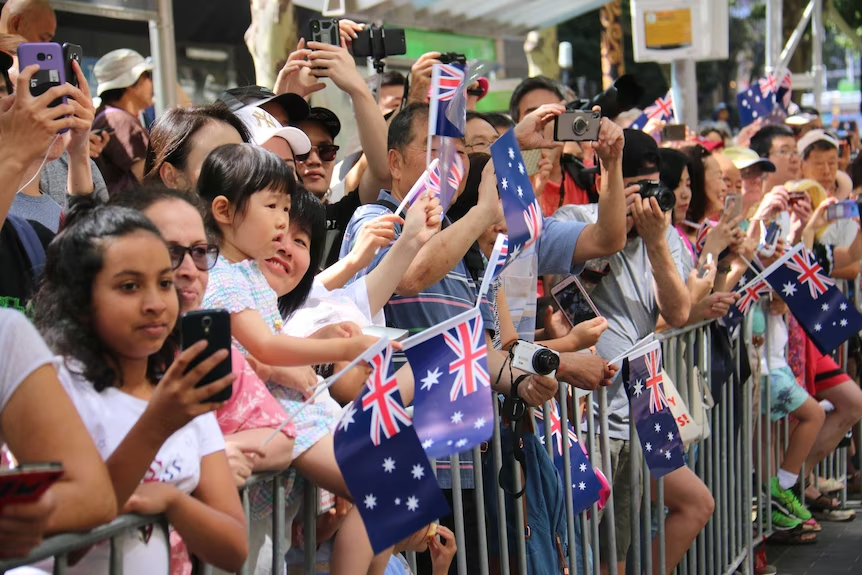
Darwin, October 05: Deaths in Australia are expected to outnumber births by the 2060s, according to a government report, marking a demographic milestone that countries…

Darwin, October 04: Ten people, including three children, have been injured after a car crashed into a crowd of rugby league fans in Newcastle, eastern…
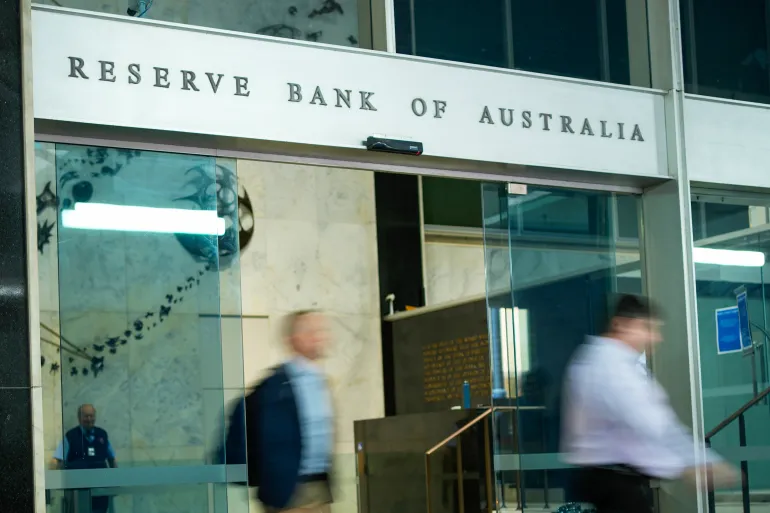
Darwin, October 4: Australia’s central bank has raised interest rates to their highest level in 15 years, increasing mortgage repayments for millions of Australian households….

Darwin, October 3: Under pressure from US President Donald Trump to bring down rising fuel prices, G7 leaders are set to release up to 100…