Navi Pillay, Who Fought for Gaza, Wins Nobel Peace Prize
Darwin, October 09: Navanetham “Navi” Pillay, a South African jurist who led a United Nations investigative commission that described Israel’s actions in Gaza as genocide,…



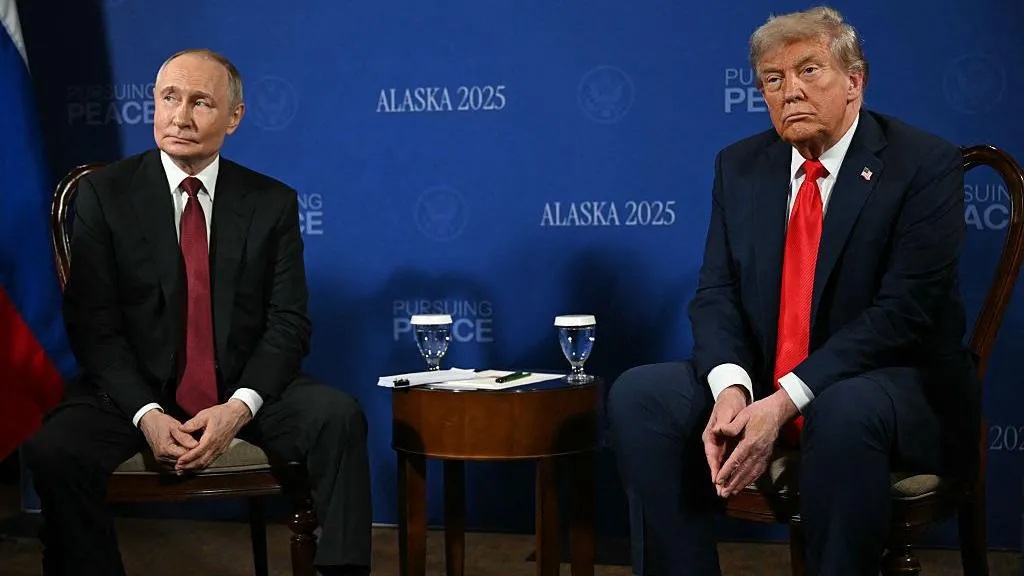
WASHINGTON – Hopes for a swift, high-level summit between U.S. President Donald Trump and Russian President Vladimir Putin to end the war in Ukraine have been indefinitely suspended, just days after Trump announced the meeting would take place in Budapest.
President Trump told reporters at the White House on Tuesday that he did not want a “wasted meeting” or a “waste of time,” leading to the cancellation of the preliminary meeting between the nations’ top diplomats and the postponement of the proposed summit.
The move marks the latest twist in Trump’s complex attempts to broker peace in Ukraine, an effort that follows his success in securing a ceasefire and hostage release deal in Gaza. That success, which Trump seeks to replicate, was built on unique leverage over Israeli Prime Minister Benjamin Netanyahu and political and economic ties to key Arab allies.
In the Ukraine conflict, however, analysts suggest Trump lacks similar leverage. Ukrainian President Volodymyr Zelensky implicitly noted the issue, stating that as soon as the prospect of Ukraine receiving long-range Tomahawk cruise missiles “became a little further away… Russia almost automatically became less interested in diplomacy.”
The decision to delay the summit followed a round of diplomacy that saw Trump speak with Putin and then host a reportedly tense meeting with Zelensky at the White House last week. During the meeting, Trump reportedly pressured Zelensky to consider a ceasefire along the current battle lines and even suggested ceding the eastern Donbas region—territory Russia has not fully conquered. Crucially, the Ukrainian leader left Washington without the commitment for Tomahawk cruise missiles he had sought to strengthen Kyiv’s negotiating position.
Is Putin ‘Playing’ Trump?
The quick reversal on the summit, coming after reports that the White House was considering new long-range weapons for Kyiv, raises questions about the effectiveness of Trump’s personal approach to foreign policy. Critics suggest that Putin may be using Trump’s desire for a deal to influence U.S. policy. Previous attempts by Trump to broker talks have coincided with the shelving of key sanctions and arms shipments, only for diplomatic progress to stall once U.S. pressure eased.
The difficulty of finding a peace framework remains, as Trump has settled on a call for a ceasefire along current front lines—a proposal Russia has so far refused to accept. The war, which began in February 2022, continues with Russia controlling approximately 20% of Ukrainian territory.
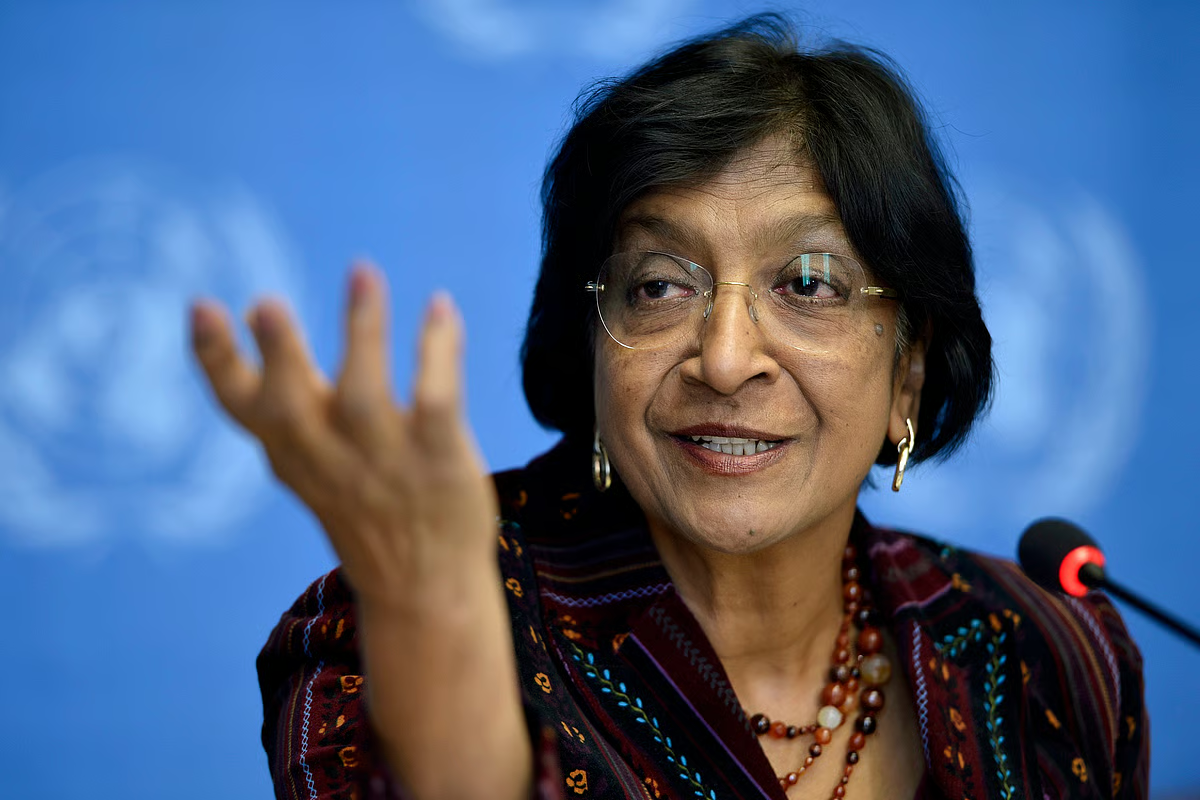
Darwin, October 09: Navanetham “Navi” Pillay, a South African jurist who led a United Nations investigative commission that described Israel’s actions in Gaza as genocide,…
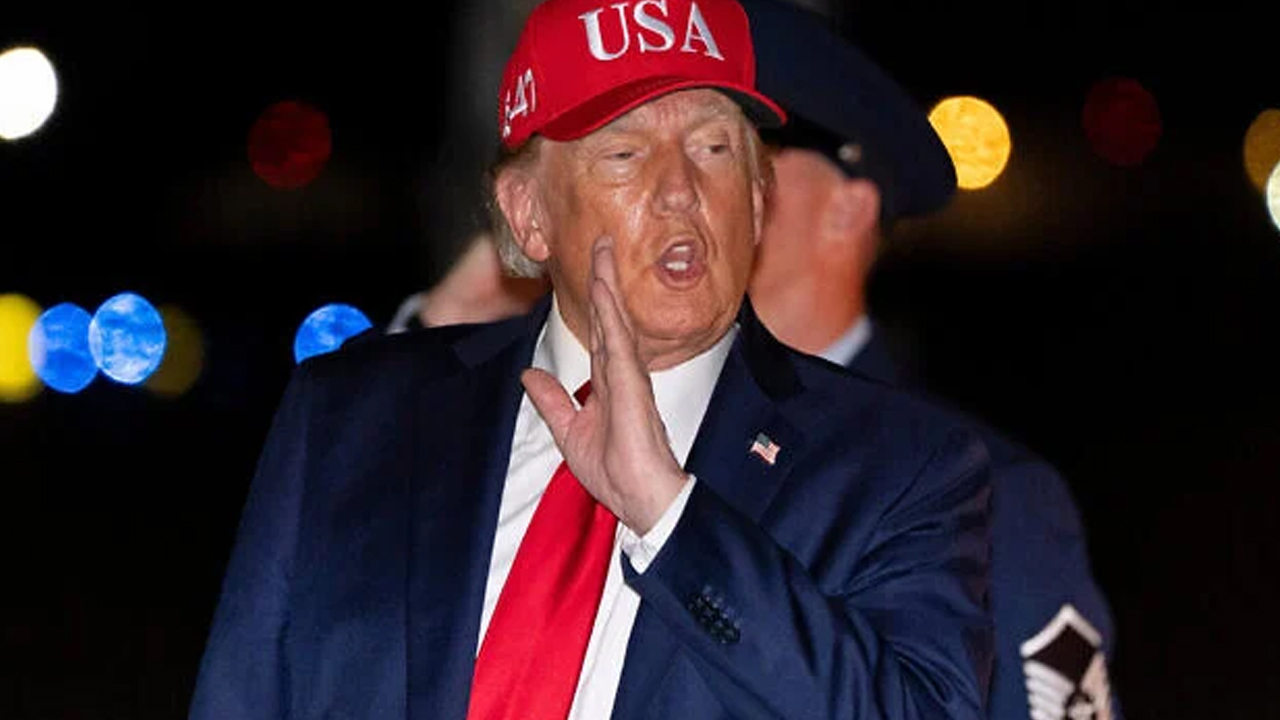
Darwin, October 08: U.S. President Donald Trump said on Wednesday that he deserves to win the Nobel Peace Prize, while expressing doubts that he would…
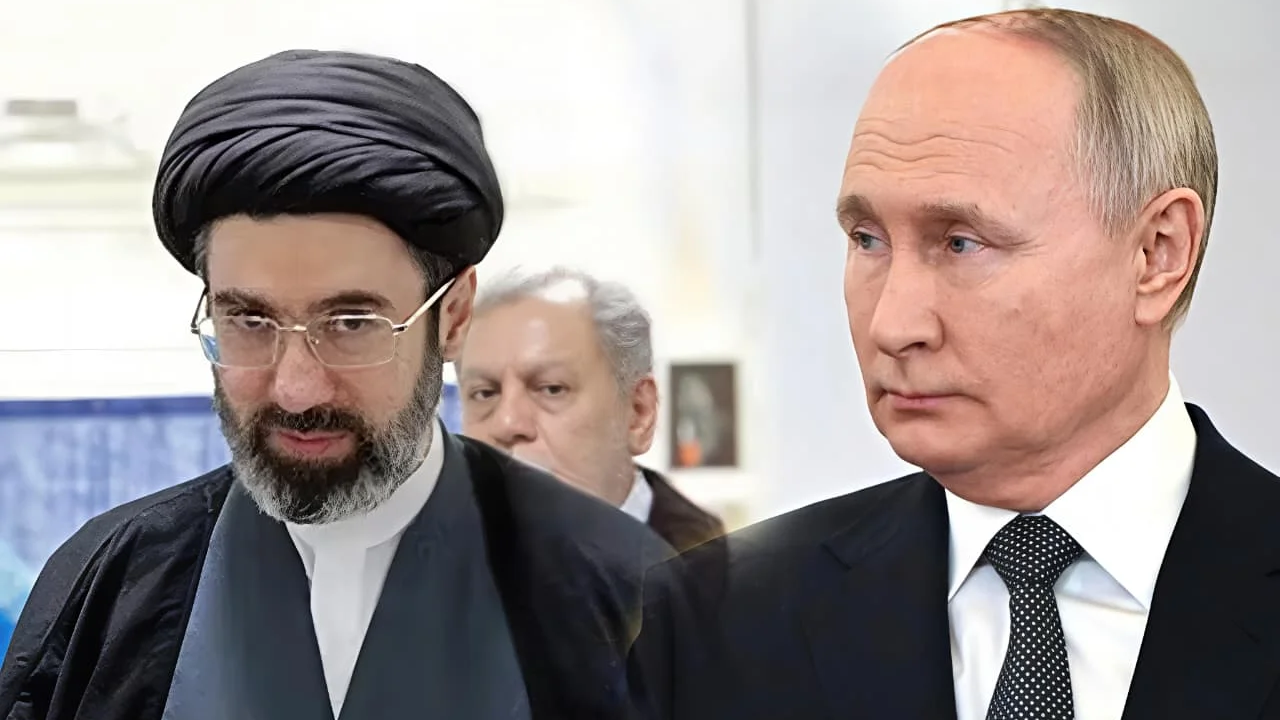
Darwin, October 07: Russia has finalized preparations to provide Iran with a $1 billion loan. The funds will be transferred once Tehran provides the necessary…
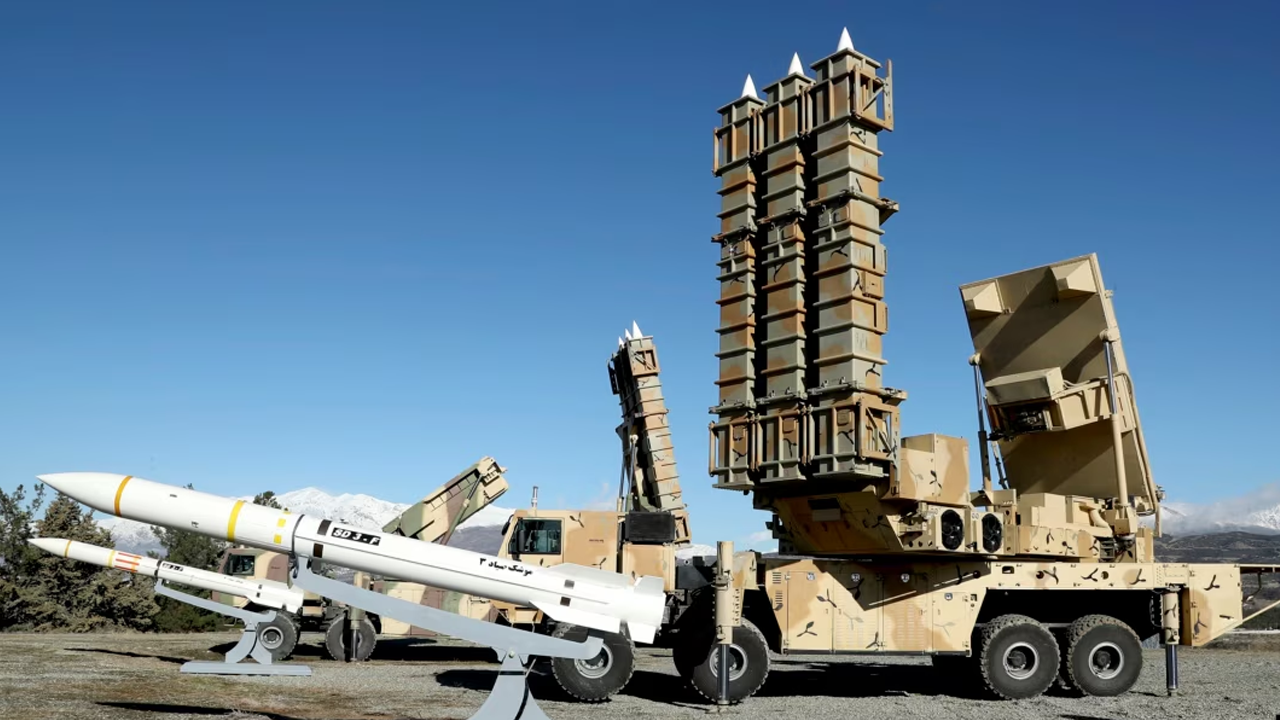
DARWIN, October 7: Iran has warned that it will deliver a stronger response if the United States or Israel launches another attack. The country also…

Darwin, October 05: Deaths in Australia are expected to outnumber births by the 2060s, according to a government report, marking a demographic milestone that countries…

Darwin, October 04: Ten people, including three children, have been injured after a car crashed into a crowd of rugby league fans in Newcastle, eastern…

Darwin, October 4: Australia’s central bank has raised interest rates to their highest level in 15 years, increasing mortgage repayments for millions of Australian households….
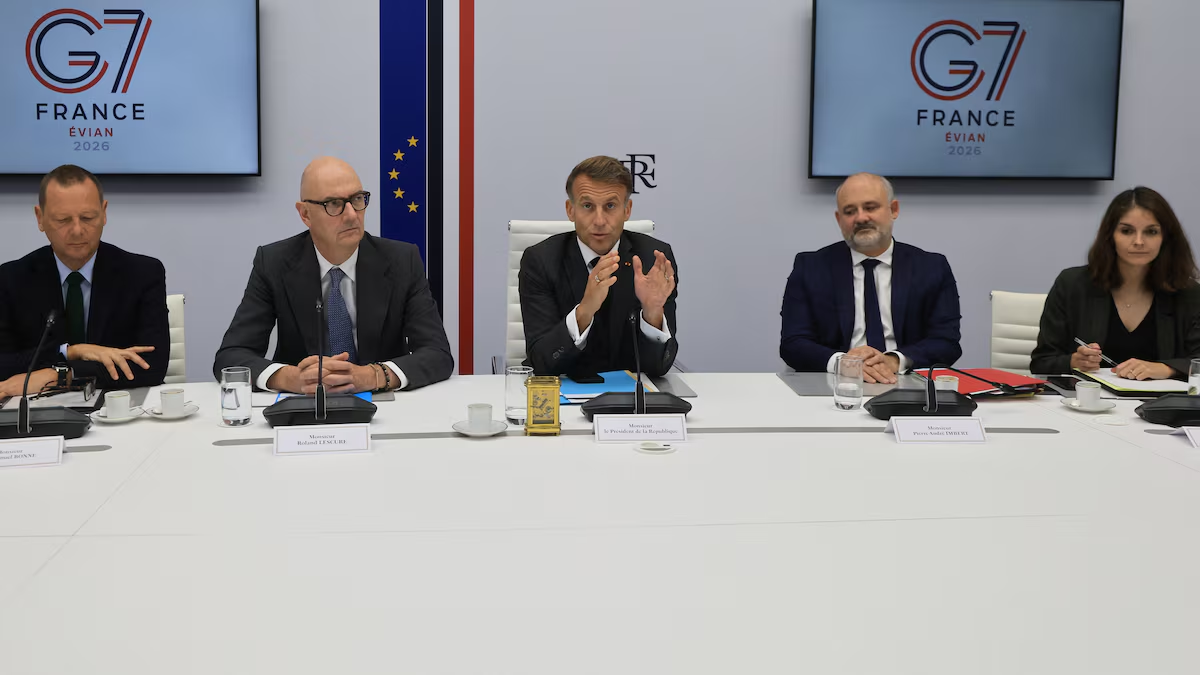
Darwin, October 3: Under pressure from US President Donald Trump to bring down rising fuel prices, G7 leaders are set to release up to 100…