Oil Prices Rise in Global Markets on Fears of Middle East Supply Disruptions
Darwin, October 21: Oil prices rose in global markets on Wednesday as traders grew concerned about potential disruptions to oil supplies in the Middle East,…



Darwin, 02 February:
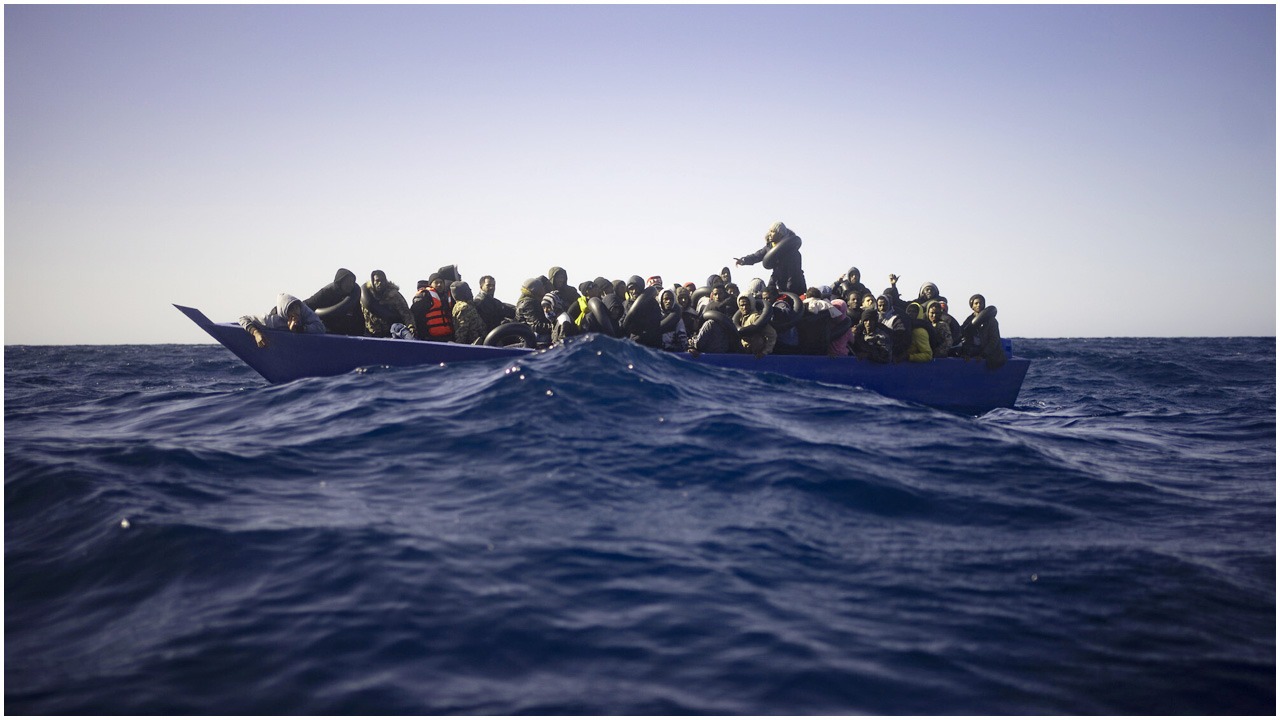
The European Commission (EC) has described the return of migrants who enter Europe through irregular routes as an “urgent” priority, stating that Europe will decide who is allowed to enter the continent. The Commission has presented a five-year strategic plan on migration policy, pledging to tackle irregular migration while working more closely with countries outside the EU.
EU Commissioner for Migration Magnus Brunner said the priority is clear: reducing and limiting the number of irregular arrivals. He noted that abuse of the asylum system fuels negative perceptions of migration, weakens public trust, and ultimately reduces Europe’s capacity to offer protection. It also undermines efforts to attract skilled workers.
The plan comes amid growing political pressure on the EU to curb irregular migration, even though statistics show that irregular arrivals across the EU fell by at least 25 percent in 2025 compared to the previous year.
Brunner said the five-year plan would mark “a new chapter” in migration and asylum policy for the 27-member bloc.
However, human rights organisation Amnesty International criticised the plan, calling it “flawed.” The organisation warned that reliance on so-called “third countries” to manage irregular migration could entangle the EU in human rights violations.
Speaking at the presentation of the plan, Executive Vice President of the European Commission for Tech Sovereignty, Security and Democracy Henna Virkkunen said the downward trend in irregular arrivals must be maintained, while legal pathways to Europe should be expanded. She stressed that without legal migration channels, the migration framework cannot function properly, and social and economic development would be hindered.
Europe Will Decide Who Can Enter
In a statement outlining its migration strategy, the Commission said it aims to establish a “fair and firm framework.” It added: “Through this policy, Europe will decide who enters the EU and under what conditions.”
Alongside controlling irregular migration, combating human trafficking, safeguarding the right to asylum, and preventing abuse of the asylum system, the EU will focus on attracting talented and skilled workers to keep its economy running.
The Commission acknowledged significant skills and labour shortages across many key sectors in the EU. It said the goal is to make the EU the most attractive destination for talented and skilled workers in a competitive global environment.
To achieve this, the Commission pledged to simplify and accelerate rules and procedures to attract workers needed in Europe, including recognising and validating foreign qualifications and skills.
Return Hubs
According to the European Commission, only 25 percent—one in four—of those ordered to leave the EU actually return to their home countries or are deported. As a result, making the return process for irregular and rejected migrants more effective and efficient has been identified as the most “urgent” task.
The statement said: “Fast, effective and dignified returns are essential for the fair and effective functioning of our migration and asylum system.”
The Commission’s plan also gives importance to discussions on establishing “return hubs” or repatriation centres in non-EU countries. Irregular migrants or rejected asylum seekers would be held in these centres before being returned to their countries of origin. The Commission described the idea as new and “innovative.”
While not stated explicitly, the plan suggests that the EU may apply pressure on countries of origin to accept the return of rejected asylum seekers. Punitive measures are also being considered for countries that fail to cooperate.
The EU has already signed agreements with countries such as Libya, Tunisia, Mauritania, Egypt and Morocco to control irregular migration, and is negotiating new deals. In exchange for cooperation on migration control, the EU is providing financial assistance and investment support to these countries.
Source: InfoMigrants

Darwin, October 21: Oil prices rose in global markets on Wednesday as traders grew concerned about potential disruptions to oil supplies in the Middle East,…

Darwin, October 21: Iran is prolonging negotiations with Washington in an attempt to politically weaken President Donald Trump ahead of the US midterm elections, according…

Darwin, October 21: Today is the auspicious occasion of Bijaya Dashami. The five-day Sharadiya Durga Puja, the biggest religious festival of the Hindu community, officially…

Darwin, October 20: Today is Maha Navami, the ninth day of Sharadiya Durga Puja. Members of the Hindu community will observe the day through religious…

Darwin, October 20: Protests and violence over the rising cost of living have erupted in Italy, one of Europe’s largest economies, following similar unrest in…

Darwin, October 20: US President Donald Trump has warned that protests and violence similar to those in France could spread across the United States if…
Darwin, October 20: Moscow has reaffirmed its full support for Tehran just hours after US President Donald Trump remarked that Russia was doing very little…

Darwin, October 19: Former Manchester City manager Pep Guardiola has urged the world not to forget the Palestinians in Gaza. In a video for the…