Oil Prices Rise in Global Markets on Fears of Middle East Supply Disruptions
Darwin, October 21: Oil prices rose in global markets on Wednesday as traders grew concerned about potential disruptions to oil supplies in the Middle East,…



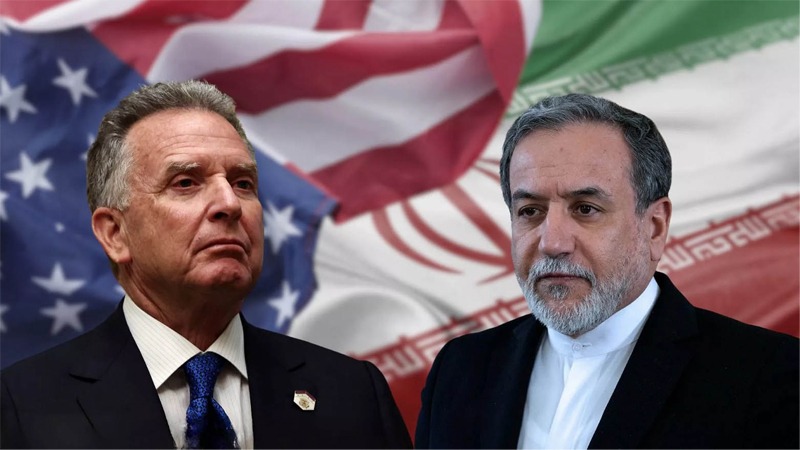
Darwin, 06 April: As the deadline of an ultimatum issued by Donald Trump approaches, the United States, Iran, and several regional mediators are discussing the terms of a সম্ভাব্য 45-day ceasefire.
According to sources cited by Axios on Monday, crossing this deadline could potentially open the path toward a permanent end to the conflict.
Reports from U.S. media suggest that the chances of reaching even a partial agreement within the next 48 hours remain very low. However, this last diplomatic effort is seen as the only opportunity to prevent a significant escalation of war between Iran and U.S.-allied forces. Such an escalation could involve large-scale attacks on Iran’s civilian infrastructure and retaliatory strikes on oil and water facilities in Gulf countries.
According to Axios, four sources (American, Israeli, and regional) said mediators have clearly warned Iran that there is no more room for delay or postponement—decisions must be made immediately. The next 48 hours are being viewed as Iran’s final opportunity to avoid widespread destruction.
The initial 10-day deadline was set to expire Monday evening. However, Trump extended it by 20 hours through his social media platform, setting a new deadline of Tuesday at 8:00 PM.
Two sources indicated that plans for large-scale U.S.-Israeli airstrikes on Iran are already prepared, but the extension was granted to allow for last-minute negotiations.
Sources say the talks are being conducted through Pakistani, Egyptian, and Turkish mediators, along with text exchanges between U.S. special envoy Steve Witkoff and Iran’s Foreign Minister Abbas Araghchi.
Proposed Two-Phase Agreement
Mediators are working on a two-stage deal:
Phase One: A potential 45-day ceasefire, allowing time for negotiations on a permanent resolution. The ceasefire could be extended if necessary.
Phase Two: A final agreement to end the war, including reopening the Strait of Hormuz and resolving the issue of Iran’s highly enriched uranium—either through removal from the country or dilution.
Mediators are also exploring mechanisms to ensure credibility, so Iran can trust that the ceasefire will not collapse or lead to renewed attacks.
However, Iran has not yet officially confirmed any agreement.
Iran’s Position and Risks
Iranian officials have made it clear that they are not willing to fully relinquish control over the Strait of Hormuz or their stockpile of highly enriched uranium in exchange for a 45-day ceasefire. Still, mediators remain hopeful that Iran might agree to partial measures in the first phase.
Efforts are also ongoing to determine what kind of security guarantees the U.S. administration can provide to ease Iran’s concerns.
Mediators are particularly worried about the risk of Iranian retaliatory strikes on oil and water infrastructure in Gulf countries. Meanwhile, Iran’s Revolutionary Guard Navy has warned that “the situation in the Strait of Hormuz will never return to what it was before the war,” especially for the U.S. and Israel.
Darwin, October 21: Oil prices rose in global markets on Wednesday as traders grew concerned about potential disruptions to oil supplies in the Middle East,…
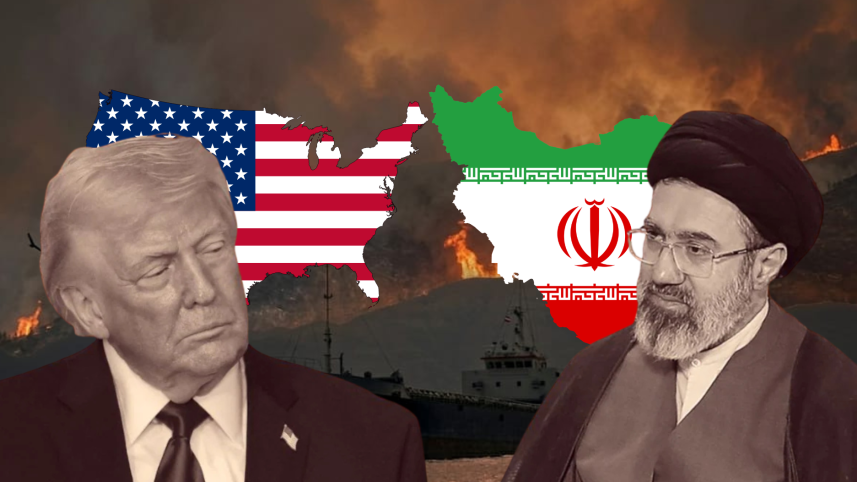
Darwin, October 21: Iran is prolonging negotiations with Washington in an attempt to politically weaken President Donald Trump ahead of the US midterm elections, according…

Darwin, October 21: Today is the auspicious occasion of Bijaya Dashami. The five-day Sharadiya Durga Puja, the biggest religious festival of the Hindu community, officially…

Darwin, October 20: Today is Maha Navami, the ninth day of Sharadiya Durga Puja. Members of the Hindu community will observe the day through religious…

Darwin, October 20: Protests and violence over the rising cost of living have erupted in Italy, one of Europe’s largest economies, following similar unrest in…
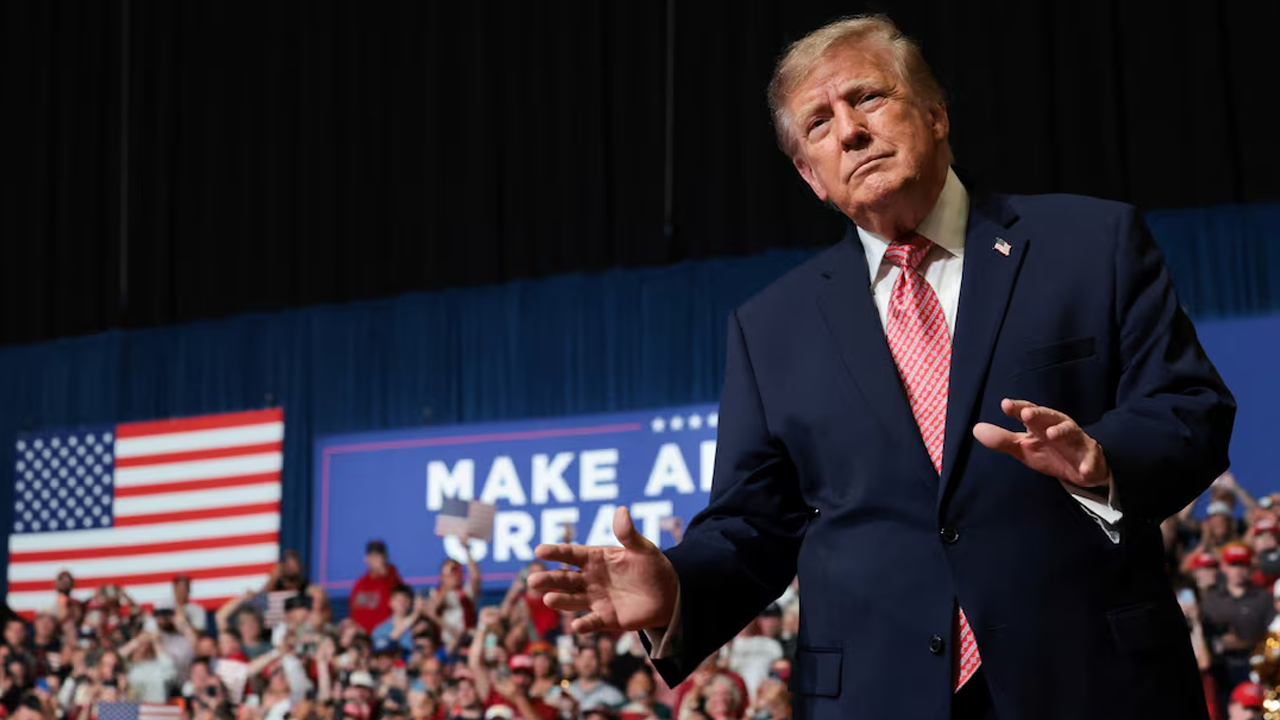
Darwin, October 20: US President Donald Trump has warned that protests and violence similar to those in France could spread across the United States if…
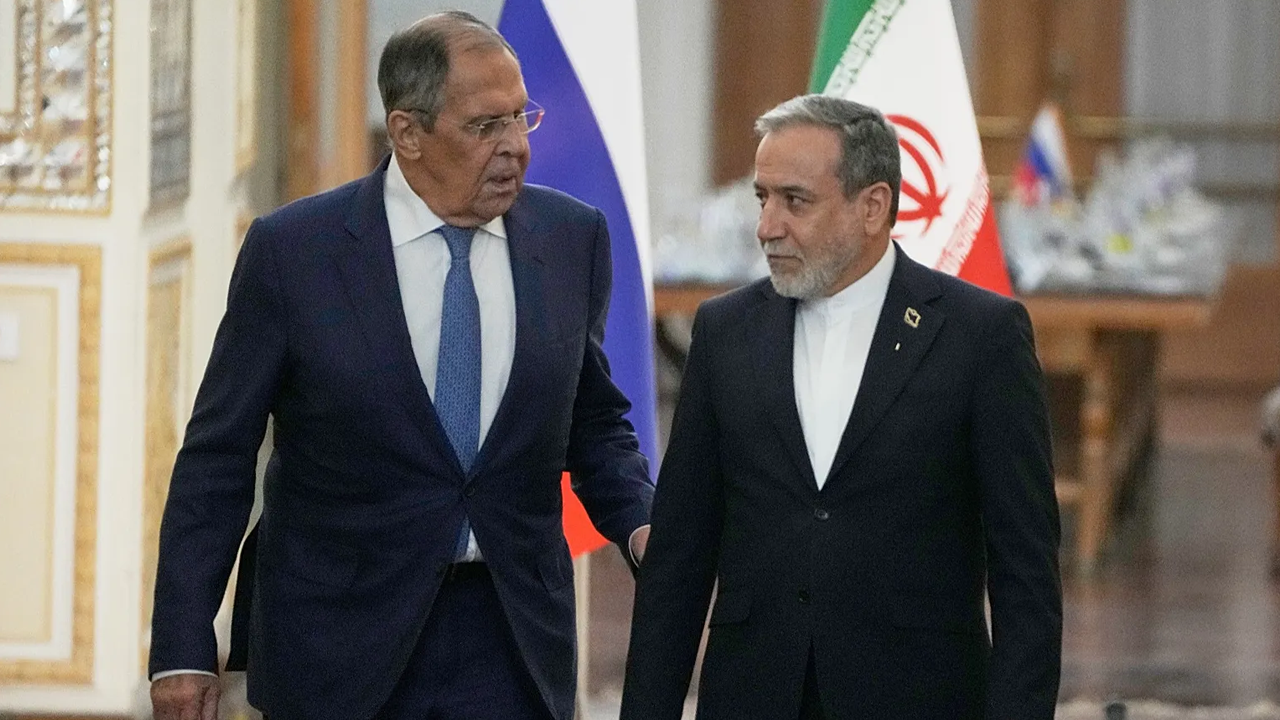
Darwin, October 20: Moscow has reaffirmed its full support for Tehran just hours after US President Donald Trump remarked that Russia was doing very little…

Darwin, October 19: Former Manchester City manager Pep Guardiola has urged the world not to forget the Palestinians in Gaza. In a video for the…