Oil Prices Rise in Global Markets on Fears of Middle East Supply Disruptions
Darwin, October 21: Oil prices rose in global markets on Wednesday as traders grew concerned about potential disruptions to oil supplies in the Middle East,…



Darwin, 08 April:
After 40 days of intense fighting, the United States and Iran have agreed to a two-week (14-day) ceasefire, marking a significant de-escalation in tensions across the Middle East.
The announcement was made by Donald Trump on Tuesday (April 7) via his social media platform, Truth Social, just before a previously set deadline expired.
He said the decision came following a “special request” from Shehbaz Sharif and Asim Munir. According to Trump, a planned “devastating strike” on Iran has been suspended for 14 days as part of the agreement.
A key condition of the ceasefire is the reopening of the Strait of Hormuz—one of the world’s most critical maritime routes—for global shipping.
Iran’s Position and Toll Decision
Iran’s Foreign Minister Abbas Araghchi confirmed Tehran’s acceptance of the ceasefire, stating that safe passage through the Strait of Hormuz would be ensured over the next two weeks in coordination with Iranian armed forces.
However, a controversial element has emerged: both Iran and Oman plan to impose transit tolls on vessels using the strait during this period. Officials say the move is based on the shared regional jurisdiction over the waterway.
According to an unnamed regional official cited by Associated Press, Iran intends to use the collected funds to rebuild defense, administrative, and civilian infrastructure damaged during the recent conflict. Oman’s plans for its share of the revenue remain unclear.
International Concerns and Legal Issues
The toll decision has drawn strong objections from United Arab Emirates and Qatar, both of which have called for maintaining free and open navigation and resolving financial matters through alternative means.
Under international maritime law, specifically the United Nations Convention on the Law of the Sea, countries bordering strategic straits are generally not allowed to impose direct transit fees. However, limited charges for specific services—such as pilotage, towing, or port assistance—are permitted if applied without discrimination.
Strategic Importance of the Strait
Located at the mouth of the Persian Gulf, the 34-kilometer-wide Strait of Hormuz is a vital artery for global energy supply, with nearly one-fifth of the world’s oil passing through it.
The waterway had effectively been closed during the conflict, with attacks on vessels contributing to a sharp rise in global oil prices.
Next Steps
As part of post-ceasefire efforts, all relevant parties are expected to meet in Islamabad on Friday to discuss long-term peace arrangements and the future status of the Strait of Hormuz.
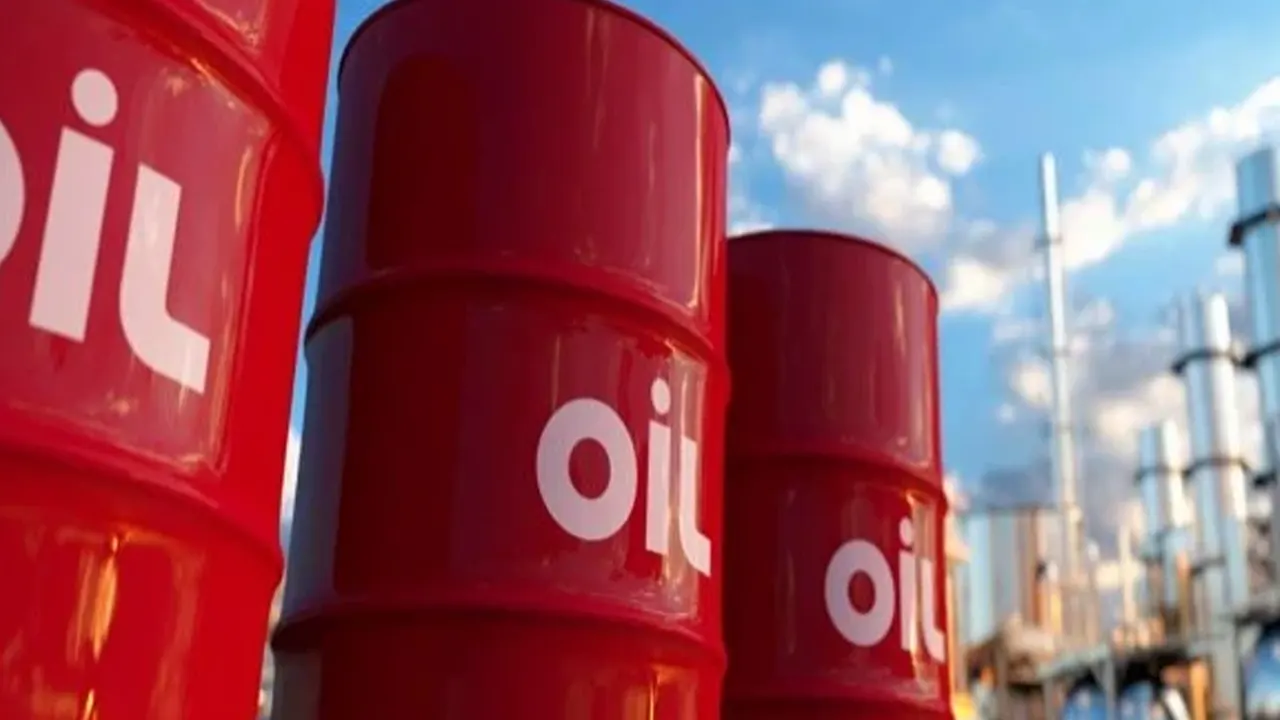
Darwin, October 21: Oil prices rose in global markets on Wednesday as traders grew concerned about potential disruptions to oil supplies in the Middle East,…
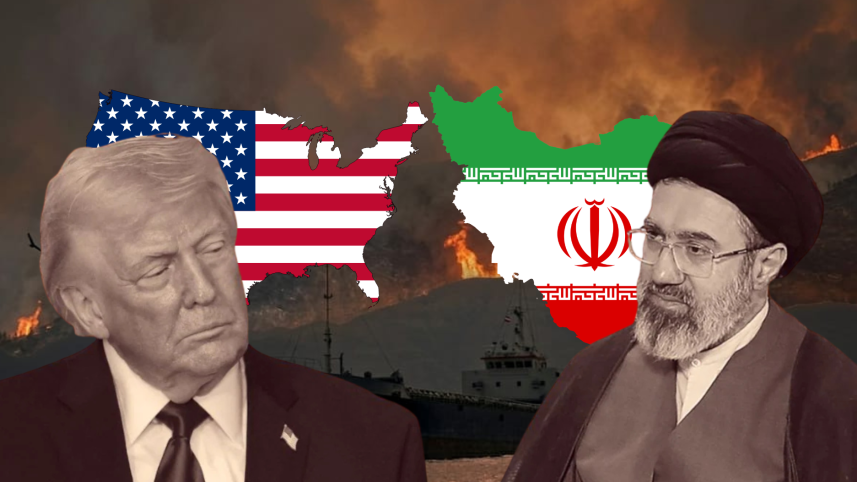
Darwin, October 21: Iran is prolonging negotiations with Washington in an attempt to politically weaken President Donald Trump ahead of the US midterm elections, according…

Darwin, October 21: Today is the auspicious occasion of Bijaya Dashami. The five-day Sharadiya Durga Puja, the biggest religious festival of the Hindu community, officially…

Darwin, October 20: Today is Maha Navami, the ninth day of Sharadiya Durga Puja. Members of the Hindu community will observe the day through religious…

Darwin, October 20: Protests and violence over the rising cost of living have erupted in Italy, one of Europe’s largest economies, following similar unrest in…
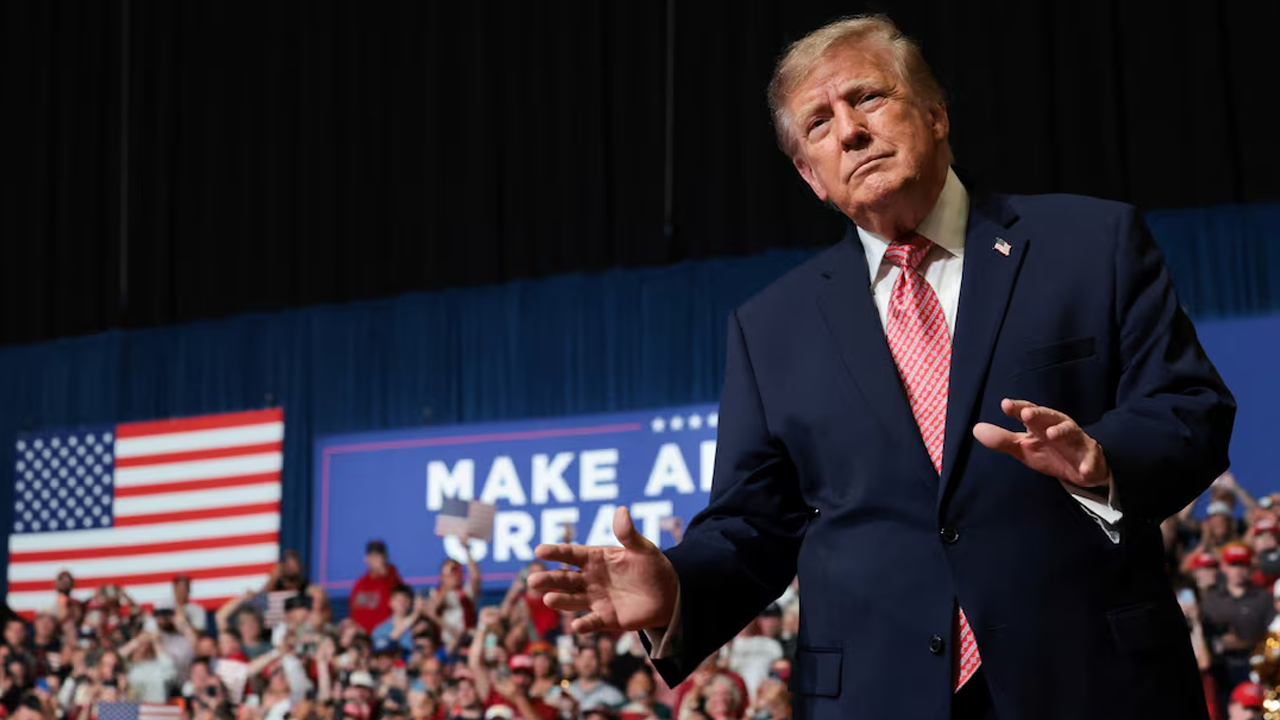
Darwin, October 20: US President Donald Trump has warned that protests and violence similar to those in France could spread across the United States if…
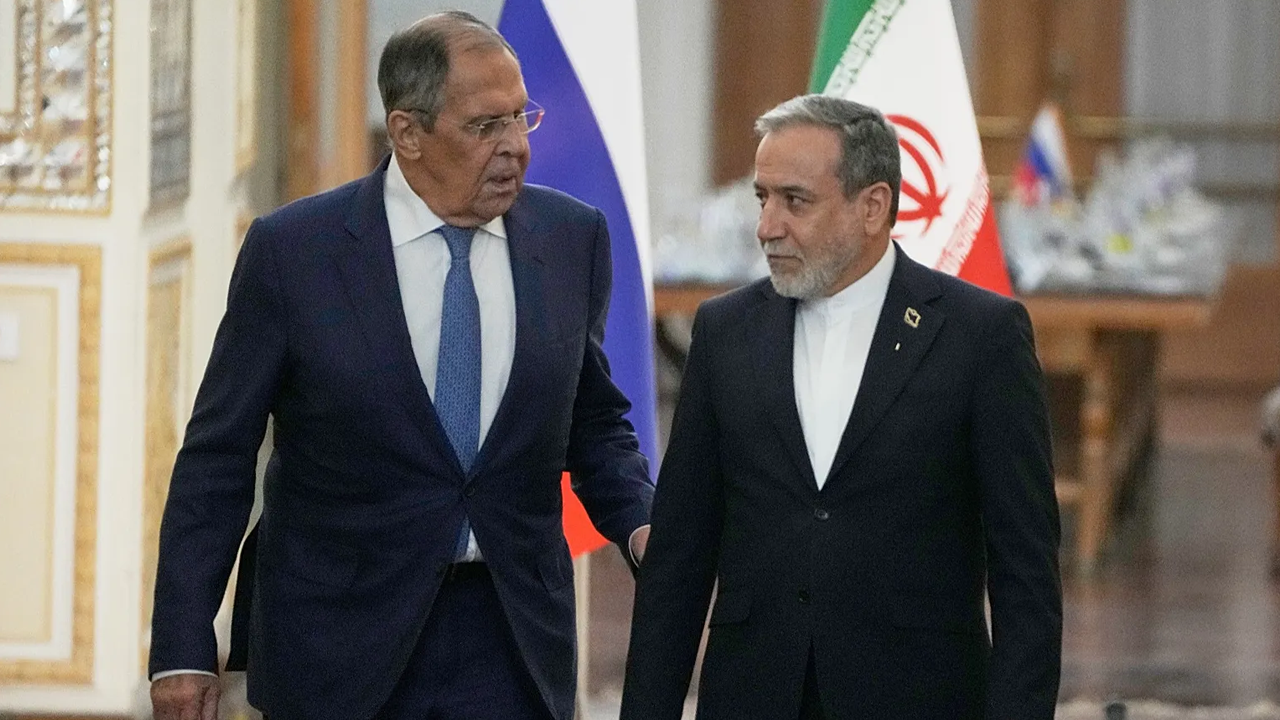
Darwin, October 20: Moscow has reaffirmed its full support for Tehran just hours after US President Donald Trump remarked that Russia was doing very little…

Darwin, October 19: Former Manchester City manager Pep Guardiola has urged the world not to forget the Palestinians in Gaza. In a video for the…