Oil Prices Rise in Global Markets on Fears of Middle East Supply Disruptions
Darwin, October 21: Oil prices rose in global markets on Wednesday as traders grew concerned about potential disruptions to oil supplies in the Middle East,…



Darwin, 08 April : Once hailed as a national hero, Ben Roberts-Smith has now been arrested in one of Australia’s most high-profile war crimes cases.
He was detained at Sydney Airport by the Australian Federal Police and the Office of the Special Investigator over allegations of unlawful killings in Afghanistan. He faces five counts related to war crimes murder, offences that carry a maximum penalty of life imprisonment.
Roberts-Smith, a former SAS corporal and Victoria Cross recipient, was once celebrated as the most decorated living Australian soldier. His bravery had long been a source of national pride. However, investigative reports published in 2018 and a 2023 ruling by Australia’s Federal Court dramatically altered his public image.
In a defamation case, the court ruled on the “balance of probabilities” standard that Roberts-Smith was involved in at least four killings while serving in the military—meaning it was more likely than not that the allegations were true. His appeals were later dismissed, and the High Court refused to hear his case.
The “Blooding” Practice and War’s Dark Side
Court findings and multiple reports revealed the existence of a brutal practice known as “blooding” within some SAS units. This involved junior soldiers being pressured to execute unarmed detainees to achieve their “first kill.”
These revelations exposed a darker side of Australia’s military operations in Afghanistan. Investigations, including the Brereton Report, found that some special forces personnel unlawfully killed prisoners, violating military rules and international law.
Specific Allegations
One of the most serious allegations dates back to a 2012 operation in Darwan village, Afghanistan. According to the court, Roberts-Smith kicked a handcuffed man named Ali Jan off a cliff approximately 10 metres high. Although the victim survived the fall, Roberts-Smith allegedly ordered a subordinate soldier to shoot and kill him.
Another incident occurred in 2009 during an operation codenamed “Whiskey 108.” Two unarmed individuals—an elderly man and a disabled young man—were found hiding in a tunnel and surrendered.
Judge Anthony Besanko ruled that Roberts-Smith ordered a junior soldier to kill the elderly man and later personally shot the disabled man. The victim’s prosthetic leg was reportedly taken as a “trophy” and displayed in a military bar.
Media Reports and Legal Battle
In 2018, The Age, The Sydney Morning Herald, and The Canberra Times published a series of reports accusing Roberts-Smith of killing civilians and abusing fellow soldiers. He sued the newspapers for defamation but ultimately lost the case.
The media outlets successfully proved the substance of their allegations in court. Despite this, Roberts-Smith has consistently denied all accusations.
Fall from Grace
Awarded the Victoria Cross in 2010 for “conspicuous gallantry” in the Battle of Tizak, Roberts-Smith was once named “Father of the Year” and served as chair of the Australia Day Council.
His fall from grace represents more than just the downfall of an individual—it highlights broader issues of war ethics, accountability, and the collapse of the myth surrounding so-called “heroes.”
Broader Context
Under international law, the killing of unarmed civilians or detainees constitutes a war crime, regardless of the circumstances of conflict. The allegations against Roberts-Smith reflect serious violations of these principles during the Afghanistan war.
If convicted, he faces severe punishment. However, he continues to deny all charges.

Darwin, October 21: Oil prices rose in global markets on Wednesday as traders grew concerned about potential disruptions to oil supplies in the Middle East,…
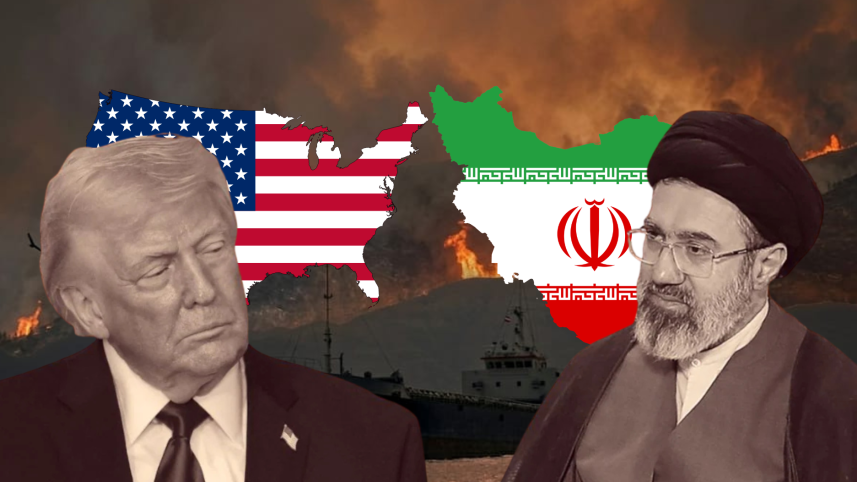
Darwin, October 21: Iran is prolonging negotiations with Washington in an attempt to politically weaken President Donald Trump ahead of the US midterm elections, according…

Darwin, October 21: Today is the auspicious occasion of Bijaya Dashami. The five-day Sharadiya Durga Puja, the biggest religious festival of the Hindu community, officially…

Darwin, October 20: Today is Maha Navami, the ninth day of Sharadiya Durga Puja. Members of the Hindu community will observe the day through religious…
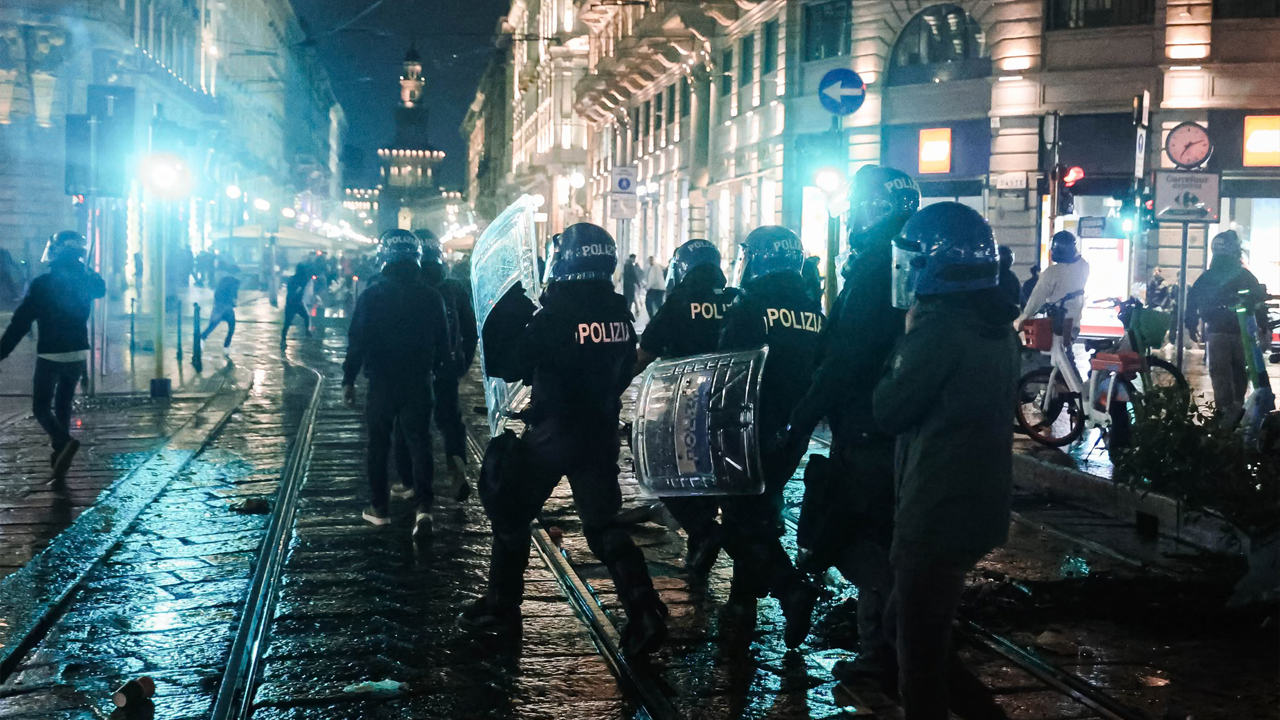
Darwin, October 20: Protests and violence over the rising cost of living have erupted in Italy, one of Europe’s largest economies, following similar unrest in…

Darwin, October 20: US President Donald Trump has warned that protests and violence similar to those in France could spread across the United States if…
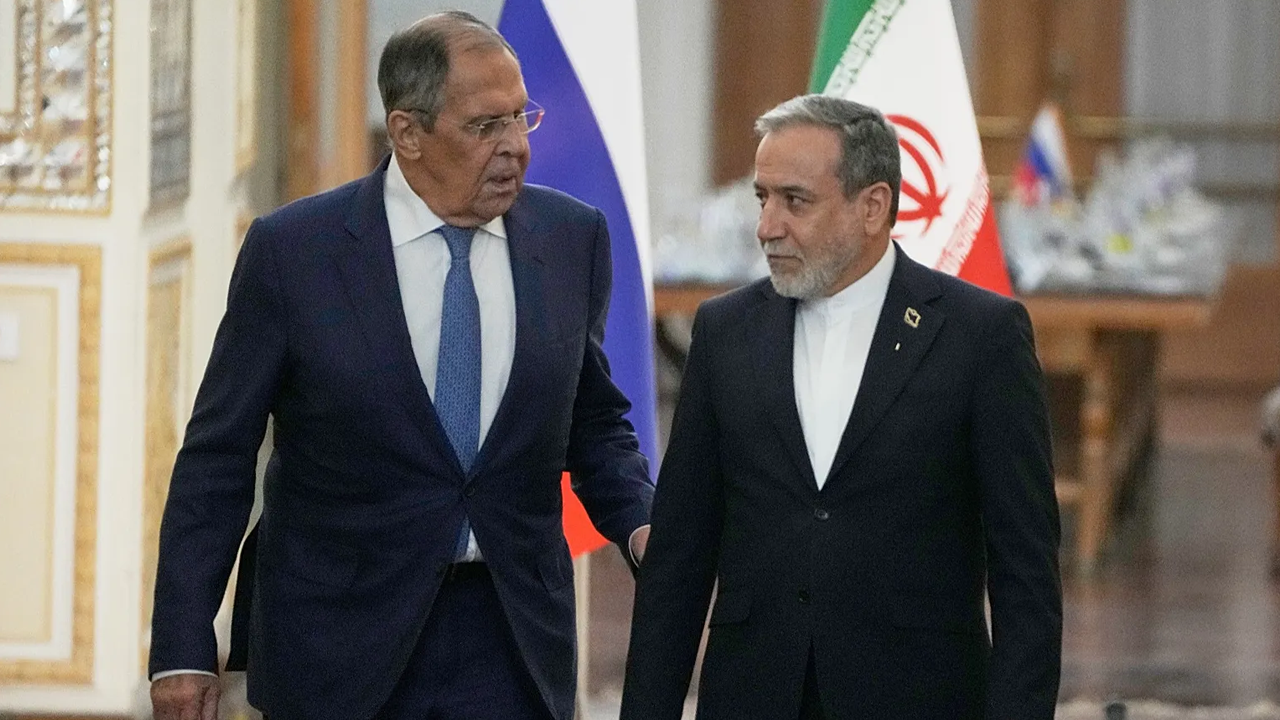
Darwin, October 20: Moscow has reaffirmed its full support for Tehran just hours after US President Donald Trump remarked that Russia was doing very little…

Darwin, October 19: Former Manchester City manager Pep Guardiola has urged the world not to forget the Palestinians in Gaza. In a video for the…