Darwin, 10 April: Brazil-based independent military analyst, Patrícia Marins, has challenged the figures and estimates provided by Western intelligence agencies regarding Iran’s missile stockpile.
She claims that the Islamic Republic of Iran currently possesses more than 17,000 ballistic and cruise missiles—far exceeding the numbers cited by Western countries.
In a post on X (formerly Twitter), Marins stated that, based on data she collected during last year’s 12-day conflict, Iran’s total missile inventory stood at around 20,000.
This included approximately 7,000 to 8,000 ballistic missiles and 12,000 to 13,000 cruise missiles.
In her analysis, Marins noted that Iran began mass production of ballistic missiles in the early 1990s with the “Shahab-2” program.
Later, between 2004 and 2008, the “Shahab-3” was produced. While early models had limitations in precision targeting, Iran launched a modernization program in 2015.
Under this initiative, thousands of older missiles were upgraded with improved guidance systems and warheads, and are still maintained in reserve.
According to Marins, if Iran has produced even 100 missiles per model annually, its stockpile would have surpassed 17,000 over the past 15 years.
She further stated that by around 2010, Iran was producing at least 12 different missile models. Since 2015, production has continued on at least 8 to 12 models with ranges exceeding 1,000 kilometers.
These include cruise missiles such as “Soumar” and “Meshkat,” as well as solid-fuel ballistic missiles like “Emad” and “Sejjil,” some of which have ranges exceeding 2,000 kilometers—capable of striking targets in occupied territories.
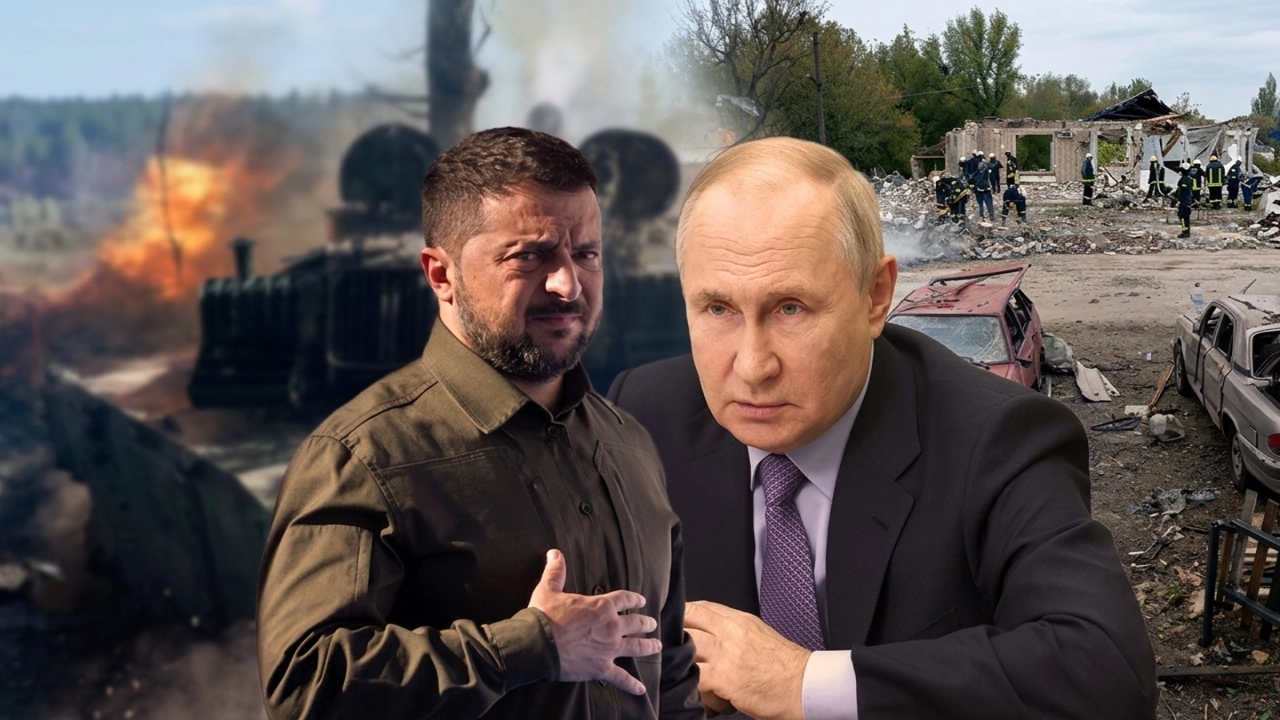
Marins dismissed Western think tank estimates of around 2,500 missiles as “unreasonable.” Drawing a comparison, she noted that Russia, despite being engaged in a full-scale war with Ukraine, is producing roughly 2,500 precision missiles annually.
In contrast, she argued, it is implausible that a country dedicated to missile production for over three decades would possess only 2,500 missiles.
The report also stated that Iran has developed a robust defense ecosystem, comprising more than 300 specialized companies in the missile sector, along with over 6,500 knowledge-based institutions across the broader defense industry.
Marins’ new estimates have sparked renewed debate over military balance and geopolitics in the Middle East.