Oil Prices Rise in Global Markets on Fears of Middle East Supply Disruptions
Darwin, October 21: Oil prices rose in global markets on Wednesday as traders grew concerned about potential disruptions to oil supplies in the Middle East,…



Darwin, 13 April:
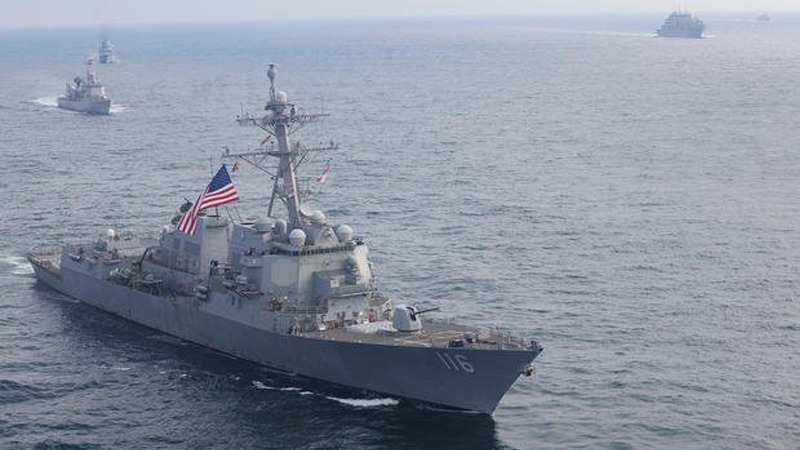
The United States has announced that it will begin a blockade of all Iranian ports starting Monday. The move comes after failed peace talks in Pakistan and is seen as the latest step to increase pressure on Tehran.
In a statement, the U.S. Central Command (CENTCOM) said that from 10:00 a.m. Eastern Time on April 13, all maritime traffic entering and exiting Iranian ports will be subject to the blockade.
This includes ships of all countries operating in and out of Iranian ports in the Persian Gulf and the Gulf of Oman.
However, CENTCOM clarified that vessels transiting the Strait of Hormuz to and from non-Iranian ports will not have their “freedom of navigation” obstructed. This suggests a partial retreat from President Donald Trump’s earlier threat to block the entire strait.
Journalist Heidi Zhou-Castro, reporting from Washington, DC, said “there are many questions” and pointed to “conflicting information” coming from the U.S. side.
She noted, “Trump said all ships entering or leaving the strait would be targeted. But CENTCOM is saying only vessels going to or from Iranian ports will be targeted.”
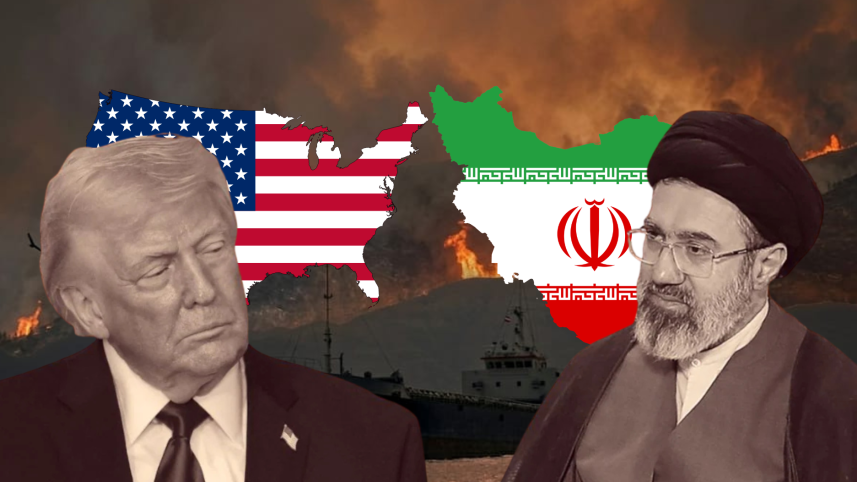
Meanwhile, Trump said he “does not care” whether Iran returns to negotiations, claiming that peace talks in Islamabad, Pakistan failed because Tehran refused to give up its “nuclear ambitions.”
Iran, however, says both sides were “very close” to an agreement, but at the last moment the U.S. increased demands and changed conditions.
Following the blockade threat, U.S. crude oil prices rose by 8 percent to $104.24 per barrel, while Brent crude rose 7 percent to $102.29 per barrel.
Since the war between the United States and Israel against Iran began on February 28, Iran has effectively taken control over the Strait of Hormuz, a vital chokepoint for global energy supply.
A large portion of the world’s oil and liquefied natural gas passes through this route. Shipping traffic has significantly declined, disrupting nearly one-fifth of global energy flows.
Iran continues to operate its own vessels and allows limited passage for ships from other countries. Iranian officials are also reportedly considering introducing a toll system after the conflict ends.
In response to Trump’s blockade threat, the Islamic Revolutionary Guard Corps (IRGC) said that any approaching military vessels would be considered a violation of the U.S.–Iran ceasefire, which is supposed to remain in effect until April 22, and will be “dealt with severely.”
The blockade announcement is believed to have been triggered by the failure of talks in Islamabad, raising fears of renewed conflict.
Iranian officials have blamed the United States for the failure of negotiations. Foreign Minister Abbas Araghchi said that when a memorandum of understanding was close to completion, the U.S. side changed its position and obstructed progress.
Zohreh Kharazmi, an associate professor at the University of Tehran, said the U.S. is “not in a position to dictate” how Iranians should behave or decide which vessels may pass.
She added that if this blockade becomes a contest between the resilience of the Islamic Republic and the global market, it will quickly become clear who is losing, adding that Iran is “prepared for a prolonged war.”
“Technically, they (the U.S.) cannot control the situation. Hollywood-style strategies cannot win this battlefield.”
Darwin, October 21: Oil prices rose in global markets on Wednesday as traders grew concerned about potential disruptions to oil supplies in the Middle East,…
Darwin, October 21: Iran is prolonging negotiations with Washington in an attempt to politically weaken President Donald Trump ahead of the US midterm elections, according…

Darwin, October 21: Today is the auspicious occasion of Bijaya Dashami. The five-day Sharadiya Durga Puja, the biggest religious festival of the Hindu community, officially…

Darwin, October 20: Today is Maha Navami, the ninth day of Sharadiya Durga Puja. Members of the Hindu community will observe the day through religious…

Darwin, October 20: Protests and violence over the rising cost of living have erupted in Italy, one of Europe’s largest economies, following similar unrest in…
Darwin, October 20: US President Donald Trump has warned that protests and violence similar to those in France could spread across the United States if…
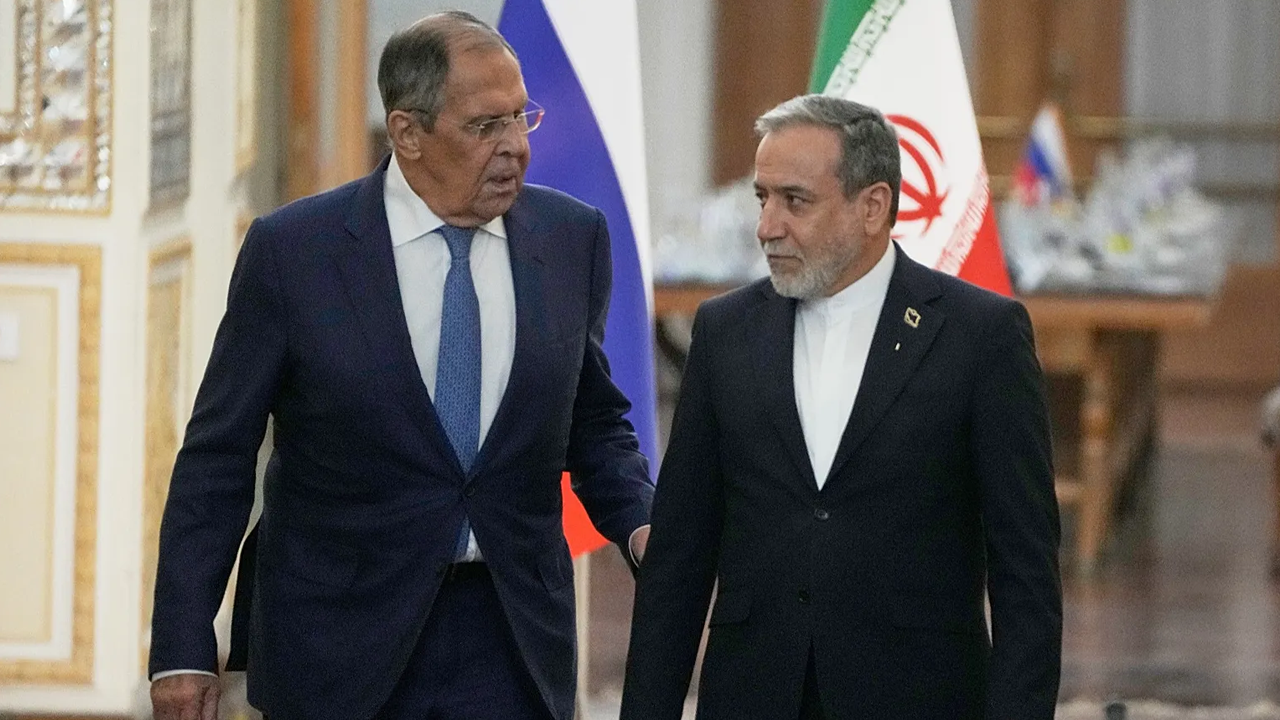
Darwin, October 20: Moscow has reaffirmed its full support for Tehran just hours after US President Donald Trump remarked that Russia was doing very little…

Darwin, October 19: Former Manchester City manager Pep Guardiola has urged the world not to forget the Palestinians in Gaza. In a video for the…