Oil Prices Rise in Global Markets on Fears of Middle East Supply Disruptions
Darwin, October 21: Oil prices rose in global markets on Wednesday as traders grew concerned about potential disruptions to oil supplies in the Middle East,…



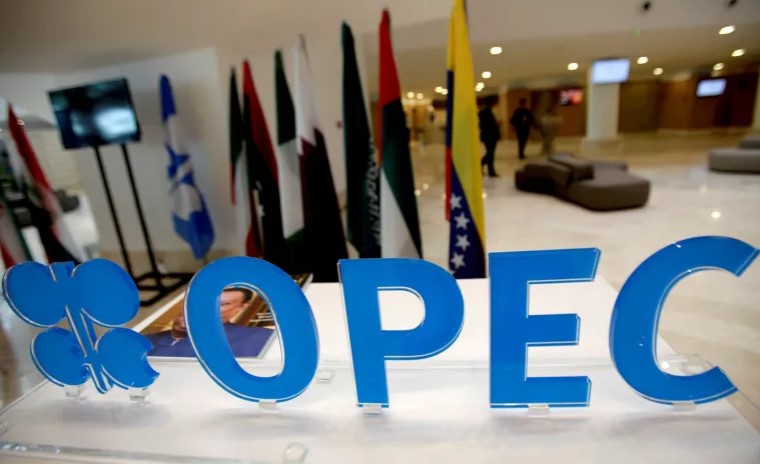
Darwin 29 April : Amid a wartime global energy crisis, the United Arab Emirates has announced its decision to leave the oil-producing alliances OPEC and OPEC Plus.
According to Al Jazeera, the announcement came suddenly on Tuesday local time. However, there was no immediate response from the OPEC secretariat regarding the decision.
Due to the ongoing Iran war, global energy supplies are already highly uncertain. Analysts believe that the UAE’s move could have a significant impact on the alliance.
Experts suggest that political and strategic considerations are behind this decision. Anwar Gargash, diplomatic adviser to the UAE president, criticized neighboring Arab states at an event, stating that neither the Arab League nor the Gulf Cooperation Council (GCC) had taken adequate steps to protect the UAE amid repeated attacks by Iran.
Gargash added, “Although GCC countries provide each other with logistical support, their political and military positions are at their weakest point in history. I expected such weakness from the Arab League, but not from the GCC.”
Meanwhile, former U.S. President Donald Trump has long criticized OPEC, accusing it of artificially inflating oil prices and exploiting global markets. He argued that while the United States provides security to OPEC members, they take advantage by selling oil at higher prices.
In this context, the UAE’s decision to leave the alliance poses a major challenge to OPEC’s effectiveness. It could impact not only the global oil market but also reshape diplomatic dynamics among Middle Eastern countries.
Darwin, October 21: Oil prices rose in global markets on Wednesday as traders grew concerned about potential disruptions to oil supplies in the Middle East,…
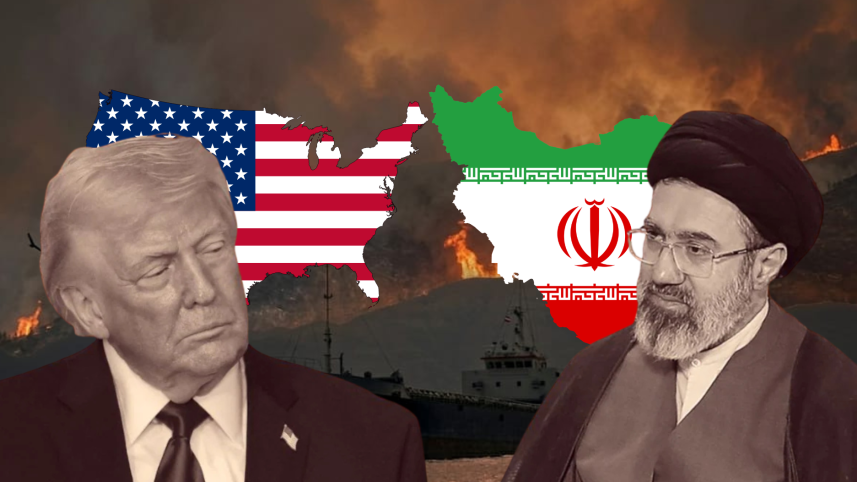
Darwin, October 21: Iran is prolonging negotiations with Washington in an attempt to politically weaken President Donald Trump ahead of the US midterm elections, according…

Darwin, October 21: Today is the auspicious occasion of Bijaya Dashami. The five-day Sharadiya Durga Puja, the biggest religious festival of the Hindu community, officially…

Darwin, October 20: Today is Maha Navami, the ninth day of Sharadiya Durga Puja. Members of the Hindu community will observe the day through religious…

Darwin, October 20: Protests and violence over the rising cost of living have erupted in Italy, one of Europe’s largest economies, following similar unrest in…
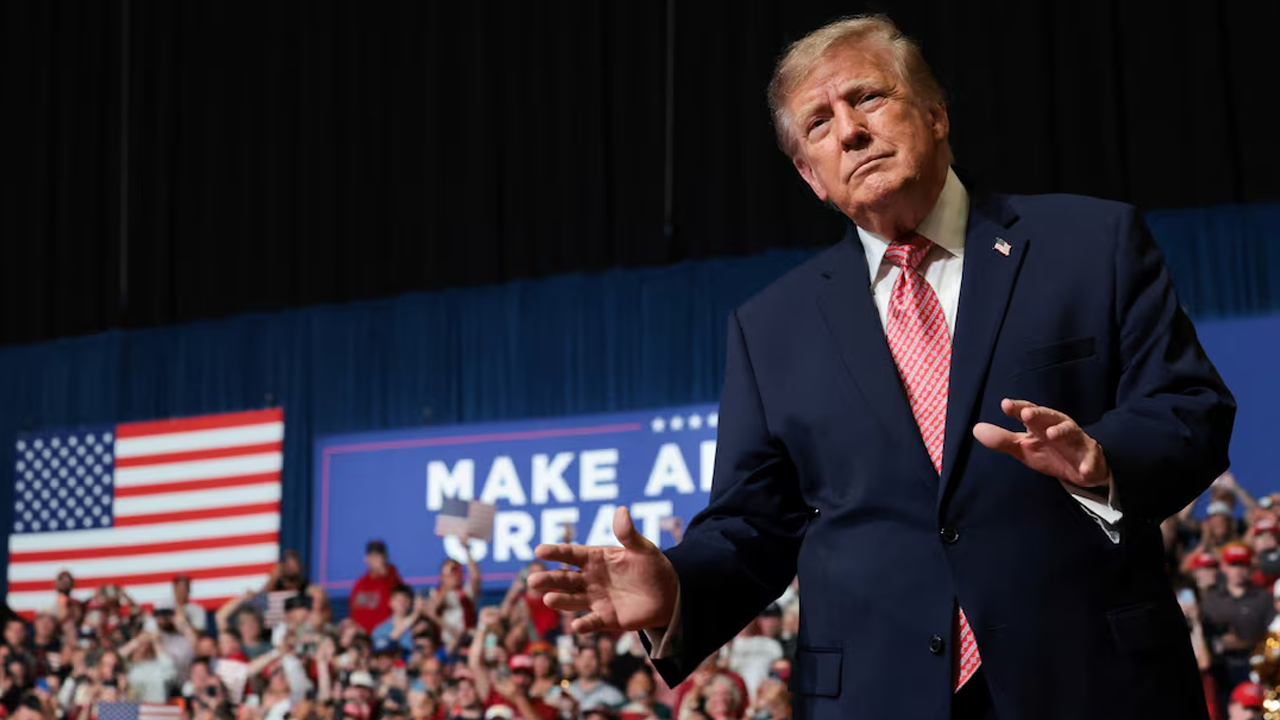
Darwin, October 20: US President Donald Trump has warned that protests and violence similar to those in France could spread across the United States if…
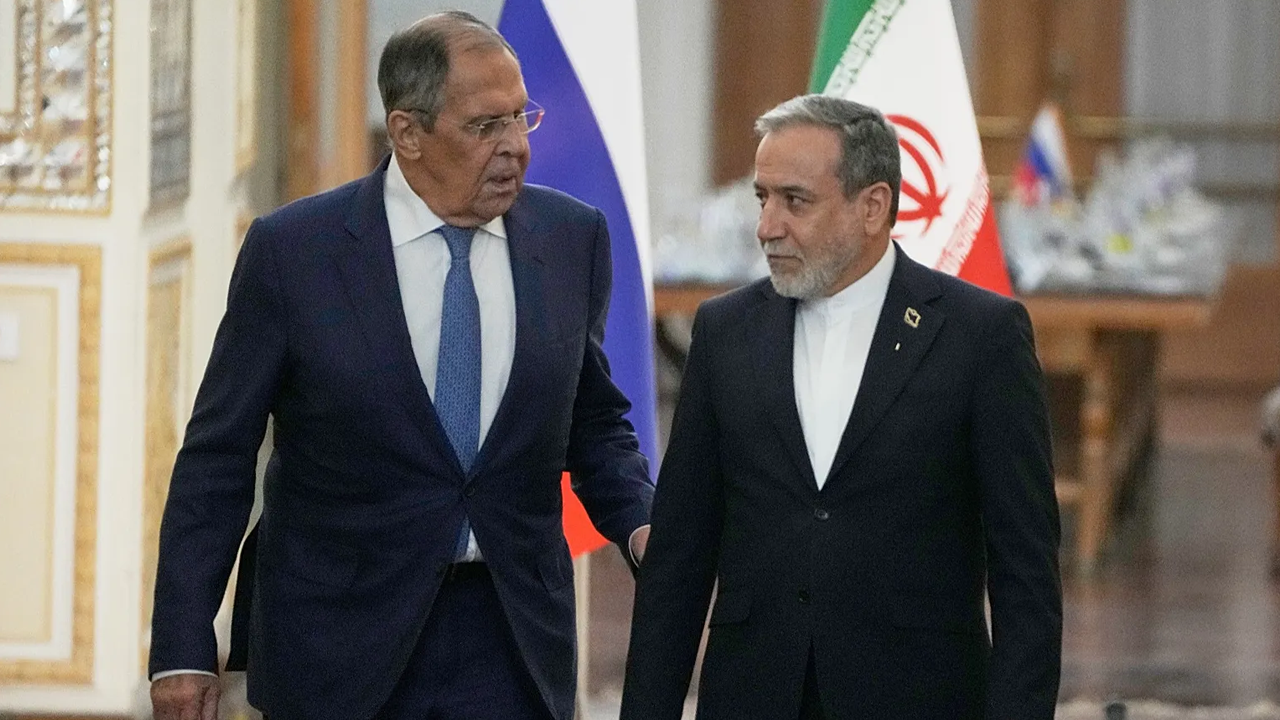
Darwin, October 20: Moscow has reaffirmed its full support for Tehran just hours after US President Donald Trump remarked that Russia was doing very little…

Darwin, October 19: Former Manchester City manager Pep Guardiola has urged the world not to forget the Palestinians in Gaza. In a video for the…