Saudi Arabia’s Dammam Airport Comes Under Attack
Darwin, October 12: Saudi Arabia’s Civil Aviation Authority has confirmed an attack on Dammam Airport in the country’s Eastern Province. The confirmation came shortly after…



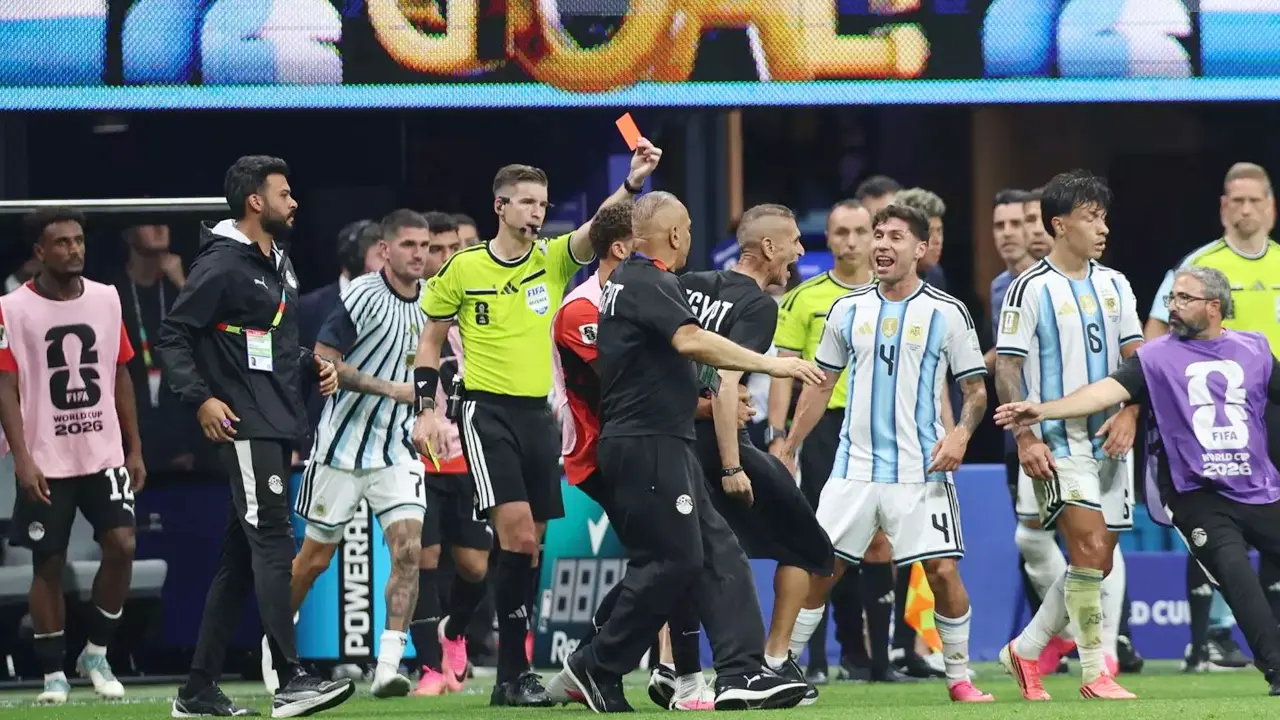
Sports Desk : Refereeing decisions at the ongoing FIFA World Cup have sparked widespread debate, with the Round of 16 clash between Argentina and Egypt emerging as one of the tournament’s most controversial matches. Egyptian players and head coach Hossam Hassan accused French referee François Letexier and FIFA of influencing the outcome in Argentina’s favor. FIFA has now officially responded, firmly rejecting those allegations.
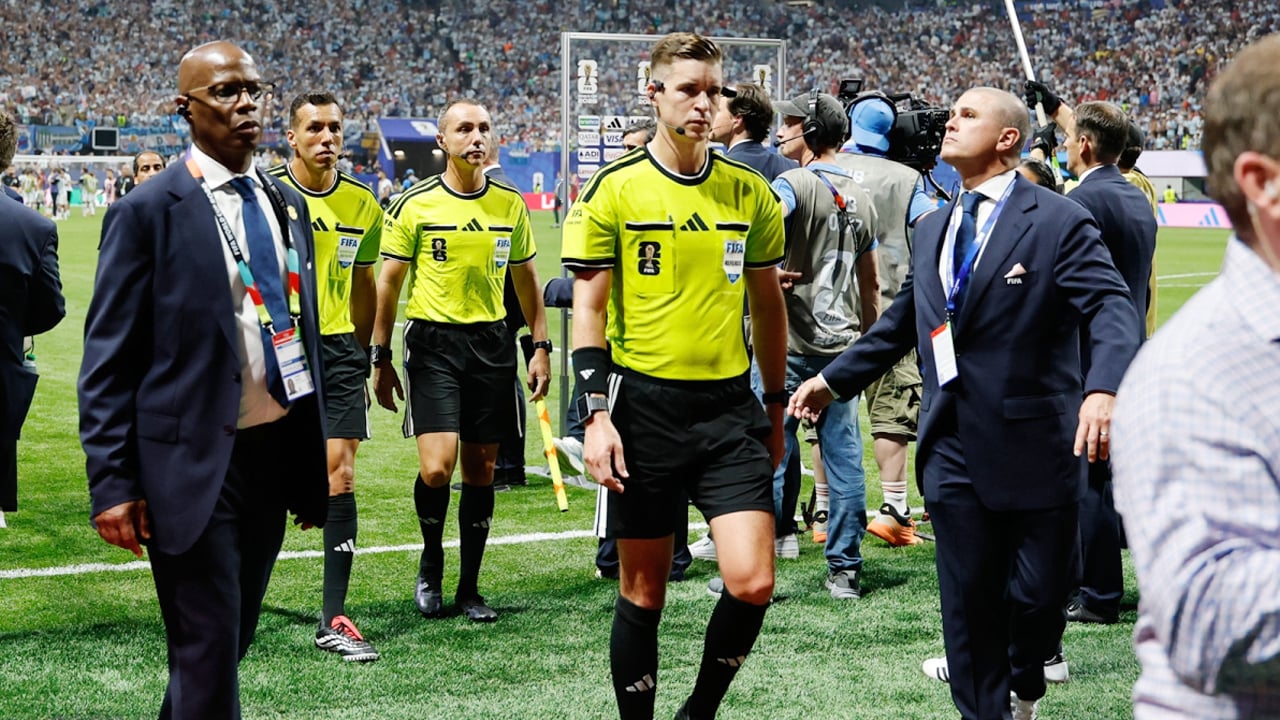
Argentina staged a remarkable comeback from 2-0 down after 78 minutes to defeat Egypt 3-2 and secure a place in the quarter-finals. The controversy centered on a disallowed Egyptian goal and a late challenge that Egypt believed should have resulted in a foul, prompting strong criticism from Hassan after the match.
FIFA’s Chief Refereeing Officer, Pierluigi Collina, dismissed the accusations in an interview published on FIFA’s official website, insisting that referees operate independently and that not even FIFA President Gianni Infantino can influence their decisions.
“Eight major matches remain in this World Cup. Overall, we are satisfied with the standard of officiating,” Collina said. “With so many matches played in a short period, some situations may not unfold exactly as planned, which is normal. Our officials continue working hard to improve for every game.”
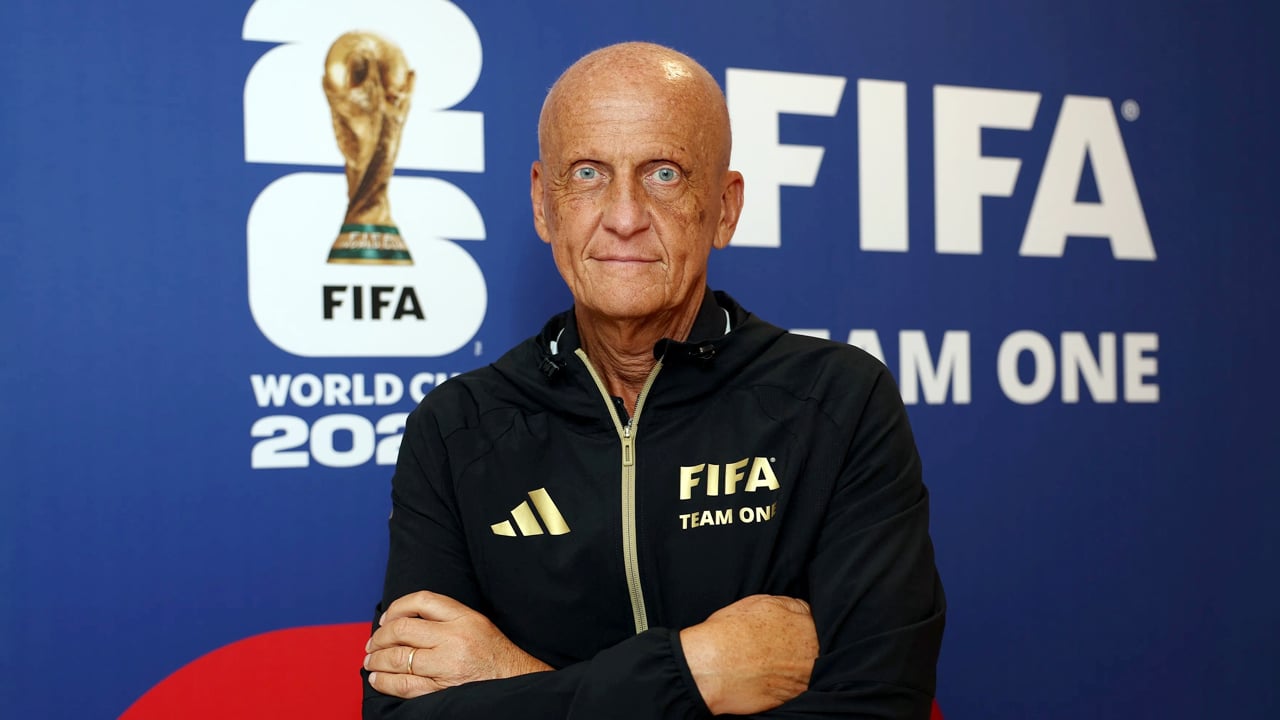
Chief Refereeing Officer, Pierluigi Collina.
Collina acknowledged that refereeing decisions will always be open to constructive debate but strongly condemned allegations questioning the integrity of match officials.
“Constructive discussion about refereeing decisions is part of football, but baseless accusations have no place,” he said. “Questioning the integrity of FIFA World Cup match officials can create reactions that put referees and even their families at risk. That is completely unacceptable.”
He also stressed that FIFA’s refereeing department works independently.
“No one can claim that FIFA’s refereeing operations are influenced by anyone, not even FIFA President Gianni Infantino,” Collina said. “He has always fully supported Team One, our elite referees, and trusted us to operate independently. Match officials make honest decisions and, like players and coaches, always strive to perform at their best.”
Collina explained that FIFA generally avoids commenting on specific incidents while a tournament is in progress but addressed the VAR procedures following the recent controversy.
He said every goal is automatically reviewed by the Video Assistant Referee (VAR), which examines the entire Attacking Possession Phase (APP). If a foul is detected before a goal and is deemed to have influenced the scoring sequence, VAR can recommend an on-field review. There is no fixed limit on how far back in the attacking move or how much time may have elapsed before the goal.
Referring directly to the Argentina-Egypt match, Collina said Egypt’s No. 19 Marwan Attia clearly stepped on the foot of Argentina defender Lisandro Martínez before one of Egypt’s goals.
“In our view, a foul is a foul,” he said. “Whether it appears obvious or less obvious, if the referee misses it on the field, VAR can intervene.”
He also addressed the late incident involving Egypt captain Mohamed Salah and Argentina forward Julián Álvarez, explaining that both the referee and VAR considered it a normal football challenge because the defender had played the ball first before the subsequent contact.
“There will always be an element of subjective judgment in some decisions,” Collina added. “However, we are satisfied with the consistent application of these principles throughout the tournament.”

Darwin, October 12: Saudi Arabia’s Civil Aviation Authority has confirmed an attack on Dammam Airport in the country’s Eastern Province. The confirmation came shortly after…

Darwin, October 12 : A fresh attack has reportedly targeted King Khalid International Airport in Riyadh, the capital of Saudi Arabia, killing one Pakistani national…
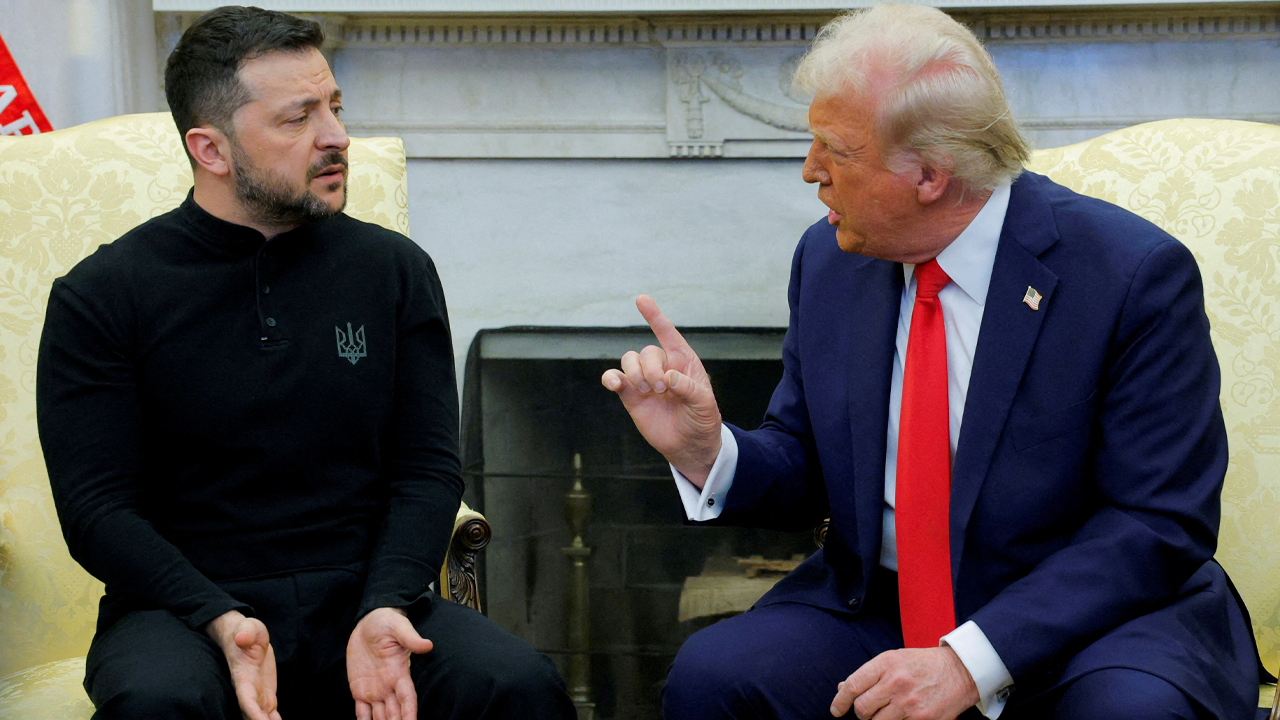
Darwin, October 11: US President Donald Trump has called for a new presidential election in Ukraine, suggesting that Volodymyr Zelenskyy has failed to seize opportunities…

Darwin, October 11: At least 12 people have been killed in an attack by Yemen’s Iran-backed Houthi armed group on King Khalid International Airport in…
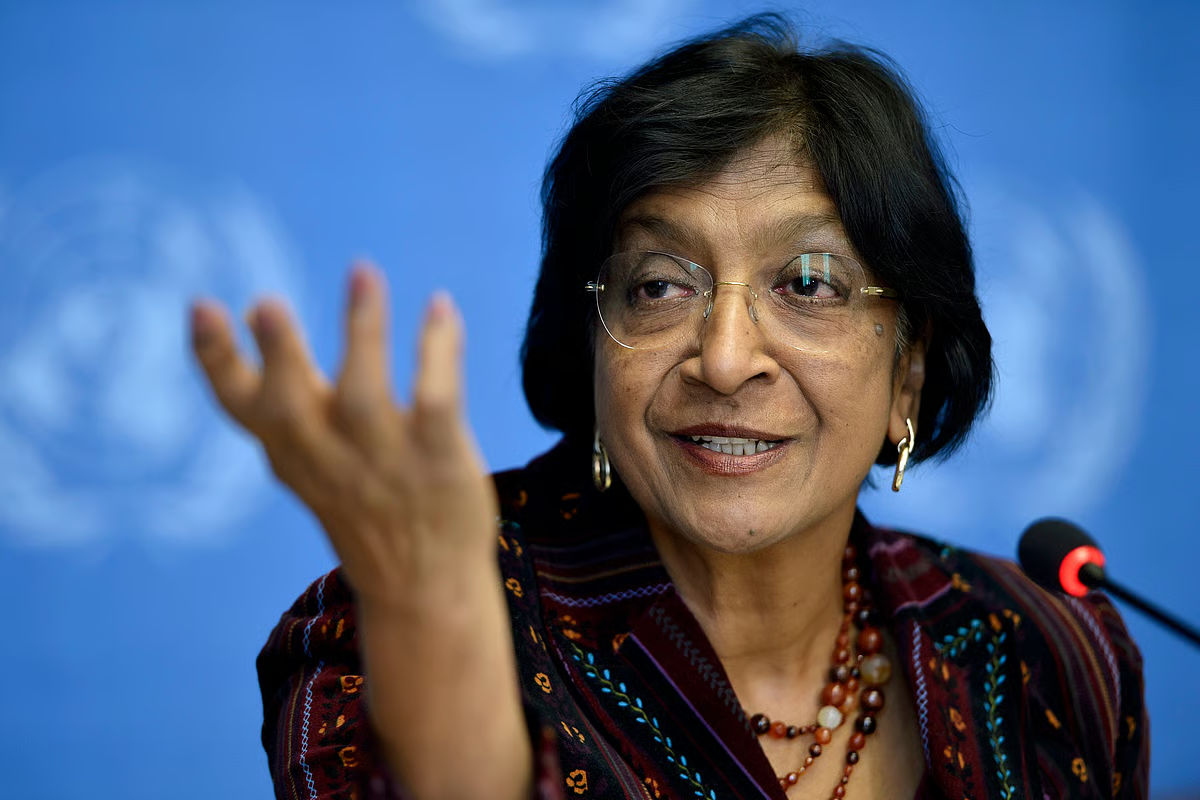
Darwin, October 09: Navanetham “Navi” Pillay, a South African jurist who led a United Nations investigative commission that described Israel’s actions in Gaza as genocide,…
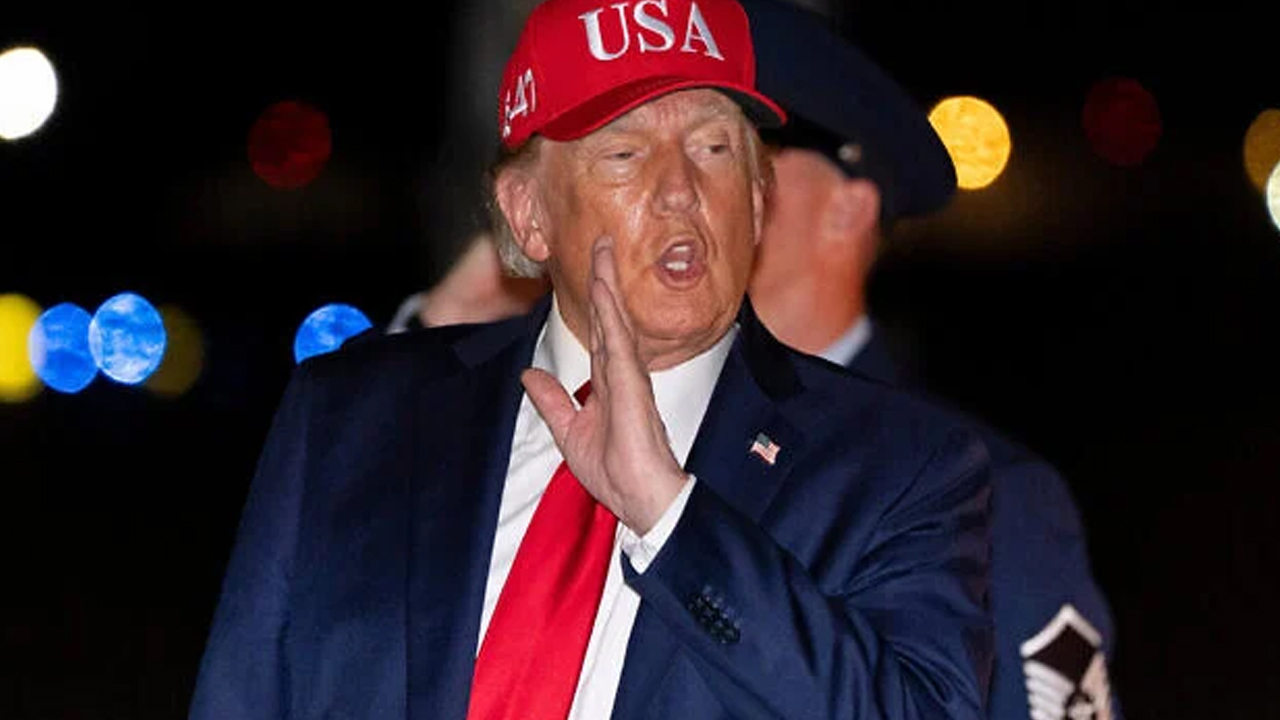
Darwin, October 08: U.S. President Donald Trump said on Wednesday that he deserves to win the Nobel Peace Prize, while expressing doubts that he would…
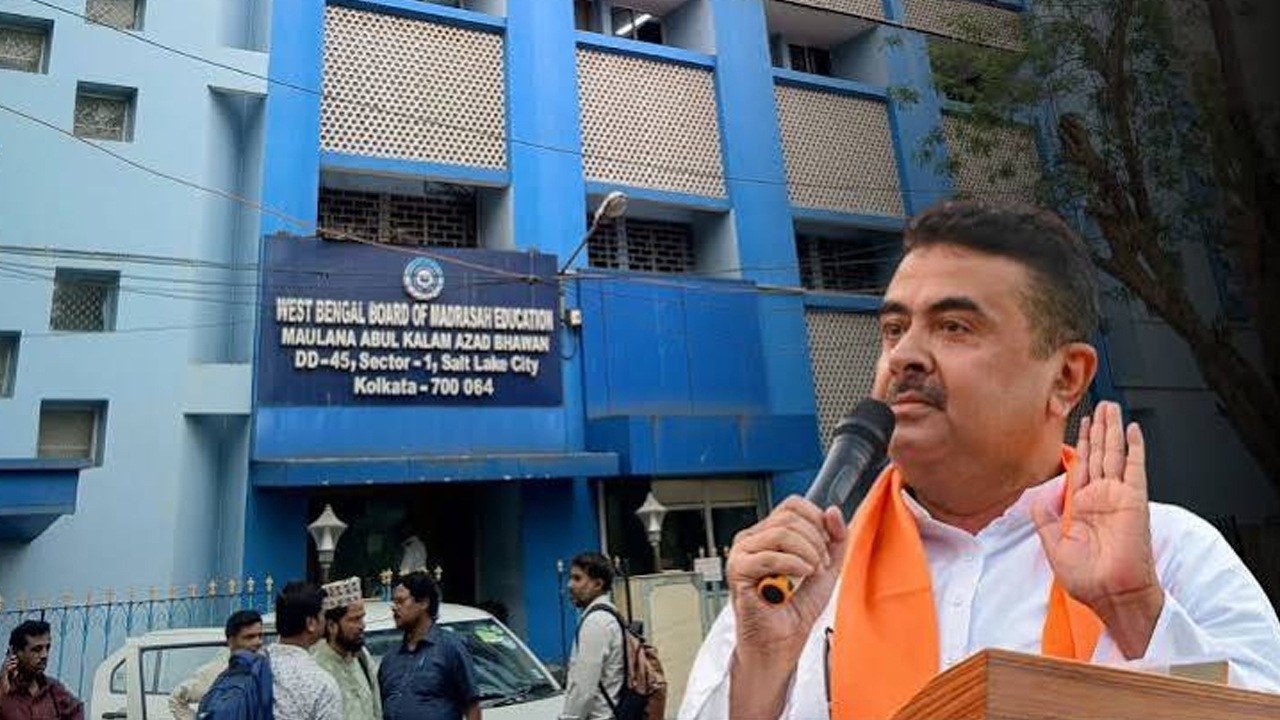
ডারউইন, অক্টোবর ০৮: ভারতের পশ্চিমবঙ্গ রাজ্যে শিক্ষা ব্যবস্থায় বড়সড় বদলের খবর জানালেন মুখ্যমন্ত্রী শুভেন্দু অধিকারী। তার মতে, শিক্ষক নিয়োগে সমতা আনতে পশ্চিমবঙ্গ রাজ্যে আনুষ্ঠানিকভাবে বিলুপ্ত…
Darwin, October 07: Lionel Messi’s final match in international football, if this indeed was his last, was just like the man himself—filled with goals, assists, and…