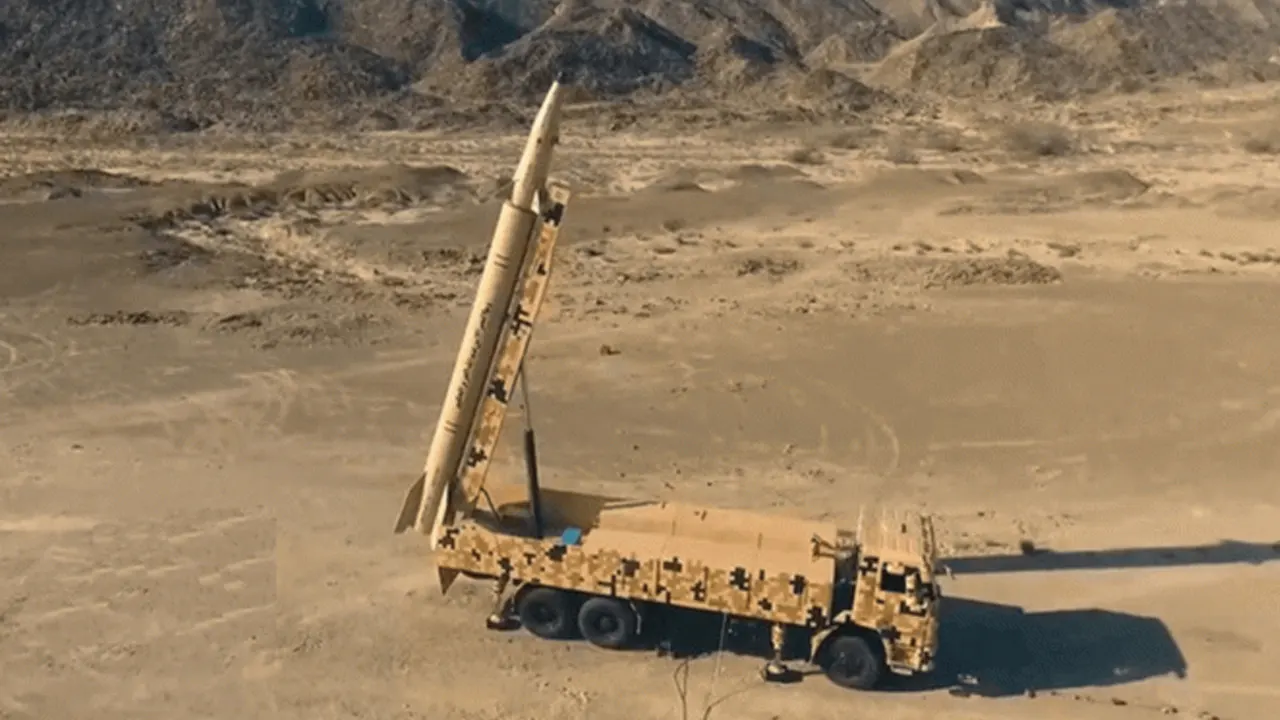
Darwin, 27 July : Iran’s Kheibar Shekan ballistic missile has emerged as one of Tehran’s most effective weapons in recent conflicts, posing a growing challenge to the United States and its allies due to its mobility, relatively low production cost and ability to penetrate advanced air defence systems.
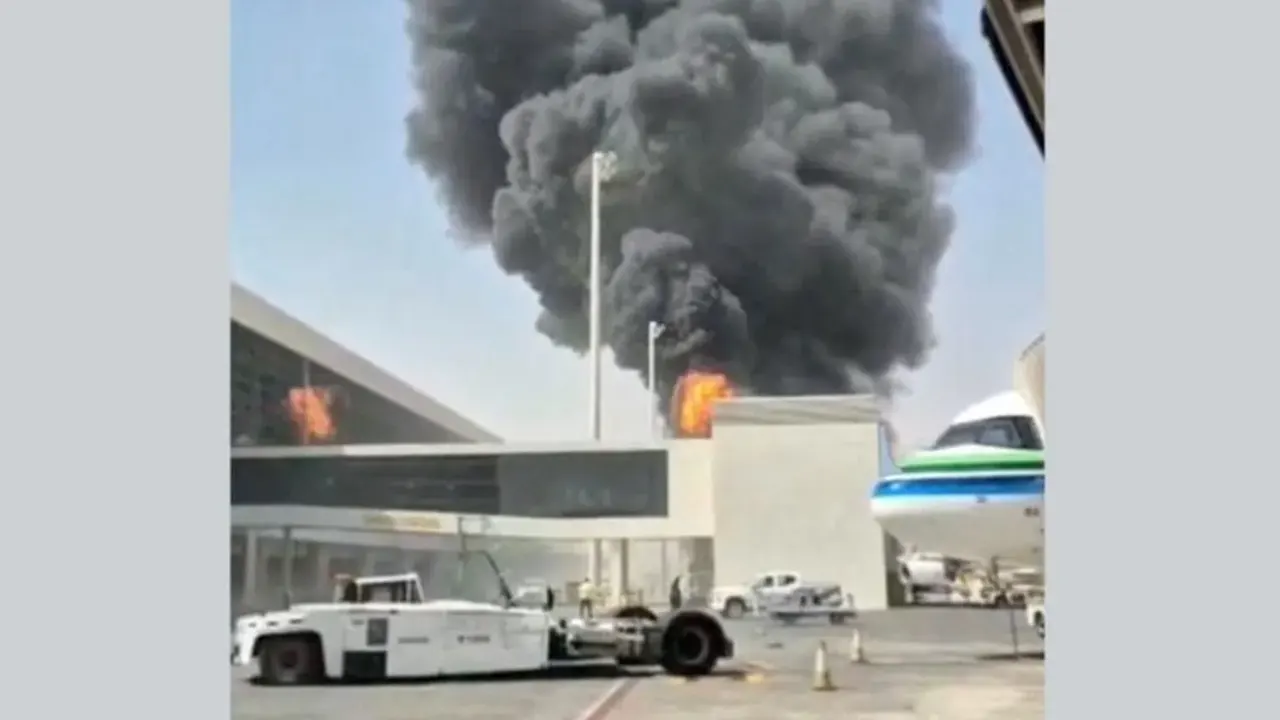
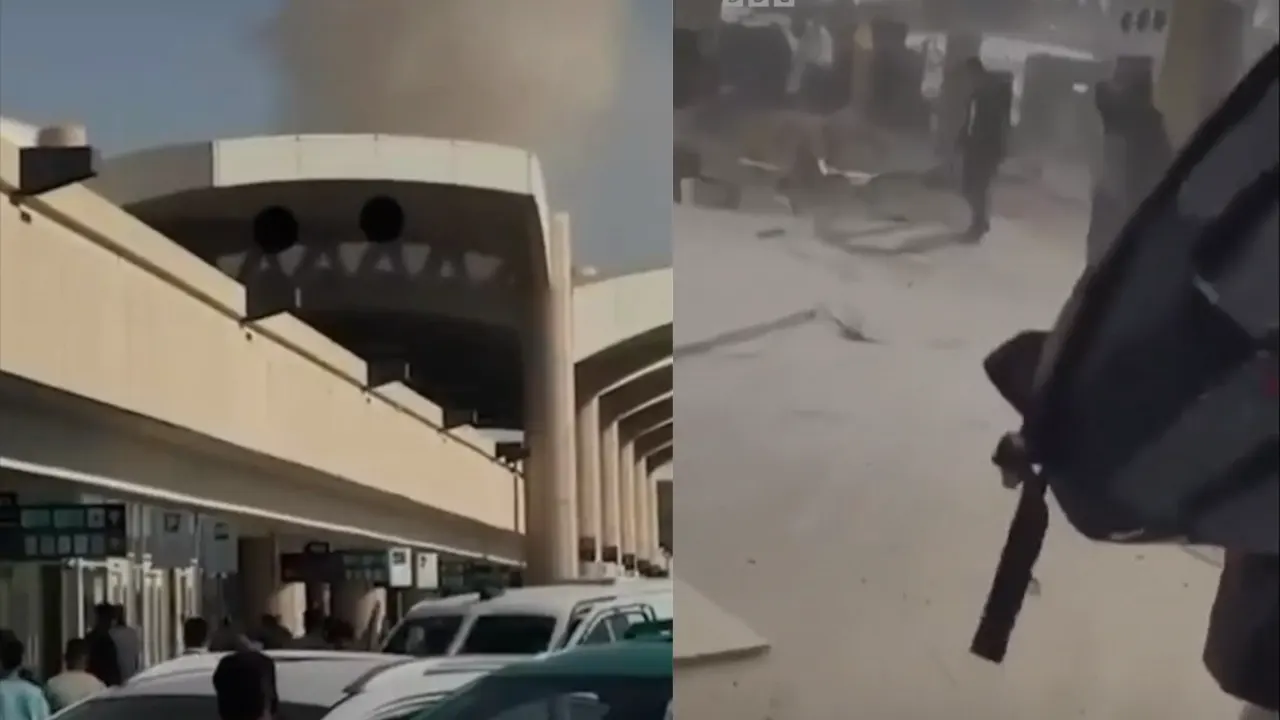
During the latest hostilities, Iran reportedly used the missile repeatedly in attacks targeting US military bases. According to US officials, Tehran has been launching coordinated waves of ballistic missiles and drones using different flight paths, speeds and tactics in an effort to overwhelm and confuse missile defence systems.
While the United States says most Kheibar Shekan missiles were intercepted before reaching their targets, officials acknowledge that several managed to penetrate defensive layers and strike designated locations.
Military analysts say one of the missile’s key advantages is its solid-fuel propulsion. Unlike many of Iran’s older ballistic missiles, which require lengthy pre-launch fuelling, the Kheibar Shekan can be kept ready for immediate use and launched quickly from trucks or mobile launchers, reducing the risk of being destroyed before launch.
Some variants of the missile are reportedly equipped with manoeuvrable warheads that separate from the main missile during the terminal phase of flight, allowing them to alter their trajectory and making interception more difficult.
US officials also say Iran is increasingly combining Kheibar Shekan missiles with high-speed drones and older missile systems in coordinated attacks against the same target, placing additional pressure on air defence networks.
Retired General Joseph Votel, former commander of US Central Command (CENTCOM), said Iran is learning rapidly from battlefield experience and continuously adapting its tactics. He noted that years of investment in drone, missile and rocket technology are now becoming evident in combat.
According to US and Israeli estimates, Iran possessed around 2,000 medium-range ballistic missiles before the conflict, including the Kheibar Shekan. Analysts believe Tehran may still be capable of producing and deploying additional missiles from underground facilities.
Iran expert Nicole Grajewski said the Kheibar Shekan is a valuable asset for Tehran because it is relatively inexpensive to produce, can be launched from a variety of mobile platforms and offers greater accuracy than many of Iran’s earlier missile systems.
Iran has also deployed the Kheibar Shekan against Israel. However, the two sides have presented conflicting accounts of the attacks. Israel says most incoming missiles were intercepted, while Iran claims it successfully struck key military and government facilities. Those claims have not been independently verified.
Another notable aspect of the missile is its cost-effectiveness. Although Iran has not disclosed its production cost, experts estimate that the interceptor missiles used by the US and Israel cost between US$2 million and US$15 million each. Analysts say Tehran’s strategy appears to focus on forcing its adversaries to expend significantly more expensive defensive munitions against comparatively cheaper offensive weapons.
Independent missile analyst Fabian Hinz said Iran is using every round of combat to collect operational data and refine the missile’s tactics and accuracy, seeking more effective ways to overcome modern air defence systems.
Source: The Wall Street Journal