Darwin, 27 July : As part of diplomatic efforts to prevent a full-scale war in the Middle East, the United States has suspended airstrikes on Iran for a second consecutive night. Indirect communication and negotiations between Washington and Tehran also continued on Sunday. Meanwhile, Ukraine carried out a long-range drone strike on an Iranian commercial vessel in the Caspian Sea.
After nearly five months of conflict, U.S. President Donald Trump is keeping both diplomatic negotiations and military options on the table. Against this backdrop, Israeli Prime Minister Benjamin Netanyahu is scheduled to meet Trump at the White House on Tuesday. However, Netanyahu strongly opposes Washington’s ongoing efforts to reach a diplomatic understanding with Iranian leaders.
Israel is expected to hold a general election in October. Ahead of the vote, Netanyahu is under intense political pressure to demonstrate success in military operations against Iran and Lebanon’s Hezbollah. On the other hand, following the collapse of a previous ceasefire brokered by Trump, U.S. forces conducted heavy strikes on Iran for nearly two weeks. However, with military stockpiles reportedly running dangerously low, Trump has temporarily halted further attacks.
Following the U.S. decision to pause its strikes, Tehran announced on Sunday that it would also temporarily suspend retaliatory attacks against American allies in the Middle East. Iranian military spokesman Mohammad Akraminia stated, “The Americans have halted their attacks over the past two days. Our strategy is based on responding to aggression, so we have also temporarily suspended our operations.”
On Sunday, senior diplomats from Iran and Oman discussed reopening the Strait of Hormuz, through which nearly 20 percent of the world’s oil and gas supplies are transported. While acknowledging ongoing communication with U.S. representatives, Iran insisted that it should have the authority to determine which vessels may pass through the waterway and to collect transit fees. Iranian Foreign Ministry spokesman Esmail Baghaei said that international mediators are working to prevent further escalation.
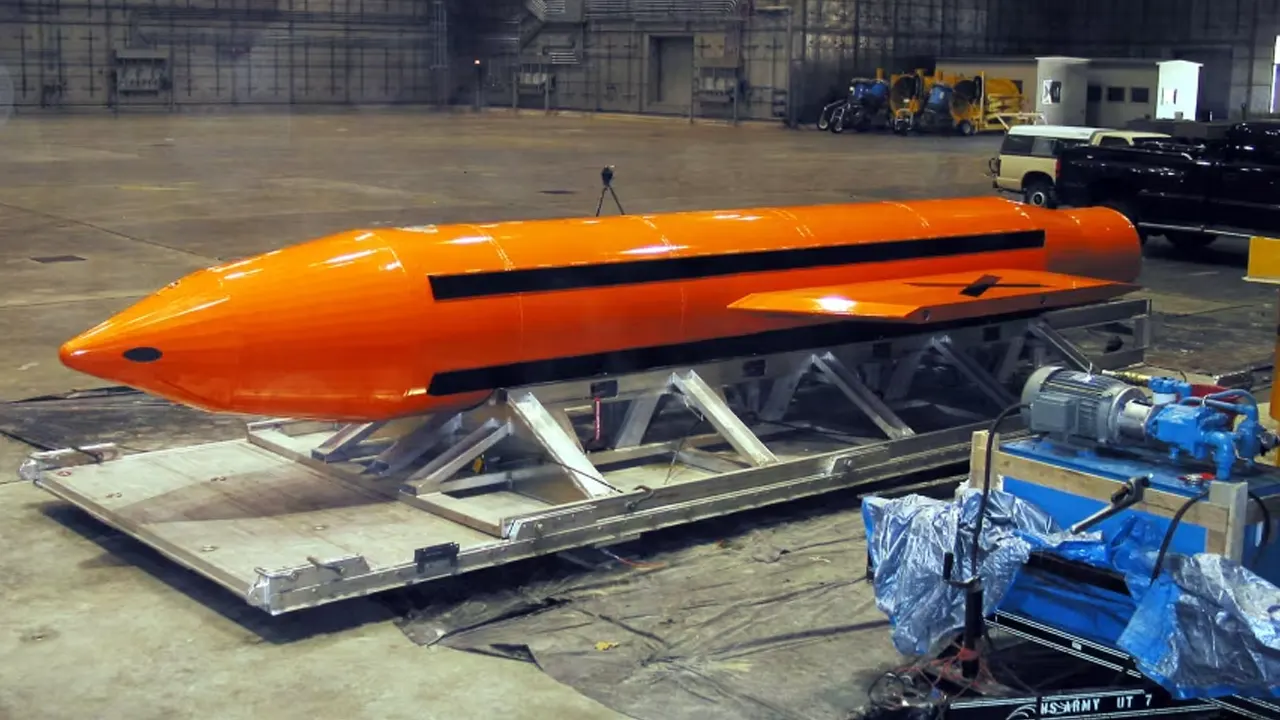
According to U.S. media reports, during an emergency Oval Office meeting on Friday, Vice President J.D. Vance and Chairman of the Joint Chiefs of Staff General Dan Caine warned President Trump about the risks of launching another military campaign. General Caine reportedly said that supplies of Patriot missile interceptors and Tomahawk cruise missiles were being depleted rapidly. Vice President Vance has also remained outspoken in opposing deeper U.S. military involvement in the Middle East.
Netanyahu’s office announced that he will meet with Israel’s security cabinet before departing for Washington on Monday. Netanyahu reportedly played a significant role in persuading Trump to support joint military operations against Iran earlier this year. He wants U.S. negotiators to prioritize Iran’s nuclear and ballistic missile programs, while Washington is placing greater emphasis on keeping the Strait of Hormuz open.
New Tensions in the Caspian Sea: Ukraine’s Drone Strike
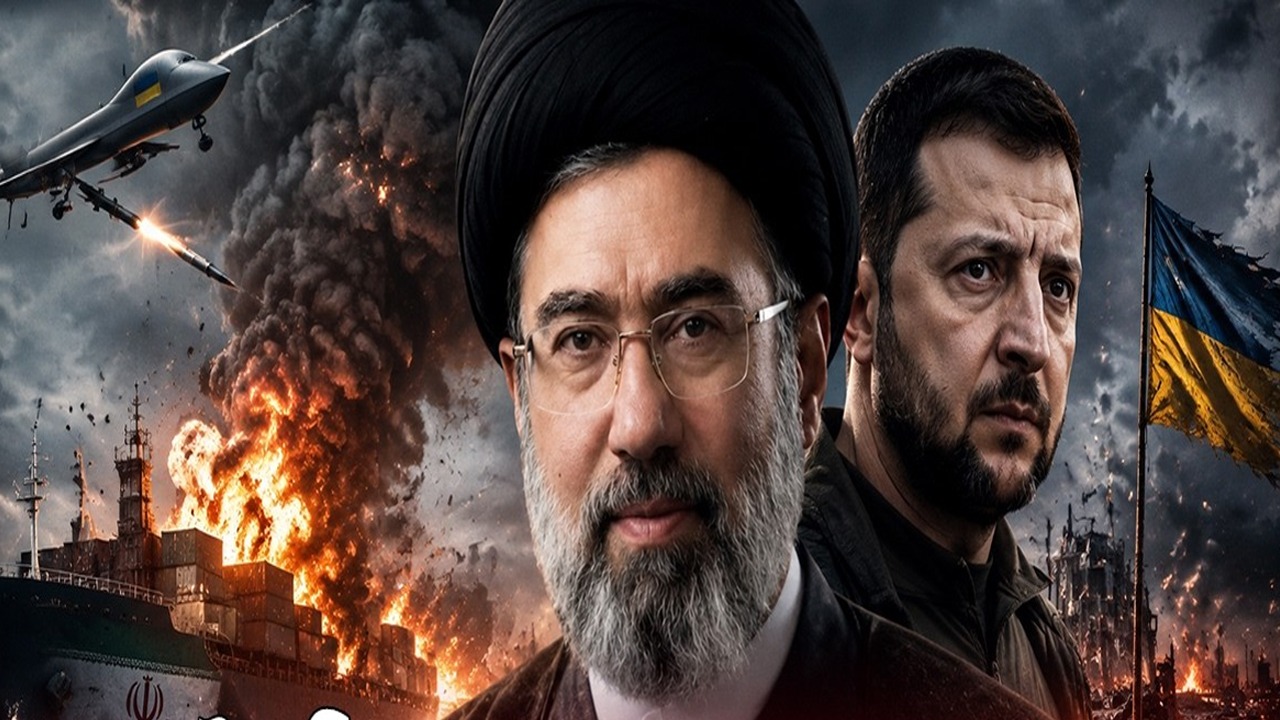
As news emerged that the United States had suspended its strikes on Iran, another conflict took a new turn. Ukraine launched a long-range drone attack on an Iranian commercial vessel in the Caspian Sea, killing one Iranian sailor and injuring another.
Ukraine’s Security Service (SBU) claimed that the sanctioned vessels had been used to transport military equipment between Iran and Russia. Ukrainian President Volodymyr Zelenskyy stated that Kyiv had successfully conducted long-range strikes against an Iran-linked cargo ship and a warship involved in transporting military supplies across the Caspian Sea.
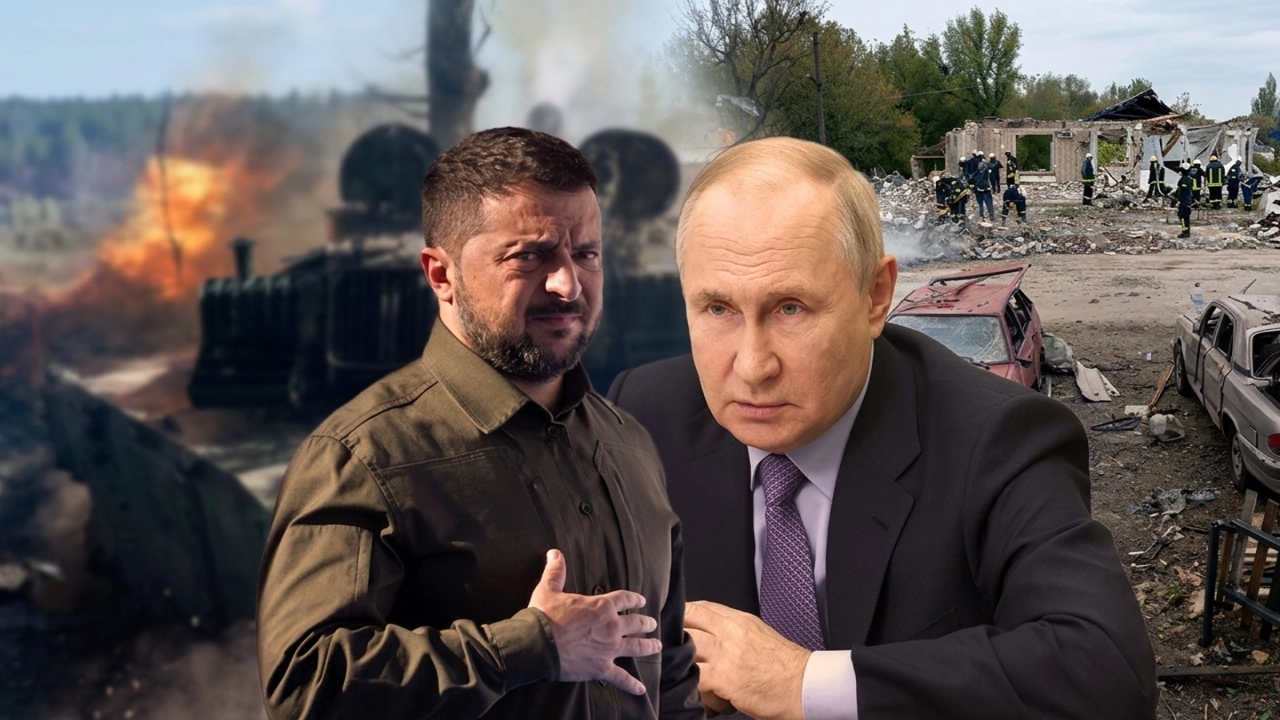
Iran strongly condemned the incident, describing it as a hostile and criminal act. The Iranian Foreign Ministry reiterated that Iran has never intervened in the Russia–Ukraine conflict and summoned Ukraine’s chargé d’affaires in Tehran to protest the attack. Iranian Foreign Minister Abbas Araghchi also spoke with European Union foreign policy chief Kaja Kallas, urging both the European Union and the United Nations Security Council to take firm action in response to the incident.