Darwin, August 09: In 1945, NAGASAKI, August 9, One of the most devastating and tragic events in human history took place in the Japanese port city of Nagasaki on August 9, 1945. Just three days after the first atomic bomb, Little Boy, was dropped on Hiroshima, the United States dropped a second atomic bomb, known as Fat Man, on Nagasaki. The bombing marked a decisive moment in the final and bloodiest chapter of World War II.
The bomb, nicknamed Fat Man, was a plutonium-based implosion-type nuclear weapon. It was more powerful than the uranium-based bomb used against Hiroshima. The bomb was approximately 10.7 feet long and weighed about 10,800 pounds. It was carried by a US B-29 bomber named Bockscar.
Nagasaki was not the original target. The US military’s primary target was Kokura. However, on the morning of August 9, thick clouds and smoke obscured the city, making it difficult for the bomber crew to identify the target clearly. Following the alternative plan, the aircraft headed for Nagasaki.
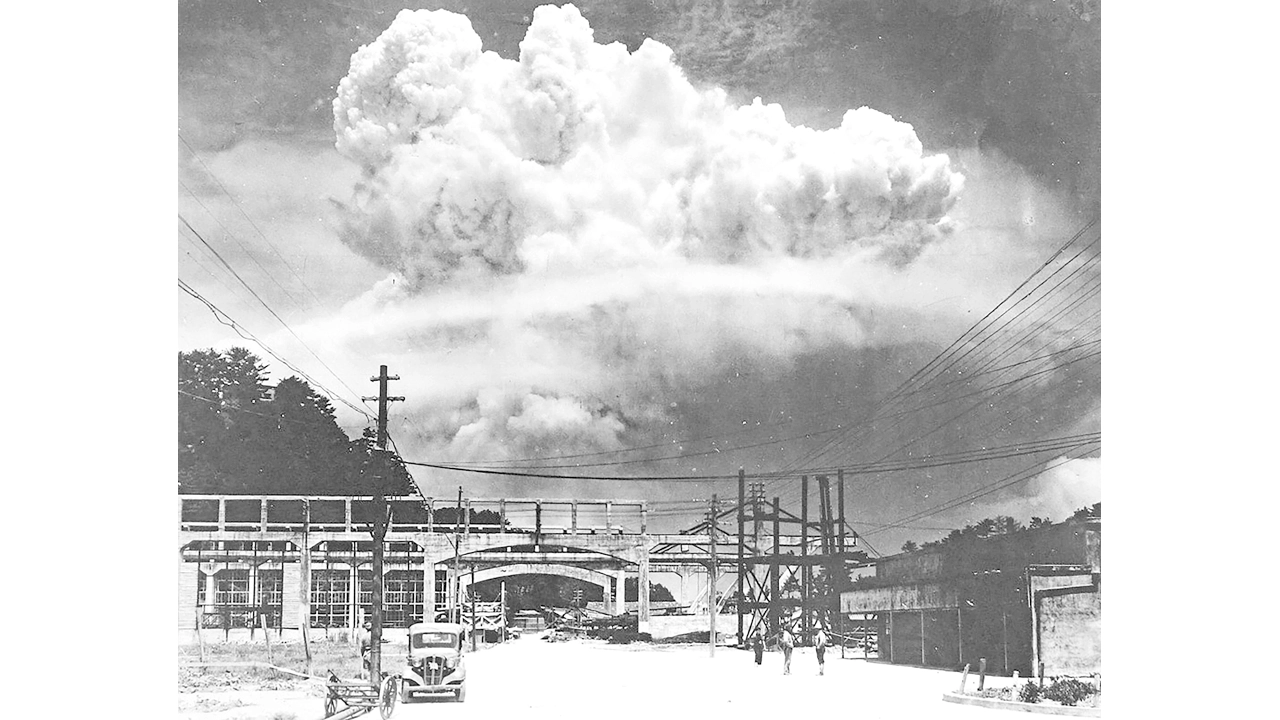
At 11:01 a.m., Fat Man exploded over the Urakami Valley at an altitude of roughly 1,650 feet. The blast released an explosive force equivalent to approximately 21 kilotons of TNT.
The explosion instantly devastated large parts of the city. Extreme heat and a powerful shockwave destroyed buildings, ignited fires and caused widespread death and destruction. An estimated 35,000 to 40,000 people died immediately. In the months that followed, thousands more died from severe burns, injuries and radiation-related illnesses, bringing the estimated death toll to around 70,000 to 80,000.
Nagasaki’s mountainous terrain limited the blast’s destructive reach in some areas, but the humanitarian consequences remained catastrophic. The bombing, together with the Soviet Union’s entry into the war against Japan, placed the Japanese government under immense pressure to surrender.
Six days after the Nagasaki bombing, on August 15, 1945, Emperor Hirohito announced Japan’s surrender to the Allied powers. Japan formally signed the surrender on September 2, bringing World War II to an end.
The bombing of Nagasaki not only helped bring the war to its conclusion but also ushered the world into the nuclear age. The devastation caused by Fat Man became a stark warning about the catastrophic consequences of nuclear weapons. Decades later, Nagasaki remains a powerful symbol of the human cost of nuclear warfare and a lasting call for a world free from nuclear weapons.