Navi Pillay, Who Fought for Gaza, Wins Nobel Peace Prize
Darwin, October 09: Navanetham “Navi” Pillay, a South African jurist who led a United Nations investigative commission that described Israel’s actions in Gaza as genocide,…



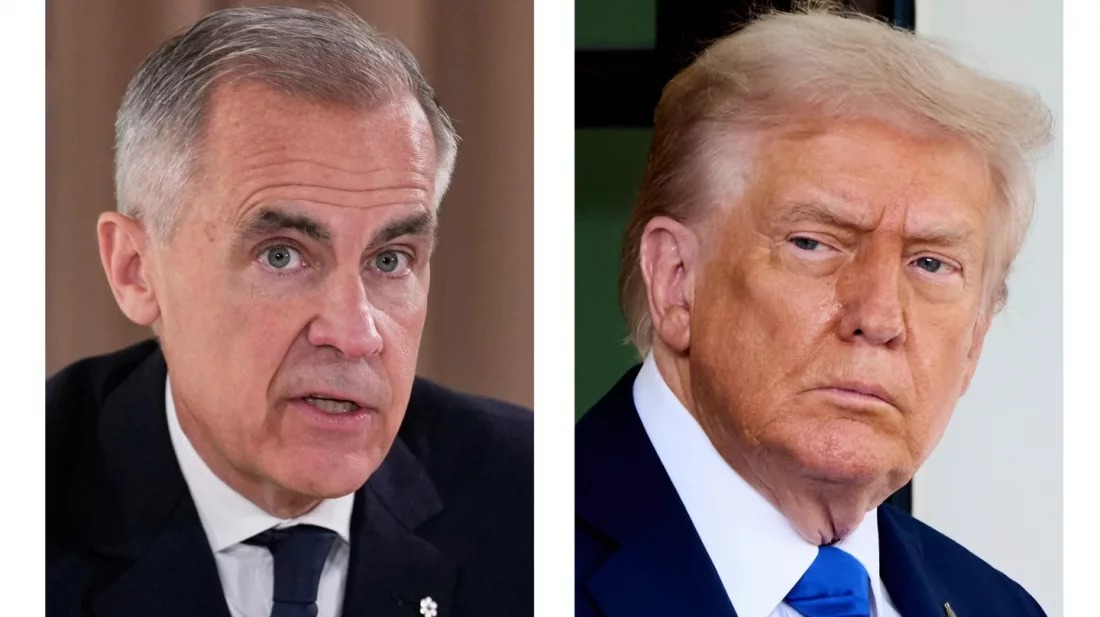
Darwin, 23 August : Trade talks between Washington and Ottawa have collapsed without an agreement, prompting Canadian Prime Minister Mark Carney to reject the latest US proposals as economically unreasonable and unfair. Carney also warned that Canada would soon impose retaliatory tariffs in response to Washington’s measures.
Carney said the new conditions proposed by the United States were unacceptable and would undermine Canada’s broader national interests. Accusing US President Donald Trump of launching a trade war, Carney said Canada had come under attack and would respond accordingly.
“We cannot accept what Washington has proposed, nor can we give them what they are asking for,” Carney said, signaling that Canada was prepared to take a tougher stance in the escalating trade dispute.
The breakdown in negotiations came after Washington moved toward implementing a new 50% tariff policy. The measures are expected to affect goods worth around $20 billion, equivalent to approximately 5.5% of Canada’s total exports to the United States. Industries ranging from hockey-stick manufacturing to cement could be affected.
Although Trump had previously said he had a “good relationship” with Carney and believed the two sides could reach a trade agreement, the Canadian prime minister ultimately rejected Washington’s demands as unacceptable.
Carney said Canada would introduce “dollar-for-dollar” retaliatory tariffs to protect Canadian workers, farmers, families and businesses. In a post on X, he said the government was taking the measures with confidence and in the interests of Canada.
The Canadian counter-tariffs will primarily target US steel and dairy products and are scheduled to take effect on September 8. Carney said further details would be announced next week.
US Trade Representative Jamieson Greer, meanwhile, said Washington had offered significant tariff reductions on steel, aluminum, automobiles and lumber. In return, however, the United States had sought specific concessions from Canada.
Canada has been seeking relief from US tariffs on automobiles, steel and aluminum, which Ottawa says have placed significant pressure on its economy, threatened jobs and strained the historically close trading relationship between the two countries.
The White House has argued that Canada’s treatment of US alcohol, automobiles and dairy products is discriminatory, saying the tariffs were necessary in response.
The latest breakdown marks another major setback in efforts to ease trade tensions between the two North American neighbors and raises the prospect of further economic retaliation on both sides.
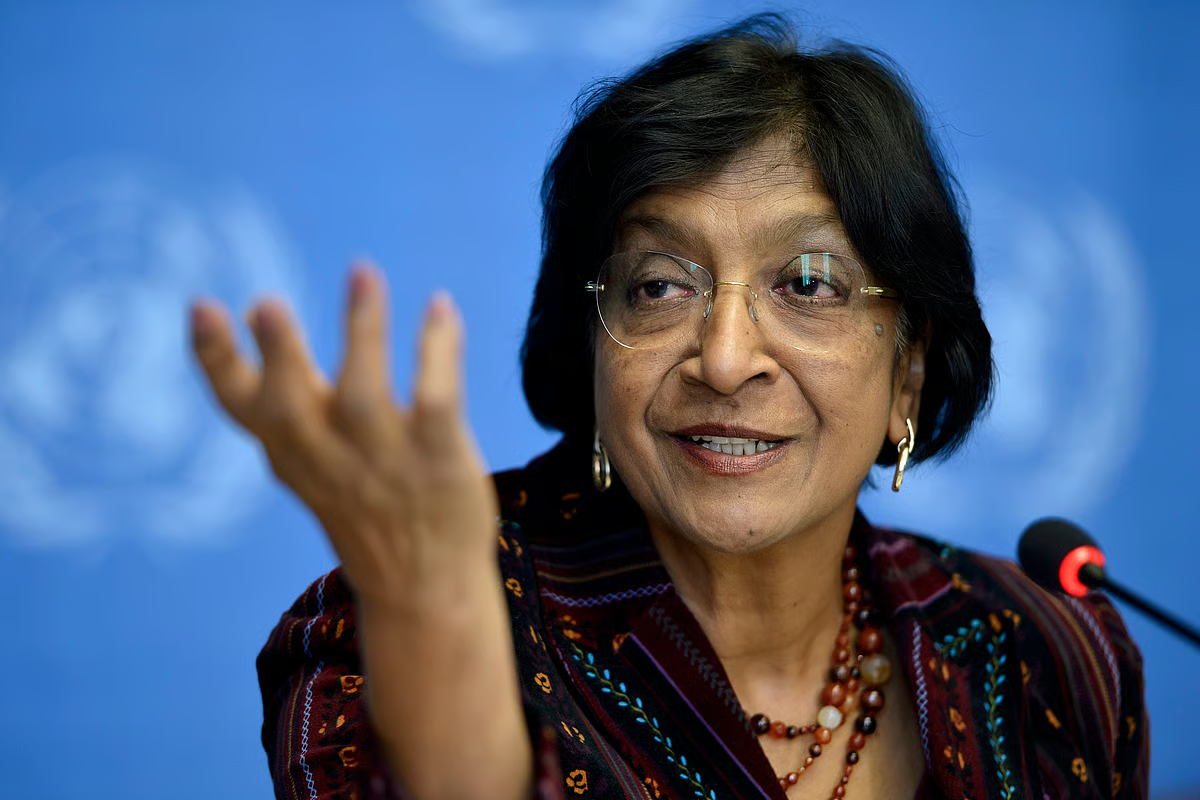
Darwin, October 09: Navanetham “Navi” Pillay, a South African jurist who led a United Nations investigative commission that described Israel’s actions in Gaza as genocide,…
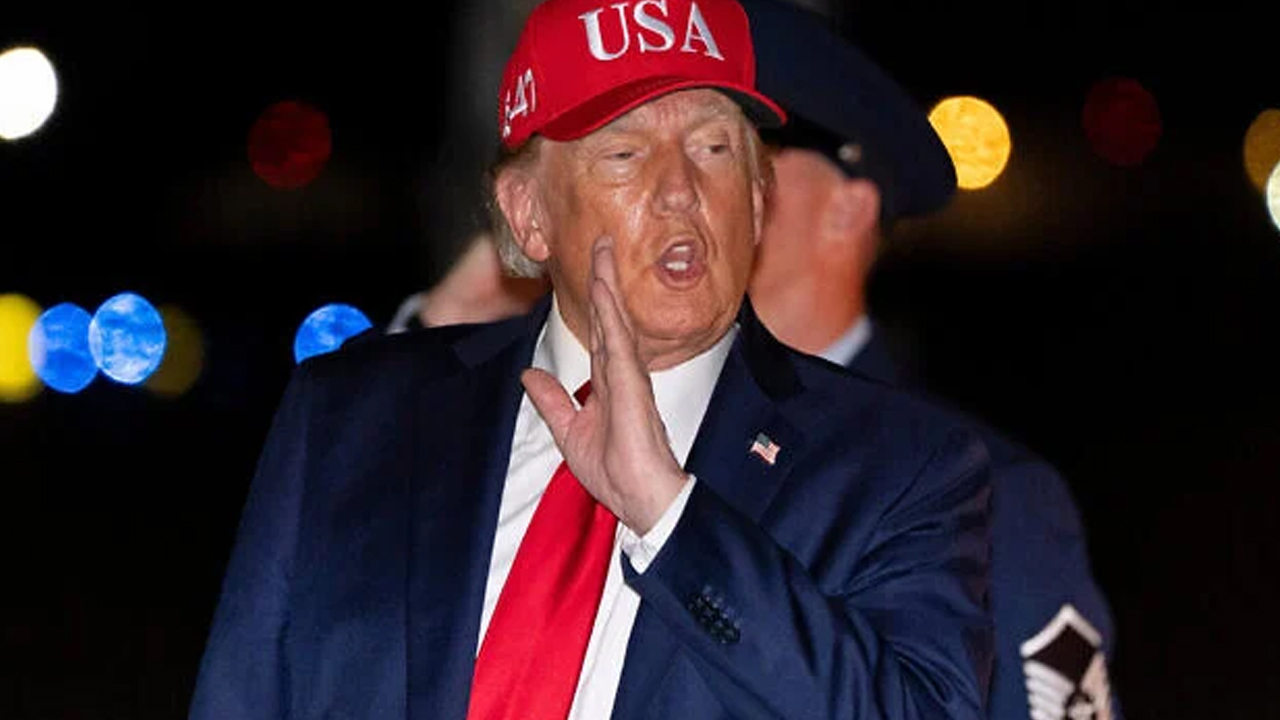
Darwin, October 08: U.S. President Donald Trump said on Wednesday that he deserves to win the Nobel Peace Prize, while expressing doubts that he would…
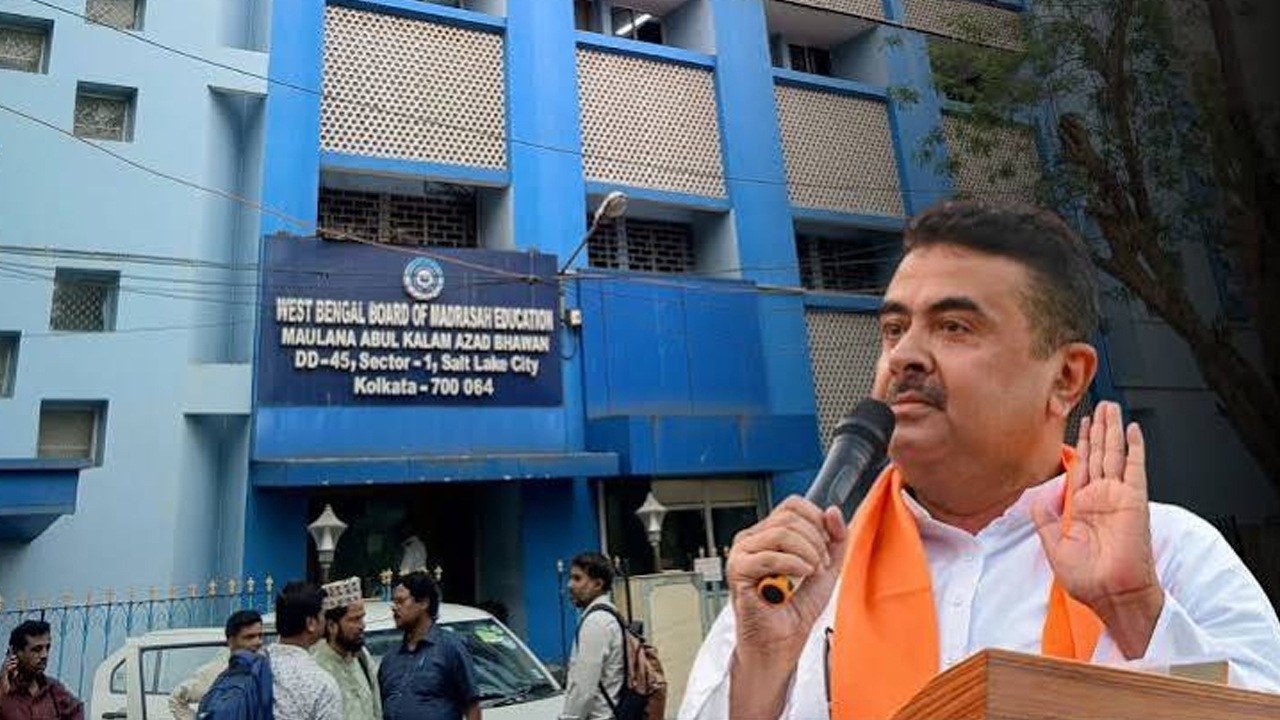
ডারউইন, অক্টোবর ০৮: ভারতের পশ্চিমবঙ্গ রাজ্যে শিক্ষা ব্যবস্থায় বড়সড় বদলের খবর জানালেন মুখ্যমন্ত্রী শুভেন্দু অধিকারী। তার মতে, শিক্ষক নিয়োগে সমতা আনতে পশ্চিমবঙ্গ রাজ্যে আনুষ্ঠানিকভাবে বিলুপ্ত…
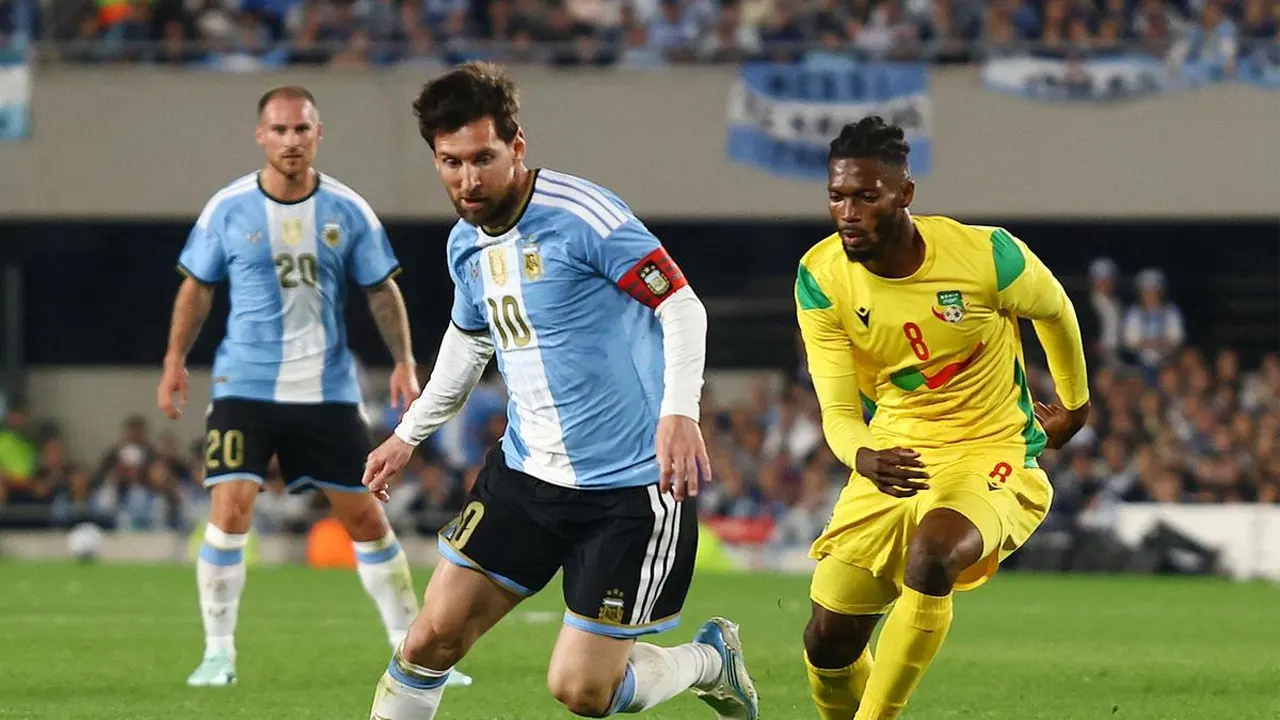
Darwin, October 07: Lionel Messi’s final match in international football, if this indeed was his last, was just like the man himself—filled with goals, assists, and…

Darwin, October 07: Russia has finalized preparations to provide Iran with a $1 billion loan. The funds will be transferred once Tehran provides the necessary…
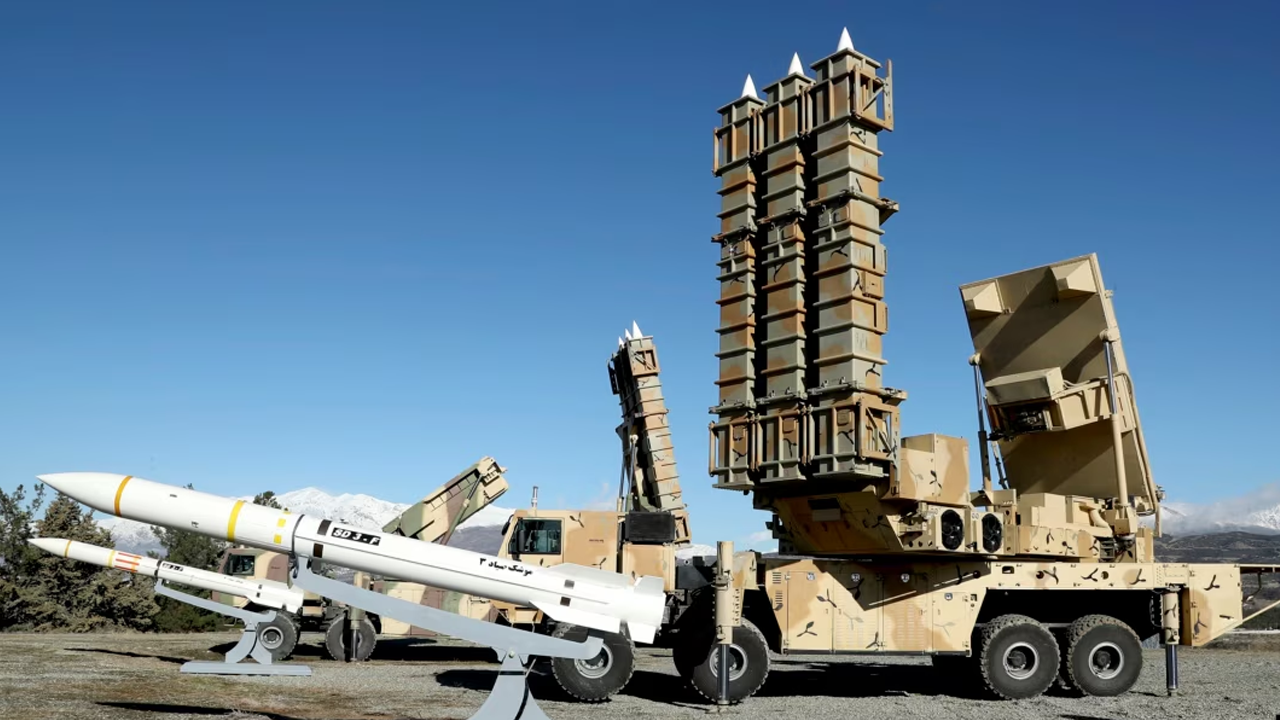
DARWIN, October 7: Iran has warned that it will deliver a stronger response if the United States or Israel launches another attack. The country also…
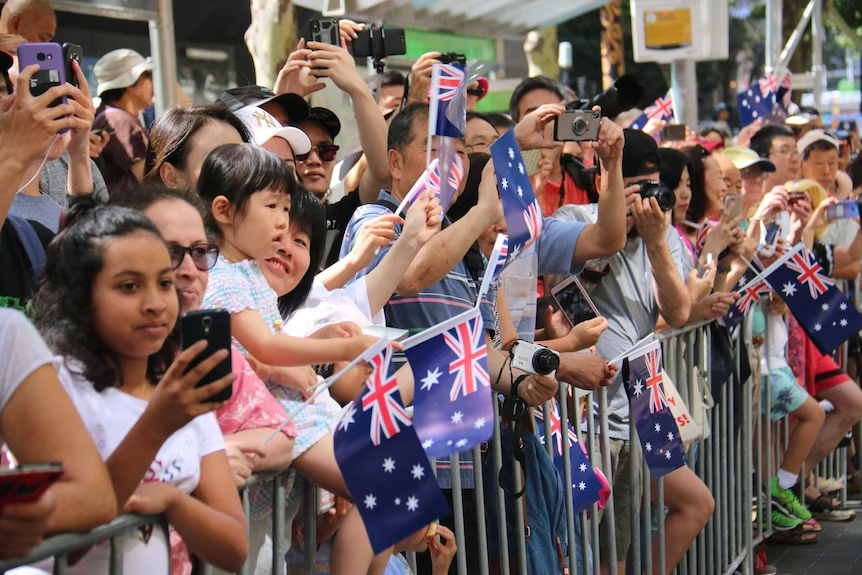
Darwin, October 05: Deaths in Australia are expected to outnumber births by the 2060s, according to a government report, marking a demographic milestone that countries…

Darwin, October 04: Ten people, including three children, have been injured after a car crashed into a crowd of rugby league fans in Newcastle, eastern…