Navi Pillay, Who Fought for Gaza, Wins Nobel Peace Prize
Darwin, October 09: Navanetham “Navi” Pillay, a South African jurist who led a United Nations investigative commission that described Israel’s actions in Gaza as genocide,…



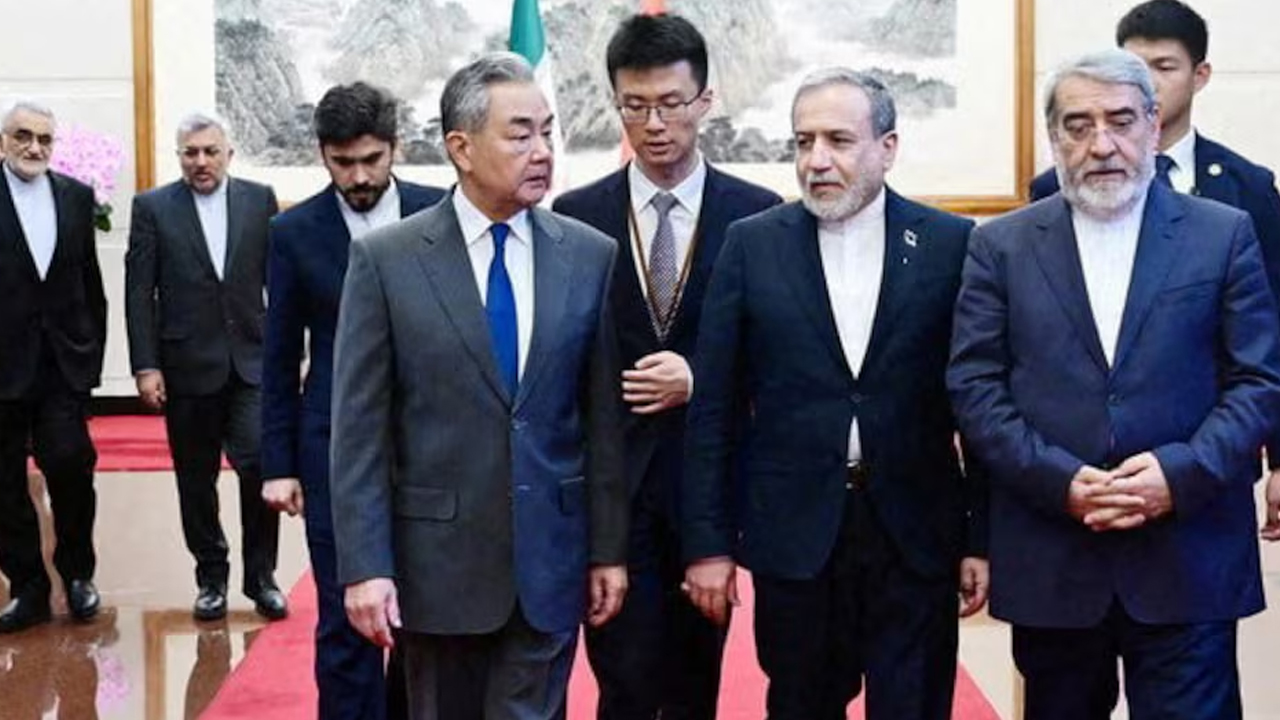
Darwin, September 18 : China has privately urged Iran to rein in Yemen’s Houthis following an appeal from Saudi Arabia, according to three Iranian sources familiar with the matter.
Reuters reported the development in a special report on Thursday.
According to the report, Saudi Arabia sought China’s assistance after the Houthis made rapid advances over the past week along the Red Sea coast and around the Bab al-Mandab Strait. The developments have further exposed Saudi oil exports and international shipping routes to potential risks, the sources said.
China has publicly called for restraint, dialogue and the restoration of safe maritime navigation. But in a private message to Iran, Beijing went further, urging Tehran to use its influence over the Houthis. The sources said China’s main concern is preventing the conflict from spreading further along maritime routes that are crucial to its energy supplies.
It remains unclear how the message was delivered to Iran. It is also unknown whether the message was conveyed during a meeting with Iranian Foreign Minister Abbas Araghchi, who visited China on Wednesday.
Iran’s response was that regional stability and peace require an end to the war being waged by the United States and Israel against Iran.
China did not directly threaten Iran, nor did it indicate that Tehran could face economic pressure if it failed to use its influence over the Houthis, according to the sources.
In response to Reuters’ questions, China’s Foreign Ministry said Beijing does not want regional tensions in Yemen and the Red Sea to spread further. It said escalating regional instability would not serve the interests of any party.
China also said the sovereignty and security of all countries must be respected and that attacks on infrastructure vital to people’s livelihoods should be avoided. Beijing called for an end to actions that could further complicate the situation and urged the parties to resolve their differences through dialogue and negotiations.
China has been Iran’s largest trading partner and its biggest oil customer for more than a decade. According to data analysis firm Kpler, China bought more than 80% of Iran’s seaborne oil exports in 2025, with an average of around 1.4 million barrels of Iranian oil delivered to China each day.
A Western regional diplomat said China is among the countries capable of using its influence over Iran to help rein in the Houthis. Iranian sources and Western governments have accused Iran of providing the Houthis with weapons, training and financial support.
The threat to shipping in the Red Sea and Bab al-Mandab comes at a particularly sensitive time, as traffic through the Strait of Hormuz is already restricted. If both sets of strategically important waterways were disrupted at the same time, the global energy crisis could become more severe.
Alex Vatanka, director of the Iran Program at the Middle East Institute in Washington, said China’s interests in the Middle East extend beyond its relationship with Iran. Nearly half of China’s oil imports come from the Middle East, while China’s annual trade with the countries of the Gulf Cooperation Council (GCC) is worth around $300 billion.
Vatanka said that although Iran has significant influence over the Strait of Hormuz, that influence could eventually harm China’s economic interests. As a result, Beijing’s own economic interests are becoming an important factor in its efforts to pressure Iran.
In 2023, China helped broker the restoration of diplomatic relations between Iran and Saudi Arabia. This time, however, a key question is how receptive Tehran will be to Beijing’s appeal.
The next phase of the situation could depend in part on how much economic and diplomatic leverage China is prepared to use with Iran and how far Tehran is willing to use its influence over the Houthis.
Source: Reuters
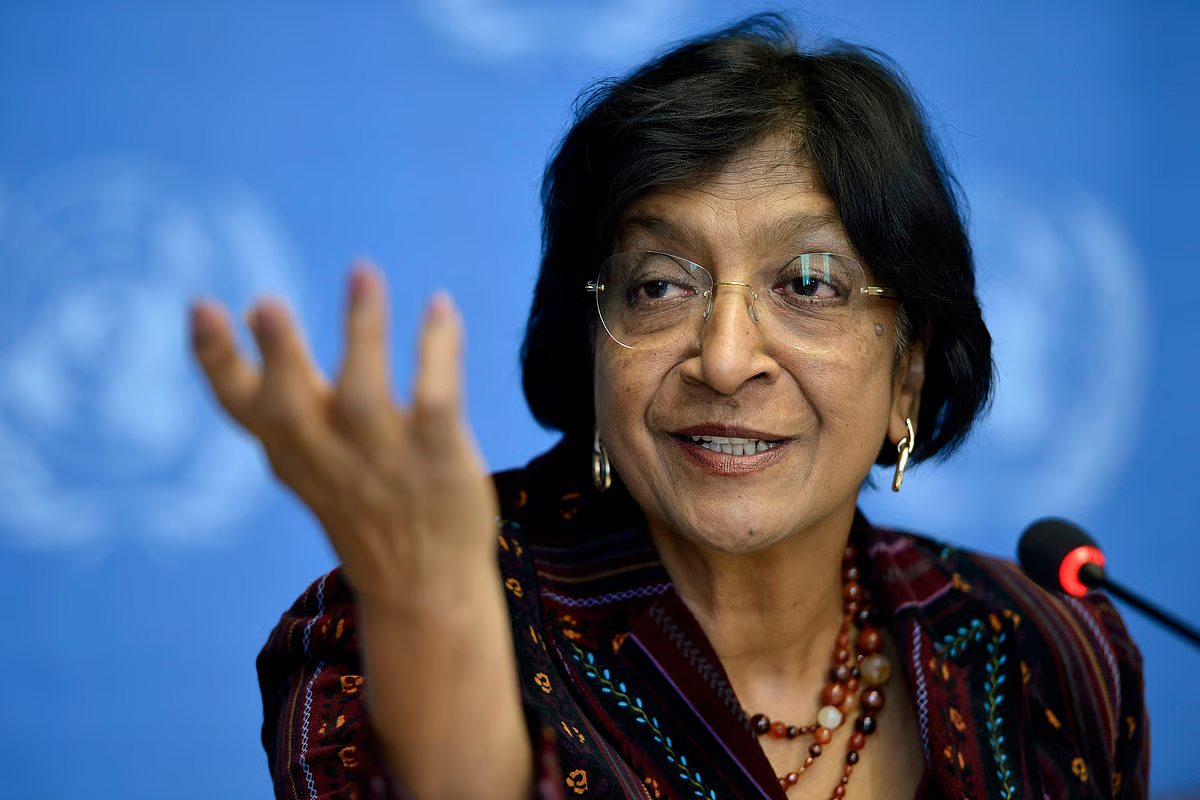
Darwin, October 09: Navanetham “Navi” Pillay, a South African jurist who led a United Nations investigative commission that described Israel’s actions in Gaza as genocide,…
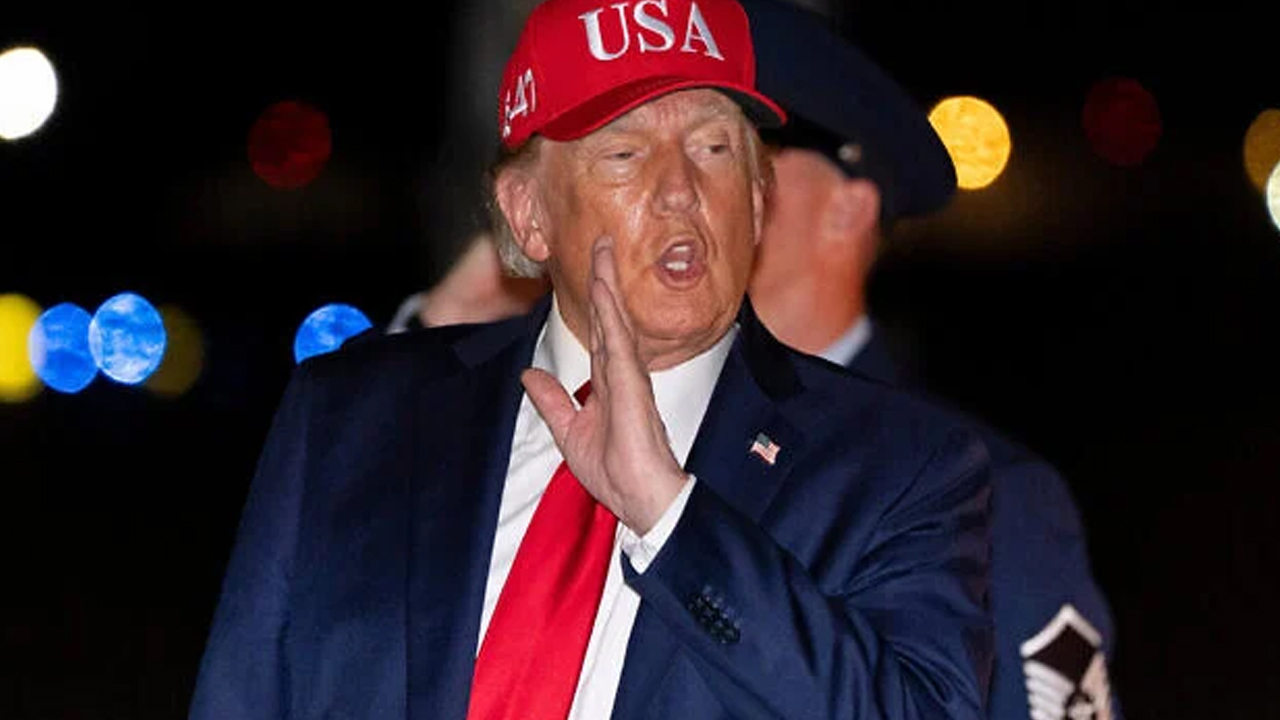
Darwin, October 08: U.S. President Donald Trump said on Wednesday that he deserves to win the Nobel Peace Prize, while expressing doubts that he would…
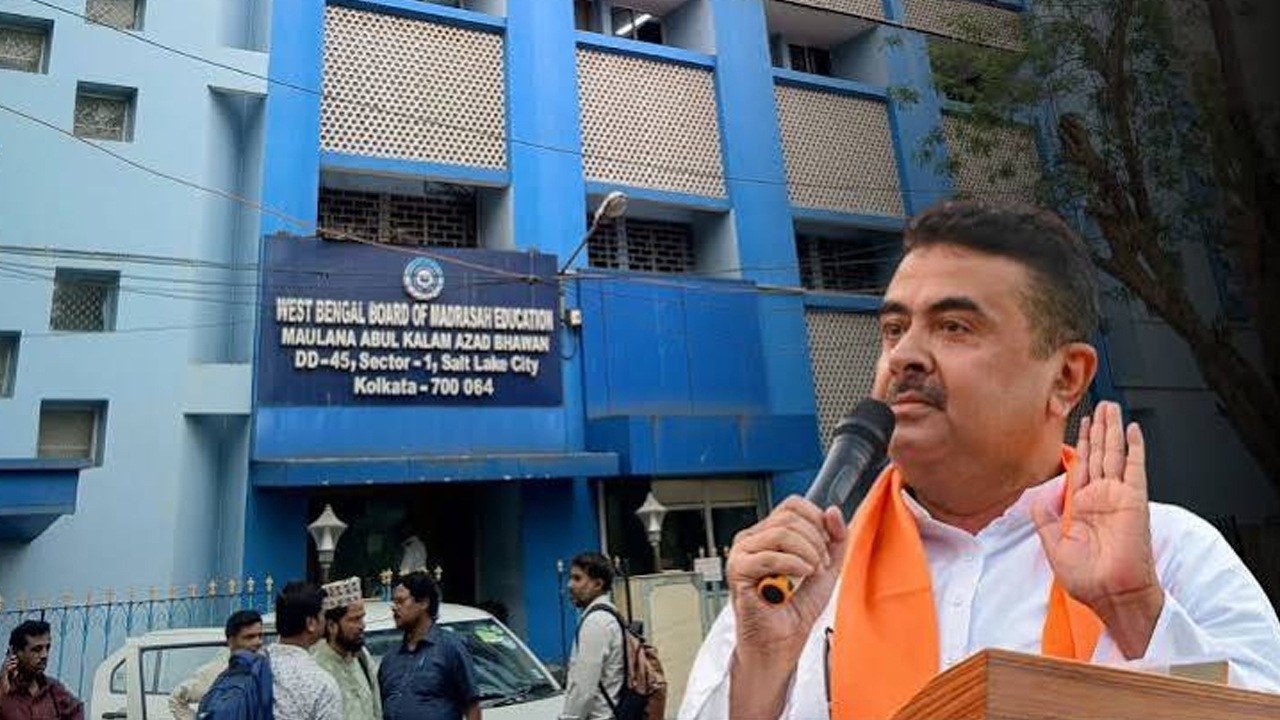
ডারউইন, অক্টোবর ০৮: ভারতের পশ্চিমবঙ্গ রাজ্যে শিক্ষা ব্যবস্থায় বড়সড় বদলের খবর জানালেন মুখ্যমন্ত্রী শুভেন্দু অধিকারী। তার মতে, শিক্ষক নিয়োগে সমতা আনতে পশ্চিমবঙ্গ রাজ্যে আনুষ্ঠানিকভাবে বিলুপ্ত…

Darwin, October 07: Lionel Messi’s final match in international football, if this indeed was his last, was just like the man himself—filled with goals, assists, and…
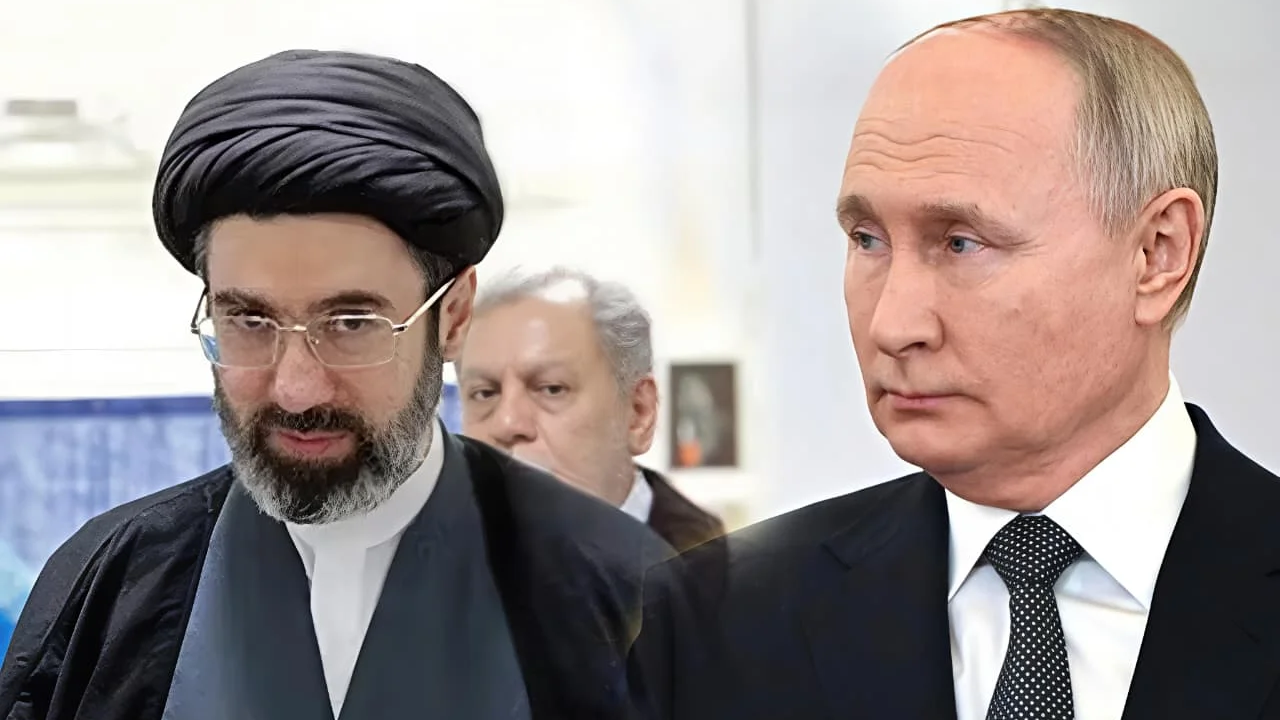
Darwin, October 07: Russia has finalized preparations to provide Iran with a $1 billion loan. The funds will be transferred once Tehran provides the necessary…
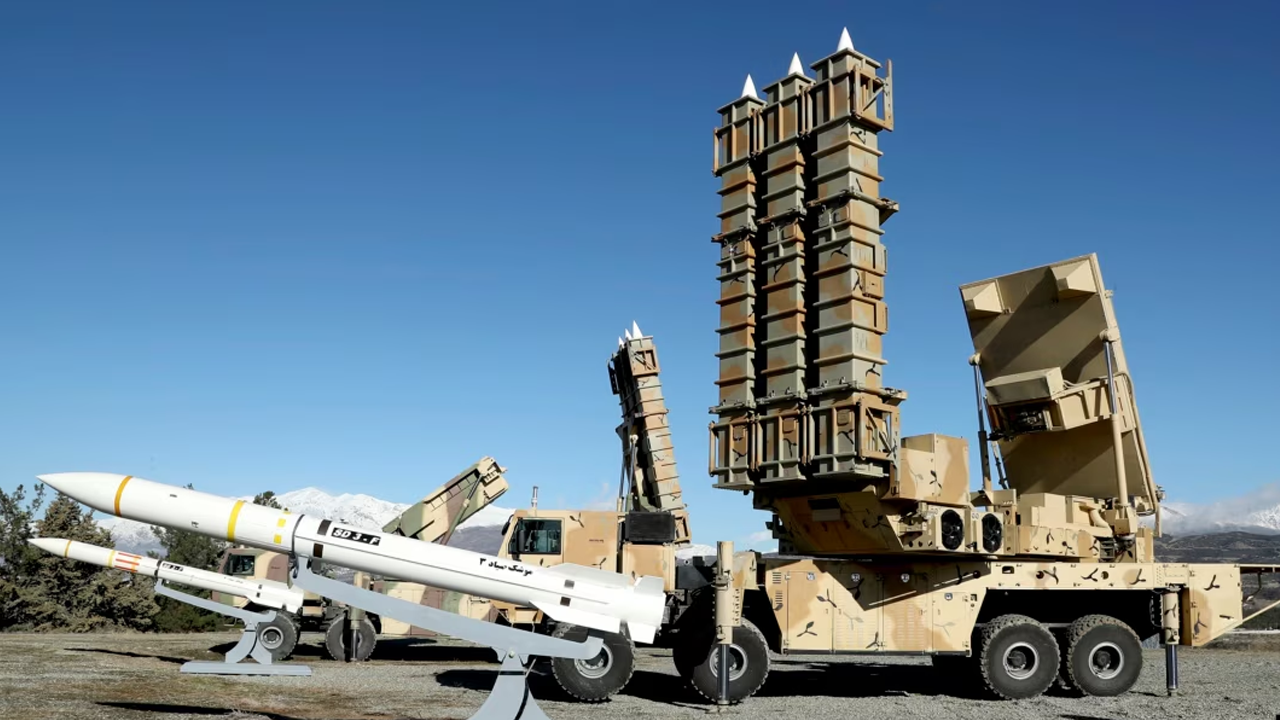
DARWIN, October 7: Iran has warned that it will deliver a stronger response if the United States or Israel launches another attack. The country also…

Darwin, October 05: Deaths in Australia are expected to outnumber births by the 2060s, according to a government report, marking a demographic milestone that countries…

Darwin, October 04: Ten people, including three children, have been injured after a car crashed into a crowd of rugby league fans in Newcastle, eastern…