Silver, Platinum and Palladium Prices Fall in Global Markets
Darwin, September 8: Precious metal prices declined in the international market on Tuesday. In the spot market, silver prices fell 0.5% to $65.76 per ounce….



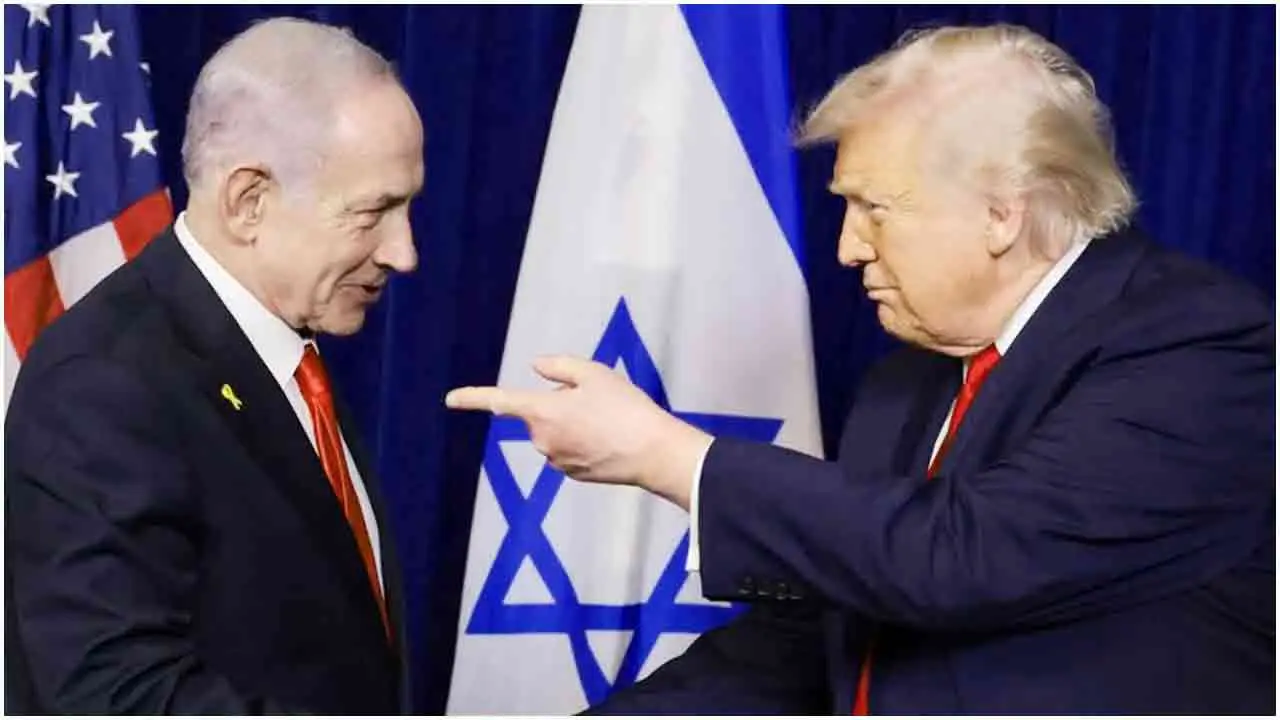
Darwin, 30 April: Israel’s Foreign Minister Gideon Sa’ar has acknowledged disagreements with U.S. President Donald Trump over the Iran war, while emphasizing that both sides remain aligned on broader strategic goals.
Speaking during a closed-door meeting with members of the American Friends of Likud on Tuesday night, Sa’ar described the differences as part of a long-term strategic partnership rather than a fundamental rift.
He also ruled out the possibility of annexing any part of the occupied West Bank at this time, saying such a move would contradict Trump’s current position.
According to a report by Yedioth Ahronoth, Sa’ar told the meeting that despite Trump’s claims, Iran has not resumed uranium enrichment since the war in June last year.
On June 13, 2025, Israel and the United States launched a series of coordinated strikes on Iranian military, nuclear, and civilian sites, continuing for 12 days. The attacks reportedly killed several senior military officials and nuclear scientists, along with hundreds of others.
Sa’ar said Israel did not seek a new war but felt compelled to act after detecting efforts by Iran to move its nuclear program deep underground—beyond the reach of U.S. or Israeli airpower.
“We saw they were trying to relocate the program to depths where our air forces could not reach. We had no better option,” he said.
His remarks contrast with earlier reports in Israeli and U.S. media suggesting that Israel had actively pushed the Trump administration toward direct military action against Iran.
Both Israel and the United States have long accused Iran of pursuing nuclear weapons, an allegation Tehran consistently denies, insisting its nuclear program is solely for peaceful purposes such as electricity generation.
On February 28, the U.S. and Israel again carried out joint strikes on Iran. A temporary ceasefire was announced on April 8 between Washington and Tehran, later extended through mediation by Pakistan.
Sa’ar clarified that regime change in Iran was not an official objective of the war, though Israel aimed to eliminate what it described as an “existential threat” for as long as possible. He added that while Israel sought to create conditions that could lead to internal political change in Iran, such an outcome ultimately depends on the Iranian people.
Earlier, on April 14, David Barnea, head of Israel’s intelligence agency Mossad, said the mission would not be complete without a change in Iran’s current system, noting that intelligence operations inside Iran are ongoing.
Sa’ar also pointed out the vast size difference between the two countries, saying Iran is 75 times larger than Israel, and stressed that Israel has no plans to invade or occupy the country. However, he warned that if an opportunity for regime change arises, Israel would take action.
Despite confirming policy differences with Trump, Sa’ar reiterated that Israel and the United States ultimately share the same strategic vision regarding Iran.
Source: Anadolu

Darwin, September 8: Precious metal prices declined in the international market on Tuesday. In the spot market, silver prices fell 0.5% to $65.76 per ounce….
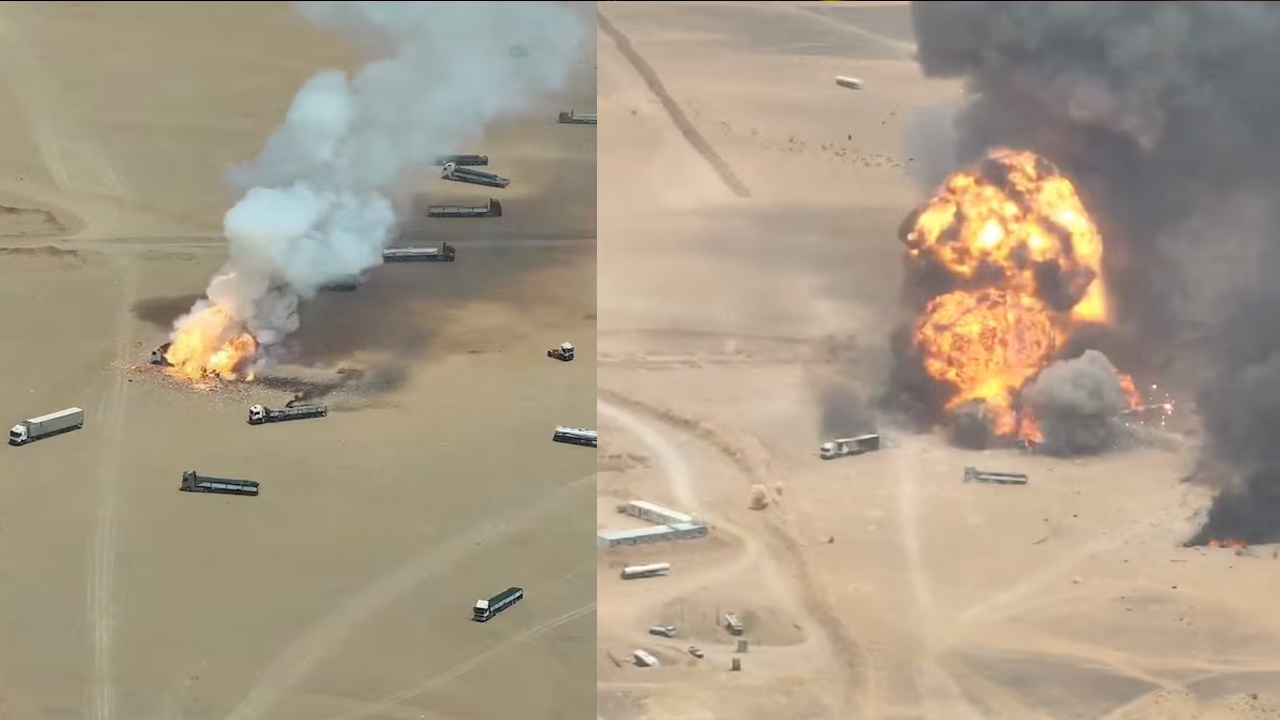
Darwin, Septermber 08 : At least 73 civilians, including women and children, have been injured in attacks by Yemen’s Houthi rebels targeting civilian and economic…

Darwin, 08 September : Ukraine has taken steps toward legalizing pornography as a way to raise funds for its war with Russia. According to The…
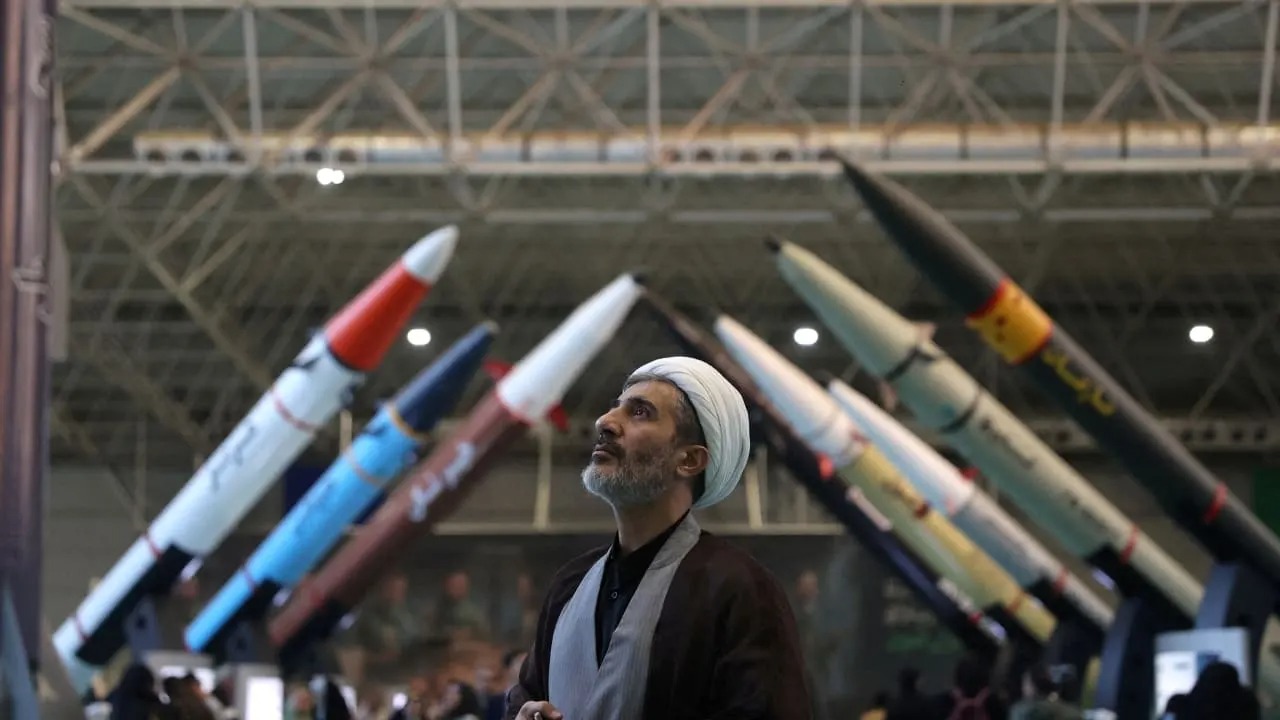
Darwin, September 07: Iran is preparing for a major, multi-front attack against Israel, according to an Israeli intelligence assessment. The report says Iran is seeking…
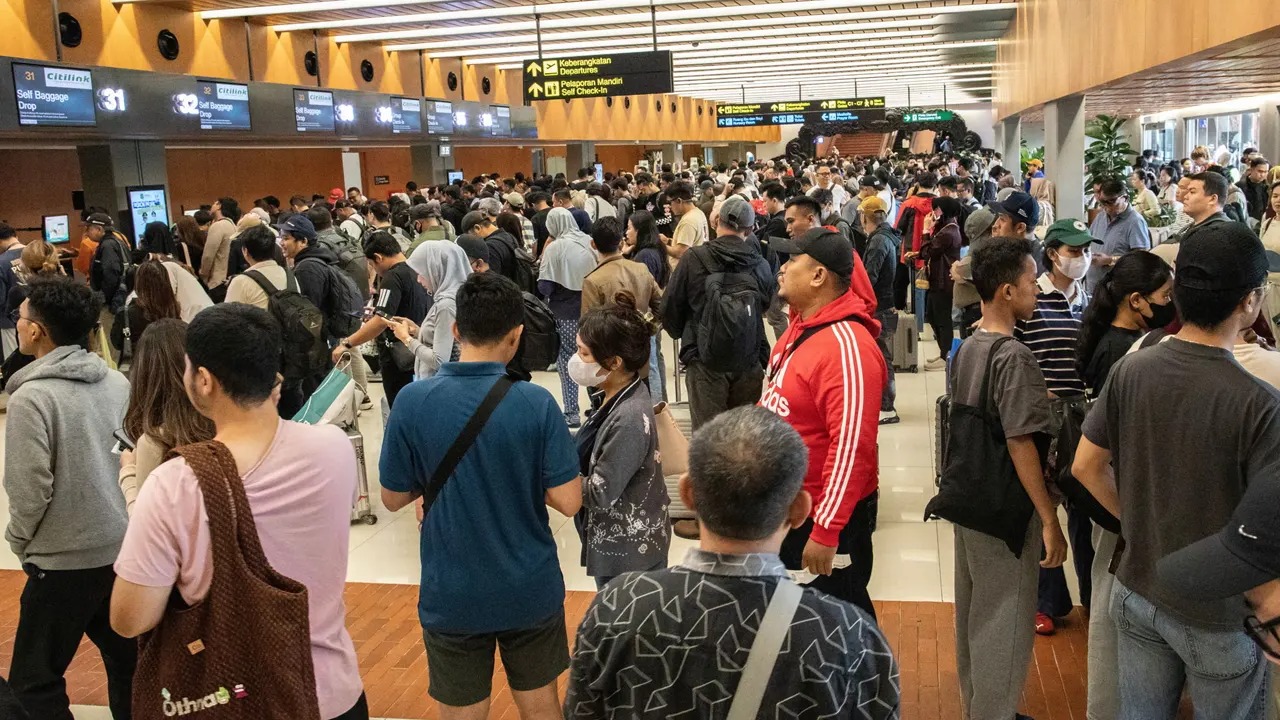
Darwin, 07 September: Air travel in Indonesia has been disrupted by ash from the eruption of Anak Krakatau volcano. As of Monday morning, seven airports,…
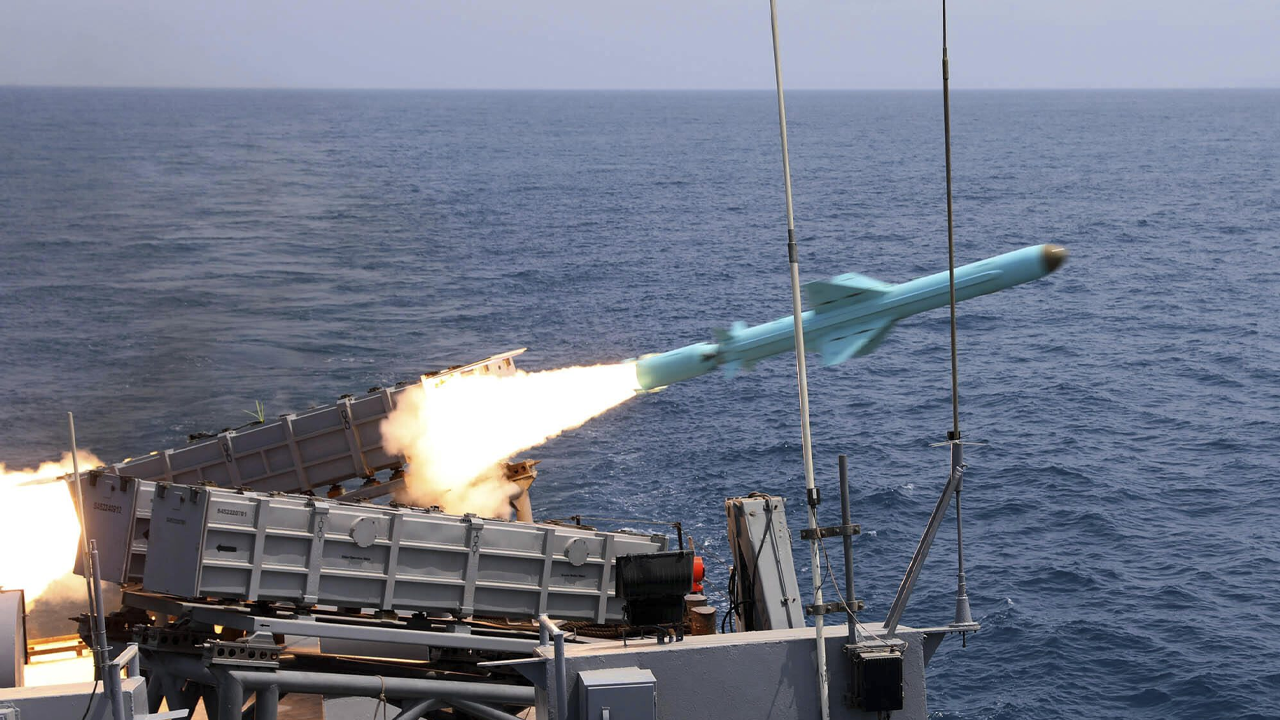
Darwin, September : Iran’s Islamic Revolutionary Guard Corps (IRGC) has launched ballistic missile attacks on a US aircraft carrier and a US Navy destroyer. In…
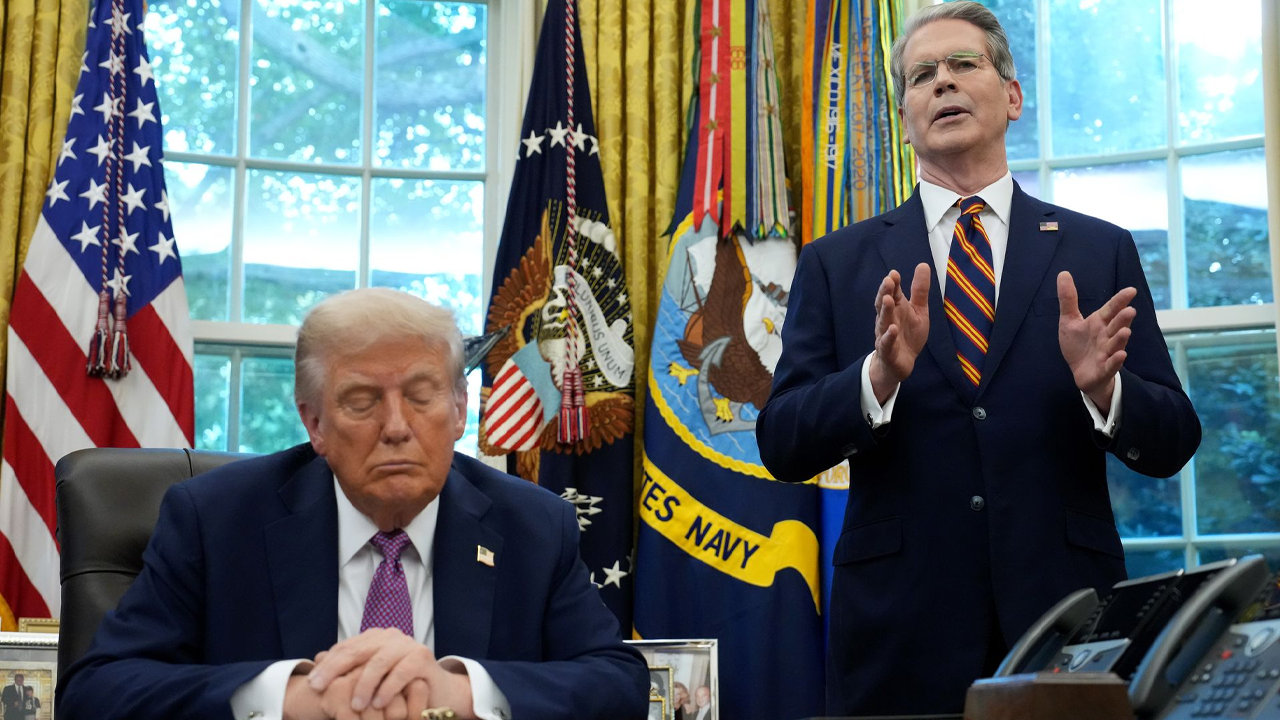
Darwin, September 05: The Trump administration’s efforts to intensify economic pressure on Iran could accelerate the emergence of a new global order less dependent on…

Darwin, September 04 : India’s central government has allocated Rs 2,077 crore for the construction of a new four-lane highway in the strategically important Siliguri…