Silver, Platinum and Palladium Prices Fall in Global Markets
Darwin, September 8: Precious metal prices declined in the international market on Tuesday. In the spot market, silver prices fell 0.5% to $65.76 per ounce….



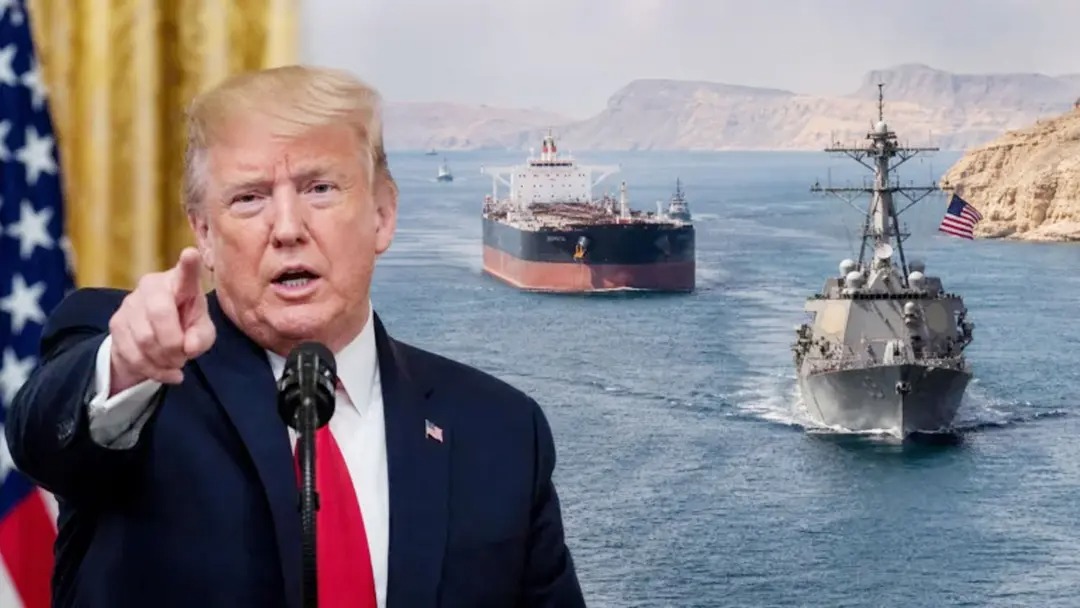
Darwin, 04 May: U.S. President Donald Trump has announced a naval escort mission to ensure the safe passage of commercial vessels stranded in the Strait of Hormuz.
According to a report by Al Jazeera, the operation—named “Project Freedom”—is expected to begin as early as Monday.
While Trump described the initiative as a “humanitarian effort,” its structure and intent align more closely with a military-led escort operation.
In his statement, Trump warned Iran not to interfere, emphasizing that many of the stranded ships are facing severe shortages of food and essential supplies.
He added that maintaining the health and safety of crew members has become increasingly difficult, and any disruption to the mission would be met with force.
Trump also said U.S. representatives have conveyed to Iranian officials that Washington will make every effort to safely guide the vessels and their crews out of the area.
However, the announcement has raised concerns about the stability of the fragile ceasefire currently in place between the United States and Iran.
Analysts warn that if U.S. naval forces attempt to move ships through the Strait under escort and Tehran resists, the situation could quickly escalate into a broader military confrontation.
Despite the urgency, the U.S. military had previously indicated it was not yet fully prepared to provide continuous protection for vessels in the Strait, raising further questions about the feasibility of the operation.
The ongoing standoff—marked by Iran’s control over the Strait and U.S. naval pressure on Iranian ports—has already driven global oil prices sharply higher. In the United States, fuel prices have surged to $4.44 per gallon, compared to under $3 before the crisis began.
Rising fuel costs and inflation have intensified domestic pressure on the Trump administration, with recent opinion polls indicating a notable decline in the president’s approval ratings.
Observers suggest that internal political and economic challenges may have played a role in shaping the decision to launch this mission.
Previously, Trump had argued that maintaining the blockade was more effective than direct military strikes.
However, his latest announcement signals a shift toward a more assertive posture, including the potential use of force if necessary.
Despite Trump’s claim of “very positive” discussions between U.S. and Iranian representatives, no official confirmation or commitment has been issued by Iranian authorities or state media regarding cooperation with the operation.
In recent months, Iran has maintained tight control over the Strait and has demanded tolls for passage.
Whether Tehran will view the U.S.-led escort mission as a violation of its sovereignty or accept it as part of ongoing negotiations remains uncertain—heightening global concerns over a possible escalation in tensions.

Darwin, September 8: Precious metal prices declined in the international market on Tuesday. In the spot market, silver prices fell 0.5% to $65.76 per ounce….
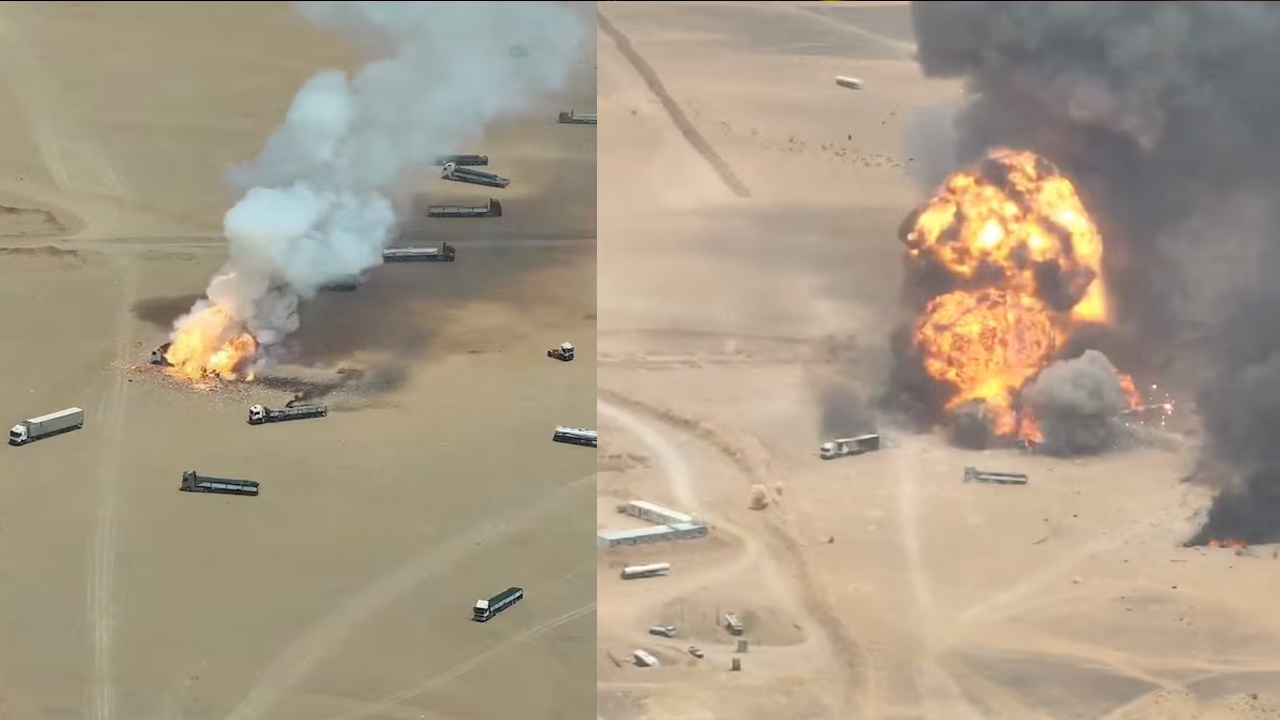
Darwin, Septermber 08 : At least 73 civilians, including women and children, have been injured in attacks by Yemen’s Houthi rebels targeting civilian and economic…

Darwin, 08 September : Ukraine has taken steps toward legalizing pornography as a way to raise funds for its war with Russia. According to The…
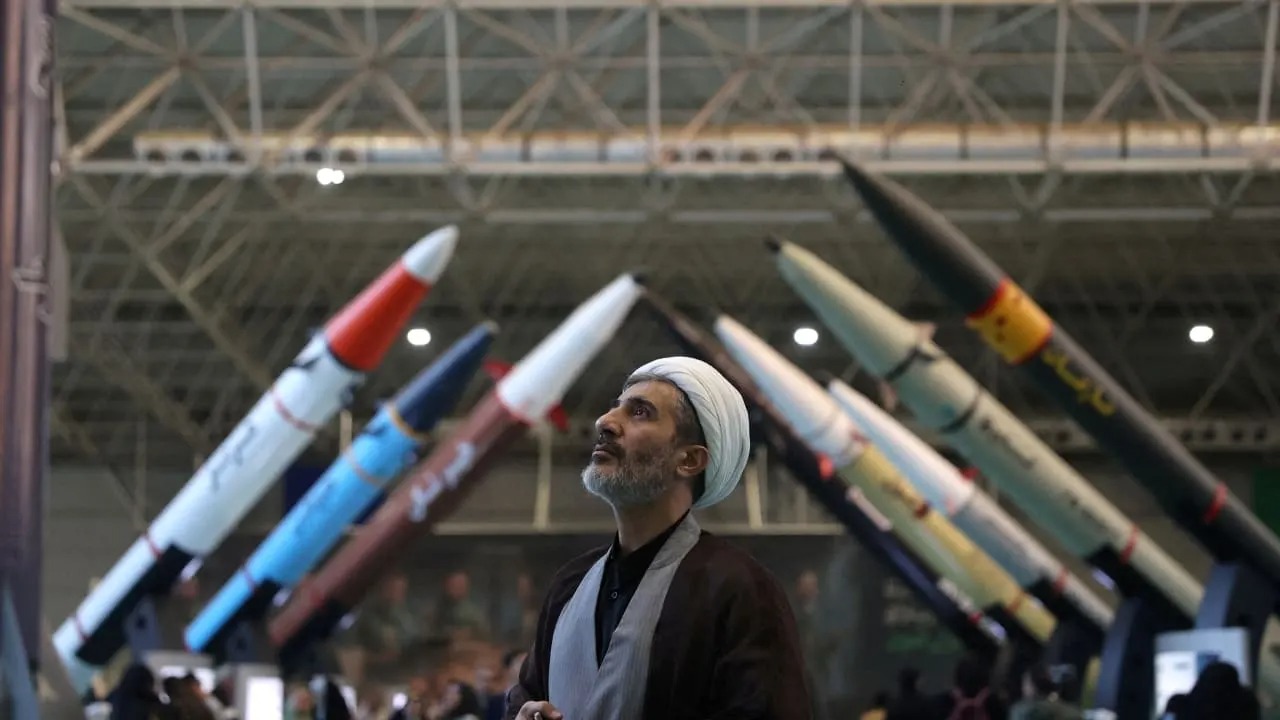
Darwin, September 07: Iran is preparing for a major, multi-front attack against Israel, according to an Israeli intelligence assessment. The report says Iran is seeking…
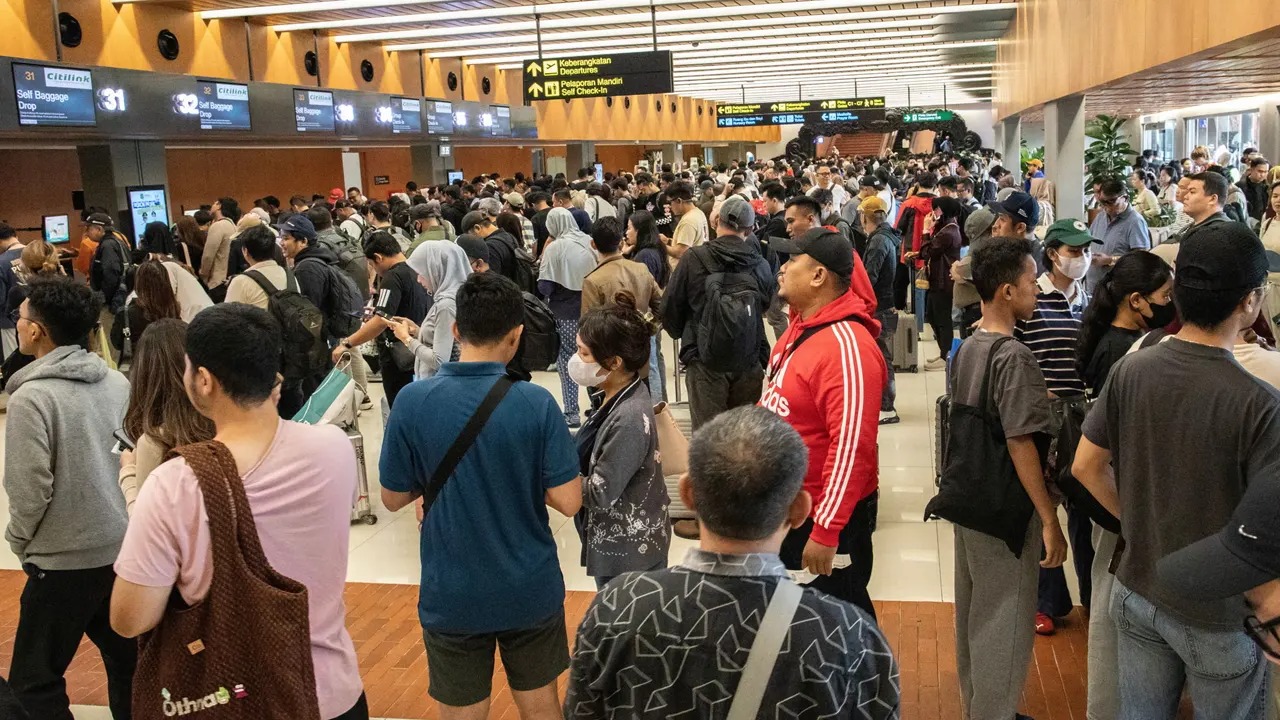
Darwin, 07 September: Air travel in Indonesia has been disrupted by ash from the eruption of Anak Krakatau volcano. As of Monday morning, seven airports,…
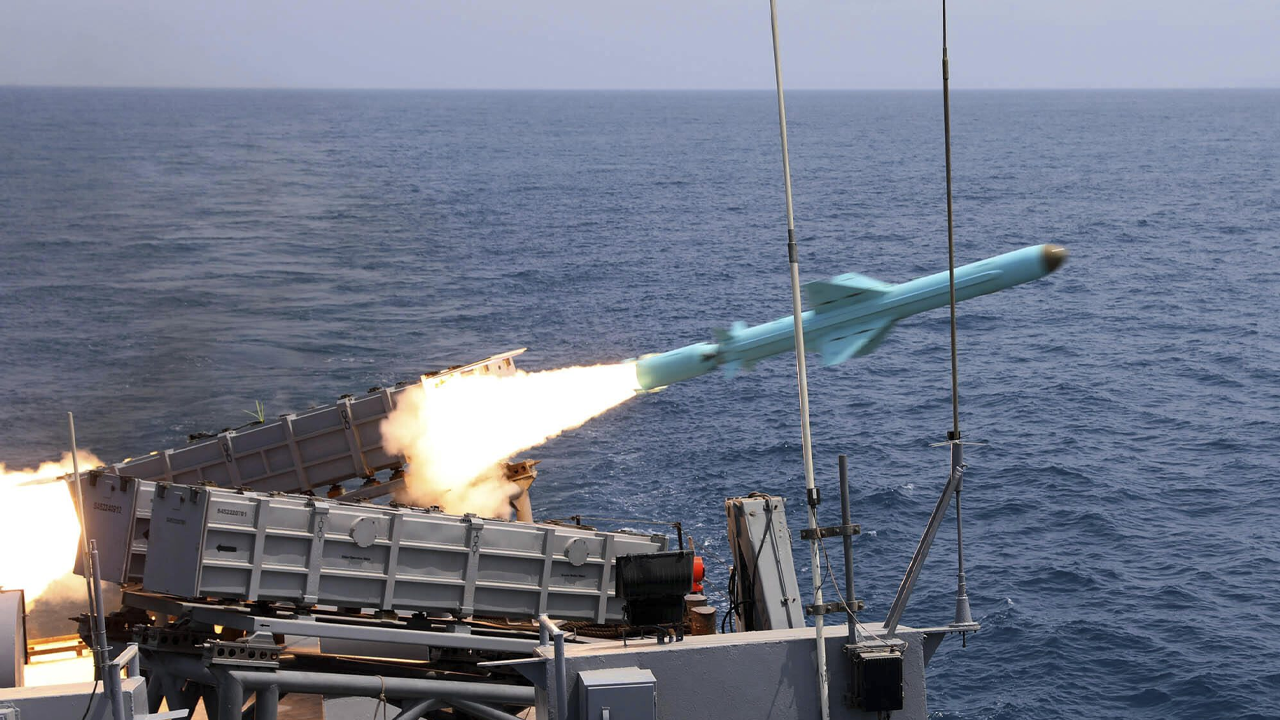
Darwin, September : Iran’s Islamic Revolutionary Guard Corps (IRGC) has launched ballistic missile attacks on a US aircraft carrier and a US Navy destroyer. In…
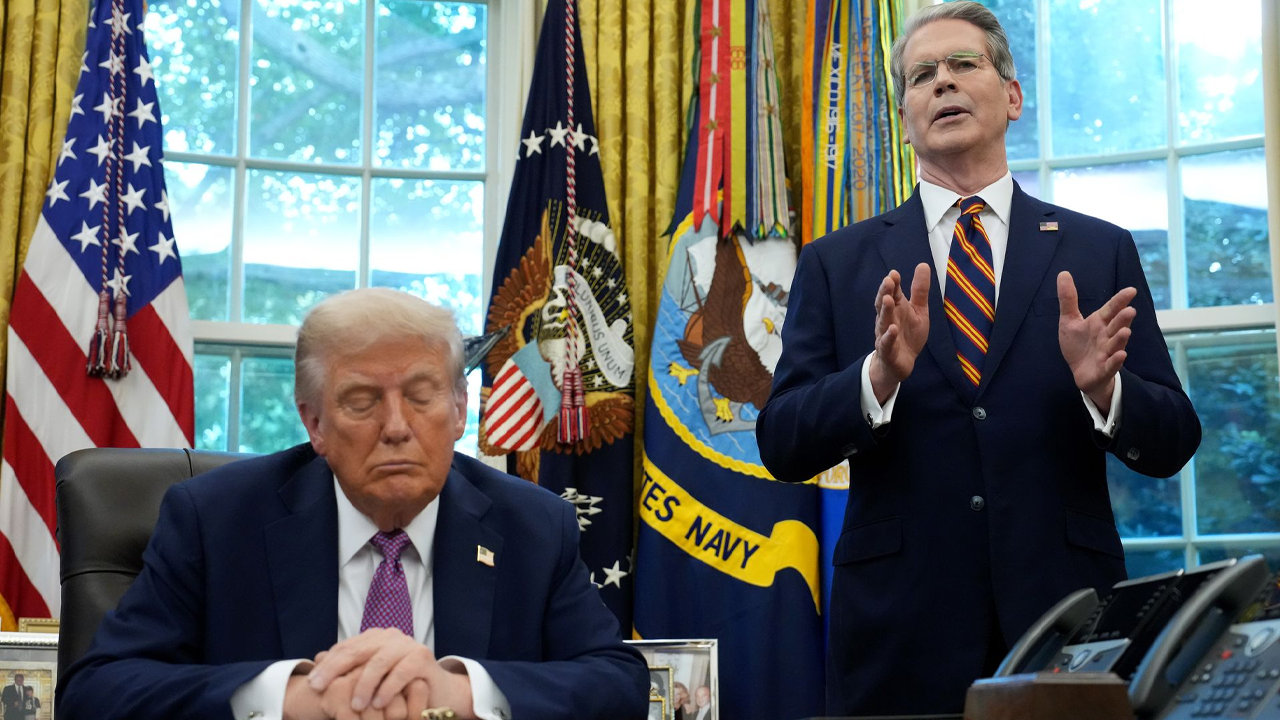
Darwin, September 05: The Trump administration’s efforts to intensify economic pressure on Iran could accelerate the emergence of a new global order less dependent on…
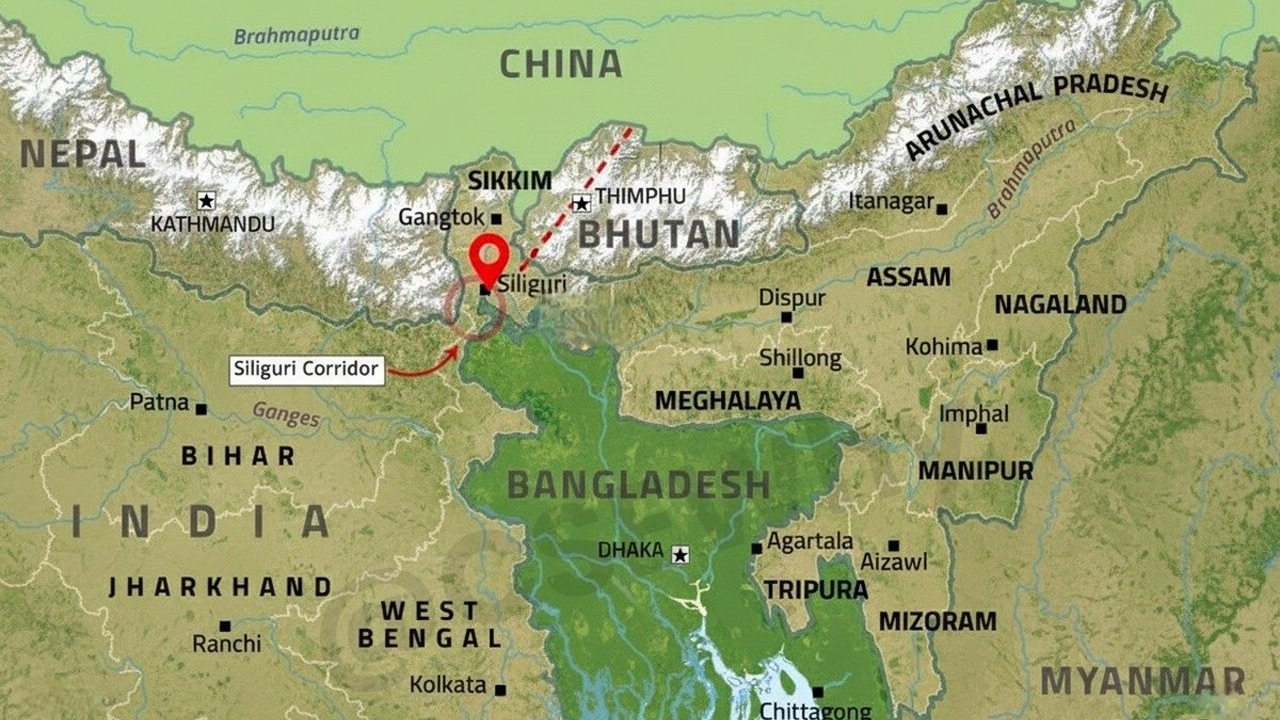
Darwin, September 04 : India’s central government has allocated Rs 2,077 crore for the construction of a new four-lane highway in the strategically important Siliguri…