Oil Prices Rise in Global Markets on Fears of Middle East Supply Disruptions
Darwin, October 21: Oil prices rose in global markets on Wednesday as traders grew concerned about potential disruptions to oil supplies in the Middle East,…



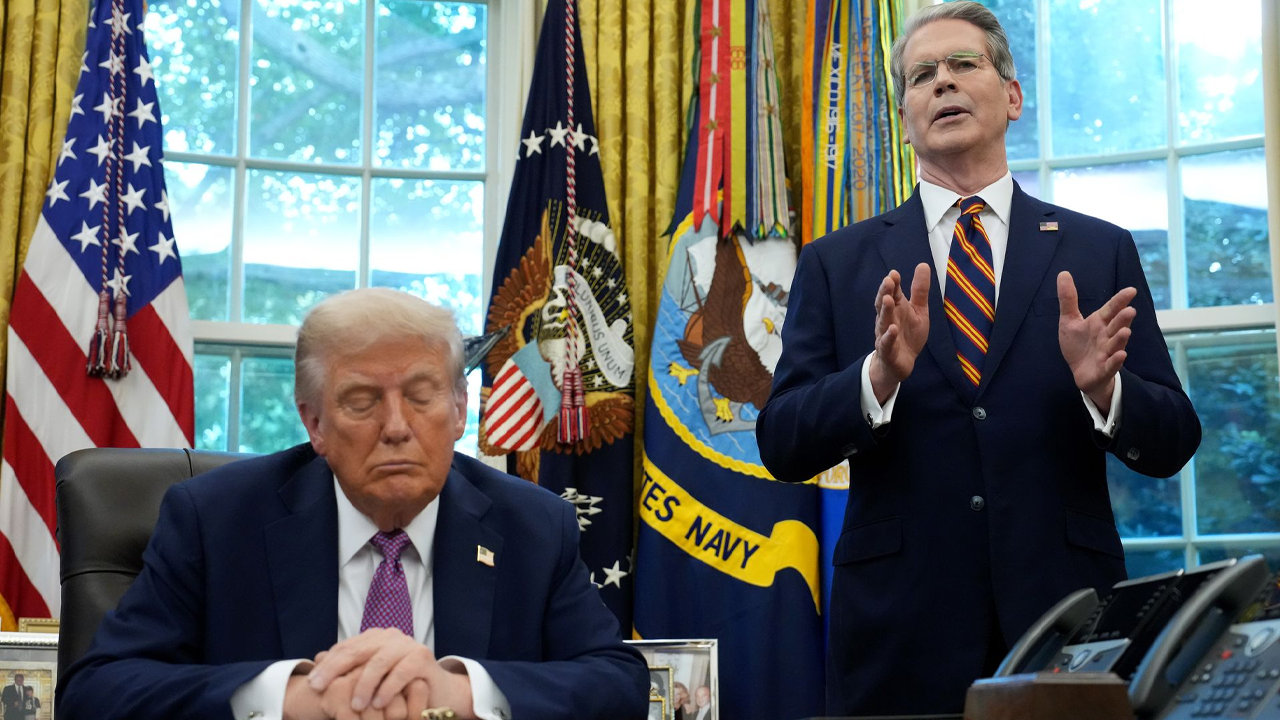
Darwin, September 05: The Trump administration’s efforts to intensify economic pressure on Iran could accelerate the emergence of a new global order less dependent on the United States, Nobel Prize-winning economist Joseph E. Stiglitz has warned.
US Treasury Secretary Scott Bessent has described Washington’s latest campaign against Iran as an “economic D-Day,” with the administration also threatening tougher sanctions against countries that continue trading with Tehran. But instead of rallying international support to isolate Iran, a series of policy missteps by President Donald Trump’s administration may be pushing countries toward a world increasingly willing to operate without American leadership.
Writing in an opinion article published by Project Syndicate, Stiglitz, a former chairman of the US President’s Council of Economic Advisers, argued that it is easy to understand why Washington’s traditional allies are reluctant to join what he described as Trump’s costly and poorly managed war.
According to Stiglitz, allies were not consulted before the conflict began, while the failure to overthrow Iran’s government has left the United States without a clear alternative strategy.
He questioned why countries would rush to support an administration that regularly insults its friends and partners, threatens to seize territories such as Greenland and Canada, and imposes punitive tariffs even on its allies.
Stiglitz said persuading other countries to follow US policy requires credibility. Governments must believe that Washington’s objectives are achievable and that it has the ability to achieve them.
But Trump’s long record of false or misleading statements has weakened that credibility, he argued.
In June 2025, Trump claimed that Iran’s nuclear capabilities had been “completely and totally destroyed.” In March, he similarly claimed that the United States had effectively destroyed Iran’s military capabilities. Yet a conflict that was expected to last roughly four weeks has now entered its seventh month, according to Stiglitz.
“From Iran to Canada,” countries have learned that even if Trump signs an agreement, its durability could be “as fragile as tissue paper,” he wrote.
Bessent had initially gained a reputation as one of the more credible figures in the Trump administration. However, Stiglitz argued that recent unsuccessful attempts to influence bond and currency markets have also damaged that credibility.
With persuasion becoming increasingly difficult, Trump has relied on his preferred alternative: threats and displays of power.
But Stiglitz argued that Trump and Bessent may be failing to recognize that the United States no longer has the same ability to pressure other countries as it did in the past.
He said the administration also appears to underestimate how modern warfare and the global economy have changed.
Measured by purchasing power parity, the US share of global GDP has fallen sharply since the end of World War II—from around 30 percent to below 15 percent in 2025, Stiglitz noted.
More importantly, Washington’s control over key strategic chokepoints and critical supply chains has declined.
Taiwan produces a large share of the world’s most advanced semiconductor chips, while China dominates the production and processing of magnets and rare minerals that are crucial to modern technology.
The same dynamic is visible in Iran’s oil trade. Stiglitz noted that China purchases around 90 percent of Iran’s oil exports, making it much harder for Washington to cut Tehran’s oil revenues simply by pressuring buyers.
According to Stiglitz, these economic realities are already influencing how countries respond to Trump’s aggressive policies.
Canadian Prime Minister Mark Carney, he said, increasingly appears unwilling to accept a subordinate economic position under the United States. Stiglitz described Trump as a “mad king” and argued that Canada has little reason to surrender its economic sovereignty to a US president who has struggled to achieve his objectives in Iran.
Other countries may draw the same lesson, Stiglitz suggested.
They do not have to accept such pressure indefinitely, nor are they required to remain dependent on the United States. The changing global economy is creating opportunities for countries to diversify their trade and economic relationships.
If China and other countries resist Trump’s latest demands—as Stiglitz expects—they are unlikely to collapse under US pressure or suffer the level of economic damage Washington hopes to impose.
Bessent’s declaration of an “economic world war” could ultimately lead to a stalemate, much like the deadlock surrounding the Strait of Hormuz, Stiglitz warned. The United States could once again pay a significant price, while the economic damage imposed on other countries could further undermine Washington’s global reputation and soft power.
Stiglitz argued that the United States was once seen as a model for the world, representing democracy, economic opportunity and values that attracted people across the globe.
But he said America is increasingly being viewed as an example of what countries should avoid, citing extreme inequality, democratic deterioration, corruption and social division.
The world, he concluded, should rethink the importance of cooperation and the rule of law, both domestically and internationally.
“At least for now,” Stiglitz argued, moving away from American leadership could create a more stable, secure and prosperous future for the rest of the world.
Source: Project Syndicate
Darwin, October 21: Oil prices rose in global markets on Wednesday as traders grew concerned about potential disruptions to oil supplies in the Middle East,…
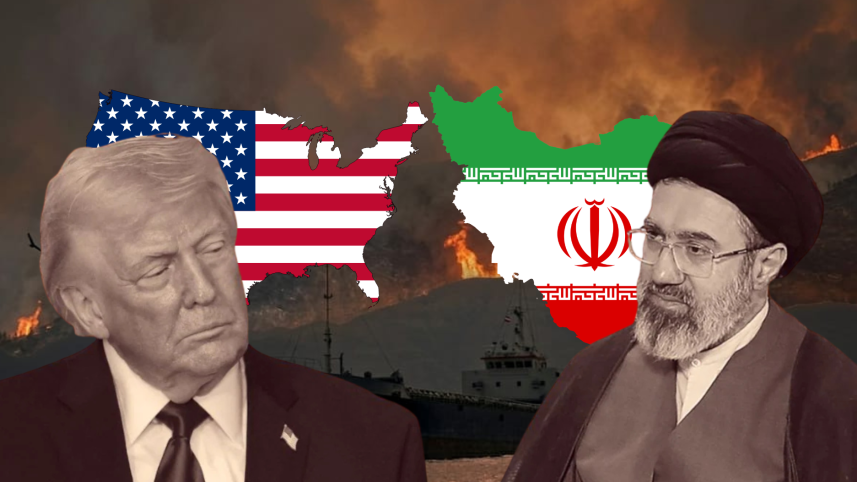
Darwin, October 21: Iran is prolonging negotiations with Washington in an attempt to politically weaken President Donald Trump ahead of the US midterm elections, according…

Darwin, October 21: Today is the auspicious occasion of Bijaya Dashami. The five-day Sharadiya Durga Puja, the biggest religious festival of the Hindu community, officially…

Darwin, October 20: Today is Maha Navami, the ninth day of Sharadiya Durga Puja. Members of the Hindu community will observe the day through religious…

Darwin, October 20: Protests and violence over the rising cost of living have erupted in Italy, one of Europe’s largest economies, following similar unrest in…
Darwin, October 20: US President Donald Trump has warned that protests and violence similar to those in France could spread across the United States if…
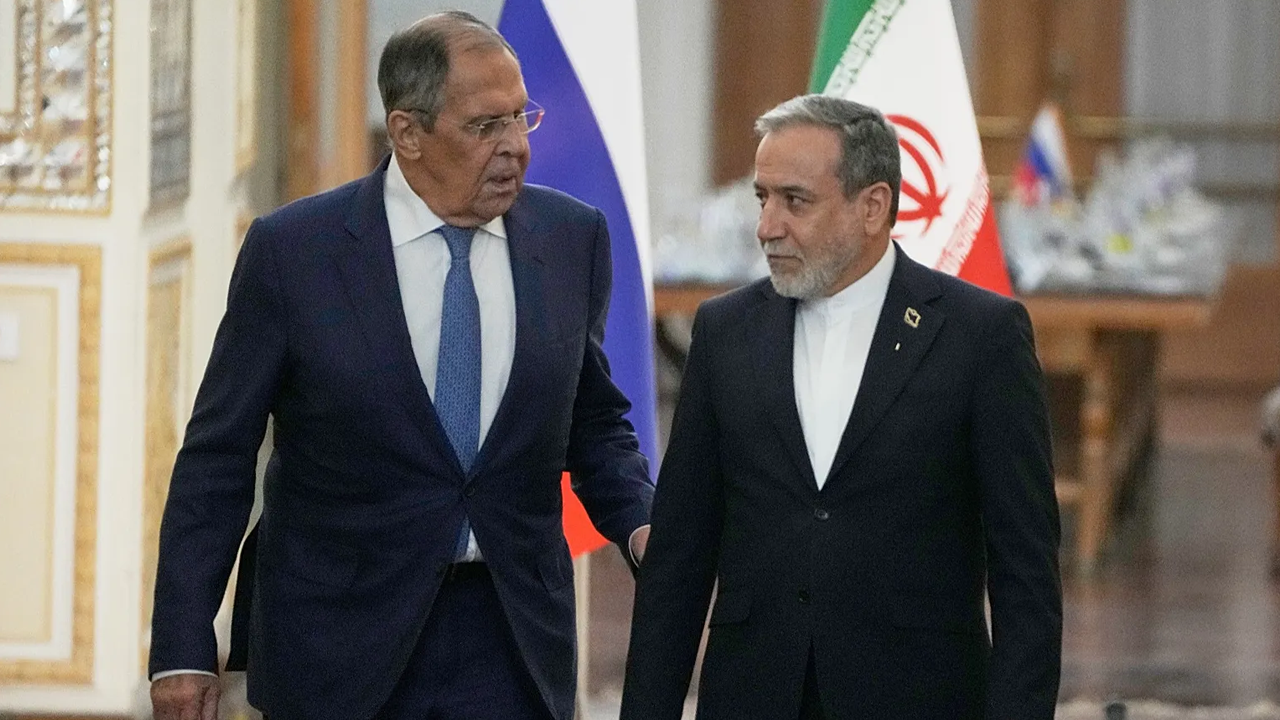
Darwin, October 20: Moscow has reaffirmed its full support for Tehran just hours after US President Donald Trump remarked that Russia was doing very little…

Darwin, October 19: Former Manchester City manager Pep Guardiola has urged the world not to forget the Palestinians in Gaza. In a video for the…