Oil Prices Rise in Global Markets on Fears of Middle East Supply Disruptions
Darwin, October 21: Oil prices rose in global markets on Wednesday as traders grew concerned about potential disruptions to oil supplies in the Middle East,…



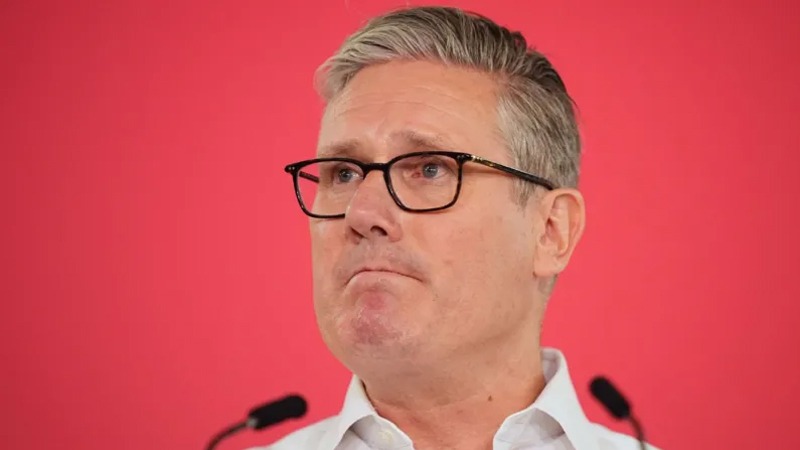
Darwin, 12 May : The internal crisis within the Labour Party has deepened following its disastrous election results, with growing calls for British Prime Minister Sir Keir Starmer to resign or announce a timetable for his departure.
Public divisions have now emerged within the party itself, as several senior figures, including Home Secretary Shabana Mahmood, have raised questions over Starmer’s leadership.
According to multiple BBC reports published Tuesday morning, at least 72 Labour MPs had, by dawn, called on Starmer to step down or commit to leaving office within a specified timeframe. At the same time, several government aides — known as Parliamentary Private Secretaries (PPSs) — either resigned or openly opposed the prime minister.
A cabinet meeting chaired by Starmer is scheduled for later today. However, divisions at the top of government had already become increasingly visible ahead of the meeting.
The main grievances against Starmer include Labour’s heavy losses in local elections, declining public support, frustration over party leadership, discussions over alternative leaders, criticism of the government’s handling of the economy, immigration and public services, and the loss of confidence among Labour MPs.
Ministerial Aides Resign
Among those who resigned on Monday was Joe Morris, PPS to Health Secretary Wes Streeting. Morris said Starmer had “lost the trust and confidence of the public.”
Also resigning were Melanie Ward, PPS to Deputy Prime Minister David Lammy; Naushabah Khan, PPS to Cabinet Office Minister Darren Jones; and Tom Rutland, PPS to Environment Secretary Emma Reynolds.
Two other ministerial aides — Gordon McKee and Sally Jameson — called for Starmer to announce a timetable for stepping down. Sally Jameson, PPS to Home Secretary Shabana Mahmood, said Starmer should clarify plans to leave office by September or shortly afterward.
Pressure After Election Disaster
Questions over Starmer’s leadership intensified after Labour suffered major setbacks in recent local elections. The party lost nearly 1,500 councillors across England, lost its century-long political dominance in Wales, and recorded its worst-ever result in the Scottish Parliament.
At the same time, Reform UK gained momentum, while the Green Party also made significant inroads into Labour’s support base in London and other urban areas.
Many Labour MPs argue that Starmer has become unacceptable to ordinary voters and fear that under his leadership the party may struggle to recover before the next general election.
Starmer Rejects Calls to Resign
Despite mounting pressure, Starmer has firmly ruled out resigning. In a speech on Monday, he insisted he would “prove the doubters wrong.”
The prime minister admitted his government had made mistakes but argued that the major political decisions had been the right ones.
Defending his position, Starmer warned that stepping down would trigger political instability. “If I walk away, the country would be plunged into chaos, just as the Conservatives repeatedly did,” he said.
Speculation Over New Leadership
Discussions over possible successors are now intensifying within Labour. Greater Manchester Mayor Andy Burnham has emerged as one of the most talked-about alternatives.
However, Burnham is not currently an MP, meaning he would first need to return to Parliament before entering a leadership contest. This has sparked debate within the party over whether leadership change should happen quickly or through a longer competitive process.
Supporters of another potential contender, Wes Streeting, have also pushed for faster change. Meanwhile, former Deputy Prime Minister Angela Rayner said, “We will be judged on actions, not just words,” and reiterated her support for Burnham’s return to Parliament.
Anxiety Ahead of Cabinet Meeting
Political analysts say Starmer is facing the most difficult moment of his premiership. With cabinet ministers now divided over whether he should remain in office, many believe the situation may become unsustainable.
BBC Political Editor Chris Mason commented: “Either ministers will have to resign or be sacked, or the prime minister himself will have to go.”
He added that political instability has become the “new normal” in British politics. Over the past four years, the UK has had four prime ministers — Boris Johnson, Liz Truss, Rishi Sunak and Keir Starmer.
Darwin, October 21: Oil prices rose in global markets on Wednesday as traders grew concerned about potential disruptions to oil supplies in the Middle East,…
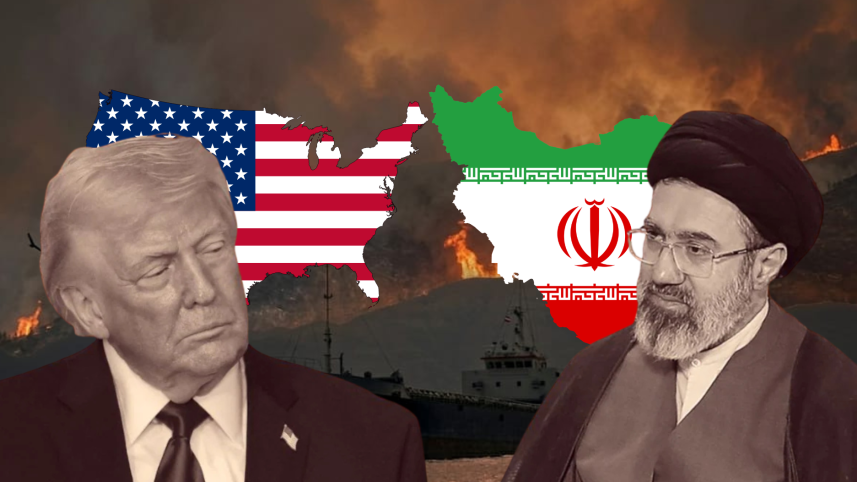
Darwin, October 21: Iran is prolonging negotiations with Washington in an attempt to politically weaken President Donald Trump ahead of the US midterm elections, according…

Darwin, October 21: Today is the auspicious occasion of Bijaya Dashami. The five-day Sharadiya Durga Puja, the biggest religious festival of the Hindu community, officially…

Darwin, October 20: Today is Maha Navami, the ninth day of Sharadiya Durga Puja. Members of the Hindu community will observe the day through religious…

Darwin, October 20: Protests and violence over the rising cost of living have erupted in Italy, one of Europe’s largest economies, following similar unrest in…
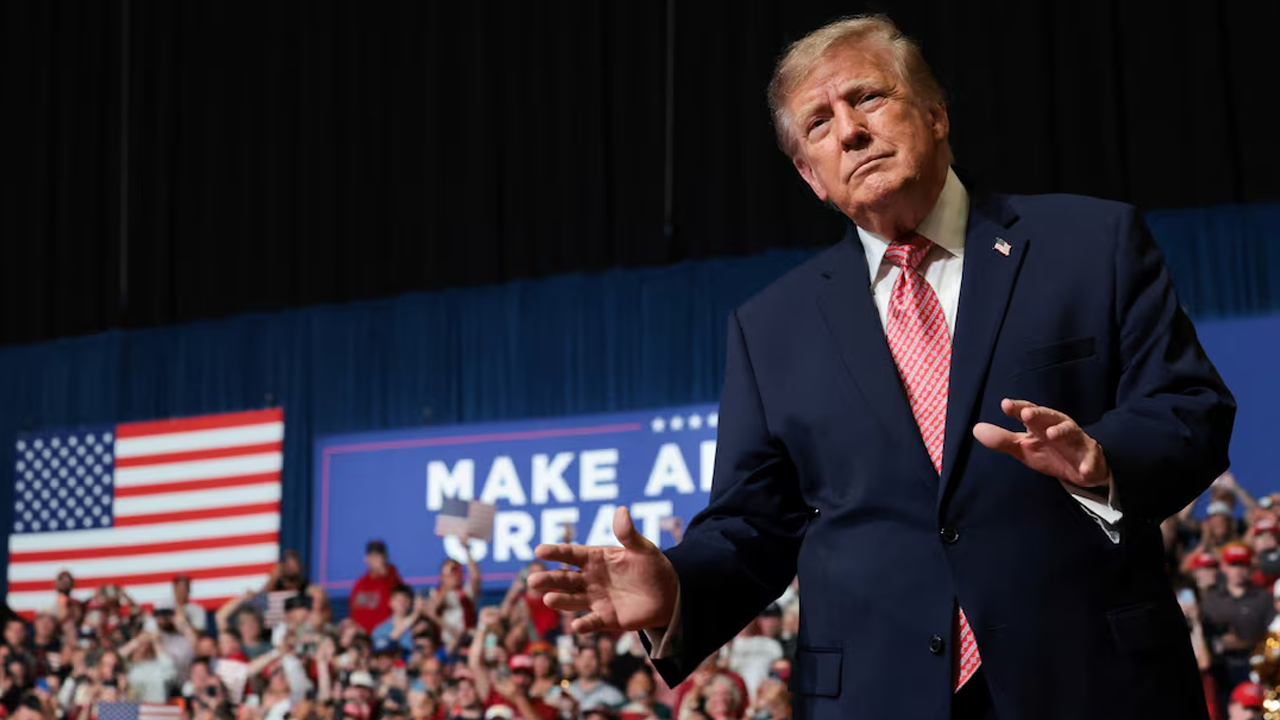
Darwin, October 20: US President Donald Trump has warned that protests and violence similar to those in France could spread across the United States if…
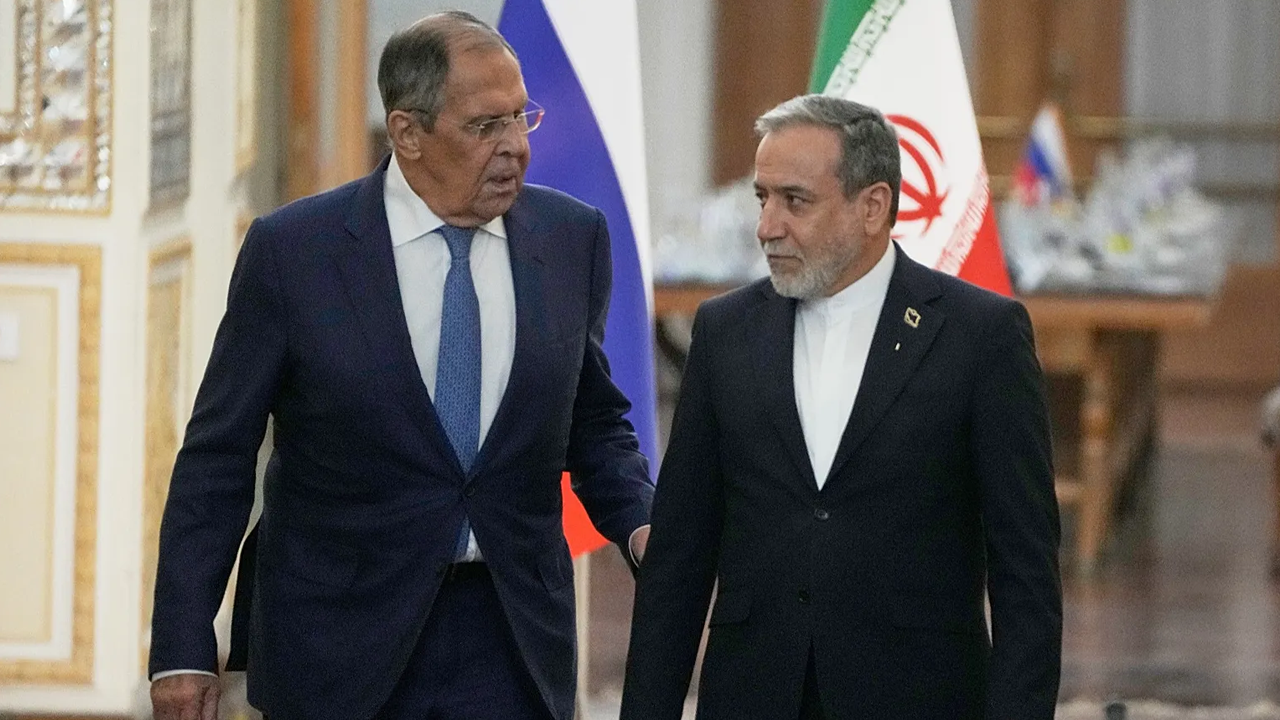
Darwin, October 20: Moscow has reaffirmed its full support for Tehran just hours after US President Donald Trump remarked that Russia was doing very little…
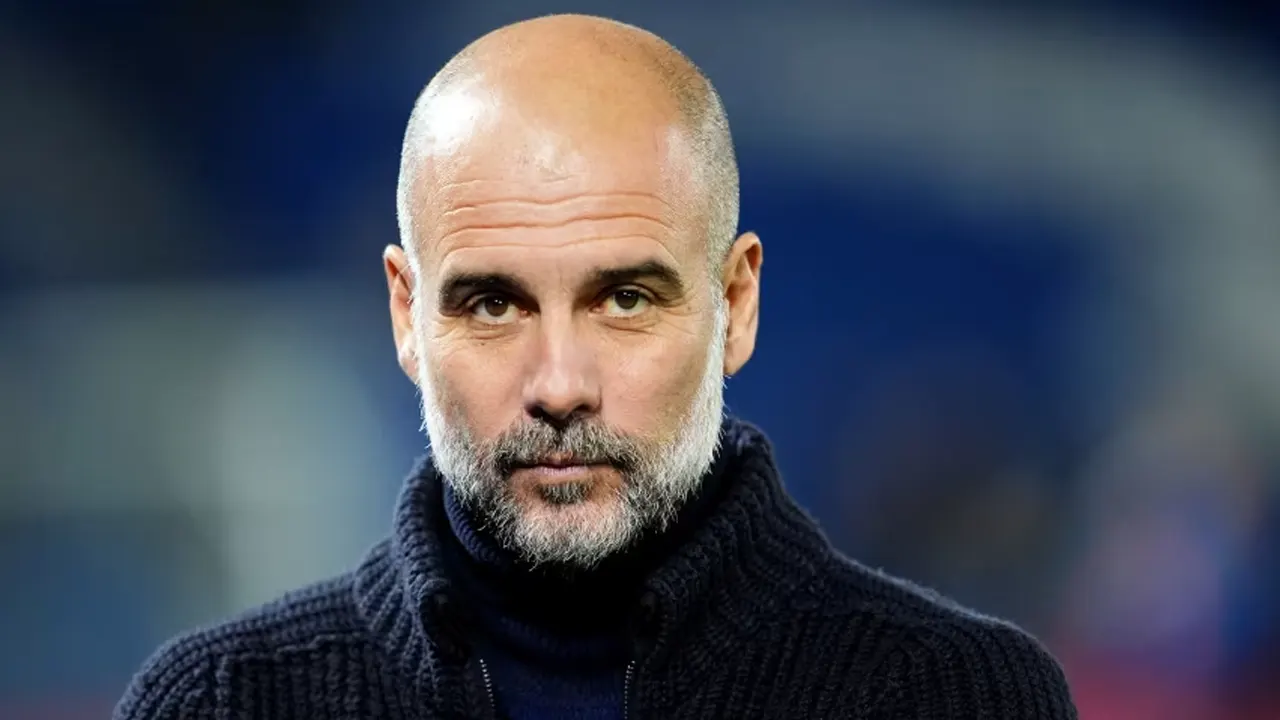
Darwin, October 19: Former Manchester City manager Pep Guardiola has urged the world not to forget the Palestinians in Gaza. In a video for the…