Oil Prices Rise in Global Markets on Fears of Middle East Supply Disruptions
Darwin, October 21: Oil prices rose in global markets on Wednesday as traders grew concerned about potential disruptions to oil supplies in the Middle East,…



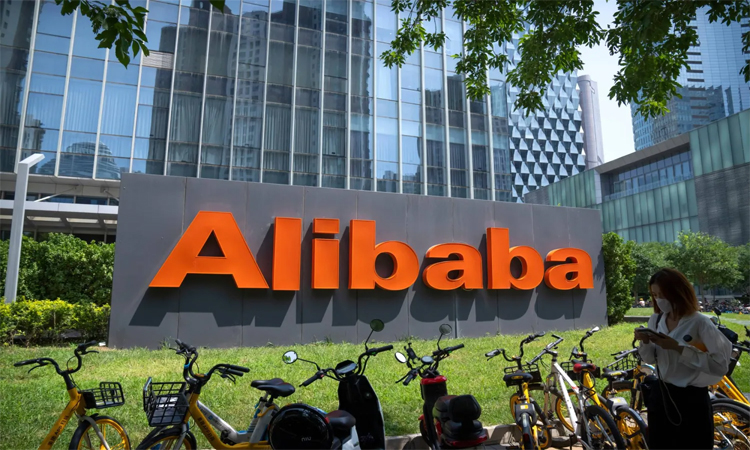
Darwin, 24 June : Chinese tech giant Alibaba Group has filed a lawsuit against the U.S. Department of Defense after it was designated as a “Chinese military company” and placed on a blacklist.
Alibaba argues that the designation is arbitrary and was made without proper legal due process. The company claims there is no factual or legal basis for the Pentagon’s decision.
According to news agency AFP, the lawsuit was filed on Monday in a federal court in San Francisco. Alibaba is challenging the Pentagon’s inclusion of the company in a newly expanded blacklist of firms allegedly linked to China’s military activities.
On June 8, the Pentagon released an updated blacklist of 80 companies and their affiliates, accusing them of supporting Chinese military operations.
The list includes major Chinese tech firms such as Alibaba and Baidu, as well as electric vehicle manufacturer BYD.
Under the new designation, the U.S. Department of Defense will be prohibited from entering into new contracts with these companies or their controlled subsidiaries starting June 30.
In its lawsuit, Alibaba also argues that the restrictions effectively limit its ability to hire lobbying firms in the United States, which it says violates the First Amendment of the U.S. Constitution.
The company claims it has already experienced real-world impacts, as lobbying representatives who previously worked with Alibaba have reportedly said they can no longer continue their work.
Alibaba further noted that it is a publicly listed e-commerce and cloud services company, with major U.S. institutional investors including JPMorgan Chase, Citigroup, and BlackRock.
In response to the U.S. decision, China imposed export controls on 10 American companies on Monday. These firms are reportedly linked to defense and rare earth mineral industries.
The move has further escalated ongoing trade tensions between the two countries.
Although U.S. President Donald Trump and Chinese President Xi Jinping recently held talks in Beijing aimed at stabilizing relations, the latest developments have put renewed pressure on diplomatic efforts.
Darwin, October 21: Oil prices rose in global markets on Wednesday as traders grew concerned about potential disruptions to oil supplies in the Middle East,…
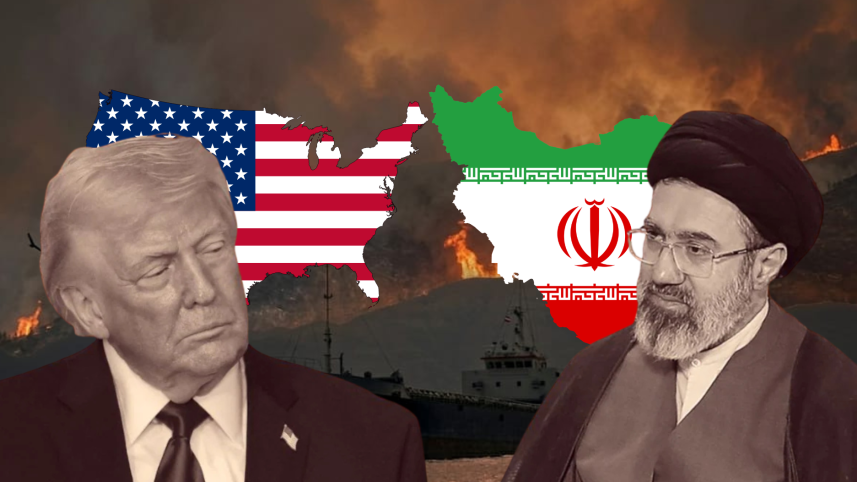
Darwin, October 21: Iran is prolonging negotiations with Washington in an attempt to politically weaken President Donald Trump ahead of the US midterm elections, according…

Darwin, October 21: Today is the auspicious occasion of Bijaya Dashami. The five-day Sharadiya Durga Puja, the biggest religious festival of the Hindu community, officially…

Darwin, October 20: Today is Maha Navami, the ninth day of Sharadiya Durga Puja. Members of the Hindu community will observe the day through religious…

Darwin, October 20: Protests and violence over the rising cost of living have erupted in Italy, one of Europe’s largest economies, following similar unrest in…
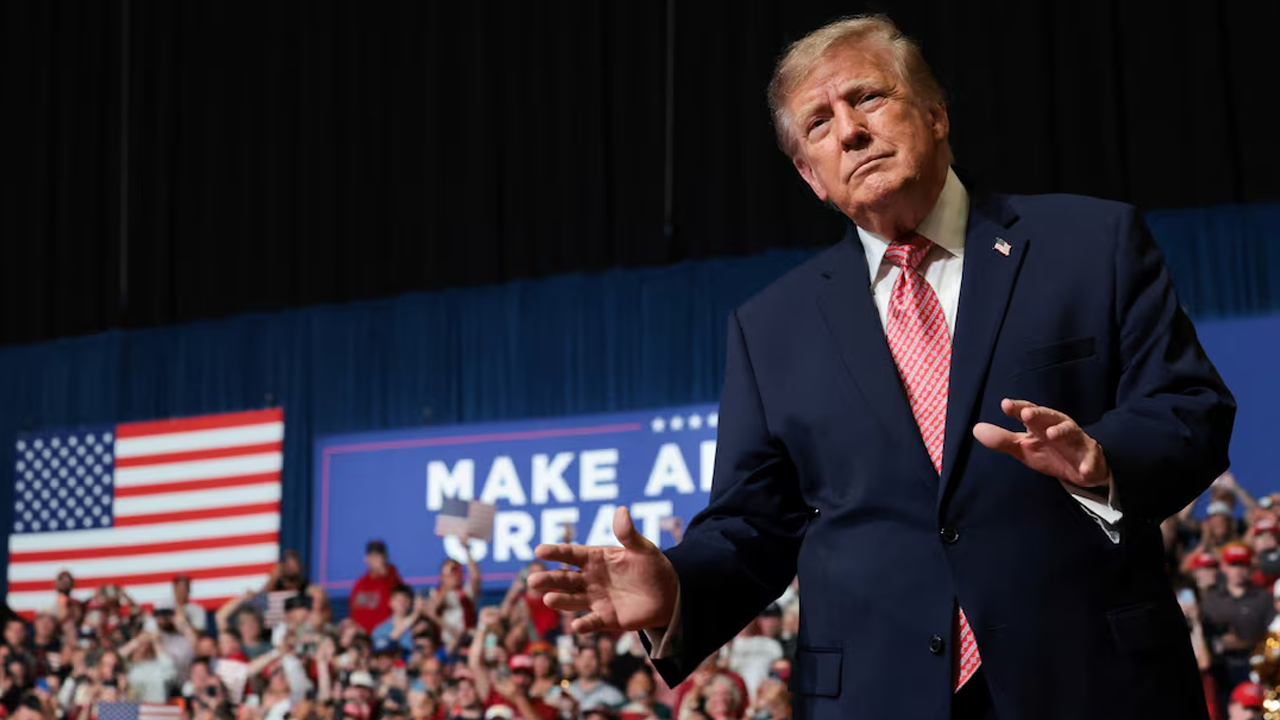
Darwin, October 20: US President Donald Trump has warned that protests and violence similar to those in France could spread across the United States if…
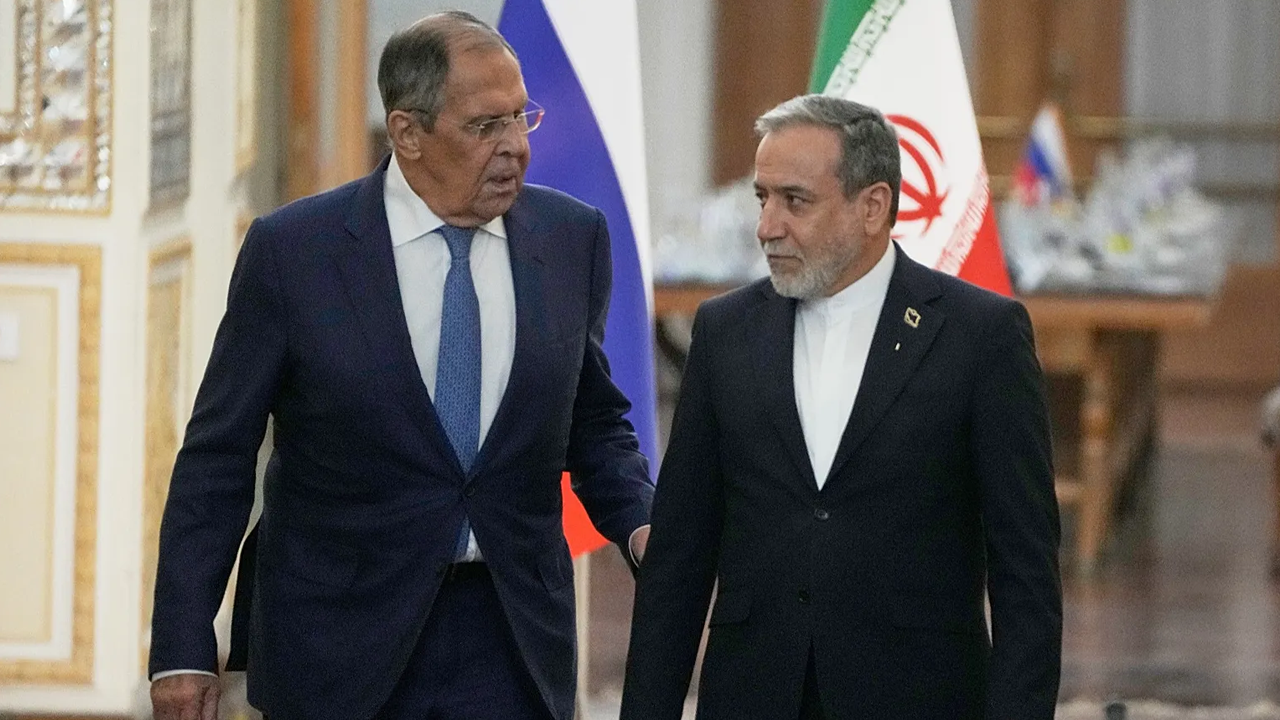
Darwin, October 20: Moscow has reaffirmed its full support for Tehran just hours after US President Donald Trump remarked that Russia was doing very little…

Darwin, October 19: Former Manchester City manager Pep Guardiola has urged the world not to forget the Palestinians in Gaza. In a video for the…