Darwin, 03 July : The death toll from the devastating earthquake that struck Venezuela a week ago has risen to 2,300, while more than 11,000 people have been injured, authorities said. According to the United Nations, nearly 50,000 people remain missing, raising fears that the number of fatalities could increase significantly in the coming days.
As the death toll continues to climb following one of the deadliest natural disasters in the country’s history, Interim President Delcy Rodríguez has declared seven days of national mourning.
Speaking on Wednesday, National Assembly President Jorge Rodríguez said the earthquake had claimed 2,300 lives, injured more than 11,000 people, and left nearly 13,000 residents homeless.
“So many lives have been lost that the soul of our nation has been deeply wounded,” Interim President Delcy Rodríguez said in a statement.
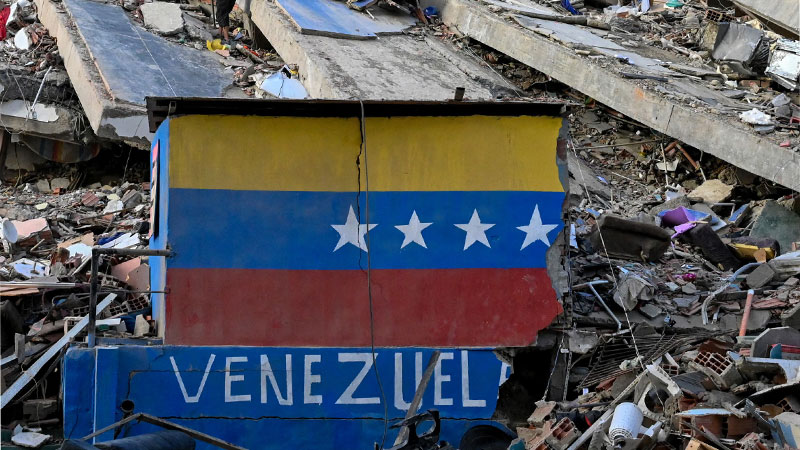
The disaster struck on June 24, when two powerful earthquakes measuring 7.2 and 7.5 on the Richter scale hit northern Venezuela. The coastal city of La Guaira suffered extensive destruction, while significant damage was also reported across several districts of the capital, Caracas.
More than a week after the earthquakes, search-and-rescue operations continue as emergency teams work tirelessly to locate survivors trapped beneath collapsed buildings. Rescue crews are clearing rubble and struggling to reach remote communities cut off by damaged roads and infrastructure.
Authorities fear the death toll will continue to rise as many victims are believed to remain buried under the debris.
Meanwhile, tens of thousands of people are still unaccounted for. In addition to those reported missing, hundreds of thousands have been directly affected by displacement, the loss of homes, and widespread damage to essential public services.
Humanitarian Crisis Deepens
The disaster has triggered a rapidly worsening humanitarian crisis across the country.
Hospitals are overwhelmed by the large number of injured patients and are facing severe shortages of medicines, medical supplies, equipment, and healthcare personnel.
Humanitarian organizations have also warned of an increasing risk of infectious disease outbreaks due to contaminated water, inadequate sanitation, and overcrowded emergency shelters.
International search-and-rescue teams from several countries are working alongside Venezuelan authorities to assist in rescue efforts. Specialized rescue units, mobile field hospitals, and emergency relief supplies have reached the affected regions, although hopes of finding more survivors beneath the rubble are fading.
While a handful of miraculous rescues have taken place in recent days, officials say the operation is gradually shifting from rescuing survivors to recovering victims’ bodies.
The twin earthquakes caused catastrophic damage to residential communities, transportation networks, and public infrastructure. The disaster has also exposed long-standing weaknesses in Venezuela’s healthcare system and disaster-response capacity.
Authorities and humanitarian agencies have warned that rebuilding the devastated communities and restoring essential infrastructure could take several years.