Darwin, 03 July : A new study has warned that a pharmaceutical trade agreement between the United Kingdom and the United States could result in as many as 229,000 additional deaths in the UK by 2036 due to increased pressure on the country’s public healthcare system.
According to Al Jazeera, the findings were published in the British Medical Journal (BMJ).
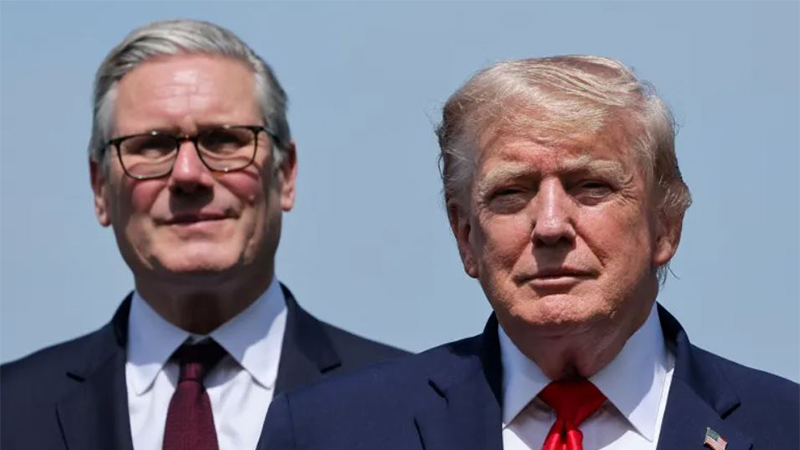
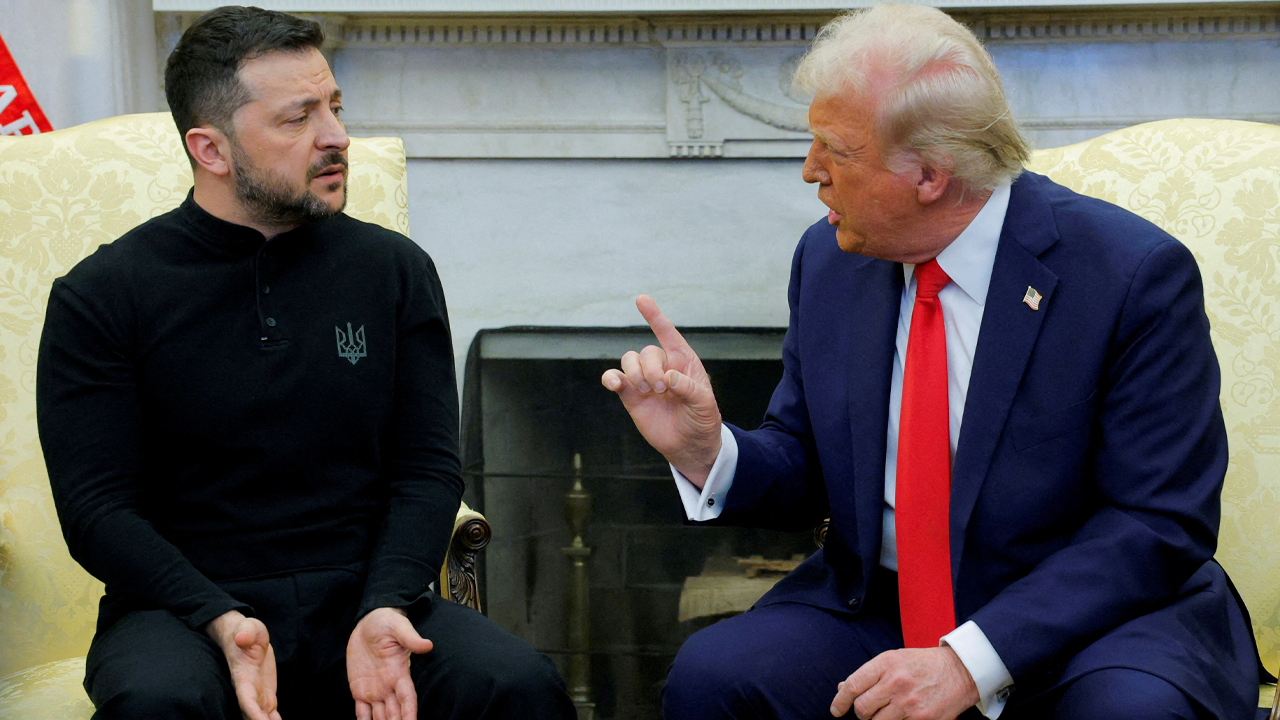
The agreement was signed in December by British Prime Minister Keir Starmer and U.S. President Donald Trump. Under the deal, the United States will waive tariffs on medicines and medical technologies exported from the UK for the next three years.
In return, the British government has committed to increasing spending on new U.S.-made medicines within the National Health Service (NHS). The agreement raises NHS spending on these medicines from 0.3% of GDP in 2026 to at least 0.6% of GDP by 2036. As a result, the share of the NHS budget allocated to purchasing medicines is expected to increase from 10% to 12%.
The BMJ study argues that the agreement will divert billions of pounds away from other essential NHS services, with ordinary patients ultimately bearing the consequences.
Defending the agreement in April, UK Science Minister Patrick Vallance said it would give NHS patients access to life-saving medicines that were previously unavailable. He also argued that tariff-free access to the U.S. market would strengthen Britain’s life sciences sector.
However, the BMJ researchers warned that unless the overall NHS budget is increased, directing such a large amount of funding toward expensive branded medicines would severely undermine other vital healthcare services.
Professor Samuel Cross, a co-author of the study from the University of Liverpool’s Department of Pharmacology and Therapeutics, told Al Jazeera that the agreement primarily benefits pharmaceutical companies at the expense of NHS patients.
“This deal protects the interests of drug companies, while NHS patients will pay the price. There is no way to hide that—the numbers speak for themselves,” he said.
Tim Bierley, a campaigner with the UK advocacy group Global Justice Now, described the agreement as a major blow to both public health and the economy.
He said billions of pounds that could have been invested in recruiting NHS staff, reducing patient waiting times, or improving hospital services would instead flow into the pockets of large pharmaceutical corporations.
According to the study’s projections, the NHS would need to spend an additional £25 million per week, or £1.3 billion annually, by 2028 to meet the agreement’s targets. That figure is expected to rise steadily, reaching £170 million per week, or £8.8 billion annually, by 2036.
Overall, the study estimates that the agreement will cost the NHS an additional £44.7 billion by 2036.
Researchers also warned that the financial burden would have wider consequences for adult social care and other public services. Every additional £1 billion diverted to pharmaceutical spending could increase illness and mortality rates, while adding another £118 million in social care costs.
The study’s most alarming finding concerns its mortality projections. Researchers estimate that reduced funding for other NHS services could result in 229,000 additional deaths by 2036. That figure exceeds the approximately 137,000 COVID-19 deaths recorded in the UK between March 2020 and June 2022.
If the indirect effects on social care are also taken into account, the total number of additional deaths could rise to 291,000, the study suggests.
The researchers said patients suffering from cardiovascular disease, respiratory illnesses, digestive disorders, and cancer would likely be the hardest hit. They also warned that overall quality of life could decline, while services related to neurological disorders, endocrine diseases, musculoskeletal conditions, and mental health could face significant pressure.
The agreement has also drawn criticism from health policy experts, who argue that it was approved without thorough parliamentary scrutiny or public debate.