Queensland Tightens E-Bike and E-Scooter Rules, Driver Licence Now Required
Darwin, September 02: Queensland has introduced strict new rules governing the use of e-bikes and e-scooters. From now on, people using these electric vehicles in…



Melbourne, August 9 — History holds many events that astonish, terrify, and provoke deep curiosity. One such event is the horrifying mass child sacrifice discovered in Peru — a tragedy that came to light in 2018. Researchers confirmed that the children were sacrificed as part of religious rituals, likely to appease the gods or prevent natural disasters.
About 500 years ago, the Chimú civilization flourished along the northern coast of present-day Peru. Between approximately 1250 and 1470 CE, the Chimú reached their golden age in the Chimor region. Their main sources of livelihood were farming and fishing.
The Chimú were skilled engineers, building an advanced irrigation system by channeling water from the Moche River to irrigate around 50,000 acres of land. This allowed them to successfully cultivate crops like maize and cotton.
Their capital city, Chan Chan, was one of the largest cities in South America at the time. Made entirely of adobe (mud bricks), it is estimated to have been home to around 100,000 people. The grand palaces that still stand today testify to their architectural brilliance. The Chimú were also renowned for their unique pottery and metalwork.
Beneath the achievements of the Chimú lies a chilling secret — the mass ritual sacrifice of hundreds of children. Archaeologists studying the ruins of the civilization discovered the skeletal remains of around 240 children, believed to have been part of a single, large-scale sacrificial event. It is the largest known case of child sacrifice ever recorded in history.
Upon examining the remains, researchers found that the rib cages of the children had been cut open to remove their hearts — one of the most gruesome aspects of the ritual. Along with the children, around 200 young llamas (camelid animals) under 18 months old were also sacrificed.
The bodies were found laid out in a uniform pattern, with heads in one direction and feet in the other. Many of the children wore traces of colorful ceremonial garments, and some had red pigment marks on their bodies — believed to be religious symbols.
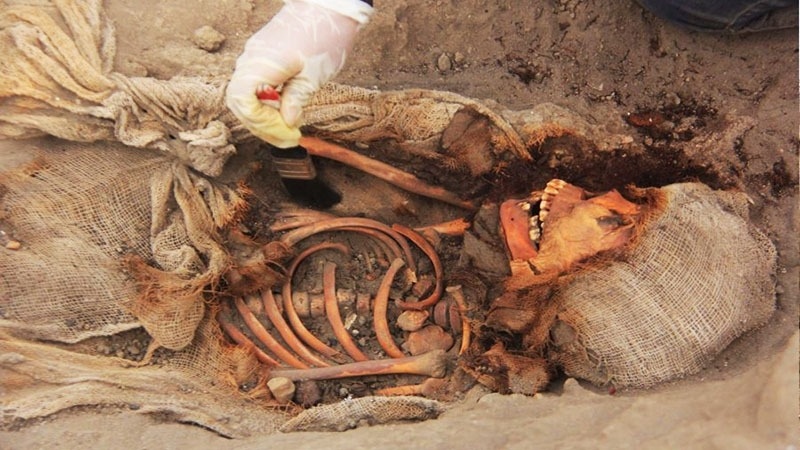
Chimú Civilization- A Horrific History of Child Sacrifice
This discovery surpasses even the Templo Mayor sacrifice in Mexico City, where 42 children were found. The Chimú site now represents the largest child sacrifice ever discovered.
The Chimú left no written records, making it difficult to determine the exact reason behind the mass sacrifice. However, the most compelling theory is that the Chimú conducted the sacrifices to appease the gods during a time of environmental catastrophe.
Archaeologists discovered layers of dried mud around the burial site, indicating that the region experienced severe floods and heavy rainfall, likely caused by the El Niño climate event. These disasters would have devastated crops, disrupted irrigation, and pushed the civilization toward crisis.
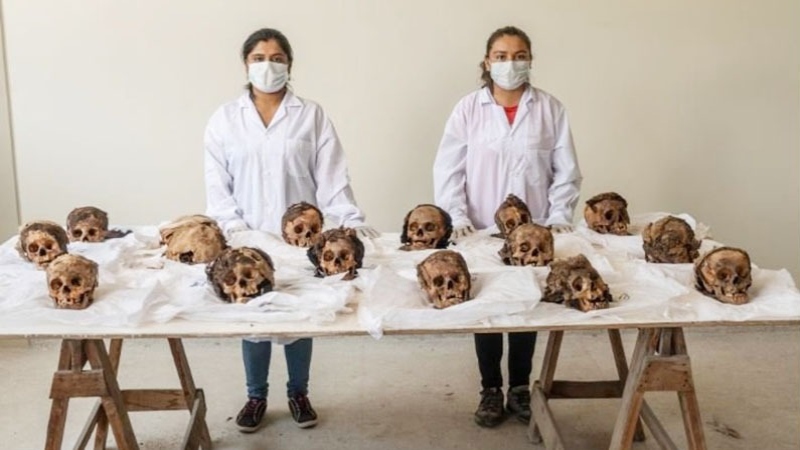
Researchers believe the Chimú interpreted these events as signs of divine anger, and in a desperate attempt to save their society, they sacrificed what they considered their most precious offerings — children.
Carbon dating places the event between 1400 and 1450 CE, just before the fall of the Chimú. It is believed that rulers or religious leaders ordered the sacrifice, believing it was necessary for the survival of the community.
In 1470 CE, the Chimú were conquered by the Inca emperor Túpac Inca Yupanqui, who captured their last king, Minchancaman. This marked the end of the Chimú as an independent power and their absorption into the expanding Inca Empire.
The horrific child sacrifices, which occurred just decades before this conquest, reflect the desperation and spiritual turmoil of a civilization on the brink of collapse.

Darwin, September 02: Queensland has introduced strict new rules governing the use of e-bikes and e-scooters. From now on, people using these electric vehicles in…
Darwin, September 02 : A total of 227 Indian nationals were recruited into the Russian armed forces, of whom 139 have already been discharged. However,…
Darwin, September 01 : Hours after a US attack, Iran launched missile strikes against American targets at several locations across the Middle East, according to…
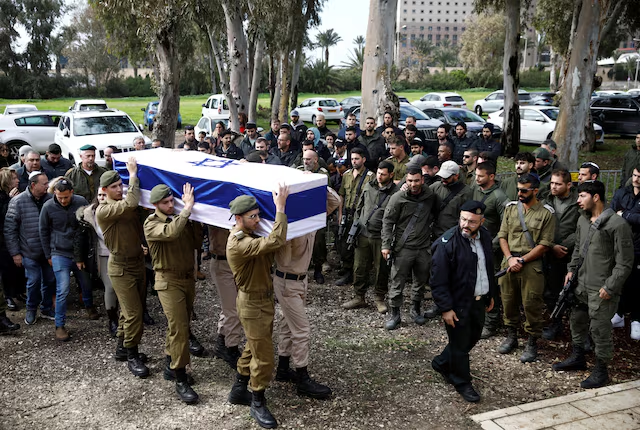
Darwin, September 01: Iran’s Armed Forces senior spokesman, Brigadier General Abolfazl Shekarchi, has claimed that more than 1,000 Israeli military personnel were killed and several…

Darwin, August 30: According to a report by Indian news agency ANI, Mohan Bhagwat, chief of the Rashtriya Swayamsevak Sangh (RSS), the ideological parent organisation…
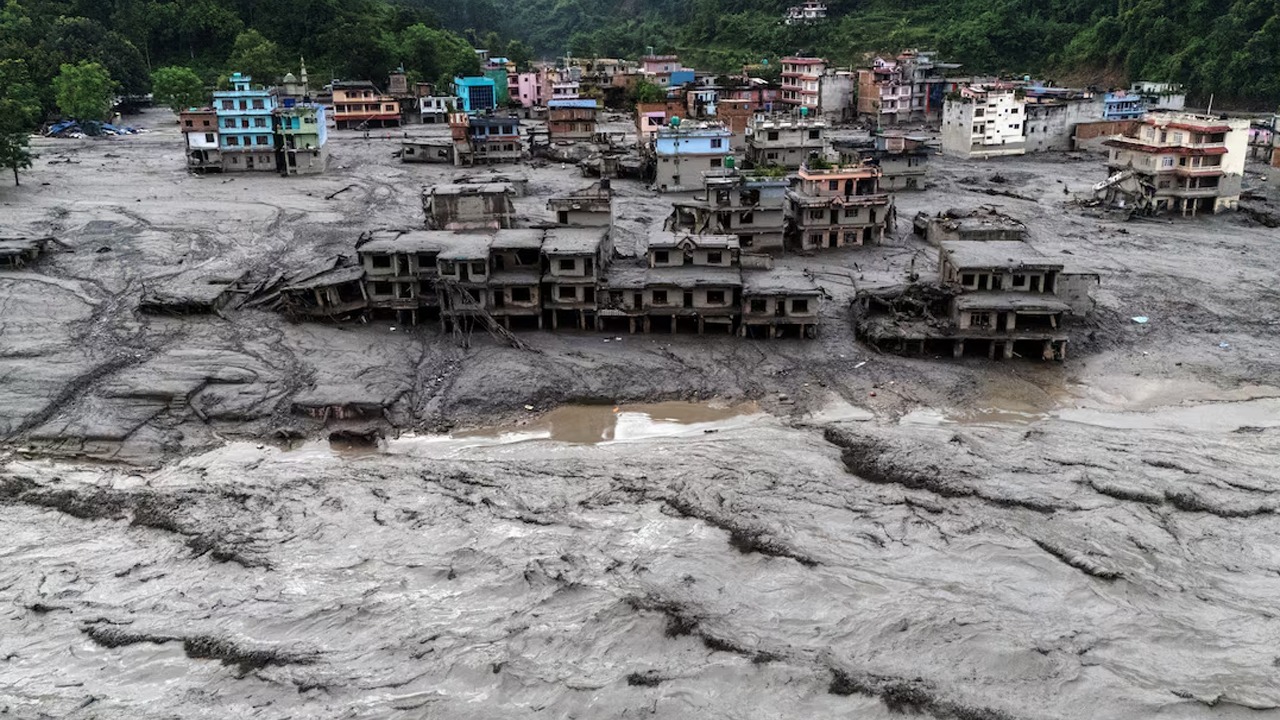
Darwin, August 30: The death toll from devastating floods and landslides along the Nepal–China Tibet border has risen to 750. Nepal’s disaster management authorities reported…

Darwin, August 30: Ukrainian President Volodymyr Zelensky has announced plans to further increase Ukraine’s long-range drone attacks against Russia. He said a target has been…
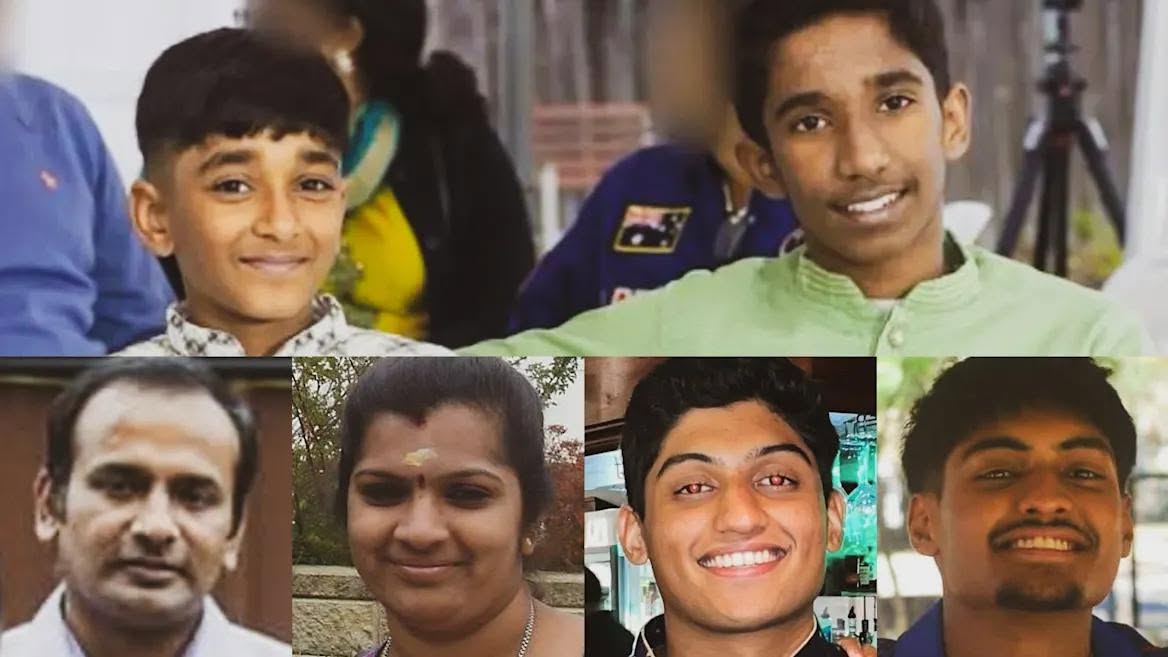
Darwin, August 28: At least 39 Australian citizens are among nearly 1,500 people still missing following devastating flash floods and landslides in areas along the…