Navi Pillay, Who Fought for Gaza, Wins Nobel Peace Prize
Darwin, October 09: Navanetham “Navi” Pillay, a South African jurist who led a United Nations investigative commission that described Israel’s actions in Gaza as genocide,…



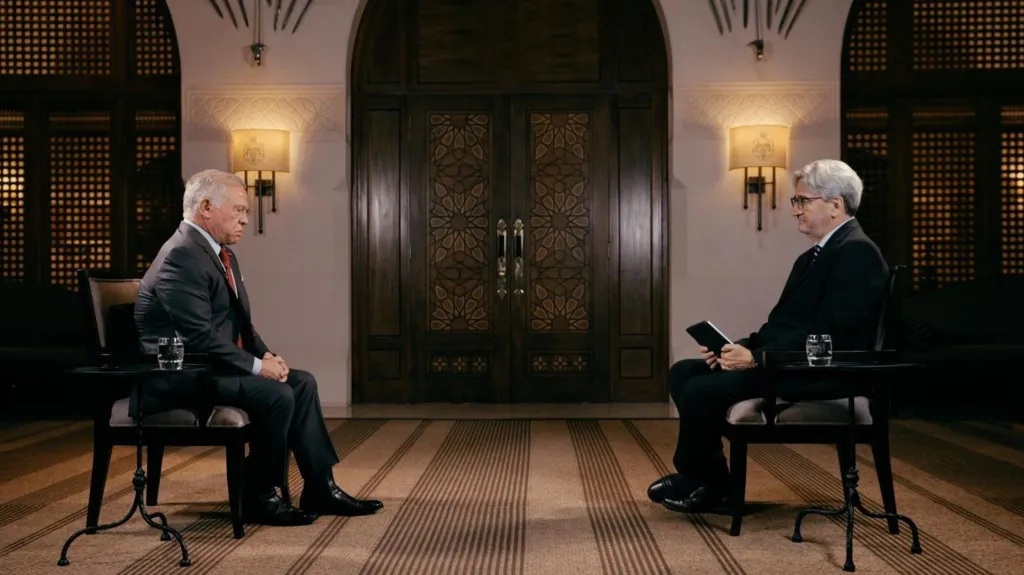
SHARM EL-SHEIKH, EGYPT – As regional leaders gather in Egypt for a critical summit on US President Donald Trump’s 20-point peace plan, King Abdullah II of Jordan has issued a stark, unambiguous warning: the Middle East is “doomed” if a credible peace process leading to an independent Palestinian state is not established.
Speaking in an exclusive interview for BBC Panorama, the Jordanian monarch emphasized that the creation of a Palestinian state in the West Bank and Gaza, existing peacefully alongside Israel—the long-sought two-state solution—is the only viable path forward.
“If we don’t solve this problem,” King Abdullah stressed, “if we don’t find a future for Israelis and Palestinians and a relationship between the Arab and Muslim worlds and Israel, we’re doomed.”
The Two-State Imperative vs. Israeli Rejection
King Abdullah’s urgent call comes at a pivotal moment. The summit coincides with the successful exchange that saw the last 20 living Israeli hostages released from Gaza in return for Palestinian prisoners and detainees—a key element of President Trump’s mediated ceasefire agreement.
The Jordanian leader, whose country shares a long border and peace treaty with Israel, insists the region needs a “political horizon,” or it risks repeating the violence of the last two years, which included not only the Gaza conflict but also an Israeli-Iranian clash and an Israeli attack on Hamas leadership in Qatar.
“How close have we come to regional, if not a southern-northern divide conflict that would have encompassed the whole world?” he questioned, highlighting the perilous scale of recent escalation.
The King’s stance directly conflicts with that of Israeli Prime Minister Benjamin Netanyahu, who has repeatedly rejected the two-state solution, most emphatically during his address at the United Nations General Assembly last month.
Netanyahu used the Gaza conflict as proof of his position, stating: “In fact, they effectively had a Palestinian state – in Gaza. What did they do with that state? Peace? Co-existence? No, they attacked us time and time again… they committed the October 7 massacre.”
The Trump Plan and the “Devil in the Detail”
Despite the deep chasm in Israeli and Arab visions for the future, King Abdullah expressed cautious optimism about the current American-led diplomatic push.
He recalled President Trump’s message to regional leaders: “‘This has to stop. It has to stop now.’ And we said, ‘You know, Mr President, if anybody can do it, it’s you.’”
The king noted that the President is aiming for peace across the whole region, which “doesn’t happen unless the Palestinians have a future.”
However, he warned that the “devil was in the detail” of the sprawling Trump-mediated agreement. He also stressed the absolute necessity for the US President to remain personally and deeply engaged once the Gaza ceasefire is fully implemented, to ensure the momentum toward a political solution is not lost.
On the question of Hamas and its willingness to hand over governance of Gaza to an independent Palestinian body—a requirement of the ceasefire deal—King Abdullah was somewhat reassured, saying that Qatar and Egypt, who are working closely with the militant group, “feel very, very optimistic that they will abide by that.”
A Legacy on the Line
The King, who signed a peace treaty with Israel in 1994, admitted his distrust of Prime Minister Netanyahu, stating he does not “trust a thing he says.” However, he maintains a belief that there are other Israelis with whom Arab leaders can work to achieve lasting peace.
With more than 50% of Jordan’s population being of Palestinian descent, the issue is not just geopolitical but internal. Asked if he believes he will see a final peace agreement with a Palestinian state in his lifetime, King Abdullah’s response was deeply personal and resolute.
“I have to, because the alternative would mean probably the end of the region,” he said, invoking his late father, King Hussein, who sought peace for his own children and grandchildren.
“I have two grandchildren; they deserve that peace. How awful would it be for them to grow up to say the same thing that my father said years ago? And I think that’s what galvanises me and many of us in the region, that peace is the only option.”
The summit attempts to translate the ceasefire momentum into a lasting political arrangement, but with over 67,000 people killed in Gaza since the war began and key players still fundamentally opposed on the two-state solution, the stakes for the entire region have never been higher.
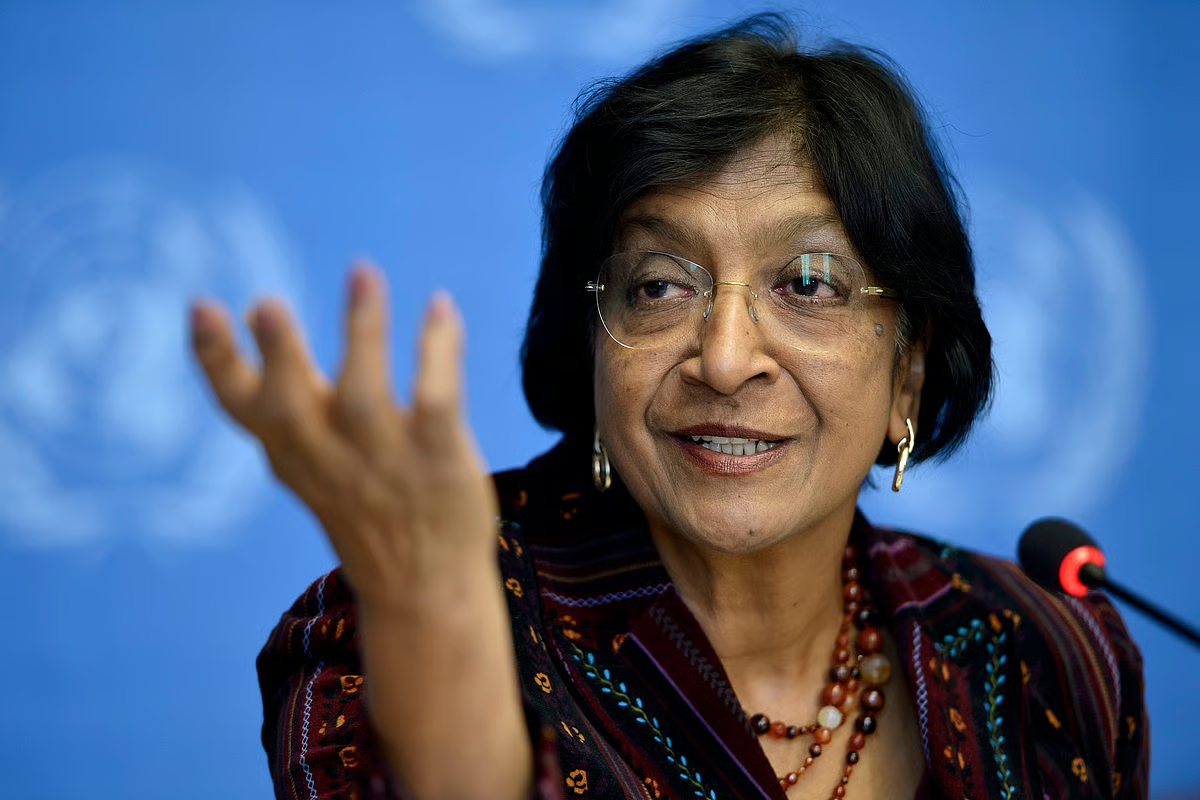
Darwin, October 09: Navanetham “Navi” Pillay, a South African jurist who led a United Nations investigative commission that described Israel’s actions in Gaza as genocide,…
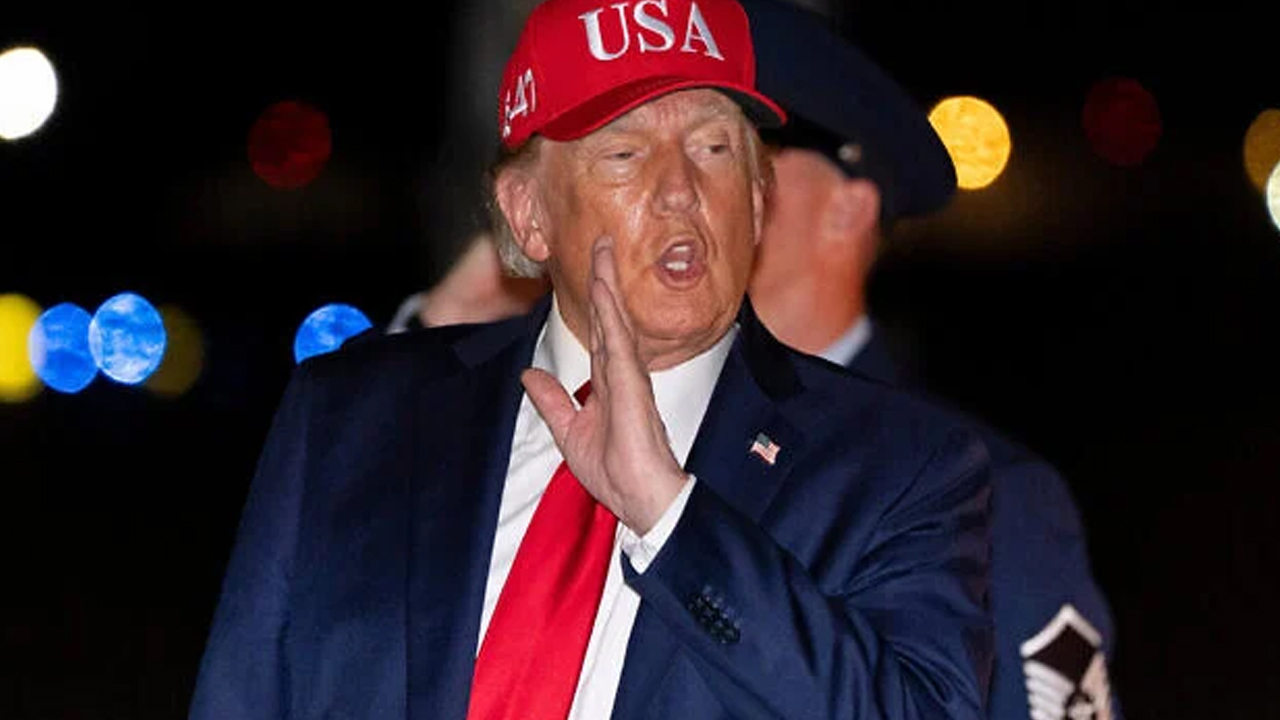
Darwin, October 08: U.S. President Donald Trump said on Wednesday that he deserves to win the Nobel Peace Prize, while expressing doubts that he would…
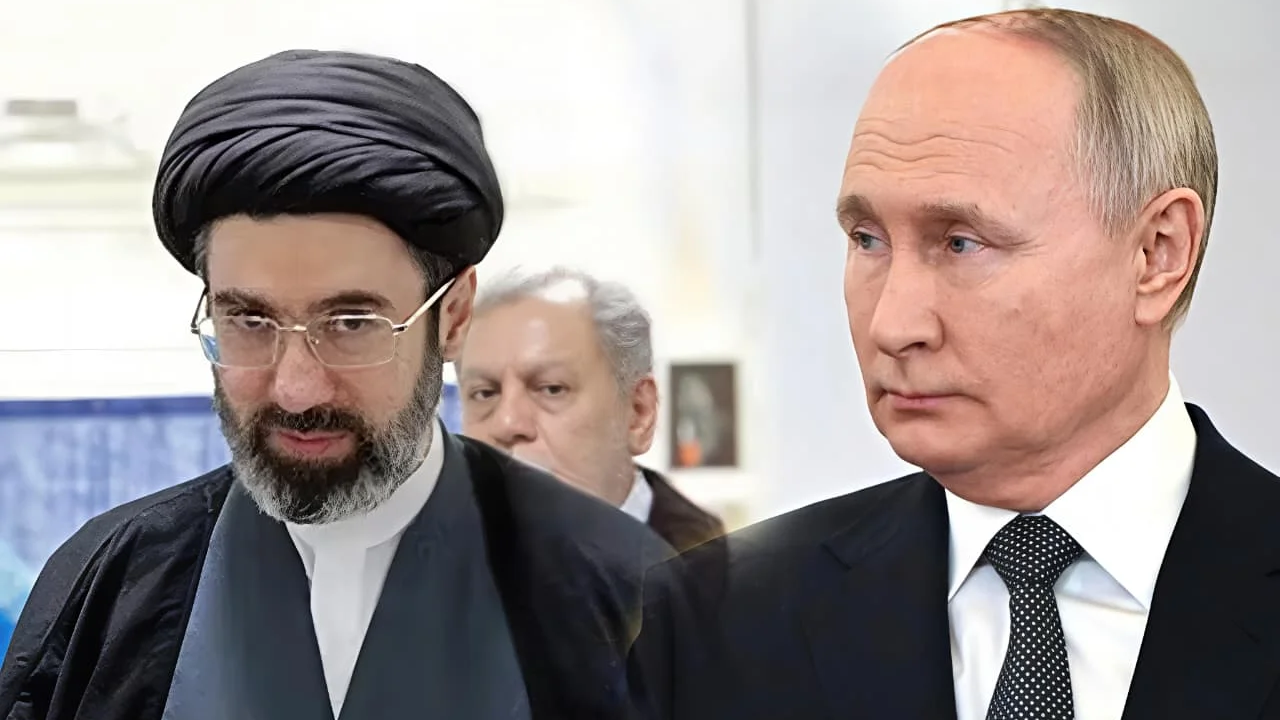
Darwin, October 07: Russia has finalized preparations to provide Iran with a $1 billion loan. The funds will be transferred once Tehran provides the necessary…
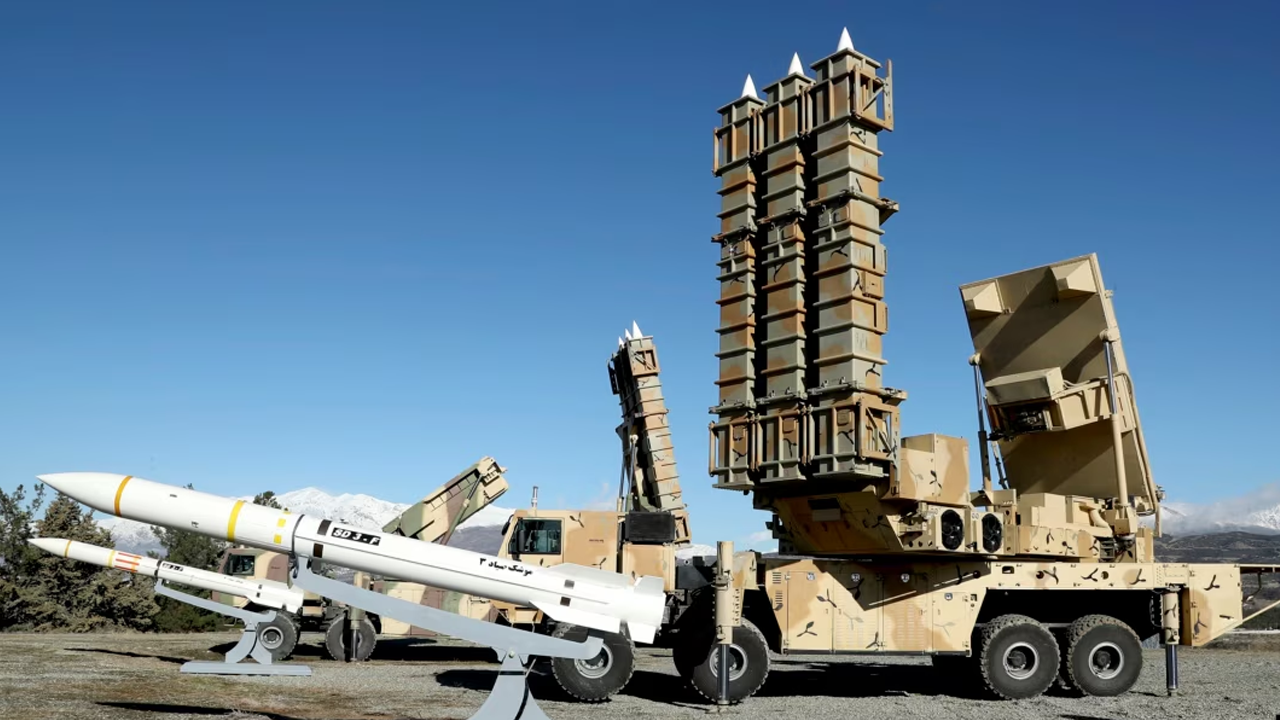
DARWIN, October 7: Iran has warned that it will deliver a stronger response if the United States or Israel launches another attack. The country also…

Darwin, October 05: Deaths in Australia are expected to outnumber births by the 2060s, according to a government report, marking a demographic milestone that countries…

Darwin, October 04: Ten people, including three children, have been injured after a car crashed into a crowd of rugby league fans in Newcastle, eastern…

Darwin, October 4: Australia’s central bank has raised interest rates to their highest level in 15 years, increasing mortgage repayments for millions of Australian households….
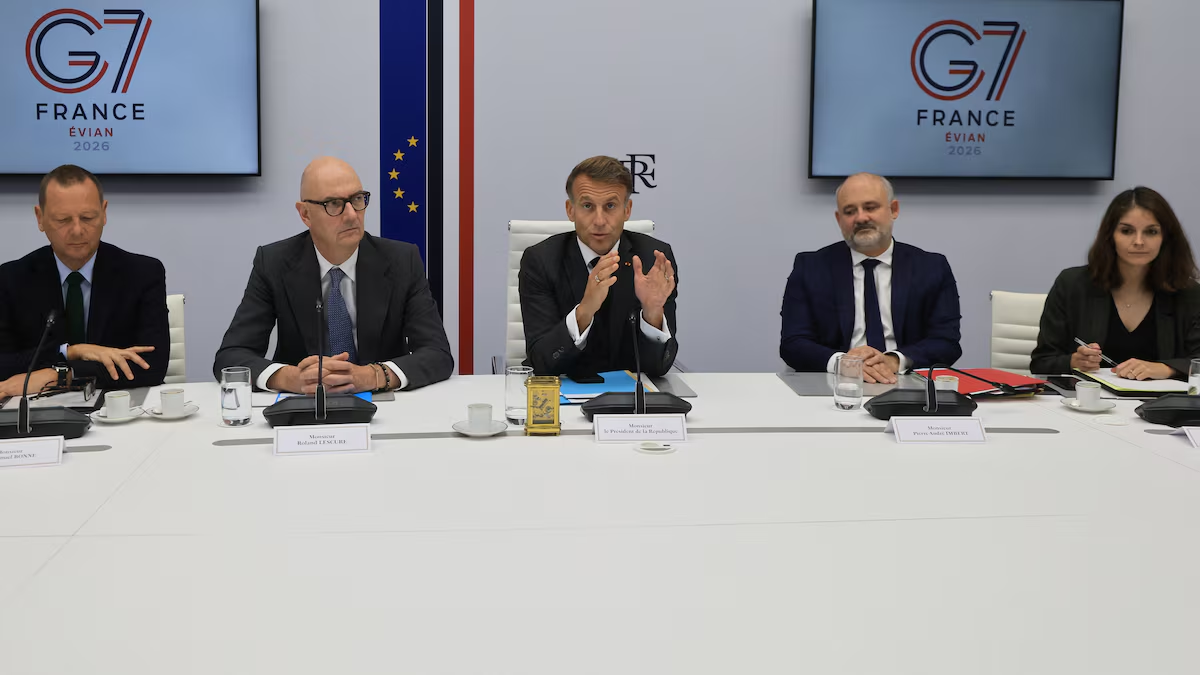
Darwin, October 3: Under pressure from US President Donald Trump to bring down rising fuel prices, G7 leaders are set to release up to 100…