Navi Pillay, Who Fought for Gaza, Wins Nobel Peace Prize
Darwin, October 09: Navanetham “Navi” Pillay, a South African jurist who led a United Nations investigative commission that described Israel’s actions in Gaza as genocide,…



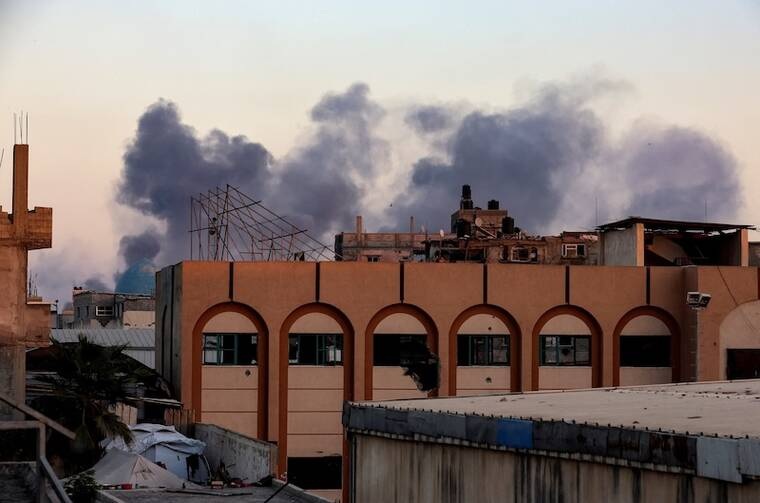
JERUSALEM/CAIRO/WASHINGTON D.C. – A fragile ceasefire in Gaza faced its most severe test yet on Sunday after an attack killed two Israeli soldiers, triggering a wave of retaliatory airstrikes that Palestinians say left 26 people dead. The Israeli military announced the U.S.-brokered truce had resumed following the escalation. The military said it struck Hamas targets across the enclave—including field commanders, a tunnel, and weapons depots—after militants used an anti-tank missile and gunfire to kill the soldiers. Speaking aboard Air Force One, U.S. President Donald Trump insisted the ceasefire remains in place and suggested that the leadership of Hamas may not be responsible for the violations.
“We think maybe the leadership isn’t involved in that,” Trump told reporters, adding, “Either way… it’s going to be handled toughly but properly.” When asked whether the subsequent Israeli strikes were justified, the President admitted, “I’d have to get back to you on that.”
Trump speculated that some Hamas cells would “not” honor the truce, leading him to suggest the need for “Gulf Arab states, to get forces in there, to actually apply some law and order and security keeping on the ground.” Israeli Prime Minister Benjamin Netanyahu confirmed he had ordered the military to respond forcefully to what he termed Hamas’ violations.
Following the attack, Israel initially announced a halt to aid supplies into Gaza, citing a “blatant” violation of the truce. However, an Israeli security source later confirmed that aid would resume on Monday following U.S. pressure. The temporary halt raised fears among Palestinians, prompting families to flee their homes in Khan Younis and citizens to rush to markets to buy goods, reminiscent of past conflict escalation.
The new ceasefire, which took effect on October 10 after two years of war, continues to be plagued by mutual accusations of breaches and unresolved issues. A key sticking point is the dispute over the remains of deceased hostages. Israel accuses Hamas of being too slow in handing over the bodies of the 28 deceased captives, of which only 12 have been released so far. Hamas counters that it requires special equipment to recover bodies buried under rubble.
The Rafah border crossing between Gaza and Egypt, a crucial humanitarian conduit, remains shut, with Israel linking its reopening to Hamas fulfilling its ceasefire obligations. The UN has stressed that despite an increase in the flow of aid before Sunday’s halt, far more is needed to address the hundreds of thousands affected by famine. Long-term issues, including Hamas disarmament, the future governance of Gaza, and the composition of an international “stabilization force,” have yet to be resolved, leaving the prospect of a durable peace uncertain.
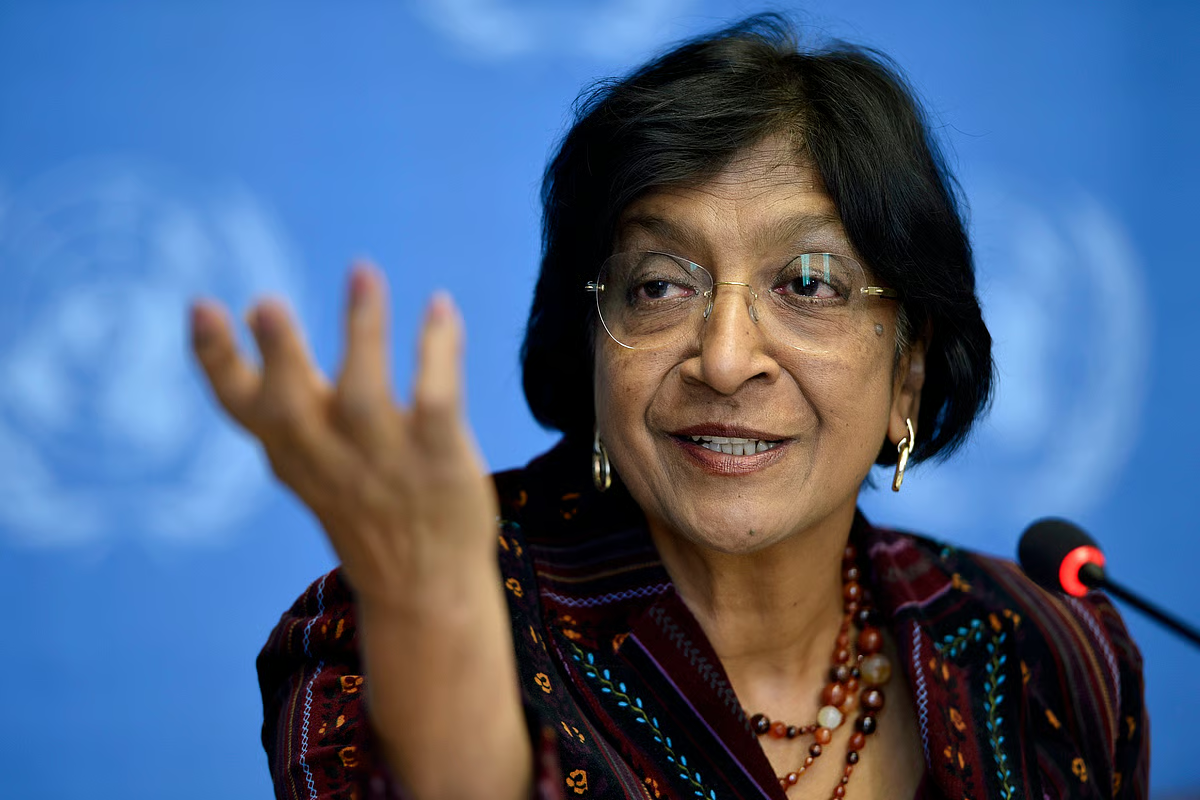
Darwin, October 09: Navanetham “Navi” Pillay, a South African jurist who led a United Nations investigative commission that described Israel’s actions in Gaza as genocide,…
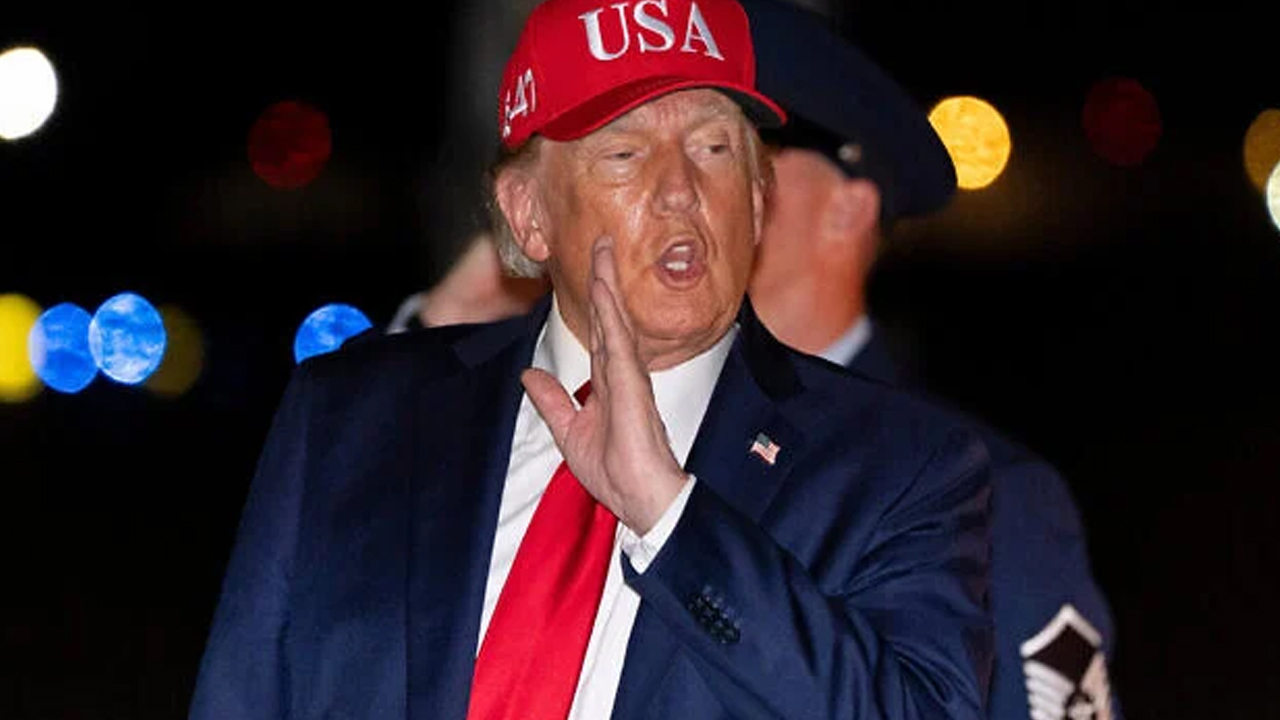
Darwin, October 08: U.S. President Donald Trump said on Wednesday that he deserves to win the Nobel Peace Prize, while expressing doubts that he would…

Darwin, October 07: Russia has finalized preparations to provide Iran with a $1 billion loan. The funds will be transferred once Tehran provides the necessary…
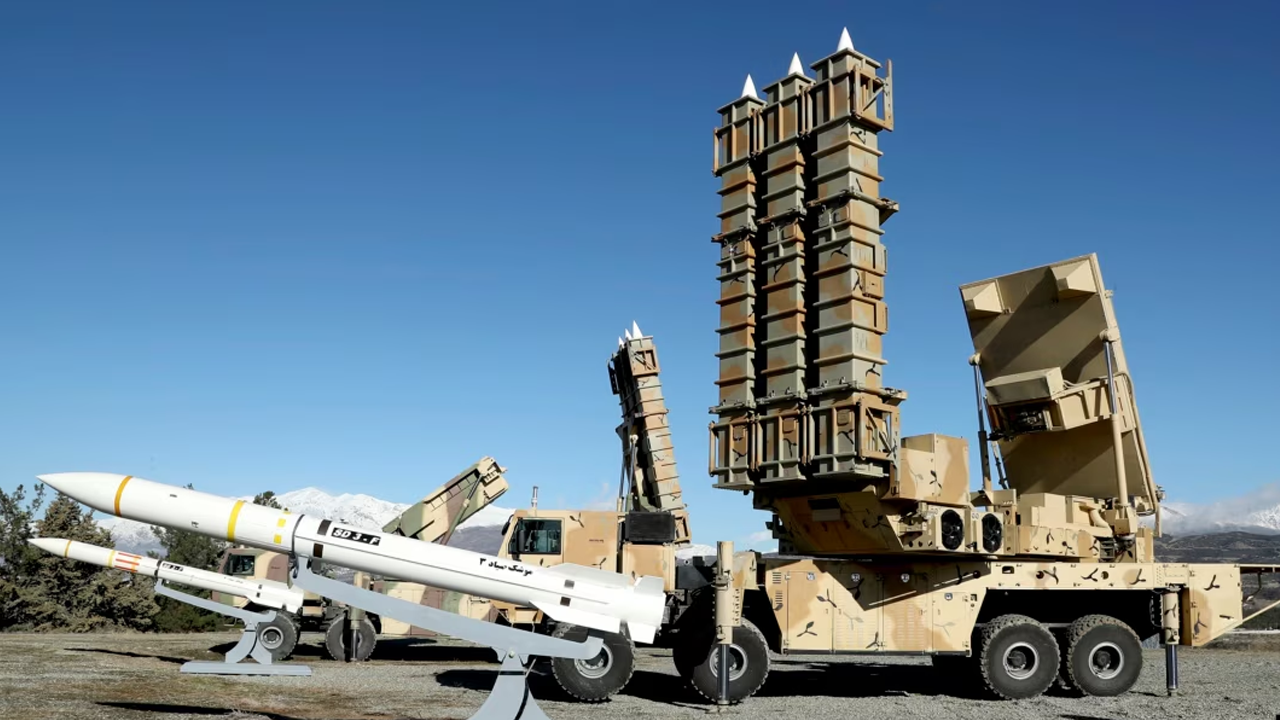
DARWIN, October 7: Iran has warned that it will deliver a stronger response if the United States or Israel launches another attack. The country also…

Darwin, October 05: Deaths in Australia are expected to outnumber births by the 2060s, according to a government report, marking a demographic milestone that countries…

Darwin, October 04: Ten people, including three children, have been injured after a car crashed into a crowd of rugby league fans in Newcastle, eastern…

Darwin, October 4: Australia’s central bank has raised interest rates to their highest level in 15 years, increasing mortgage repayments for millions of Australian households….

Darwin, October 3: Under pressure from US President Donald Trump to bring down rising fuel prices, G7 leaders are set to release up to 100…