Navi Pillay, Who Fought for Gaza, Wins Nobel Peace Prize
Darwin, October 09: Navanetham “Navi” Pillay, a South African jurist who led a United Nations investigative commission that described Israel’s actions in Gaza as genocide,…



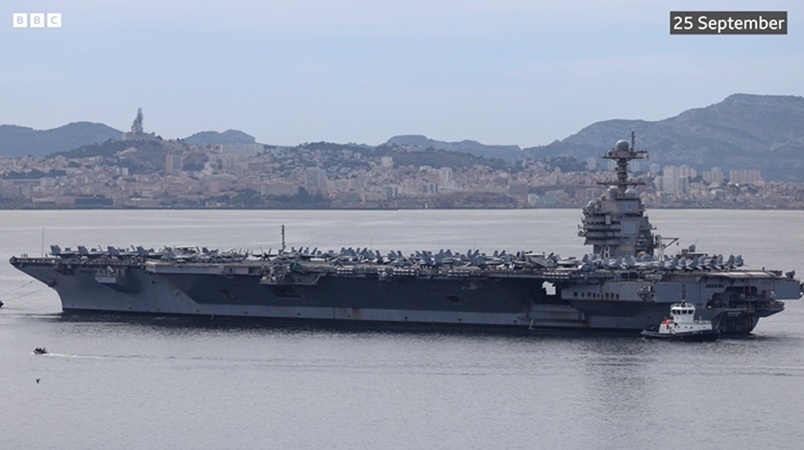
CARIBBEAN / CARACAS – Venezuela’s President Nicolás Maduro has forcefully accused the US of “fabricating a new war” after the US deployed the world’s largest warship, the USS Gerald R Ford aircraft carrier, to the Caribbean region. The move marks a massive increase in US military presence and firepower near the country.
The US, which does not recognize Maduro as Venezuela’s legitimate leader, claims the deployment is part of an expanded effort to disrupt drug trafficking and dismantle transnational criminal organizations.
Maduro, however, sees the military build-up as a direct threat aimed at removing him from power, telling state media, “They promised they would never again get involved in a war, and they are fabricating a war.”
The USS Gerald R Ford, capable of carrying up to 90 aircraft, was deployed to the US Southern Command area of responsibility, which includes the Caribbean and parts of Central and South America. Pentagon spokesman Sean Parnell said the additional forces “will enhance and augment existing capabilities to disrupt narcotics trafficking.”
The deployment is widely seen as a significant escalation, especially after US President Donald Trump repeatedly raised the possibility of “land action” in Venezuela. “We are certainly looking at land now, because we’ve got the sea very well under control,” Trump stated earlier this week.
CNN reports that the Trump administration is considering targeting cocaine facilities and trafficking routes inside Venezuela itself.
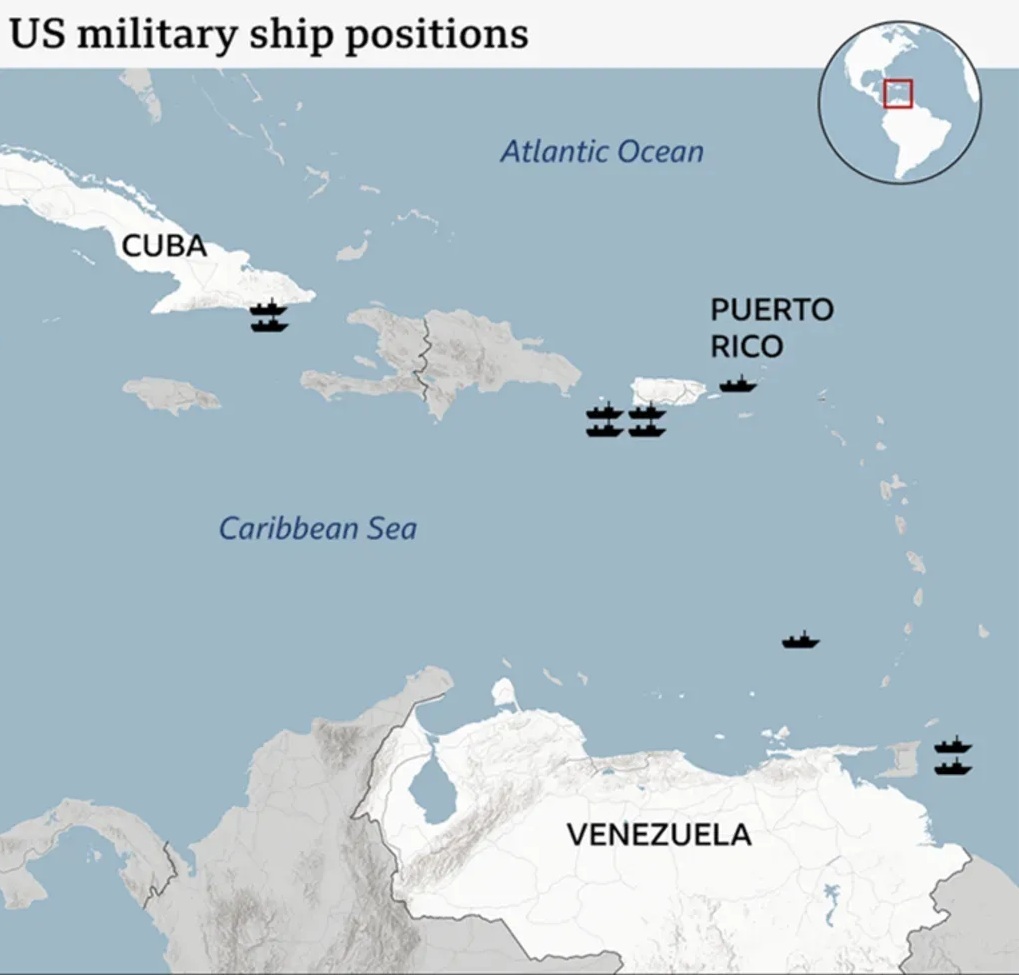
Military analysts and experts have questioned both the scale of the deployment and the legality of the US’s actions. The US has conducted 10 air strikes on vessels in the region, killing at least 43 people, since early September.
Defence Secretary Pete Hegseth confirmed that “six male narco-terrorists” from the Venezuelan-based transnational criminal organization, Tren de Aragua, were killed in a recent operation.
However, Dr. Christopher Sabatini of Chatham House argued to the BBC that the real objective is regime change, not drug interception: “The hope is this is about signalling,” intended to “strike fear” into the Venezuelan military and Maduro’s inner circle to provoke a move against him.
The US air strikes have faced bipartisan criticism in Congress, with members raising concerns over the President’s authority to order such military action without explicit approval. Brian Finucane, a former State Department lawyer, called the situation a “constitutional crisis” due to the White House usurping Congress’s principal control over the use of military force.
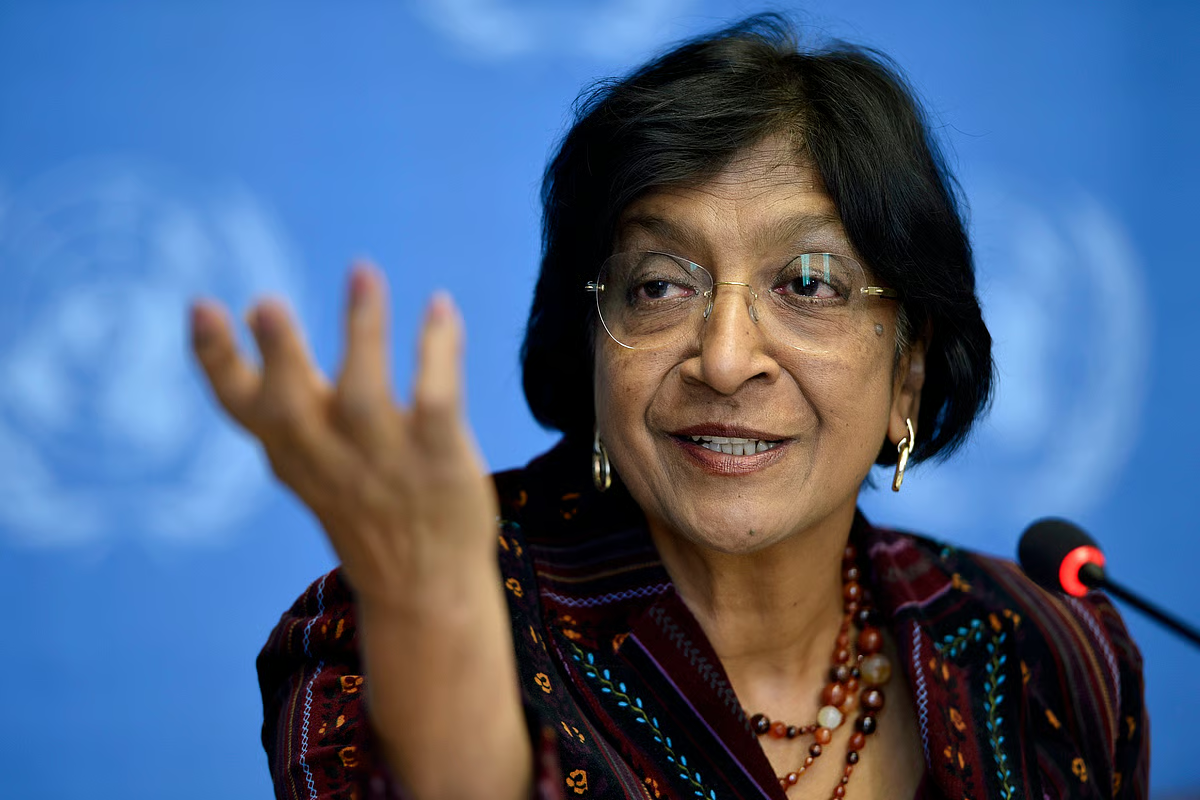
Darwin, October 09: Navanetham “Navi” Pillay, a South African jurist who led a United Nations investigative commission that described Israel’s actions in Gaza as genocide,…
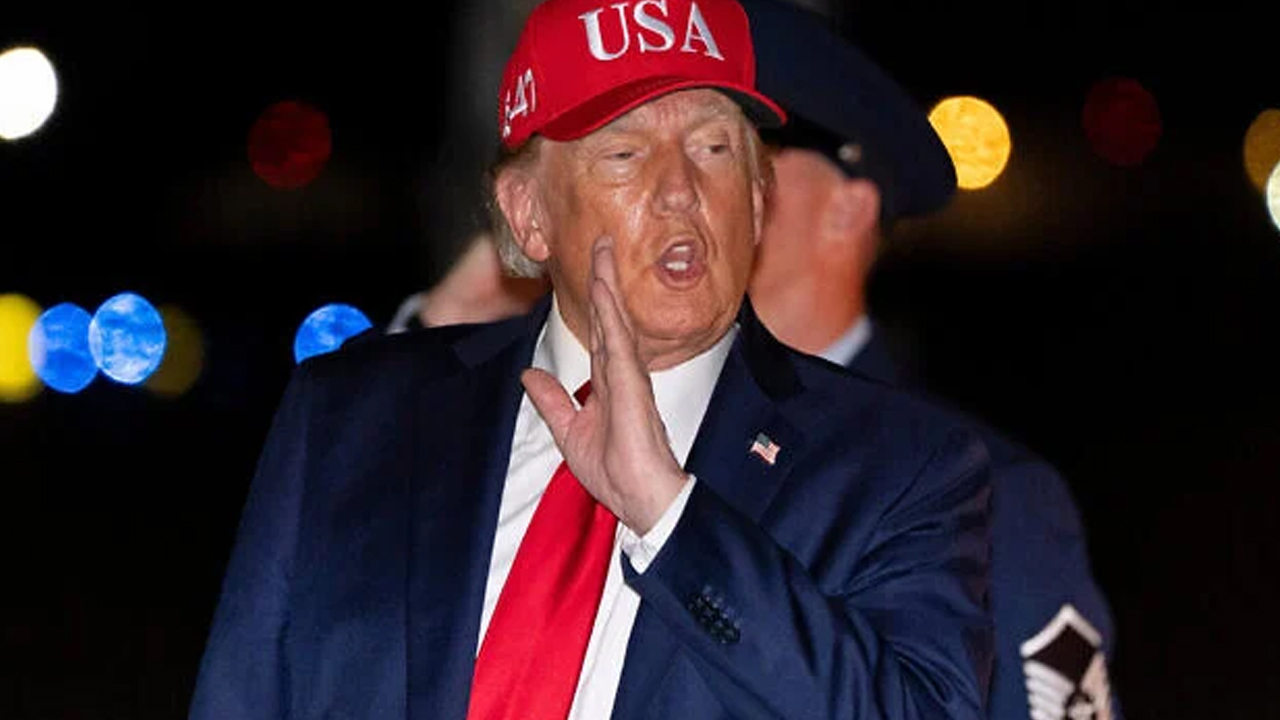
Darwin, October 08: U.S. President Donald Trump said on Wednesday that he deserves to win the Nobel Peace Prize, while expressing doubts that he would…
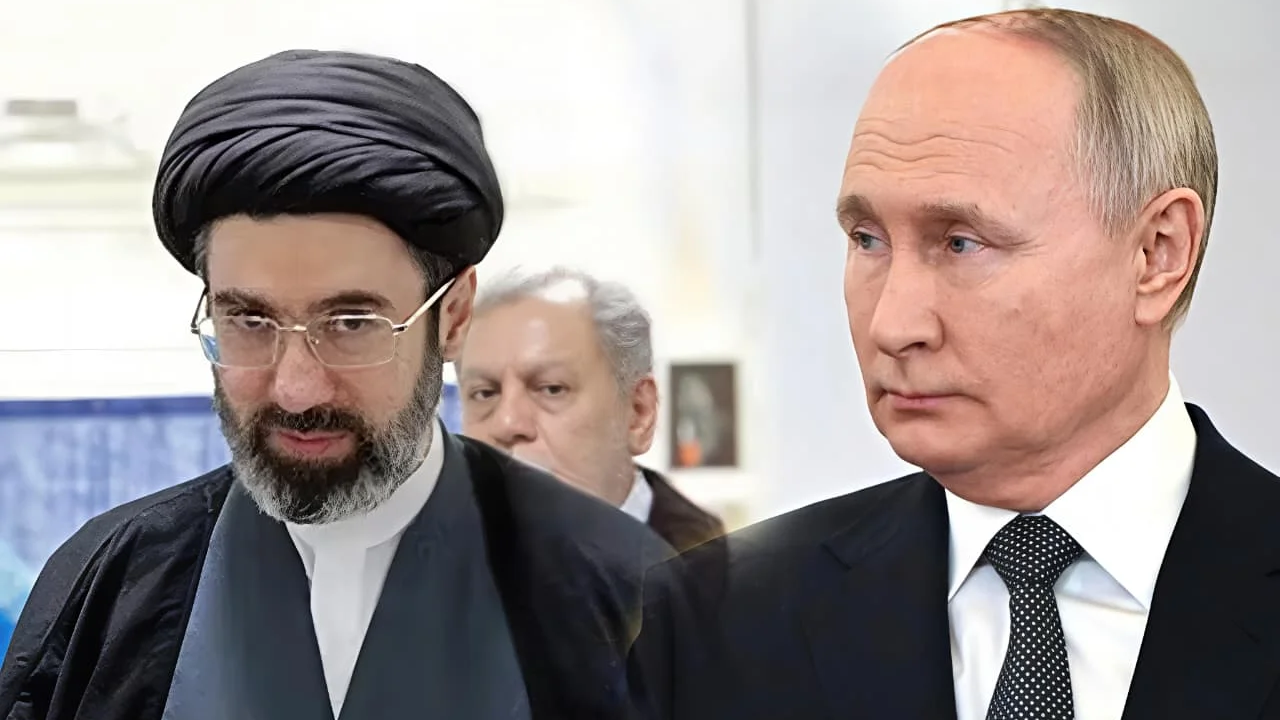
Darwin, October 07: Russia has finalized preparations to provide Iran with a $1 billion loan. The funds will be transferred once Tehran provides the necessary…
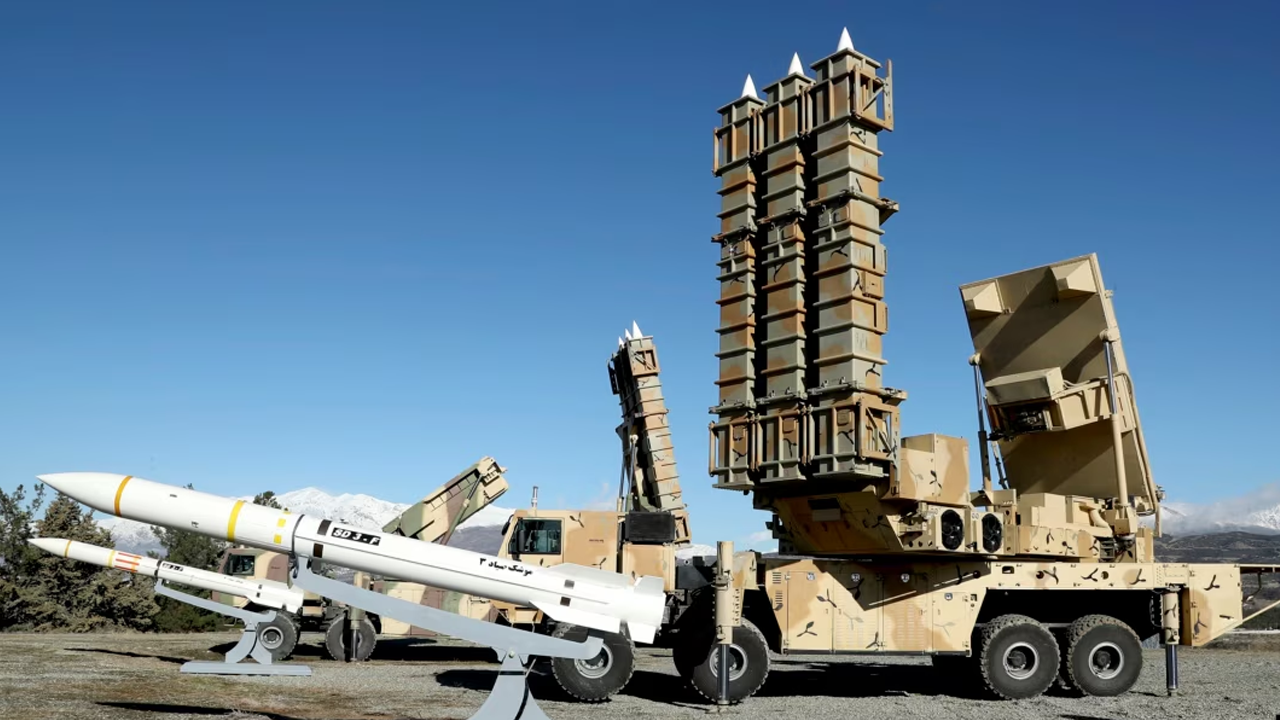
DARWIN, October 7: Iran has warned that it will deliver a stronger response if the United States or Israel launches another attack. The country also…

Darwin, October 05: Deaths in Australia are expected to outnumber births by the 2060s, according to a government report, marking a demographic milestone that countries…
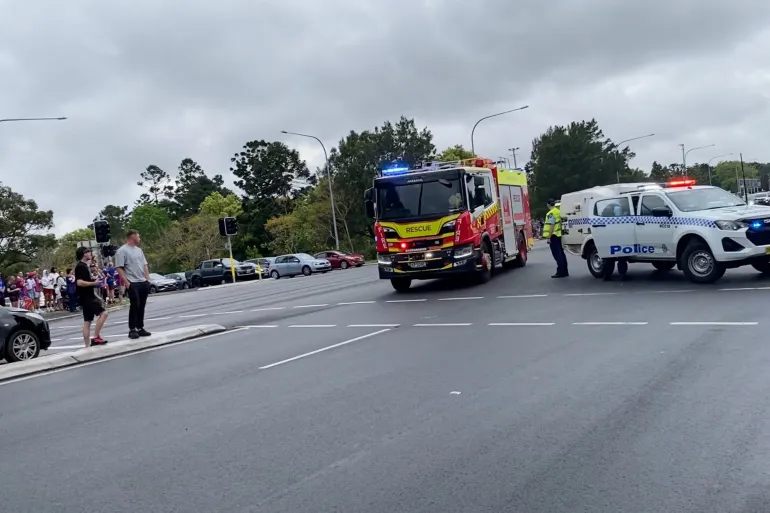
Darwin, October 04: Ten people, including three children, have been injured after a car crashed into a crowd of rugby league fans in Newcastle, eastern…
Darwin, October 4: Australia’s central bank has raised interest rates to their highest level in 15 years, increasing mortgage repayments for millions of Australian households….
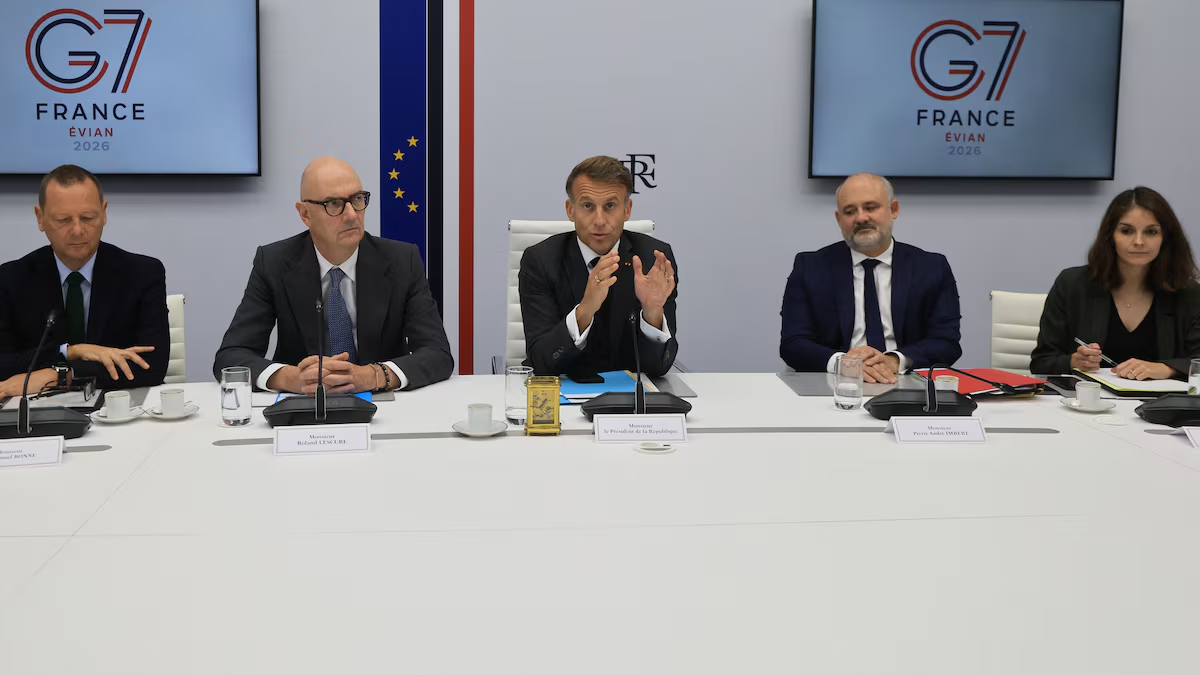
Darwin, October 3: Under pressure from US President Donald Trump to bring down rising fuel prices, G7 leaders are set to release up to 100…