Global Diesel Market Faces Severe Supply Crunch After Russia’s Export Ban
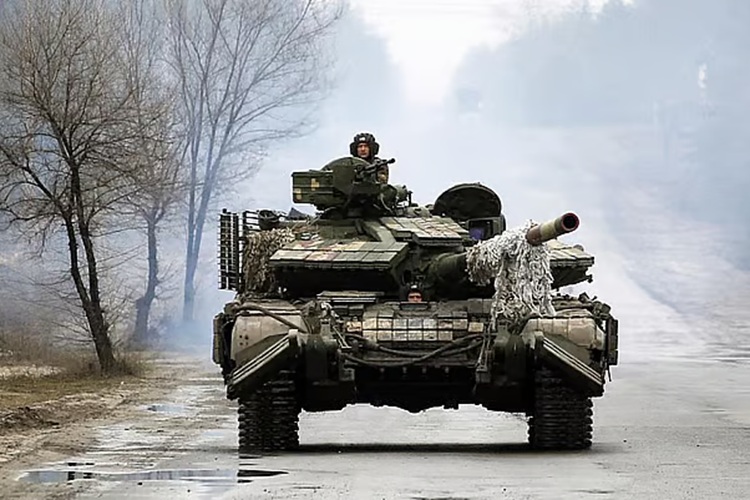
Darwin, 11 July : The global energy market has once again been thrown into turmoil after Russia imposed a ban on diesel exports. Following Ukrainian…



Darwin, 24 November-
Significant progress has been made in Geneva discussions on a U.S.-proposed peace plan to end the Russia-Ukraine war, U.S. Secretary of State Marco Rubio said.
This was reported by the BBC on Monday.
However, he cautioned, “Some issues remain that require further discussion.”
After a meeting on Sunday with Ukrainian and European negotiators, Rubio told reporters that the open issues in the 28-point U.S. draft plan have significantly decreased, and the day was very productive.
Ukrainian President Volodymyr Zelensky also said that “positive signals” are coming from Donald Trump’s team.
There were concerns among Ukraine and European allies that the draft plan might favor Russia. Putin’s description of the plan as a “basis for resolution” heightened Western anxieties.
Earlier, Zelensky had warned that Ukraine might face tough choices—risking either loss of dignity or losing a major ally.
A joint U.S.-Ukraine statement released after the meeting said that both countries agreed on an “updated and refined peace framework.” Over the next few days, “important work” will continue to finalize the joint proposal.
Rubio added that the final approval of the agreement will require the signatures of the U.S. and Ukrainian presidents before it is sent to Russia. Some issues remain sensitive.
Meanwhile, various media reports suggested that European countries led by the UK, France, and Germany have prepared an alternative plan. Rubio denied the existence of any such plan.
On Sunday, Trump said, “Ukraine shows zero gratitude for U.S. efforts.” He also pointed out that Ukraine’s close European allies are still buying oil from Russia, which is a major source of Moscow’s war funding.
Contents of the 28-Point U.S. Proposal
According to the U.S. proposal, Ukraine would withdraw troops from the eastern part of Donetsk, while Russia would effectively retain control of Donetsk, Luhansk, and Crimea. The southern regions of Kherson and Zaporizhzhia would be maintained as suspended borders along the current frontlines.
The Ukrainian armed forces would be capped at 600,000 personnel, and European fighter jets could be deployed in Poland. Ukraine would never be allowed to join NATO.
Kyiv would receive “reliable security guarantees,” though details remain unclear. The plan assumes Russia will not attack Ukraine or neighboring countries, and NATO will not expand further.
Finally, the plan proposes reintegrating Russia into the global economy, including potential sanctions relief and rejoining the G8. Overall, many believe the proposal favors Russia, raising concerns among Ukraine and its allies.
Currently, Russia controls about 20% of Ukraine’s territory and is advancing slowly on various fronts.
Timeline, Controversies, and Rubio’s Explanation
Trump had initially set a deadline for Ukraine to accept the proposal by the coming Thursday, although he later stated, “This is not my final proposal.” After concerns from Europe, Canada, and Japan, he eased the deadline.
Rubio said, “I am very optimistic that we will reach a resolution within a reasonable timeframe—whether on Thursday or another day.”
Before the meeting, the U.S. had to clarify ownership of the draft plan. Several U.S. senators claimed Rubio told them that the draft was actually Russia’s proposal.
Rubio rejected this allegation as “completely false,” stating that the plan was prepared by the United States, though Moscow and Kyiv played a “role” in it.
The State Department also called the senators’ claims “false.”

Darwin, 11 July : The global energy market has once again been thrown into turmoil after Russia imposed a ban on diesel exports. Following Ukrainian…

Darwin, 11 July : U.S. President Donald Trump has warned that if the Iranian government succeeds in assassinating him or attempts to do so, the…
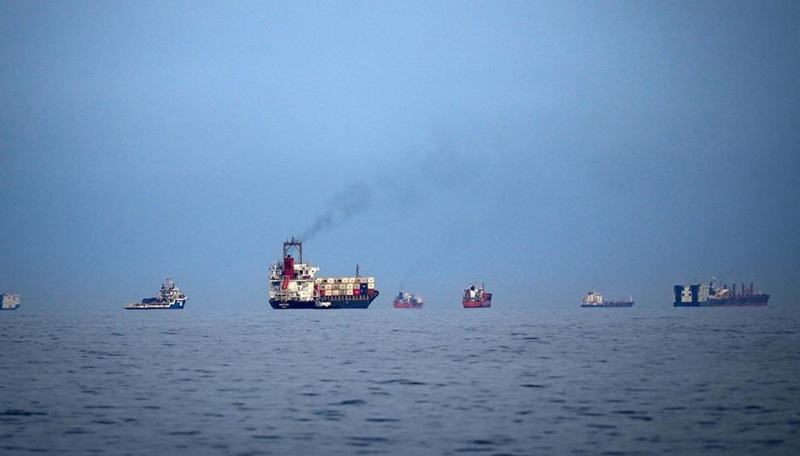
Darwin, 11 July: The United States has claimed that Iran has acknowledged that the attack on commercial vessels in the Strait of Hormuz was a…

Darwin, 11 July : Italy will not participate in any military operation against Iran, Prime Minister Giorgia Meloni reaffirmed on Wednesday as tensions in the…
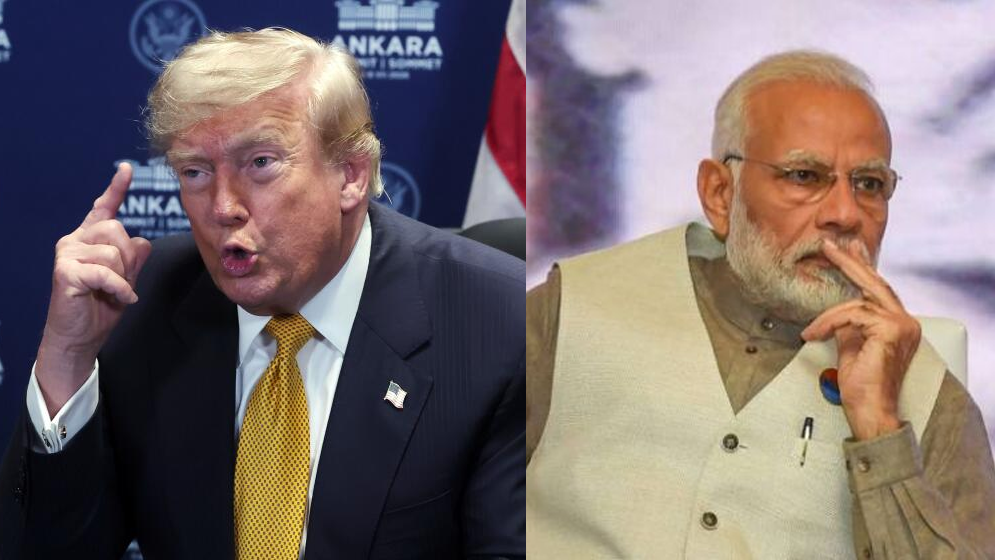
Darwin, 11 July: India’s stock market suffered a major setback after a sudden rise in global crude oil prices. Tensions in the Middle East escalated…
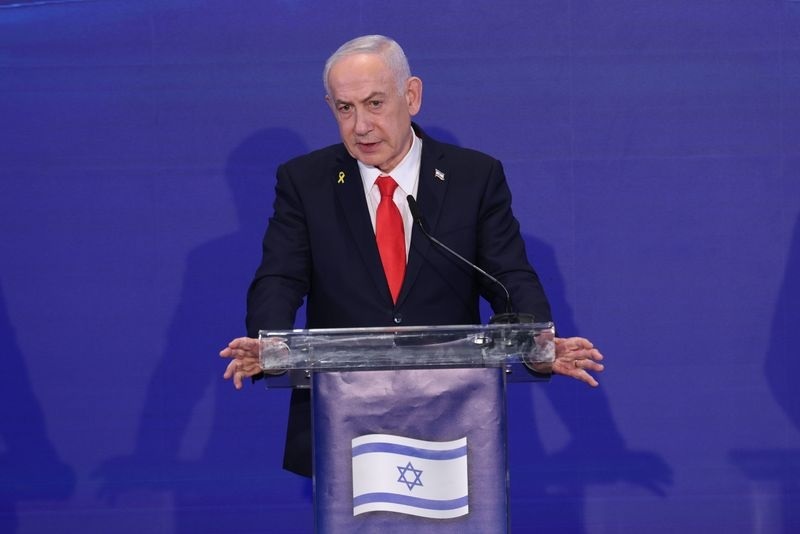
Darwin, 10 July : Israeli Prime Minister Benjamin Netanyahu has said that Israeli forces will remain in Lebanon for as long as necessary to ensure…
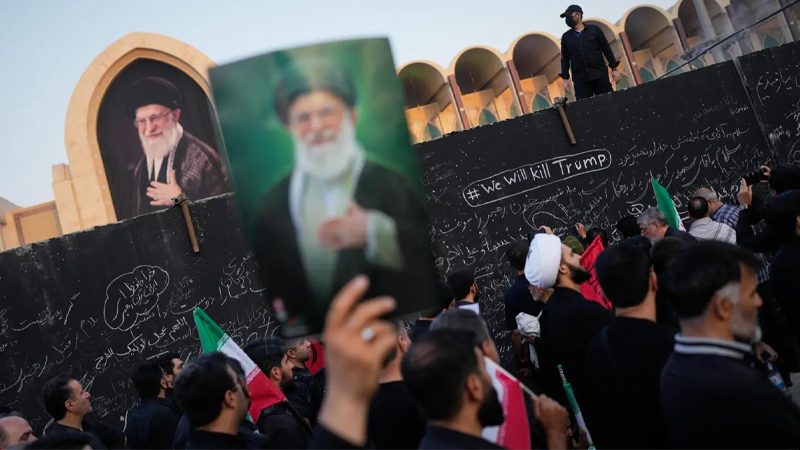
Darwin, 10 July: A sea of mourners dressed in black and carrying red flags stretched for miles through the streets of Iran’s holy city of…
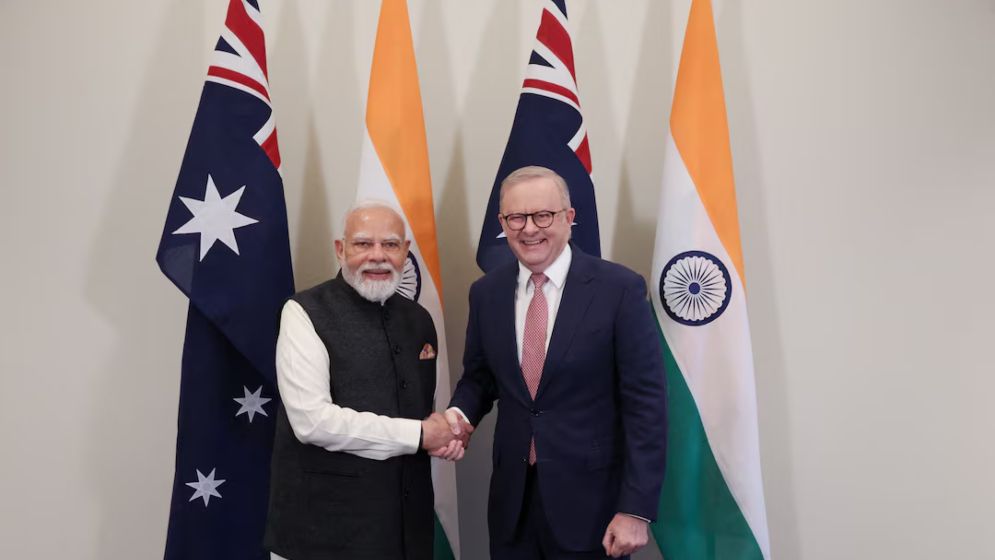
Darwin, 10 July : India and Australia have signed a significant energy cooperation agreement, including uranium exports, during Indian Prime Minister Narendra Modi’s visit to…