Navi Pillay, Who Fought for Gaza, Wins Nobel Peace Prize
Darwin, October 09: Navanetham “Navi” Pillay, a South African jurist who led a United Nations investigative commission that described Israel’s actions in Gaza as genocide,…



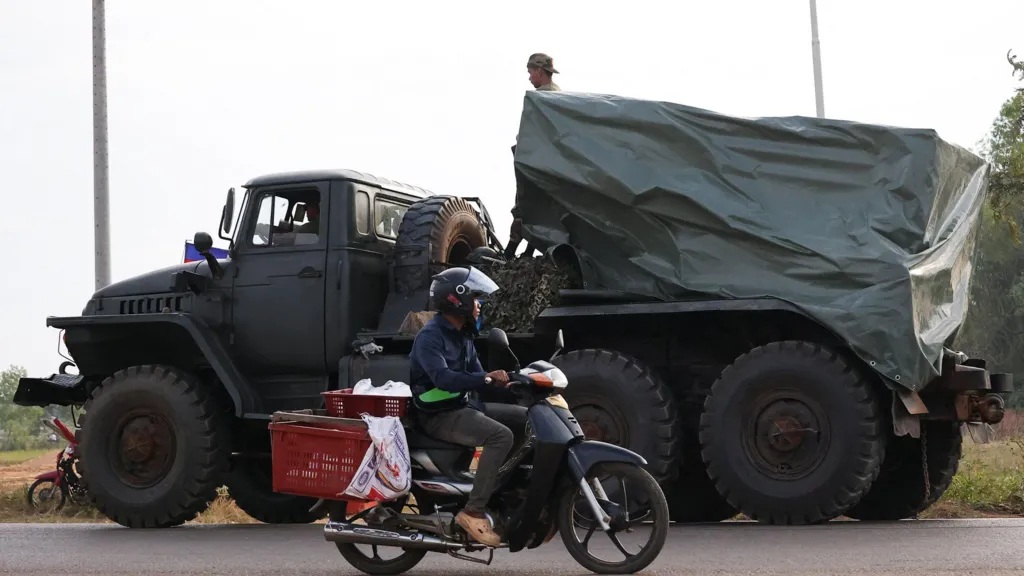
BANGKOK: The fragile US-brokered peace accord between Thailand and Cambodia has completely collapsed, with the two Southeast Asian neighbors engaged in their most serious border hostilities since a violent clash in July. The United States has formally demanded an “immediate cease of hostilities” as the three-day escalation has killed at least 10 people and triggered a massive humanitarian crisis.
Secretary of State Marco Rubio urged both nations to adhere to the de-escalatory measures outlined in the peace agreement brokered by President Donald Trump in October. Trump, who had previously claimed a historic achievement in resolving the conflict, stated he would personally “make a phone call” to stop the fighting.
The conflict, which is rooted in a century-old dispute over the 800km land border drawn after the French occupation of Cambodia, has expanded into at least six provinces in Thailand and five in Cambodia. Both sides have exchanged artillery fire and air strikes.
Cambodia is accusing Thailand of “aggressive military attacks” targeting civilian institutions and “sacred cultural sites,” including historic temples along the disputed frontier. In a dramatic protest, Cambodia announced its immediate withdrawal from the South East Asian Games being hosted in Thailand, citing safety concerns from its athletes’ families.
UN Secretary-General António Guterres joined the international chorus, urging restraint and noting the significant civilian casualties, infrastructure damage, and widespread displacement on both sides.
The fighting has triggered a massive humanitarian mobilization:
Thailand: Officials reported evacuating more than 400,000 people from border areas.
Cambodia: Phnom Penh confirmed 100,000 people have been moved to shelters.
The current death toll stands at 10 (seven Cambodian and three Thai fatalities), following the dozens killed in the initial July clashes. While Thai officials insisted their current military actions were “limited in scope and employed as a last option,” the intensity of the fighting and the scale of the displacement underscore the failure of the prior ceasefire. The diplomatic efforts will now focus on salvaging a viable de-escalation path to prevent further regional instability.
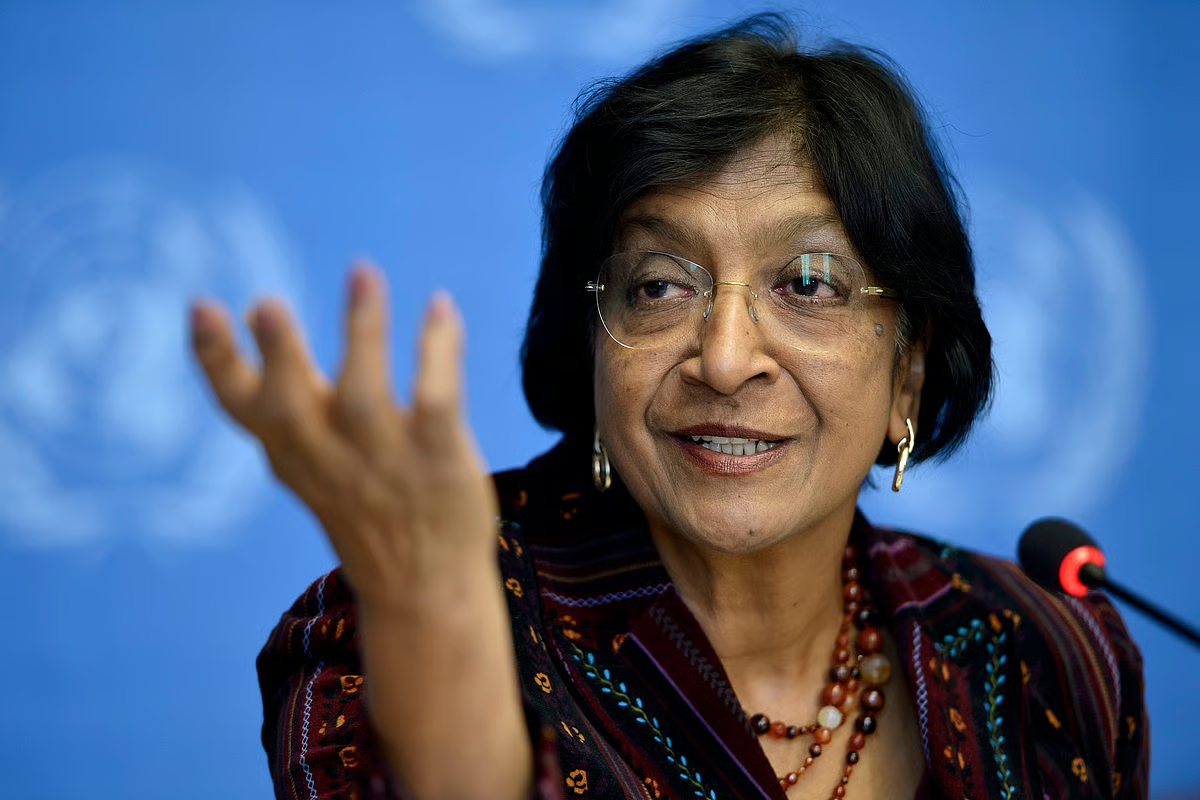
Darwin, October 09: Navanetham “Navi” Pillay, a South African jurist who led a United Nations investigative commission that described Israel’s actions in Gaza as genocide,…
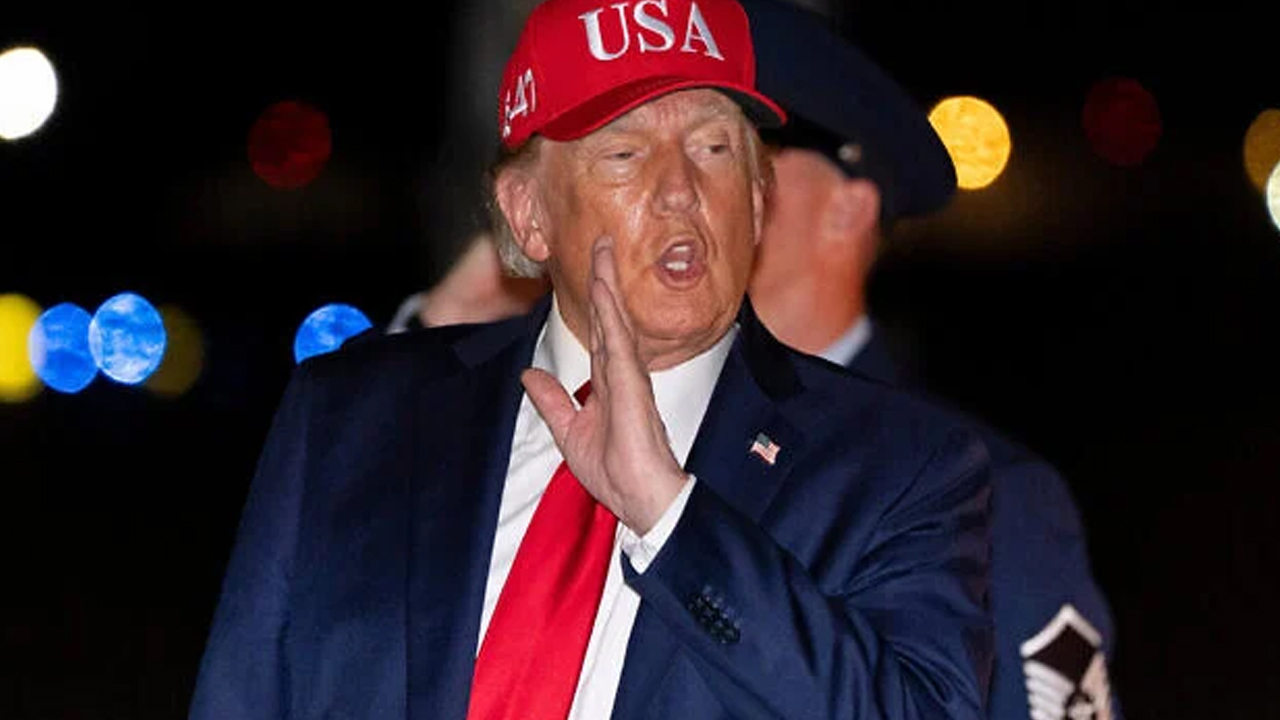
Darwin, October 08: U.S. President Donald Trump said on Wednesday that he deserves to win the Nobel Peace Prize, while expressing doubts that he would…
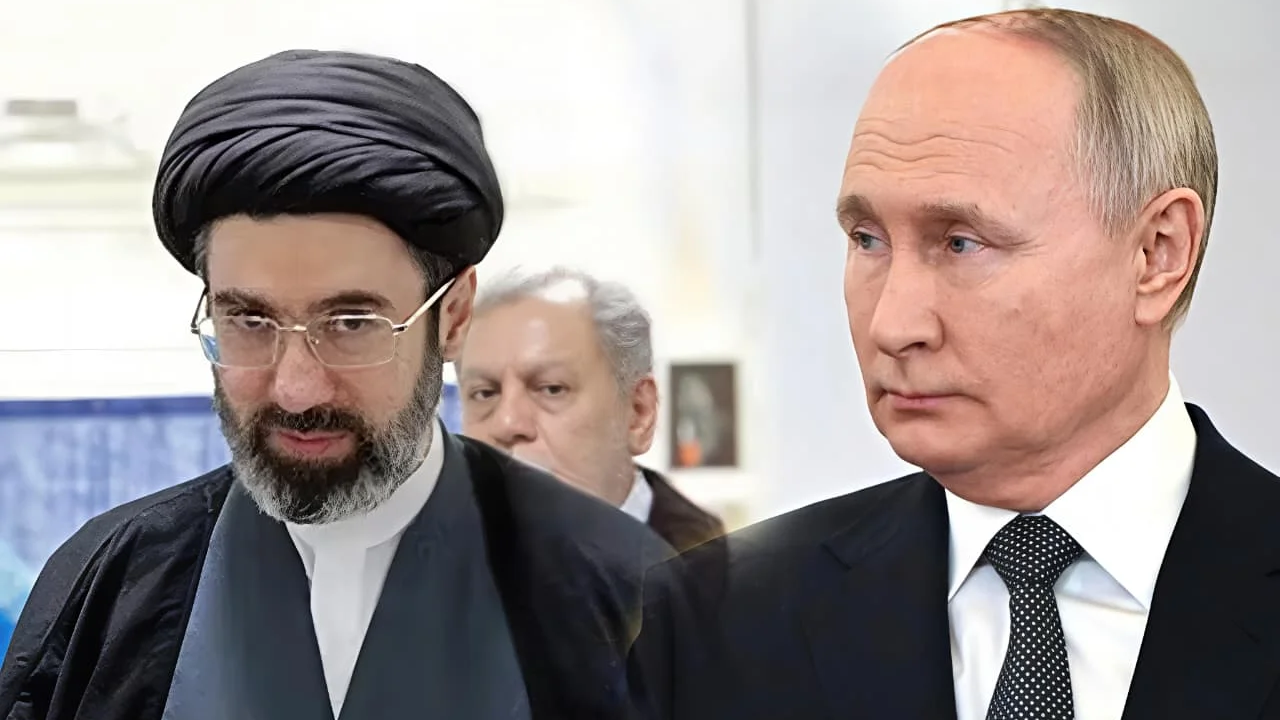
Darwin, October 07: Russia has finalized preparations to provide Iran with a $1 billion loan. The funds will be transferred once Tehran provides the necessary…
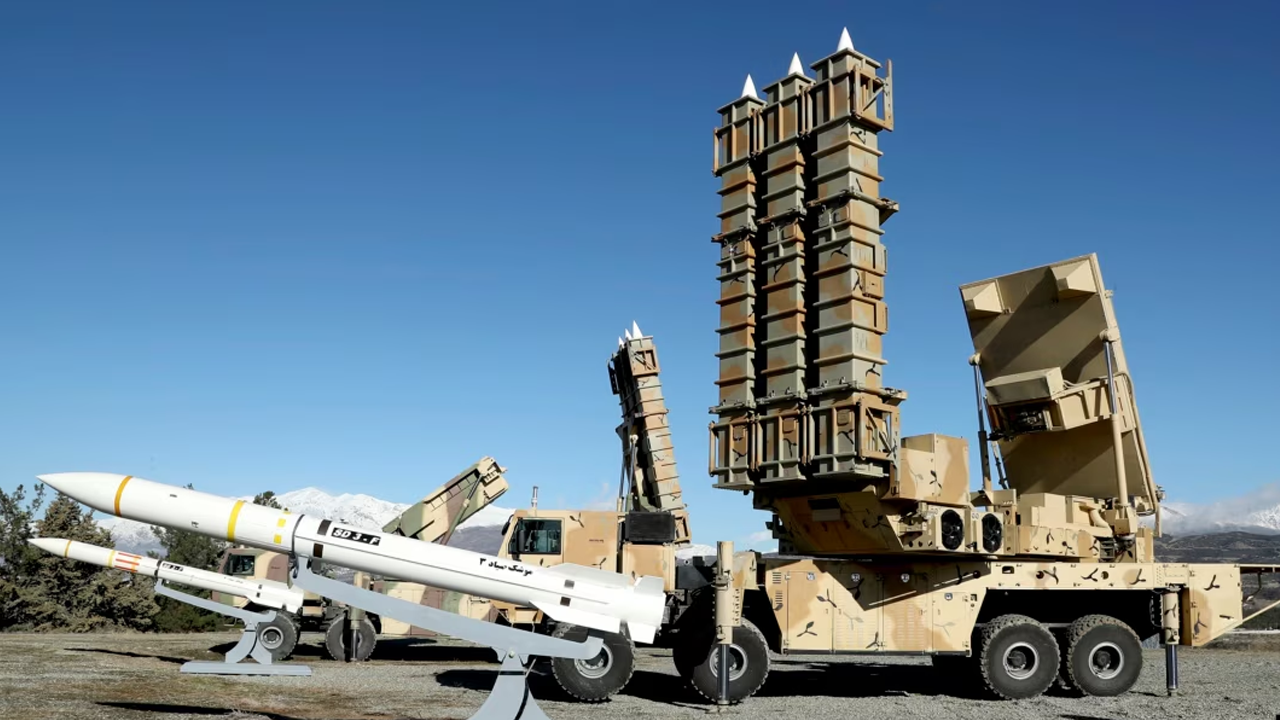
DARWIN, October 7: Iran has warned that it will deliver a stronger response if the United States or Israel launches another attack. The country also…

Darwin, October 05: Deaths in Australia are expected to outnumber births by the 2060s, according to a government report, marking a demographic milestone that countries…

Darwin, October 04: Ten people, including three children, have been injured after a car crashed into a crowd of rugby league fans in Newcastle, eastern…

Darwin, October 4: Australia’s central bank has raised interest rates to their highest level in 15 years, increasing mortgage repayments for millions of Australian households….

Darwin, October 3: Under pressure from US President Donald Trump to bring down rising fuel prices, G7 leaders are set to release up to 100…