Maha Navami of Sharadiya Durga Puja Celebrated Today
Darwin, October 20: Today is Maha Navami, the ninth day of Sharadiya Durga Puja. Members of the Hindu community will observe the day through religious…



PERTH, AUSTRALIA: For 15-year-old Sadmir Perviz, Wednesday afternoons are now about rolling dice, not clicking a mouse. Sadmir is one of over 300 patients at the Gaming Disorder Clinic at Fiona Stanley Hospital, Australia’s only publicly-funded center dedicated to helping people wean themselves off excessive online gaming habits.
Sadmir, who used to spend 10 hours a day playing online with strangers, now finds satisfaction in face-to-face sessions playing board games like Dungeons & Dragons. “You can interact with people, so you actually know who’s there,” he says, highlighting the stark difference from his isolated online experience.
The clinic’s founder, psychiatrist Dr. Daniela Vecchio, views excessive gaming as a serious mental health issue, likening its effects and treatment needs to substance abuse.
This view is supported by the World Health Organization (WHO), which formally recognized Gaming Disorder as a clinical diagnosis. A 2022 Australian study estimated that approximately 2.8% of Australian children are affected by the disorder, with many more considered at risk.
The consequences of the addiction can be life-altering. Former quantum finance intern Kevin Koo, 35, lost his job and confidence, becoming consumed by online gaming, a period he describes as “the wild west of internet usage” where “the damage has already been done.”
While the clinic treats patients for gaming addiction, Dr. Vecchio is critical of Australia’s new social media ban for under-16s for its failure to include major gaming platforms like Discord and Roblox. She notes that gaming and social media are inextricably linked, with users often consuming or live-streaming content on platforms like YouTube and X.
Despite the omission, Dr. Vecchio and her team focus on holistic recovery, helping patients slowly reconnect to the real world through “social prescribing”—encouraging family activities and replacing the void of boredom left by digital detox with meaningful, in-person engagement.

Darwin, October 20: Today is Maha Navami, the ninth day of Sharadiya Durga Puja. Members of the Hindu community will observe the day through religious…
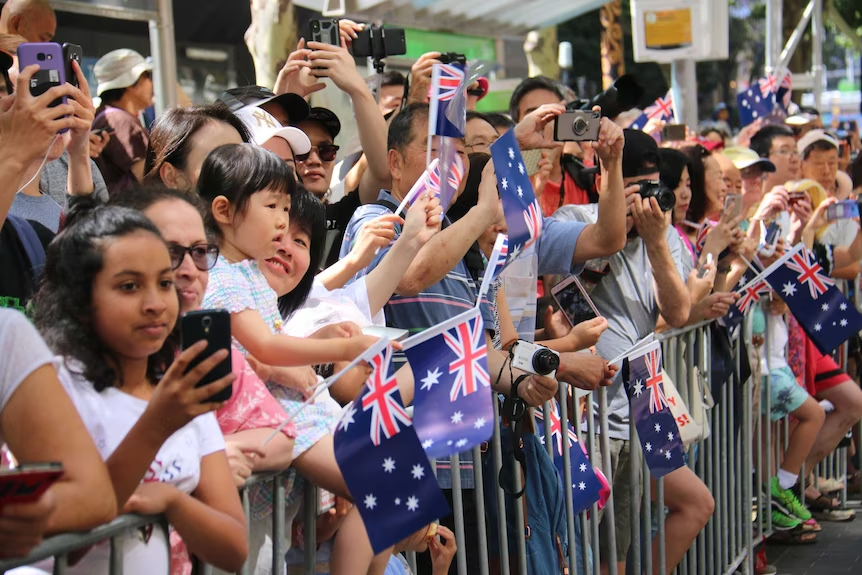
Darwin, October 05: Deaths in Australia are expected to outnumber births by the 2060s, according to a government report, marking a demographic milestone that countries…

Darwin, October 04: Ten people, including three children, have been injured after a car crashed into a crowd of rugby league fans in Newcastle, eastern…
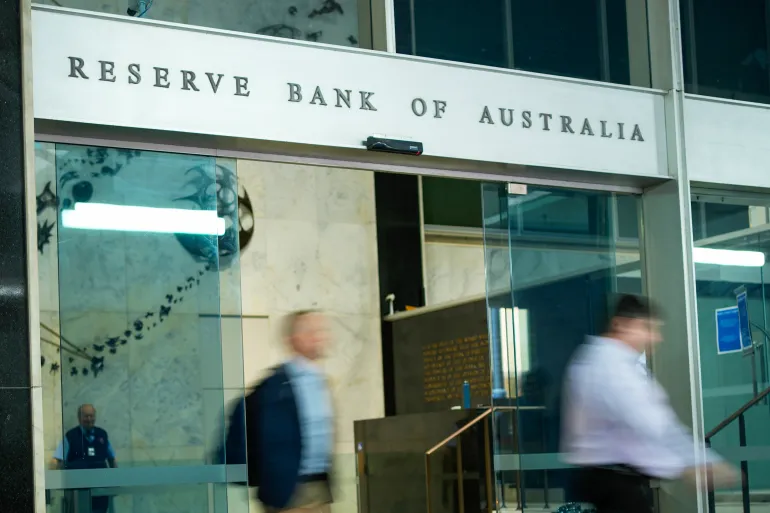
Darwin, October 4: Australia’s central bank has raised interest rates to their highest level in 15 years, increasing mortgage repayments for millions of Australian households….
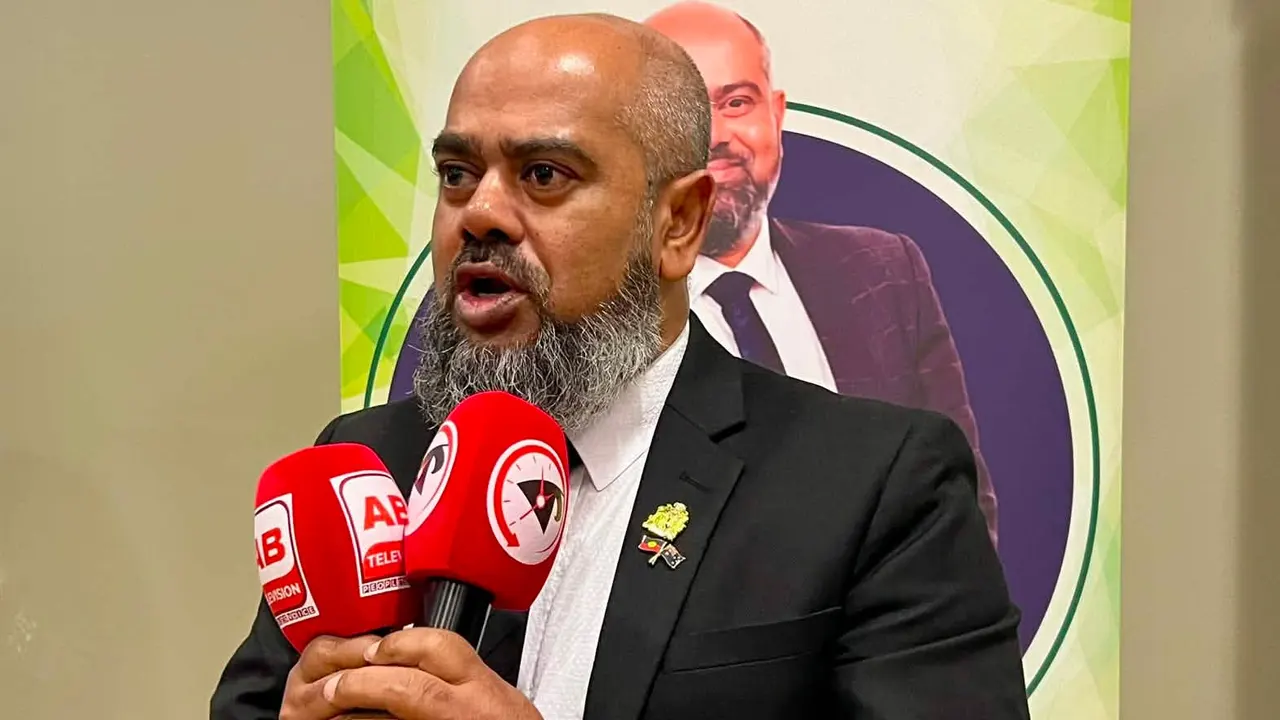
Darwin, September 06: Bangladeshi-Australian community leader and Campbelltown City Councillor and former Deputy Mayor Mohammad Ibrahim Khalil Masud has formally announced his candidacy for the…

Darwin, September 02: Queensland has introduced strict new rules governing the use of e-bikes and e-scooters. From now on, people using these electric vehicles in…
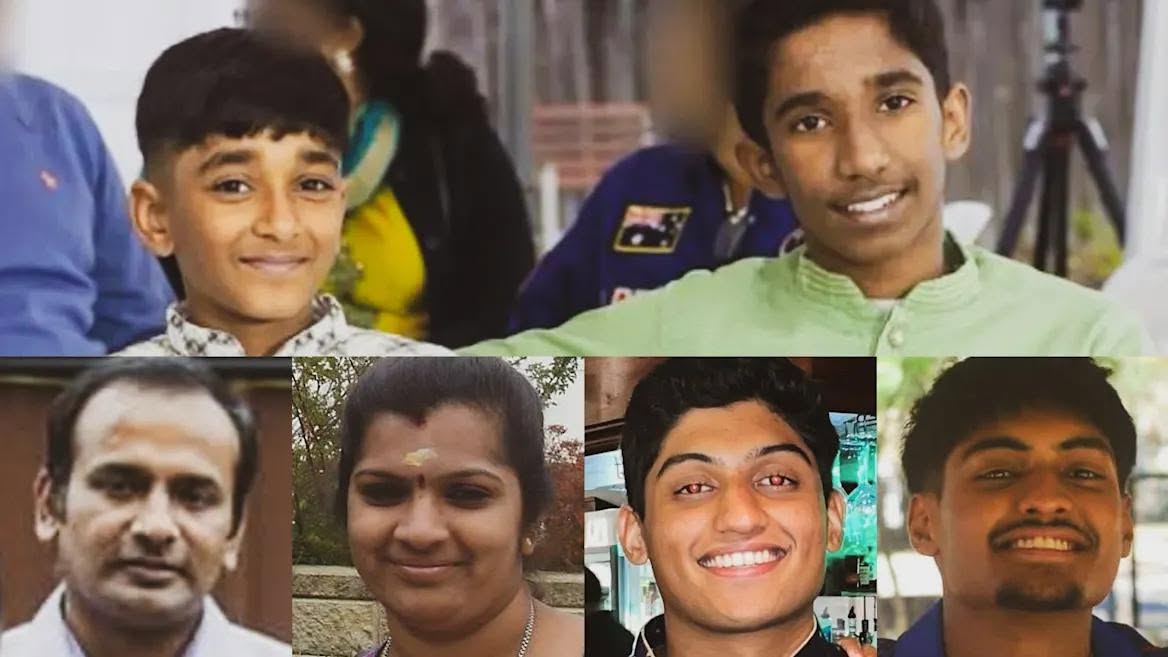
Darwin, August 28: At least 39 Australian citizens are among nearly 1,500 people still missing following devastating flash floods and landslides in areas along the…

Darwin, 28 July : Australia’s new national emergency alert system, AusAlert, successfully completed its first nationwide trial on Monday. At 2:00 pm local time (AEST)…