Ten Injured After Car Ploughs Into Rugby League Fans in Australia
Darwin, October 04: Ten people, including three children, have been injured after a car crashed into a crowd of rugby league fans in Newcastle, eastern…



International Desk: Australian newstime
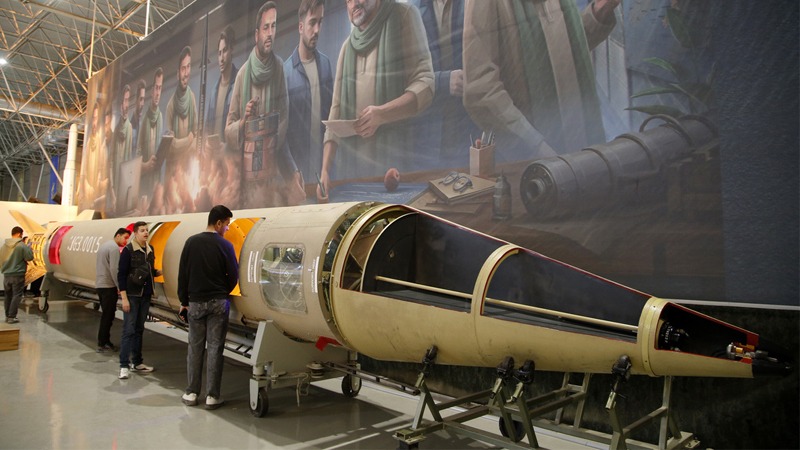
Iran’s Islamic Revolutionary Guard Corps (IRGC) is working to develop biological and chemical warheads for its long-range ballistic missiles, according to multiple informed military sources cited by a UK-based Persian-language outlet.
The claims were reported on Sunday by Iran International, which quoted sources familiar with the matter as saying the IRGC’s Aerospace Force is pursuing unconventional warhead capabilities while also relocating missile launchers to eastern Iran. The sources spoke on condition of anonymity due to the sensitivity of the issue.
According to the report, these activities have accelerated in recent months amid rising regional tensions and concerns in Tehran over a potential direct confrontation with Israel and the United States.
The developments come as Israeli Prime Minister Benjamin Netanyahu is in Florida for talks with the U.S. president. Western media outlets suggest that Netanyahu may brief U.S. officials on possible military options against Iran during the meeting.
Western reports also indicate that Iran is restructuring parts of its ballistic missile production infrastructure and repairing air defense systems damaged during a brief conflict earlier this year.
Sources told Iran International that the programs are being overseen by the IRGC Aerospace Force and include efforts to enable ballistic missiles to carry biological and chemical agents, as well as upgrades to associated command-and-control systems.
One source said the IRGC is developing such capabilities as a “complementary deterrent element” alongside Iran’s conventional missile program, particularly in scenarios involving large-scale conflict.
The reported initiative comes despite Iran’s past emphasis on its status as a victim of chemical weapons. Six months ago, Iran’s foreign minister described the country as “the largest victim of chemical weapons in modern history,” referring to attacks carried out by Iraqi forces under Saddam Hussein during the Iran–Iraq war.
According to documentation from the Organisation for the Prohibition of Chemical Weapons (OPCW), a large-scale mustard gas attack on the western Iranian city of Sardasht killed more than 100 people.
Addressing the apparent contradiction, one source told Iran International that Iranian leaders view potential Israeli or U.S. strikes as existential threats and are seeking to significantly raise the cost of any conflict for their adversaries. The source added that at the highest decision-making levels in Tehran, there is a belief that the use of unconventional weapons could be considered justifiable in an existential crisis.
Last week, Iran International reported that Western intelligence agencies had detected what they described as “unusual” activity within the IRGC Aerospace Force and had intensified surveillance efforts. Intelligence sources said command-and-control signals, deployment movements and related logistics were being closely monitored.
Fears of Shift in Regional Deterrence Balance
Military analysts told the outlet that if confirmed, the development of biological and chemical warheads would represent a major shift in the Middle East’s deterrence balance and could trigger strong international reactions.
They warned that any deployment of such weapons would likely prompt widespread condemnation and could lead to additional sanctions and increased pressure on Tehran.
Iran, however, has consistently denied pursuing biological or chemical weapons and maintains that it remains committed to its international obligations.
In recent years, Tehran has steadily expanded the range, accuracy and variety of its ballistic missile arsenal—one of the primary sources of concern for Western powers and regional rivals.
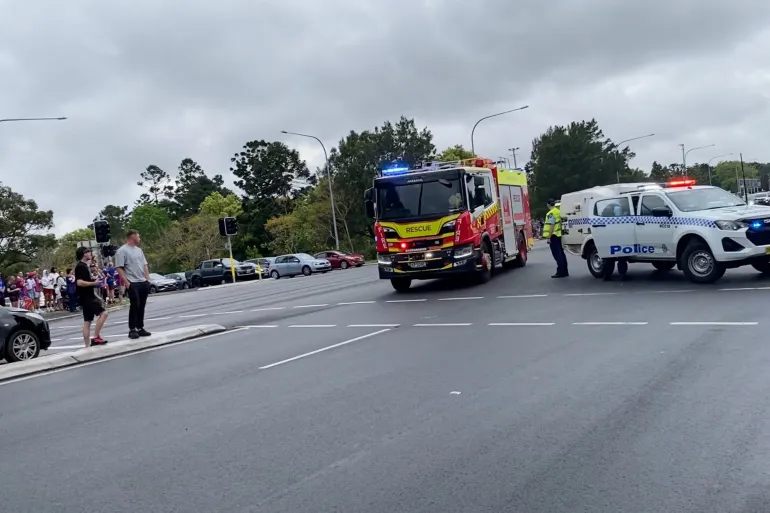
Darwin, October 04: Ten people, including three children, have been injured after a car crashed into a crowd of rugby league fans in Newcastle, eastern…
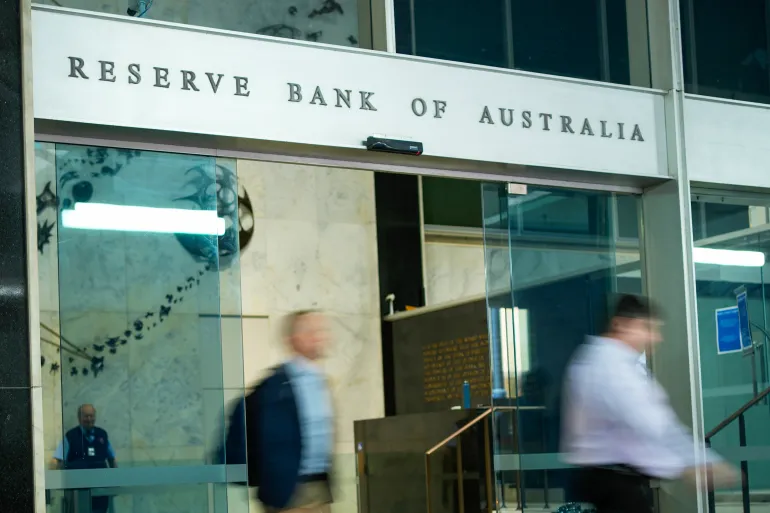
Darwin, October 4: Australia’s central bank has raised interest rates to their highest level in 15 years, increasing mortgage repayments for millions of Australian households….

Darwin, October 3: Under pressure from US President Donald Trump to bring down rising fuel prices, G7 leaders are set to release up to 100…
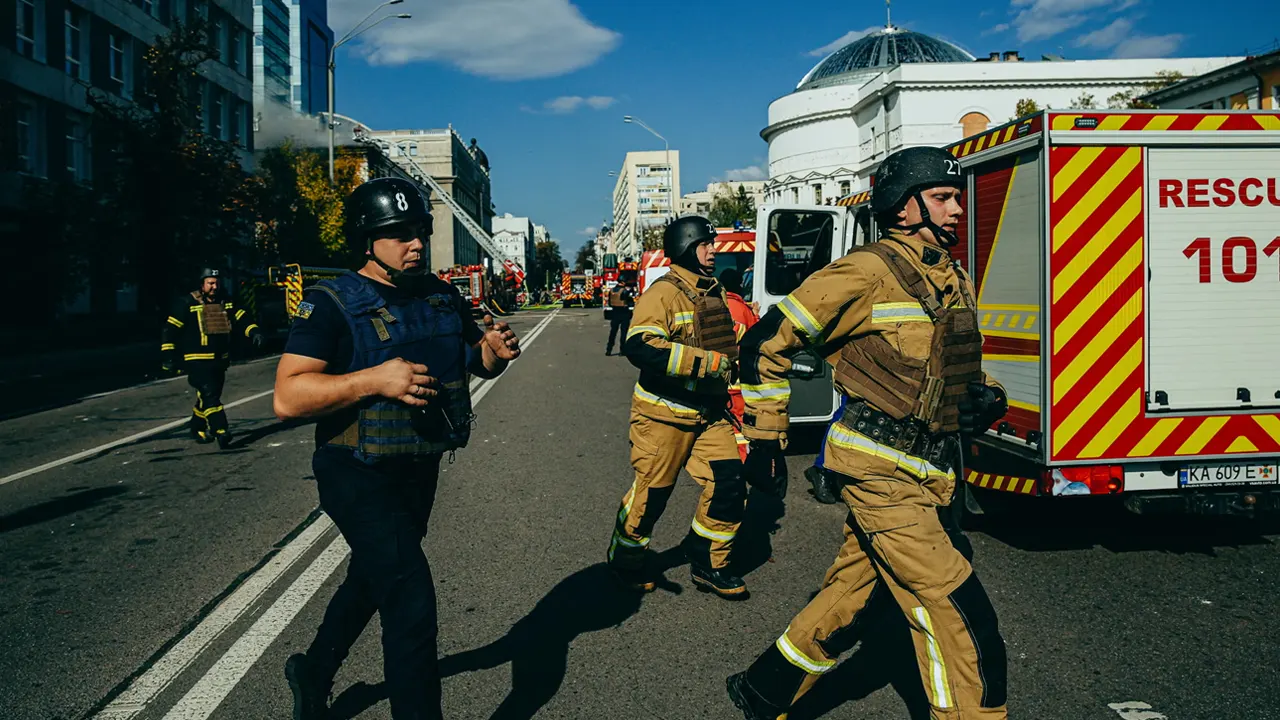
Darwin, October 3: Russia’s daily attacks are filling the lives of Kyiv residents with fear and uncertainty. From schools and hospitals to bridges, power plants…
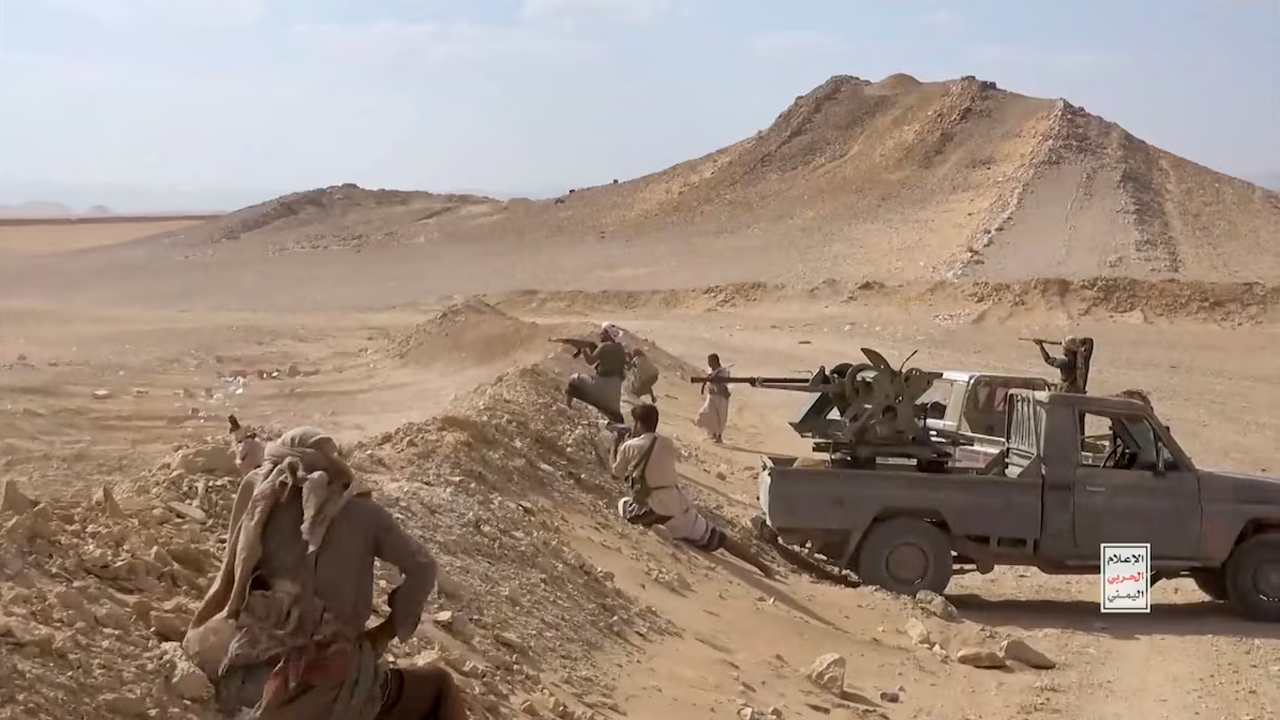
Darwin, October 3: At least 80 fighters have been killed over the past 24 hours in fierce fighting between Iran-backed Houthi rebels and Saudi-backed government…
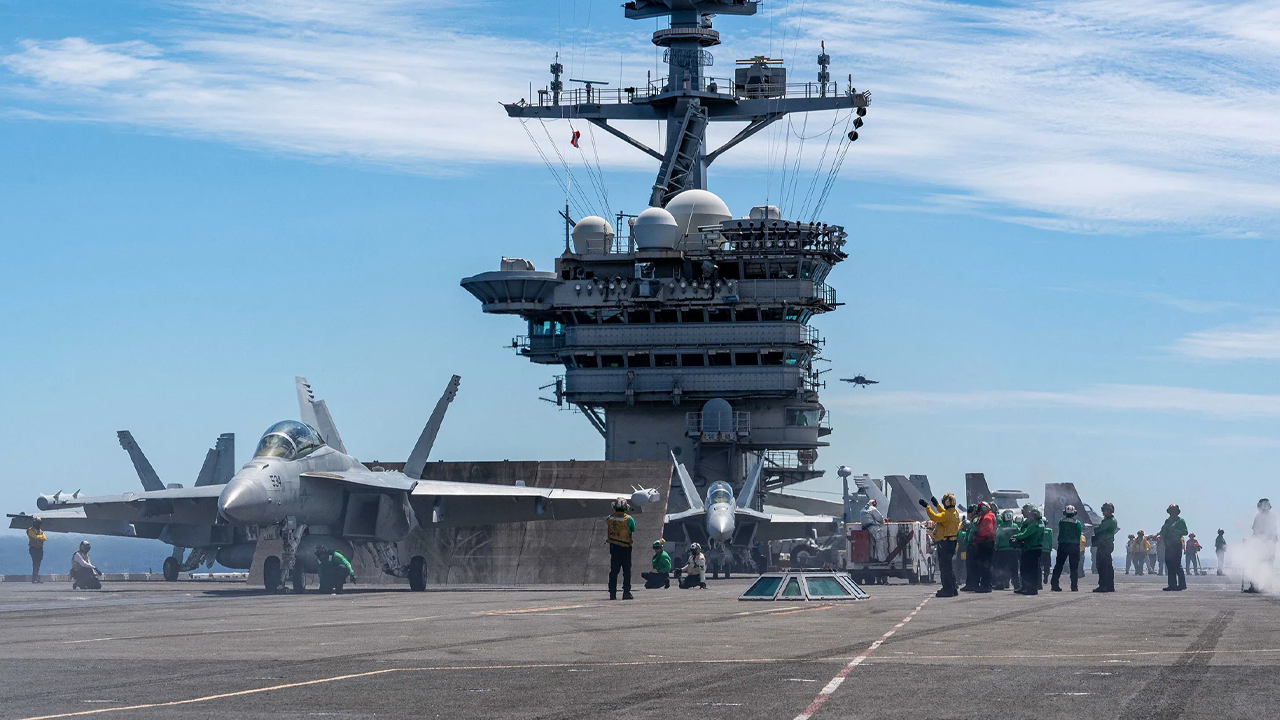
Darwin, October 3: As the Iran war enters its eighth month, the United States is sending a third aircraft carrier strike group to waters near…
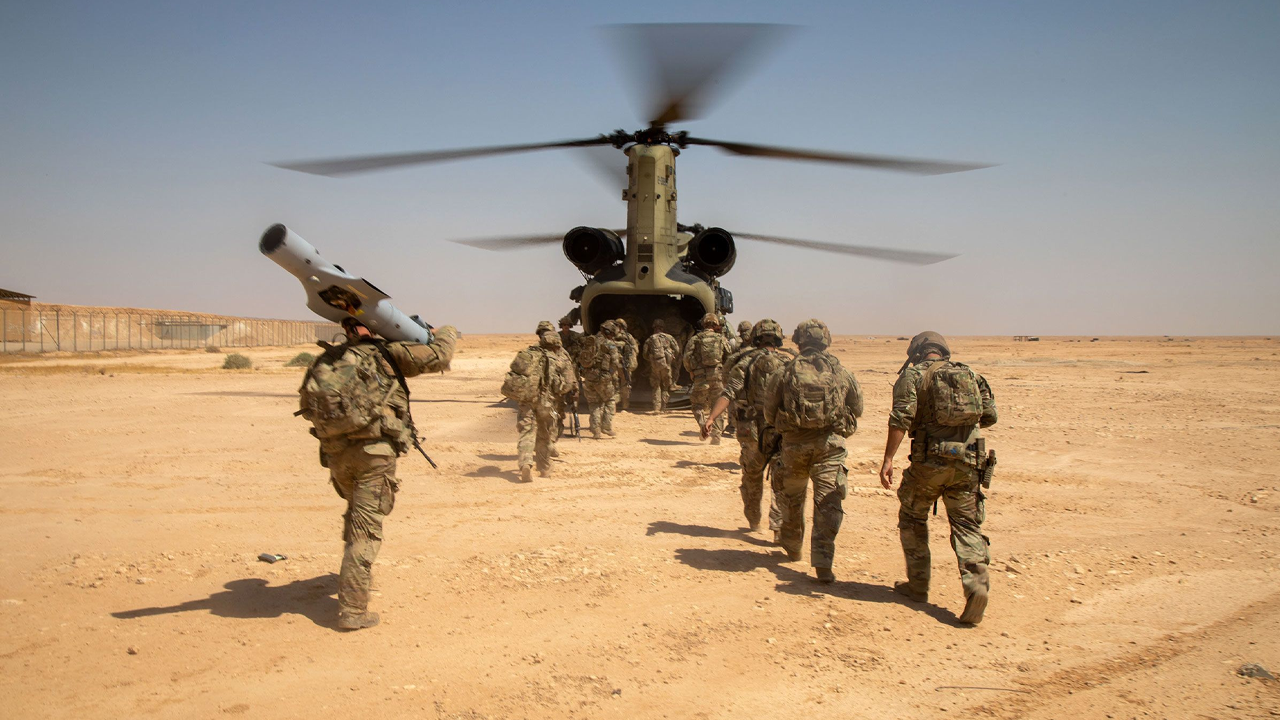
Darwin, September 30 : The United States is preparing to withdraw its military forces from Iraq after more than two decades of war and the…
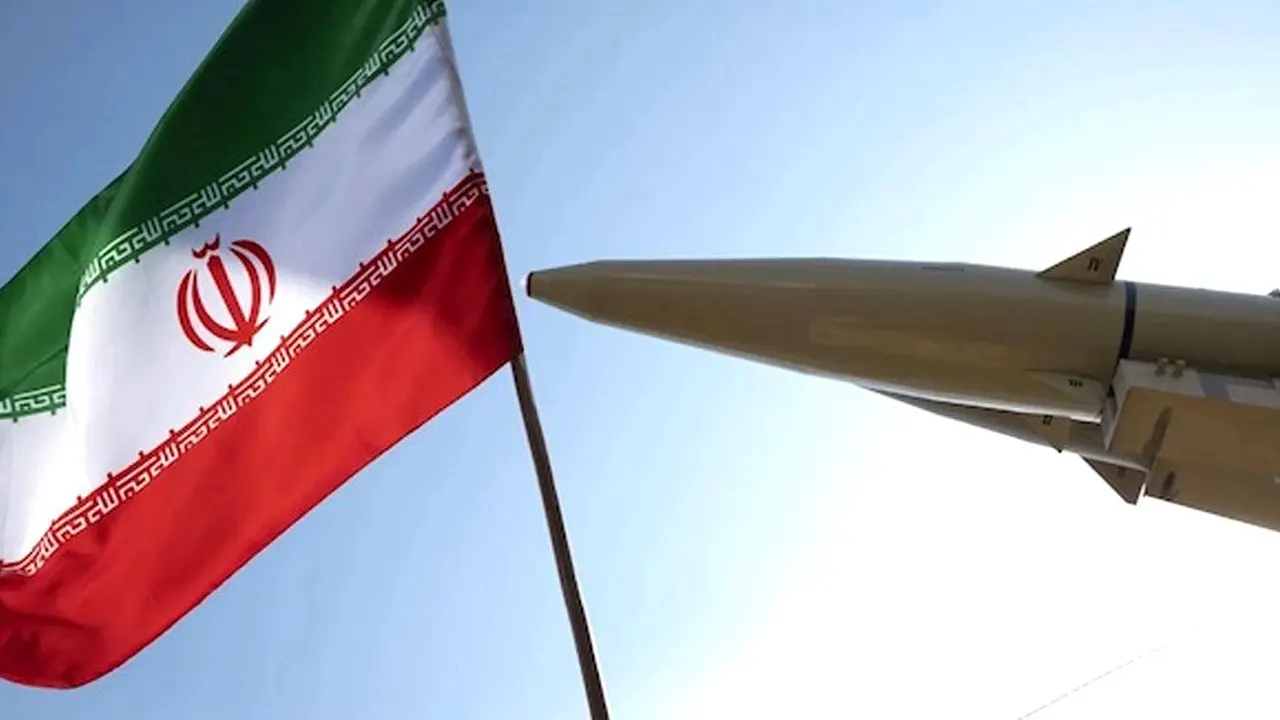
Darwin, September 30: Russia has urged Iran not to withdraw from the Treaty on the Non-Proliferation of Nuclear Weapons (NPT), calling on Tehran to remain…