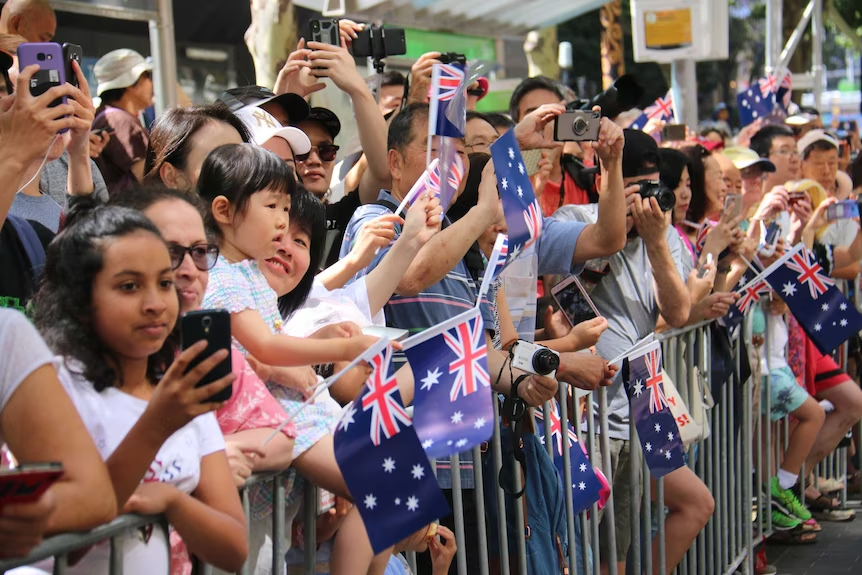
Ten Injured After Car Ploughs Into Rugby League Fans in Australia
Darwin, October 04: Ten people, including three children, have been injured after a car crashed into a crowd of rugby league fans in Newcastle, eastern…



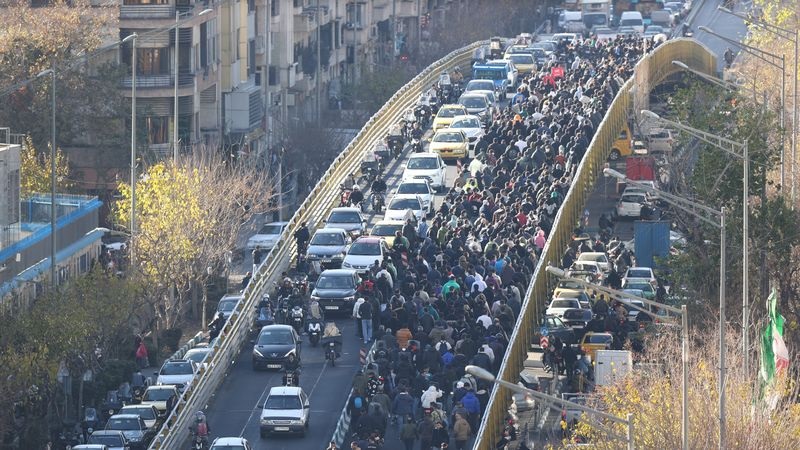
TEHRAN : From the resort island of Kish to the bustling corridors of the Tehran bazaar, a new chapter of civil disobedience is unfolding in Iran. Unlike the explosive nationwide uprisings of 2022, this movement is characterized by uncoordinated yet persistent acts of personal freedom and economic desperation.
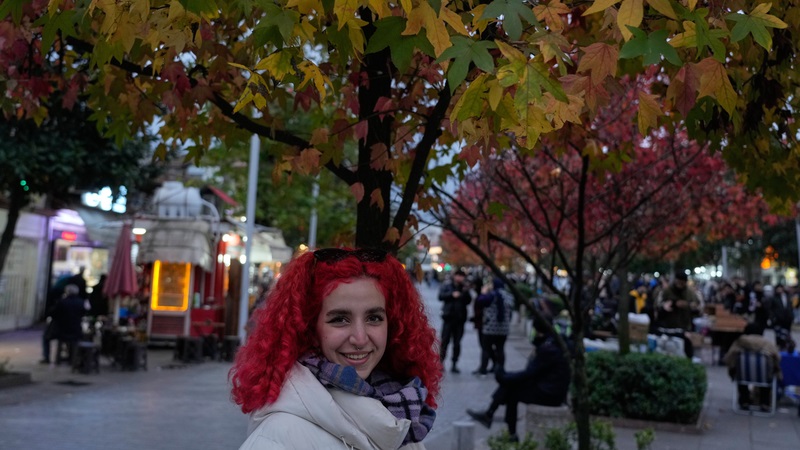
A woman smiles under a colourful tree in the northern city of Rasht, Iran. Many young people are flouting the republic’s strict laws on dress and behaviour.
In early December, hundreds of women participated in a marathon on Kish Island, visibly ignoring the Islamic Republic’s strict dress codes. Clad in matching shirts and leggings with hair tied loosely—rather than the state-mandated headscarves—the runners disregarded the “complimentary” hijabs provided by race organizers. This visual defiance comes despite the risk of hefty fines and prison sentences, signaling a population that has moved past the threshold of fear.
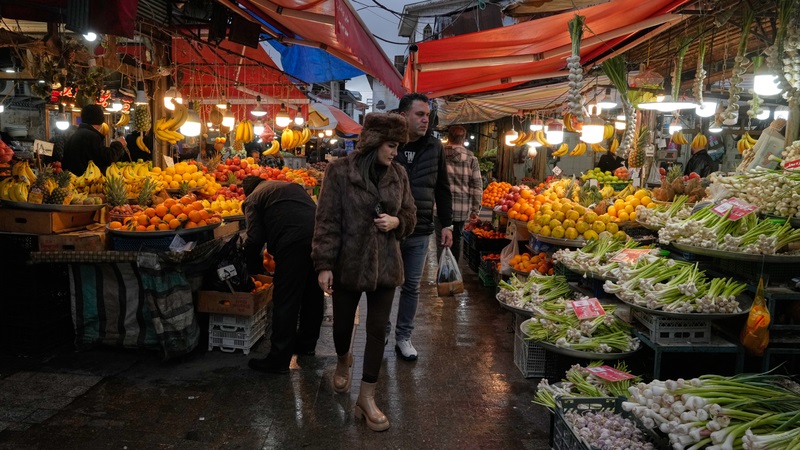
People shop in the old main bazaar of the northern city of Rasht, Iran. Many staples are becoming forbiddingly expensive.
This week, the “quiet” defiance turned loud as shopkeepers, merchants, and students took to the streets across several cities. Chanting anti-regime slogans, protesters cited an inability to pay rent after the Iranian rial hit record lows.
These are the largest demonstrations since the 2022 movement sparked by the death of Mahsa Amini.
The US State Department has expressed concern over reports of “intimidation, violence, and arrests,” calling on Tehran to respect the voices of its citizens.
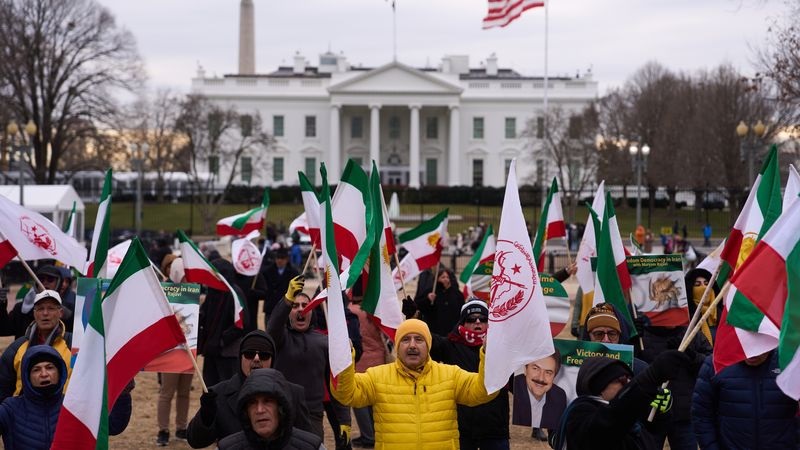
Supporters of the National Council of Resistance of Iran rally outside the White House for regime change on New Year’s Eve in the US.
The civil disobedience is mirrored by a state in physical decline. Smog fills the skies of major cities as the government switches to low-quality, “dirty” fuel to maintain the power grid. Meanwhile, 20 provinces are suffering through the worst drought in 40 years, leading President Masoud Pezeshkian to even suggest that residents may eventually need to evacuate the capital, Tehran, to alleviate the strain on dwindling water supplies.
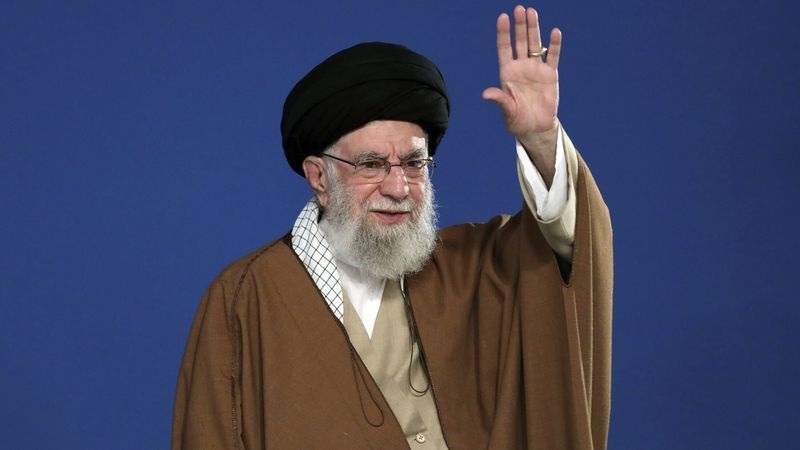
Some observers say the rule of Iranian Supreme Leader Ayatollah Ali Khamenei is faltering.
While the regime continues to enforce its ideology, the daily reality in Iran suggests a population that is no longer waiting for permission to live differently.
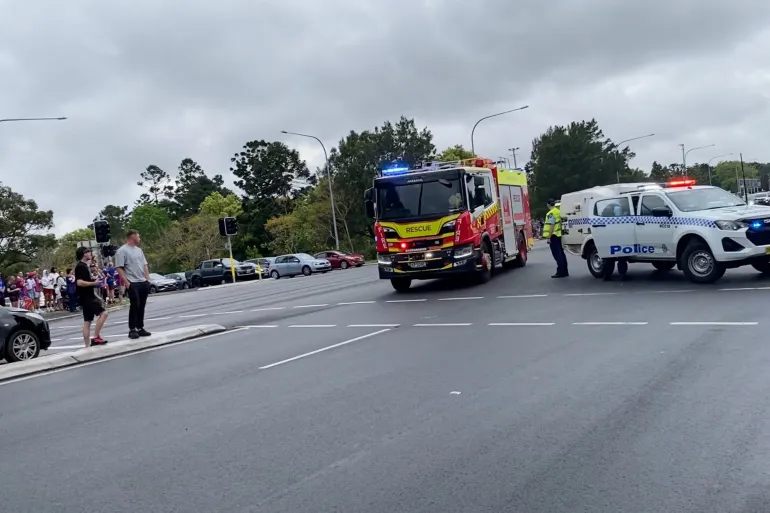
Darwin, October 04: Ten people, including three children, have been injured after a car crashed into a crowd of rugby league fans in Newcastle, eastern…
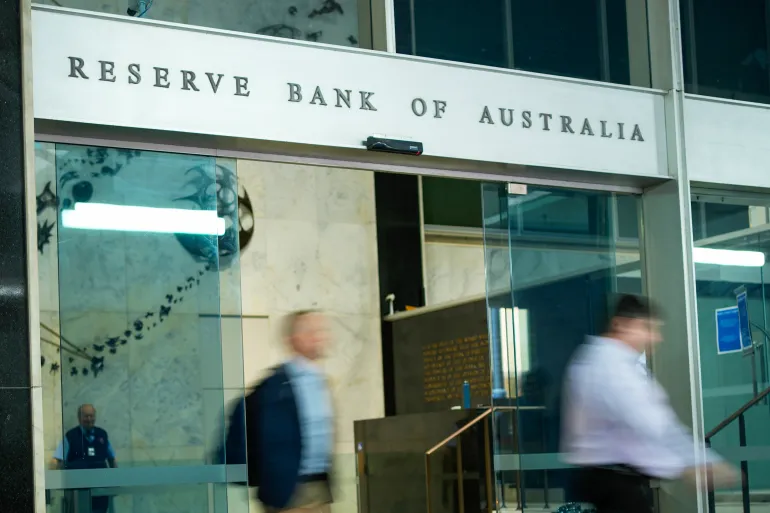
Darwin, October 4: Australia’s central bank has raised interest rates to their highest level in 15 years, increasing mortgage repayments for millions of Australian households….

Darwin, October 3: Under pressure from US President Donald Trump to bring down rising fuel prices, G7 leaders are set to release up to 100…
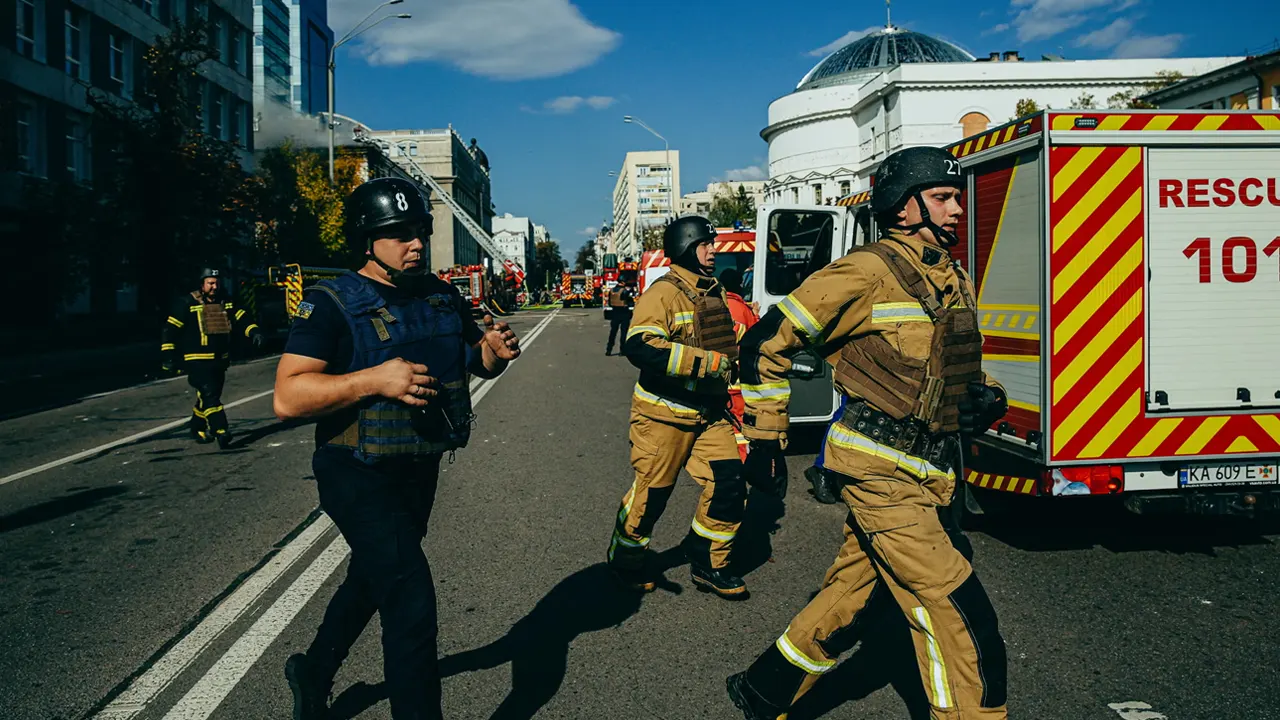
Darwin, October 3: Russia’s daily attacks are filling the lives of Kyiv residents with fear and uncertainty. From schools and hospitals to bridges, power plants…
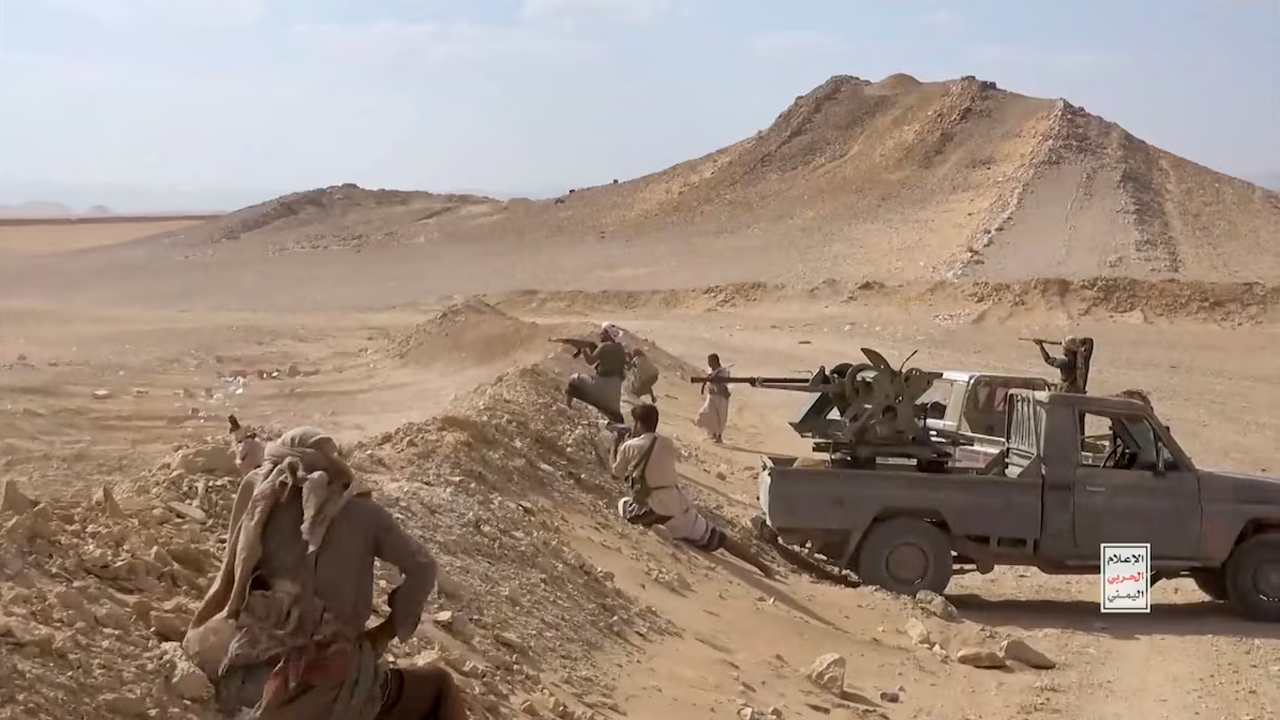
Darwin, October 3: At least 80 fighters have been killed over the past 24 hours in fierce fighting between Iran-backed Houthi rebels and Saudi-backed government…
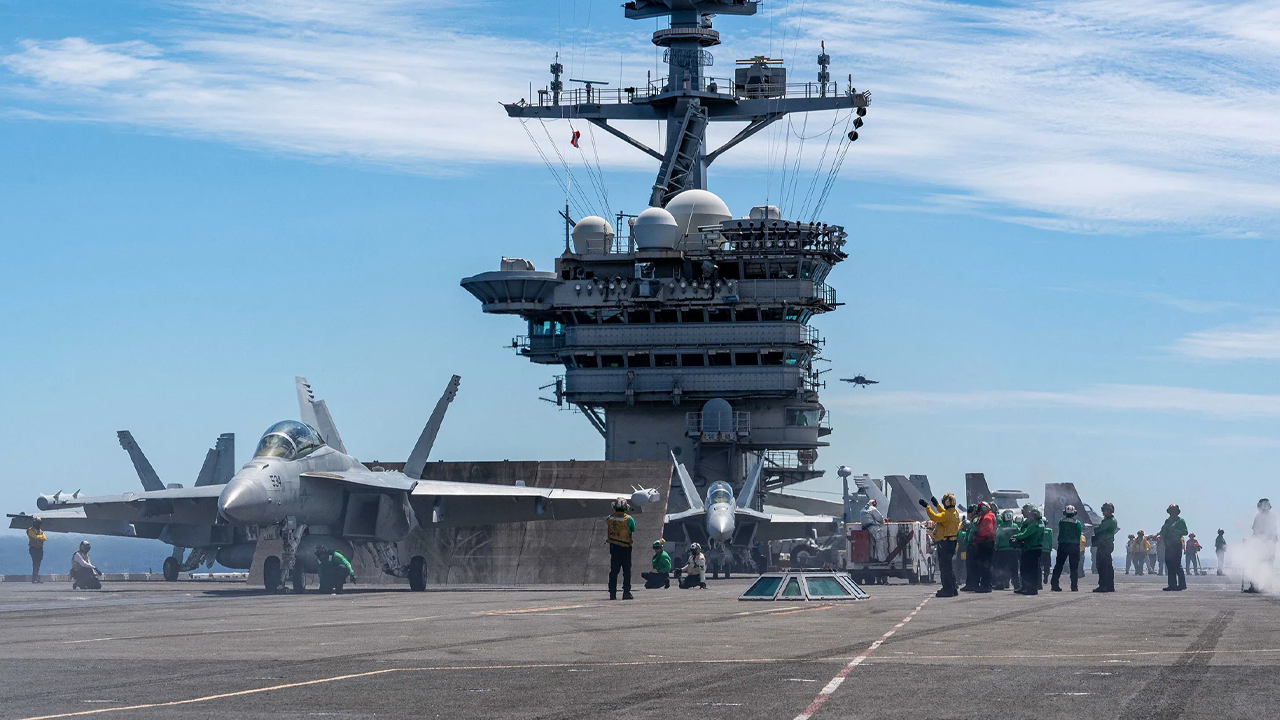
Darwin, October 3: As the Iran war enters its eighth month, the United States is sending a third aircraft carrier strike group to waters near…
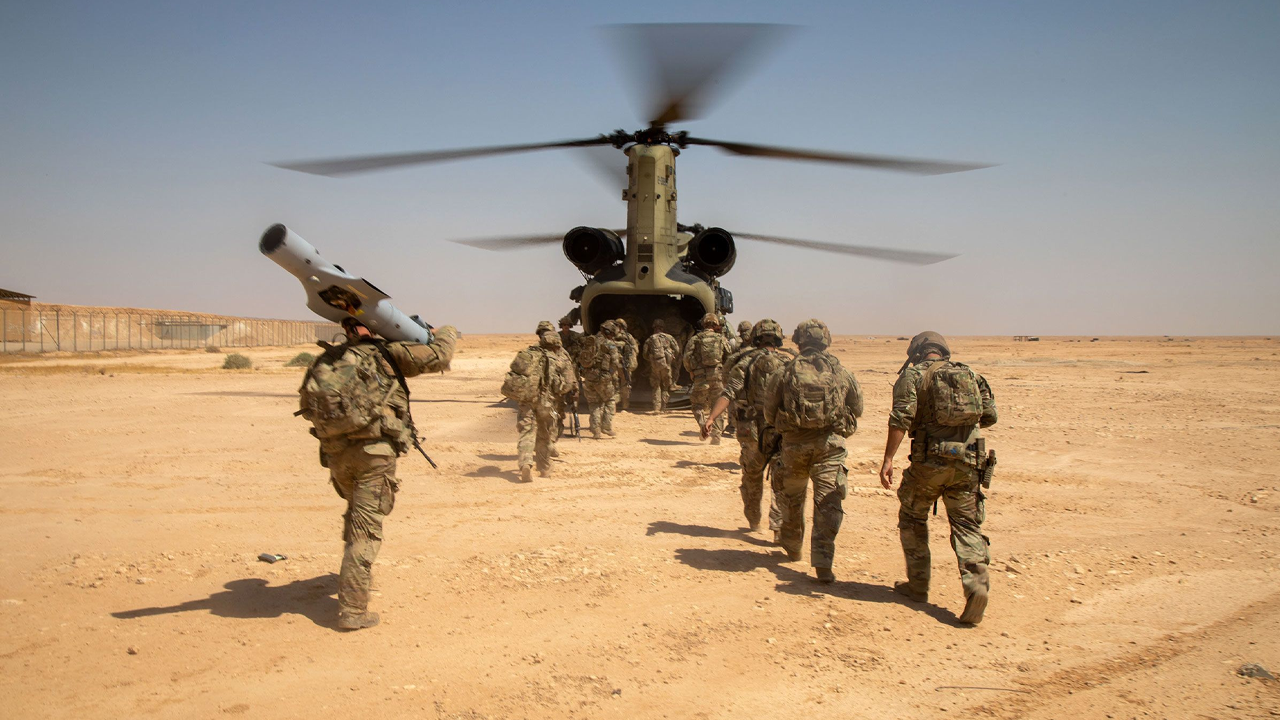
Darwin, September 30 : The United States is preparing to withdraw its military forces from Iraq after more than two decades of war and the…
Darwin, September 30: Russia has urged Iran not to withdraw from the Treaty on the Non-Proliferation of Nuclear Weapons (NPT), calling on Tehran to remain…