Ten Injured After Car Ploughs Into Rugby League Fans in Australia
Darwin, October 04: Ten people, including three children, have been injured after a car crashed into a crowd of rugby league fans in Newcastle, eastern…



Darwin, 02 January: India and Pakistan exchanged lists of their nuclear installations and prisoners on the first day of the new year, as part of long-standing bilateral agreements between the two countries.
According to a report by Pakistan-based newspaper Dawn, the exchange of nuclear facility lists was carried out under the 1988 Agreement on the Prohibition of Attack against Nuclear Installations and Facilities. Under this agreement, which has been in force since 1992, both countries exchange such lists annually on January 1. The pact prohibits either side from attacking the other’s nuclear installations.
Pakistan’s Foreign Office spokesperson Tahir Hossain Andrabi said during a weekly briefing on Thursday that the lists were exchanged simultaneously through diplomatic channels in Islamabad and New Delhi.
In addition, the two countries also exchanged lists of prisoners held in each other’s custody under the 2008 Consular Access Agreement. Pakistan handed over a list of 257 Indian prisoners lodged in Pakistani jails to the Indian High Commission. Similarly, India provided Pakistan with a list of Pakistani prisoners held in Indian custody.
Despite these confidence-building measures, Pakistan expressed strong objections to a new hydropower project approved by India.
Spokesperson Andrabi voiced concern over India’s approval of the 260-megawatt Dulhasti Stage-II hydropower project on the Chenab River in the Kishtwar district of Indian-administered Jammu and Kashmir.
He said that under the 1960 Indus Waters Treaty, Pakistan has rights over the western rivers—the Indus, Jhelum, and Chenab—and accused India of potentially violating international law by unilaterally constructing projects on these rivers.
Criticizing India for not providing prior notification or sharing technical details of the project, Andrabi said Pakistan would not compromise on its water rights, which he described as vital to the country’s survival.

Darwin, October 04: Ten people, including three children, have been injured after a car crashed into a crowd of rugby league fans in Newcastle, eastern…

Darwin, October 4: Australia’s central bank has raised interest rates to their highest level in 15 years, increasing mortgage repayments for millions of Australian households….

Darwin, October 3: Under pressure from US President Donald Trump to bring down rising fuel prices, G7 leaders are set to release up to 100…

Darwin, October 3: Russia’s daily attacks are filling the lives of Kyiv residents with fear and uncertainty. From schools and hospitals to bridges, power plants…
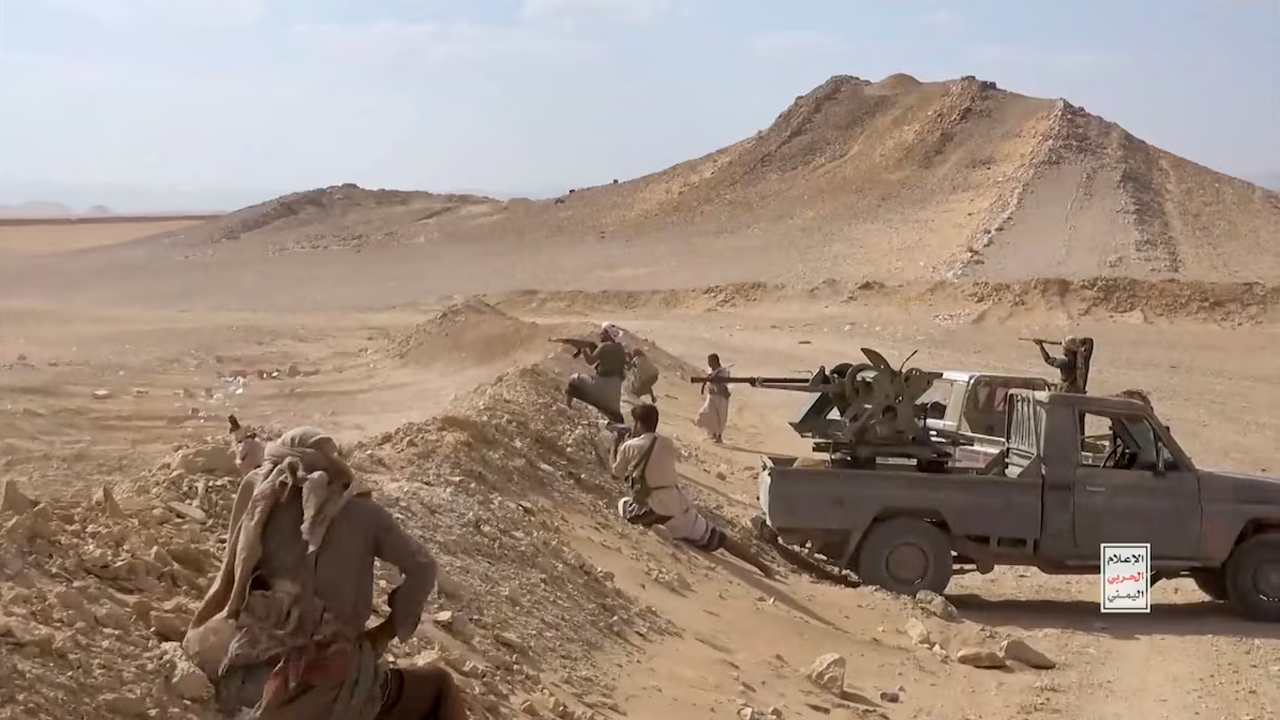
Darwin, October 3: At least 80 fighters have been killed over the past 24 hours in fierce fighting between Iran-backed Houthi rebels and Saudi-backed government…
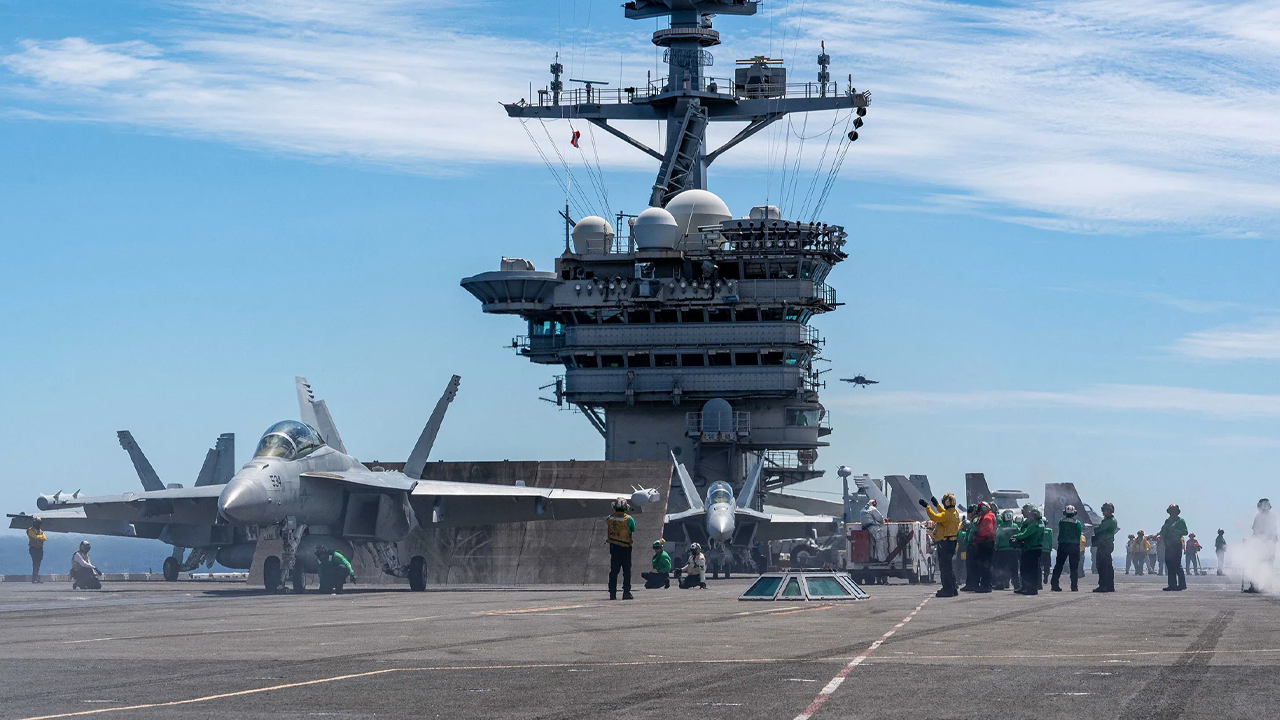
Darwin, October 3: As the Iran war enters its eighth month, the United States is sending a third aircraft carrier strike group to waters near…
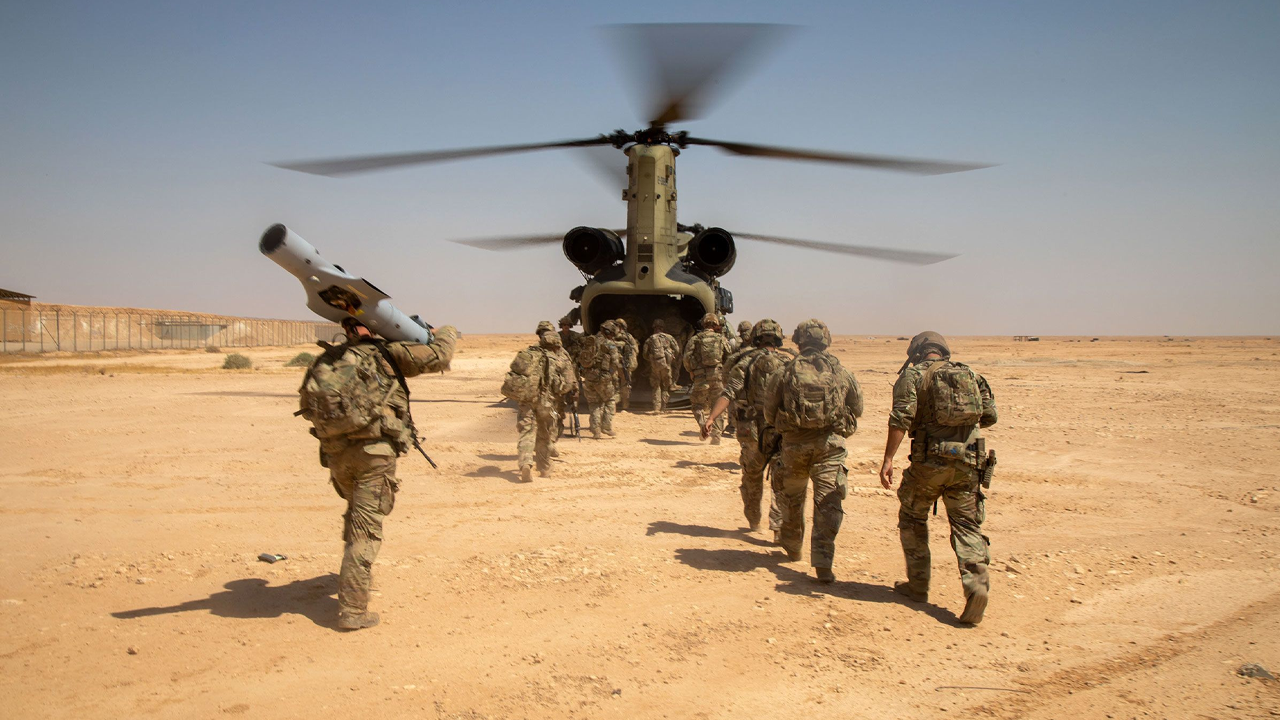
Darwin, September 30 : The United States is preparing to withdraw its military forces from Iraq after more than two decades of war and the…
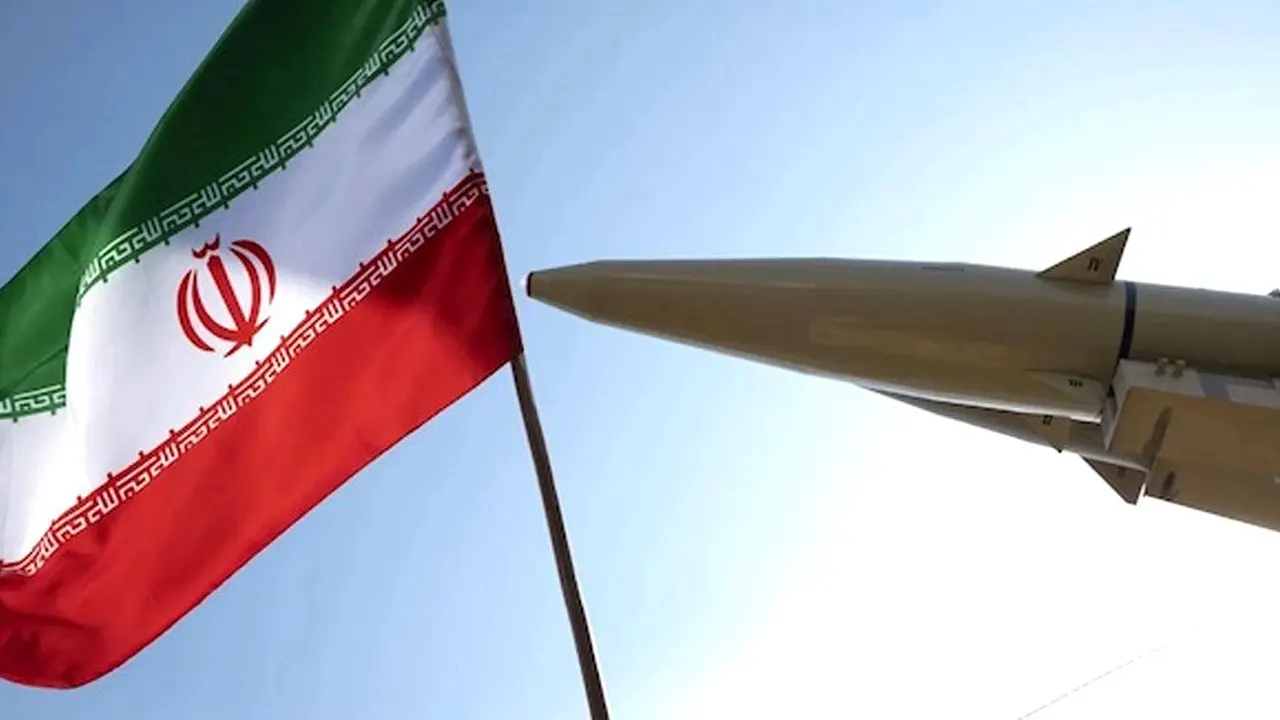
Darwin, September 30: Russia has urged Iran not to withdraw from the Treaty on the Non-Proliferation of Nuclear Weapons (NPT), calling on Tehran to remain…