US Forces Seize Three Iranian Oil Tankers
Darwin, 23 April: One day after extending the ceasefire with Iran indefinitely, U.S. Central Command (CENTCOM) has seized three Iranian-flagged oil tankers. According to international…



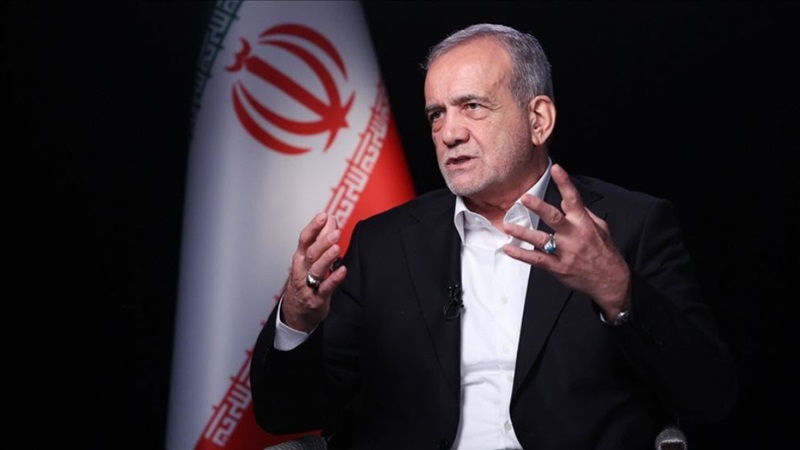
TEHRAN: The Middle East is facing its most volatile period since the June 2025 conflict, as Iranian leadership issues a stark warning to Washington and Jerusalem. On Sunday, Iranian Parliament Speaker Mohammad Baqer Qalibaf declared that all U.S. and Israeli military facilities in the region are now “legitimate targets” should the United States initiate military action against the Islamic Republic.
The warning follows reports that U.S. President Donald Trump is “seriously considering” authorizing targeted strikes against Iran. Tensions have remained at a breaking point since the 12-day war in June 2025, which saw Israeli and American forces conduct surprise aerial campaigns against Iran’s primary nuclear and military installations.
Israeli Prime Minister Benjamin Netanyahu responded to the threats during a weekly cabinet meeting, stating that Israel is “closely monitoring” the situation. Netanyahu took the unusual step of openly backing the domestic protests currently rocking Iranian cities.
“If Iran’s current leadership were overthrown, Israel and Iran would once again become faithful partners,” Netanyahu said, envisioning a “future of prosperity and peace” between the two nations.
The current escalation is deeply rooted in the events of mid-2025. Following the 12-day war, Iran’s infrastructure—specifically its three major nuclear facilities—remains heavily damaged from U.S. bombing runs. The threat of renewed conflict comes as Iran struggles to rebuild its military deterrence while simultaneously battling an internal economic collapse.
Security analysts warn that any miscalculation by Washington or Tehran could reignite the “all-out” warfare seen last summer, potentially drawing the entire region into a prolonged conflict.
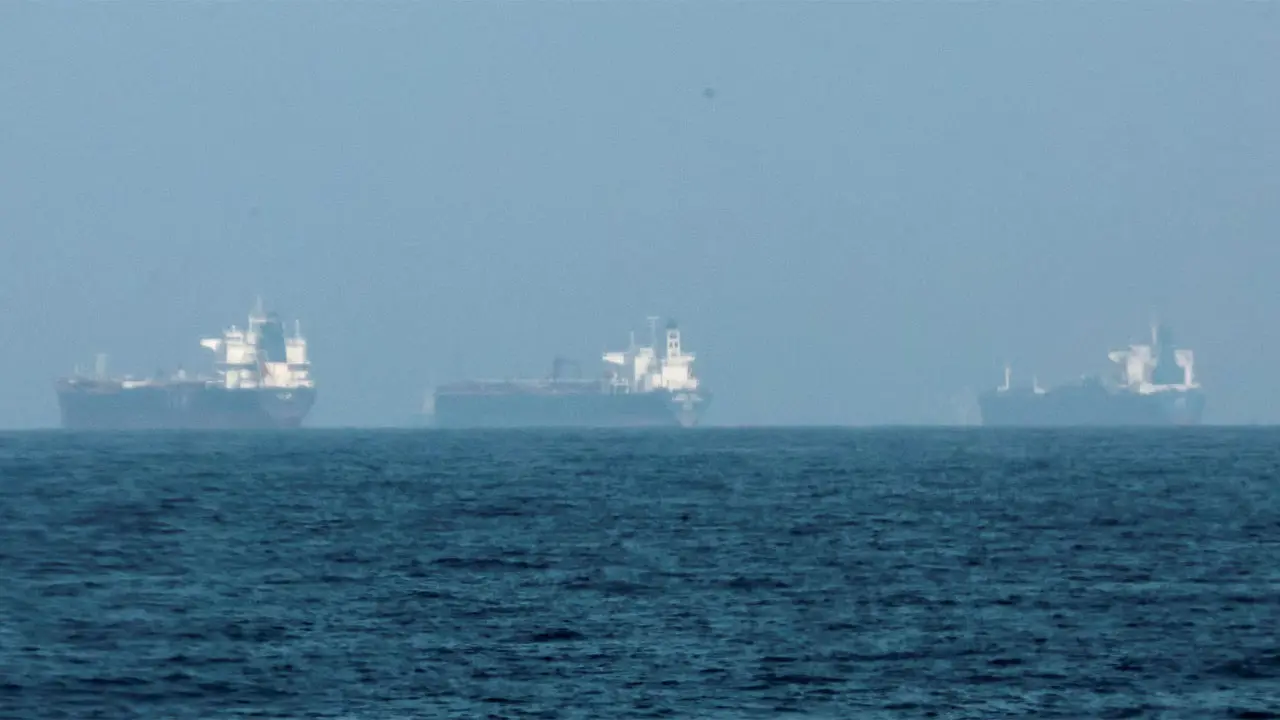
Darwin, 23 April: One day after extending the ceasefire with Iran indefinitely, U.S. Central Command (CENTCOM) has seized three Iranian-flagged oil tankers. According to international…
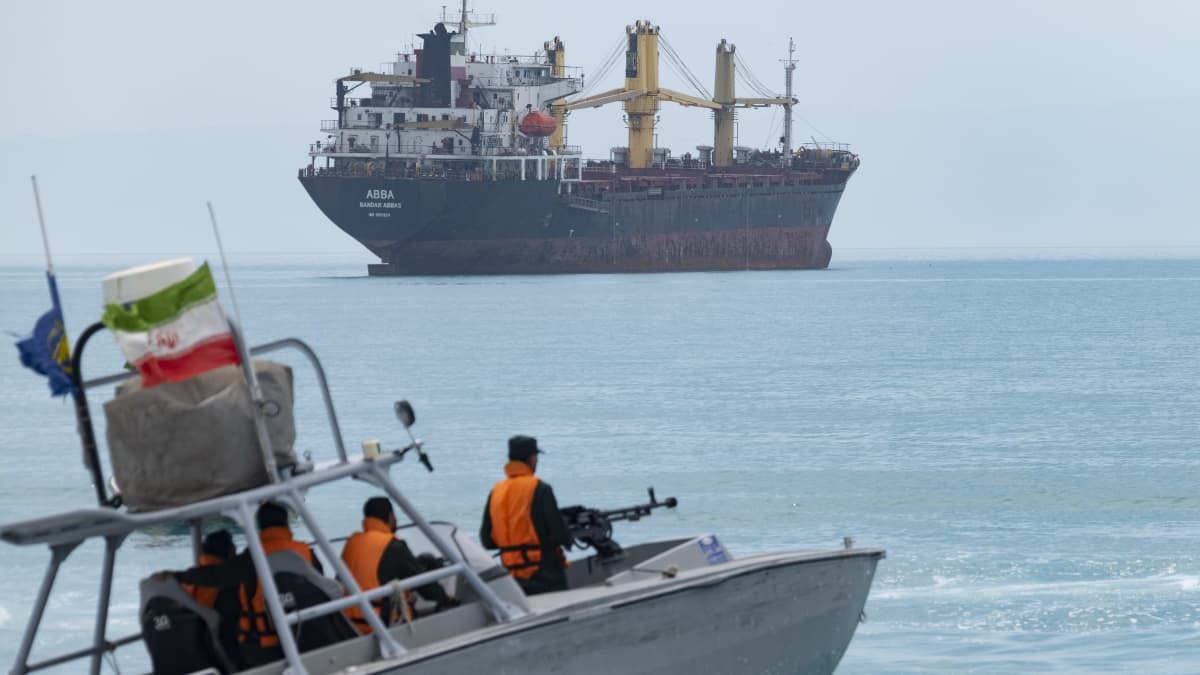
Darwin, 22 April : Iran’s Islamic Revolutionary Guard Corps (IRGC) has reportedly opened fire on at least three vessels and seized two of them after…
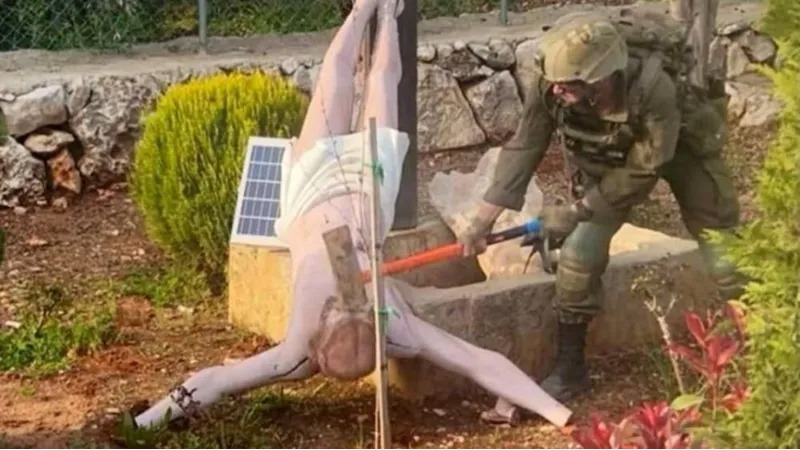
Darwin, 22 April : A widely circulated image and video showing an Israeli soldier striking a statue of Jesus Christ with a hammer in southern…
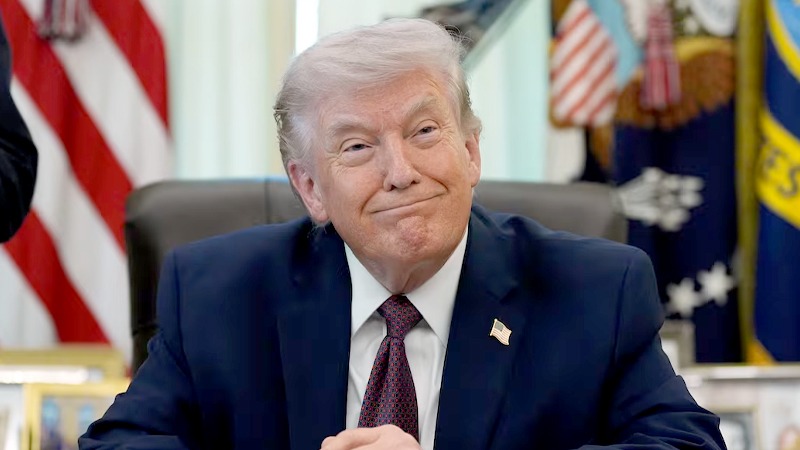
Darwin, 22 April : Amid ongoing tensions, U.S. President Donald Trump has announced an extension of the ceasefire with Iran, while maintaining a strict naval…

Darwin, 21 April: European Union officials have said they expect progress this week on key issues related to Ukraine and Israel after Hungarian Prime Minister…
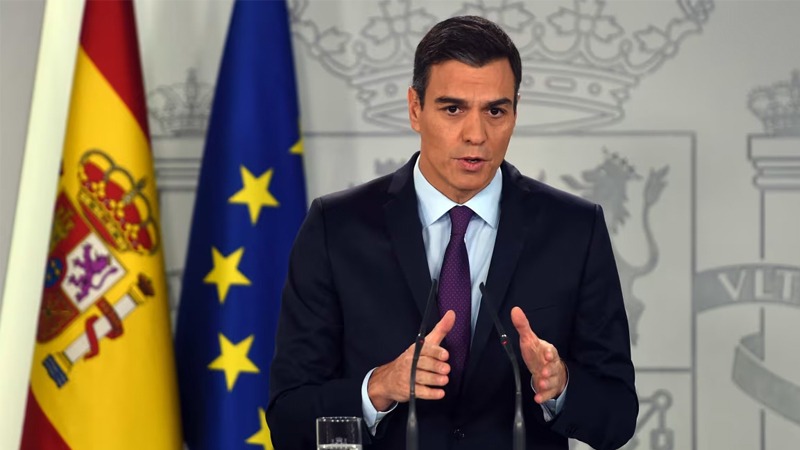
Darwin, 20 April : Spain will request the European Union (EU) to formally terminate its existing Association Agreement with Israel, Prime Minister Pedro Sánchez has…
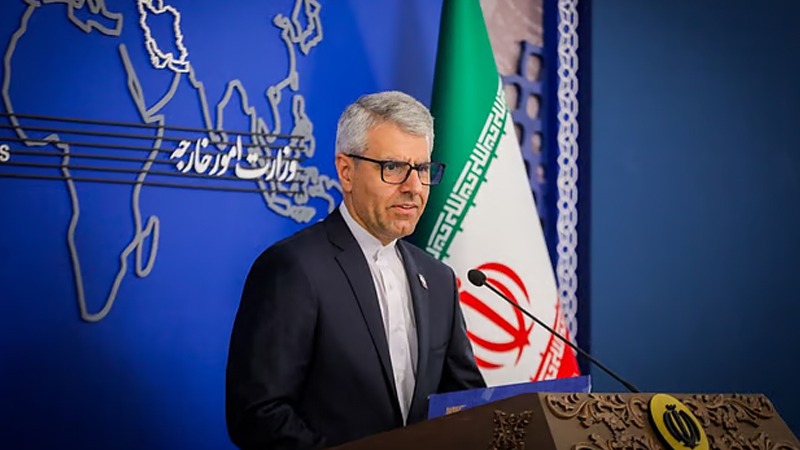
Darwin, 20 April : Iran’s Foreign Ministry spokesperson said on Monday that Tehran currently has no plans for a second round of talks with the…

Darwin, 20 April : A man shot and killed eight children — seven of them his own — in Shreveport, before being fatally shot by…