Silver, Platinum and Palladium Prices Fall in Global Markets
Darwin, September 8: Precious metal prices declined in the international market on Tuesday. In the spot market, silver prices fell 0.5% to $65.76 per ounce….



Darwin, 10 February:
Elon Musk, CEO of space-focused commercial company SpaceX, has said that building a “self-sustaining, organically growing city” on the Moon is now a top priority for the company and could be achieved in less than 10 years.
In a post on social media platform X on Monday, Musk said the core objective is to safeguard the future of human civilization. From that perspective, establishing a settlement on the Moon is more feasible in the near term than colonizing Mars.
However, SpaceX has not abandoned its long-held ambition of building a city on Mars. Musk said preparations are underway to begin construction of a Martian city within the next five to seven years. According to a report by The Wall Street Journal, SpaceX has informed investors that it is prioritizing the Moon for now and aims to conduct an uncrewed lunar mission by March 2027.
It is worth noting that last year Musk also said he hoped to send an uncrewed mission to Mars by the end of 2026.
The renewed focus on the Moon comes amid intensifying competition between the United States and China in lunar exploration. No human has set foot on the Moon since NASA’s Apollo 17 mission in 1972. In this context, SpaceX’s new emphasis is seen as adding momentum to the global space race.
Recently, Musk announced that his artificial intelligence company xAI has been acquired by SpaceX. Under the deal, SpaceX is valued at nearly $1 trillion, while xAI is valued at $250 billion. Supporters argue that this move strengthens plans to build space-based data centers, which could be more energy-efficient than Earth-based facilities amid rapidly growing AI demand.
Meanwhile, SpaceX could raise around $50 billion this year through a potential initial public offering, which would make it one of the largest IPOs in history if realized. Musk also said that less than five percent of SpaceX’s revenue this year will come from NASA, despite the company being a key contractor for NASA’s Artemis program. SpaceX holds a nearly $4 billion contract to land astronauts on the Moon using its Starship vehicle.
A major share of SpaceX’s revenue currently comes from its commercial Starlink satellite internet service. The company aired its first Starlink advertisement during Sunday’s Super Bowl broadcast.
Alongside his space ambitions, Musk is also steering his electric vehicle company Tesla toward a new strategic direction. After helping build the global electric vehicle market, Tesla plans to spend around $20 billion this year on autonomous driving technology and robotics. To accelerate this shift, production of two vehicle models at its California factory is being halted to make room for manufacturing the humanoid “Optimus” robot.
Overall, Musk’s technology empire is moving forward on parallel tracks, targeting both the Moon and Mars as part of a broader effort to secure the long-term future of human civilization.
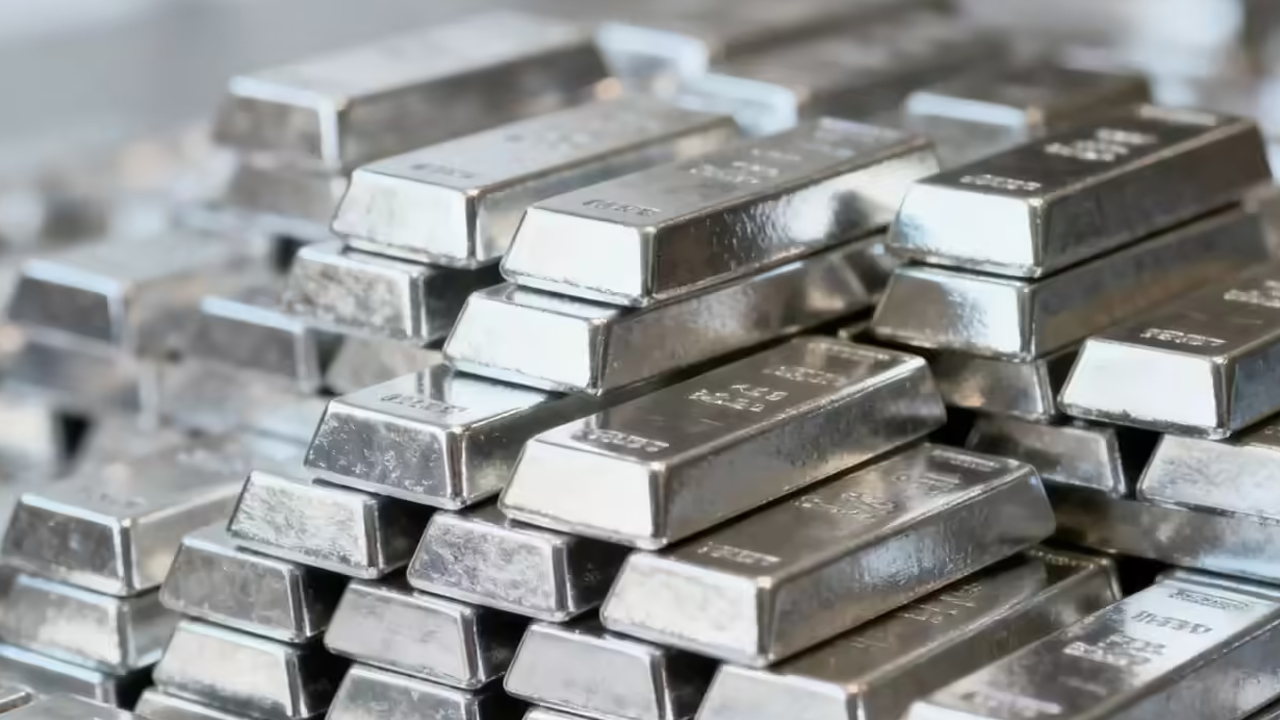
Darwin, September 8: Precious metal prices declined in the international market on Tuesday. In the spot market, silver prices fell 0.5% to $65.76 per ounce….
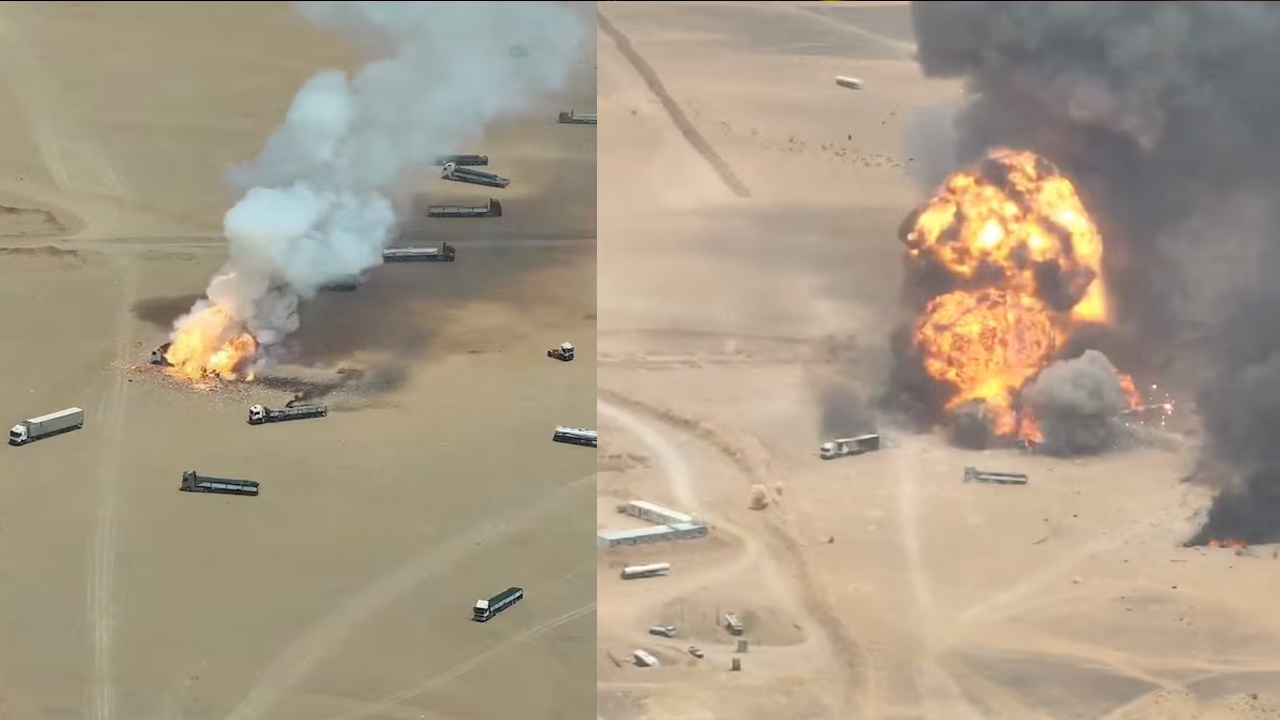
Darwin, Septermber 08 : At least 73 civilians, including women and children, have been injured in attacks by Yemen’s Houthi rebels targeting civilian and economic…
Darwin, 08 September : Ukraine has taken steps toward legalizing pornography as a way to raise funds for its war with Russia. According to The…
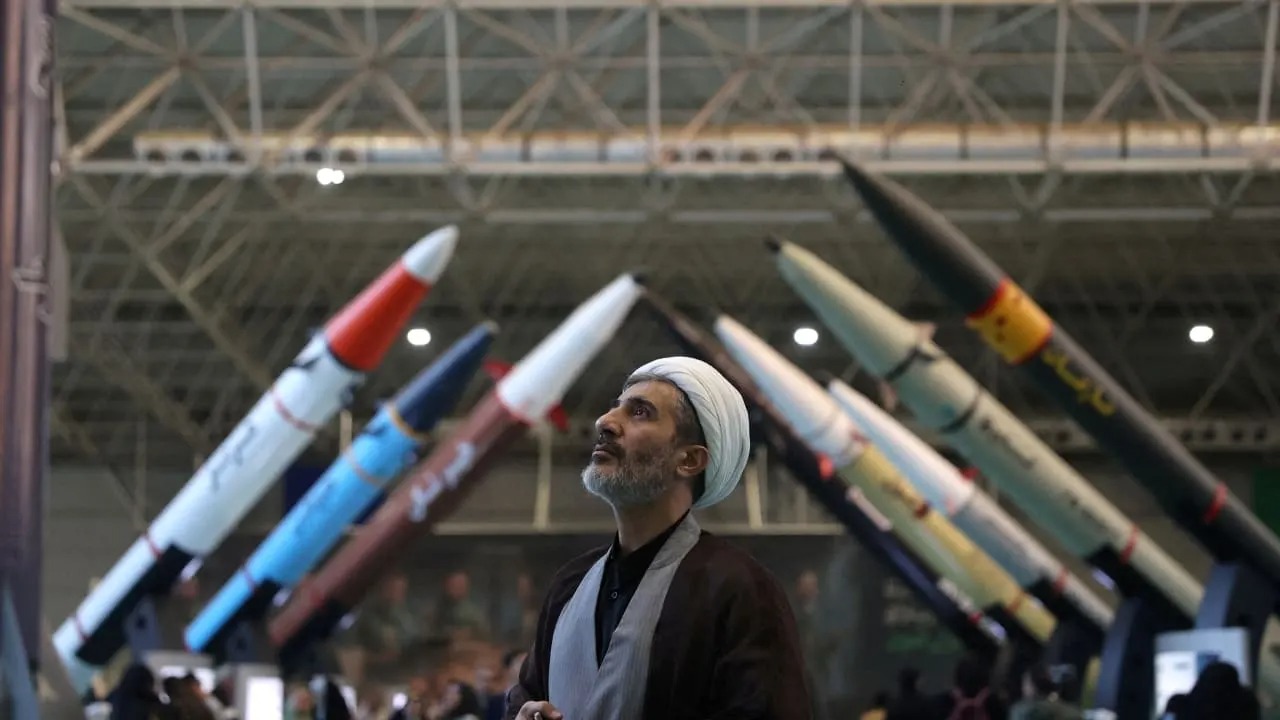
Darwin, September 07: Iran is preparing for a major, multi-front attack against Israel, according to an Israeli intelligence assessment. The report says Iran is seeking…
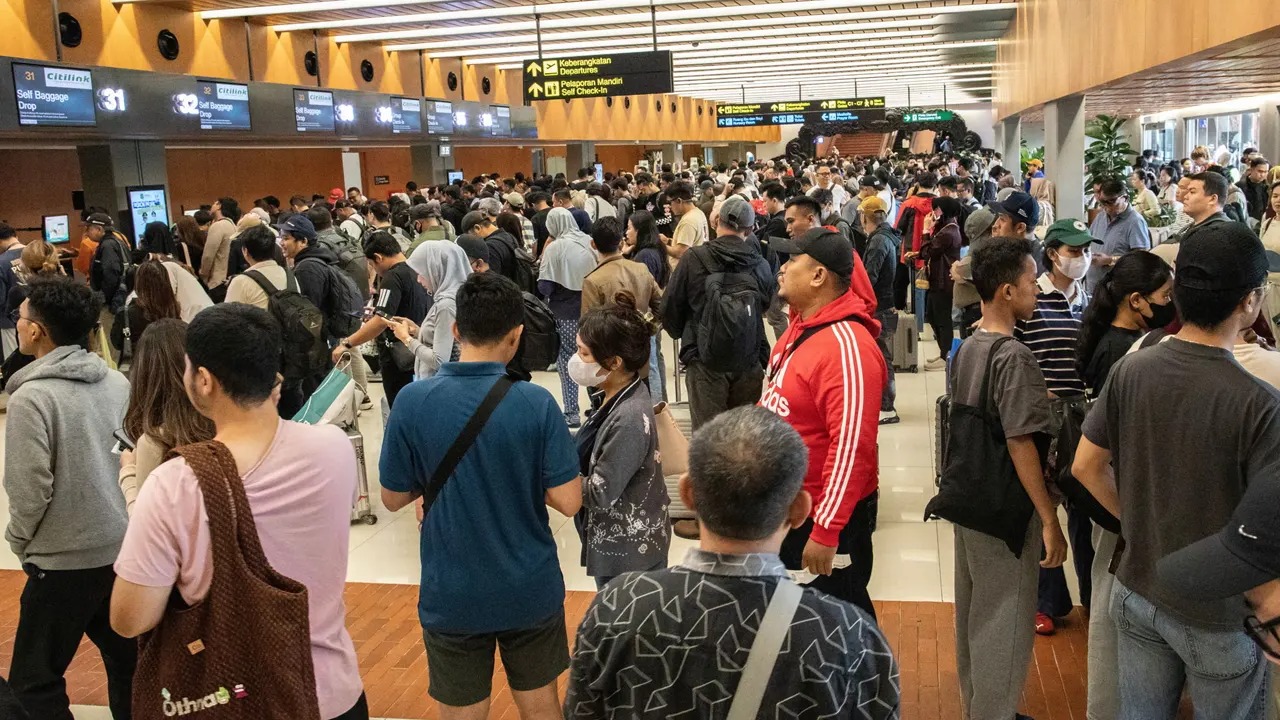
Darwin, 07 September: Air travel in Indonesia has been disrupted by ash from the eruption of Anak Krakatau volcano. As of Monday morning, seven airports,…
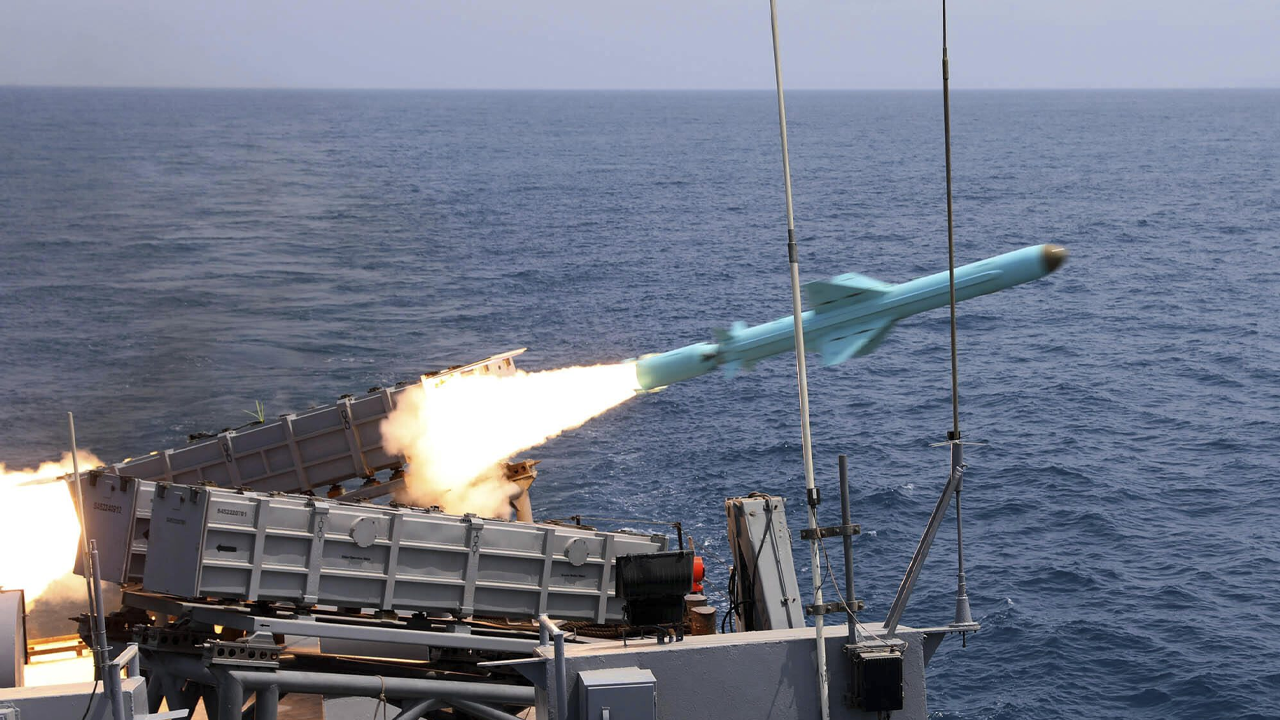
Darwin, September : Iran’s Islamic Revolutionary Guard Corps (IRGC) has launched ballistic missile attacks on a US aircraft carrier and a US Navy destroyer. In…

Darwin, September 05: The Trump administration’s efforts to intensify economic pressure on Iran could accelerate the emergence of a new global order less dependent on…

Darwin, September 04 : India’s central government has allocated Rs 2,077 crore for the construction of a new four-lane highway in the strategically important Siliguri…