US Forces to Leave Iraq After Two Decades and 4,500 Military Deaths
Darwin, September 30 : The United States is preparing to withdraw its military forces from Iraq after more than two decades of war and the…



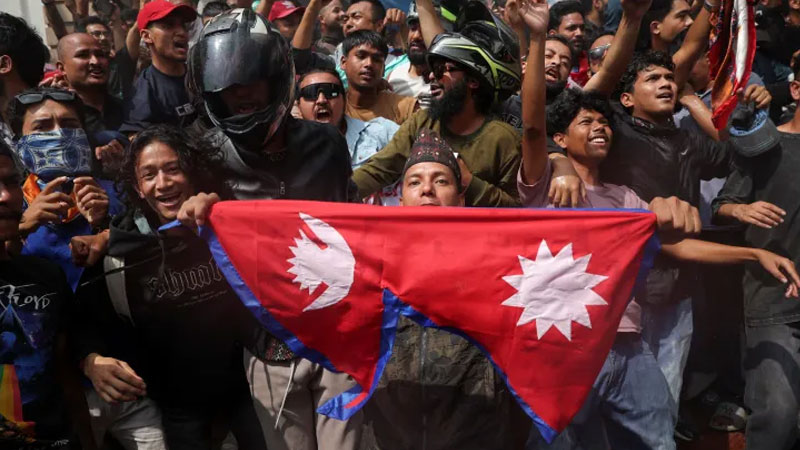
Darwin, 11 September — The Nepalese Army has announced it will step in to take control of the escalating crisis, accusing protesters of exploiting the situation to loot and damage both public and private property.
According to the BBC, the army issued a statement declaring its commitment — alongside other security agencies — to restore order. The directive will come into effect from 10:00 PM local time. The military also urged citizens to cooperate and stated that more details about the operation would be provided in due course.
Nepal’s Chief of Army Staff, General Ashok Raj Sigdel, has extended an invitation for dialogue to the protest leaders in a bid to find a resolution to the ongoing political crisis. He also expressed condolences to the families of those killed during the protests.
Meanwhile, police in Kaski district reported that 773 inmates escaped from a local prison following a violent mob attack. Another 127 prisoners reportedly escaped from the Tulsipur prison in Dang Province.
The unrest erupted last week after the government imposed a sweeping ban on major social media platforms — including Facebook, Instagram, WhatsApp, YouTube, and X (formerly Twitter) — citing concerns over the spread of hate speech and misinformation. By Thursday night, 26 websites had also been taken offline, prompting thousands of young protesters to take to the streets.
Civil society representatives criticized the government’s actions, calling the restrictions a direct attack on freedom of expression.
On Monday, protesters — many of them wearing school and college uniforms — attempted to storm Nepal’s Parliament building in Kathmandu. In response, police fired rubber bullets and tear gas. Protesters set an ambulance on fire and blocked roads using various objects to delay security forces.
One protester told India’s ANI news agency, “The police were firing indiscriminately.”
Seventeen people were killed in Kathmandu that day alone, while two more died in the eastern city of Itahari. Over 400 people, including security personnel, were injured in the violence.
The international community has condemned the violent crackdown. The UN Office of the High Commissioner for Human Rights said it was “shocked” by the killings and called for a transparent investigation.
As violence escalated, a wave of ministerial resignations followed. The controversial ban on social media was eventually lifted. However, Prime Minister KP Sharma Oli came under intense pressure — even from within the ruling coalition.
Gagan Thapa, General Secretary of the Nepali Congress (a coalition partner), publicly demanded Oli’s resignation, holding him accountable for the unrest.
According to The Himalayan Times, Prime Minister Oli, in his resignation letter submitted to President Ram Chandra Paudel, acknowledged the “extraordinary situation” in the country and stressed the need for a “constitutional and political solution.”
Despite efforts to de-escalate, protests and stone-pelting continued on Tuesday in several parts of Kathmandu and other regions. Multiple news outlets, including NDTV, The Kathmandu Post, and The Himalayan Times, reported the imposition of curfews across key urban areas.
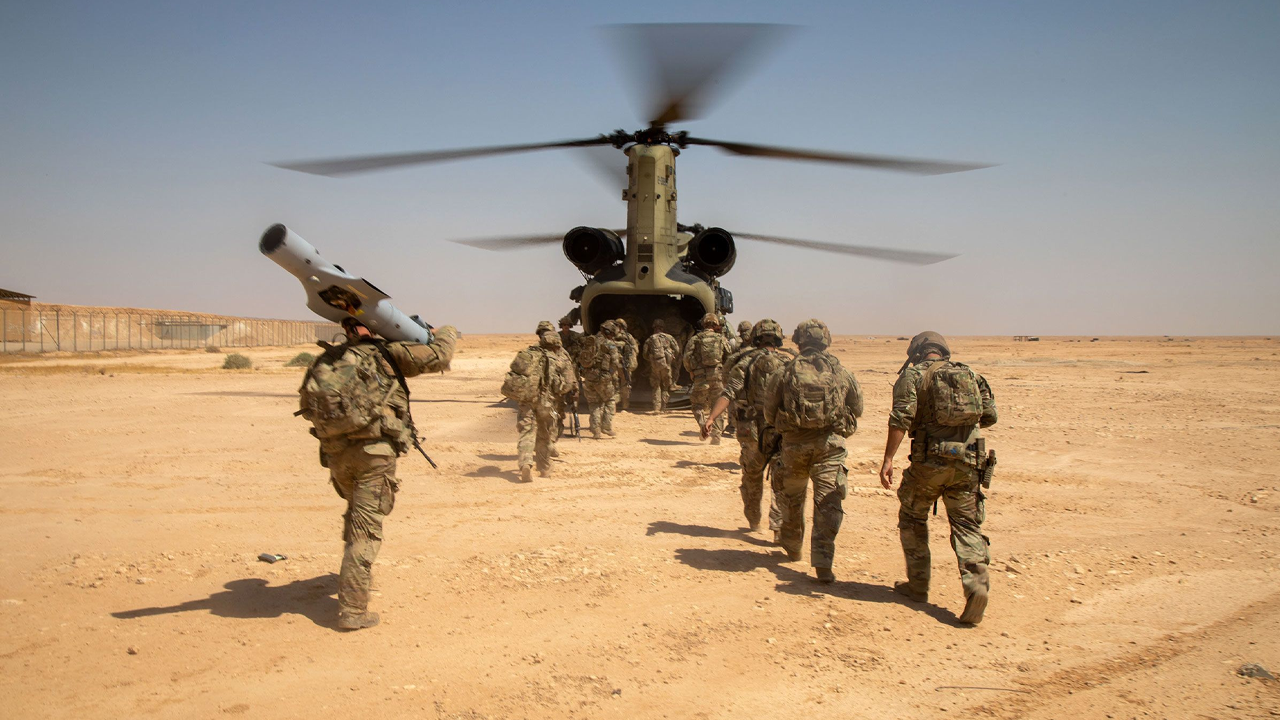
Darwin, September 30 : The United States is preparing to withdraw its military forces from Iraq after more than two decades of war and the…
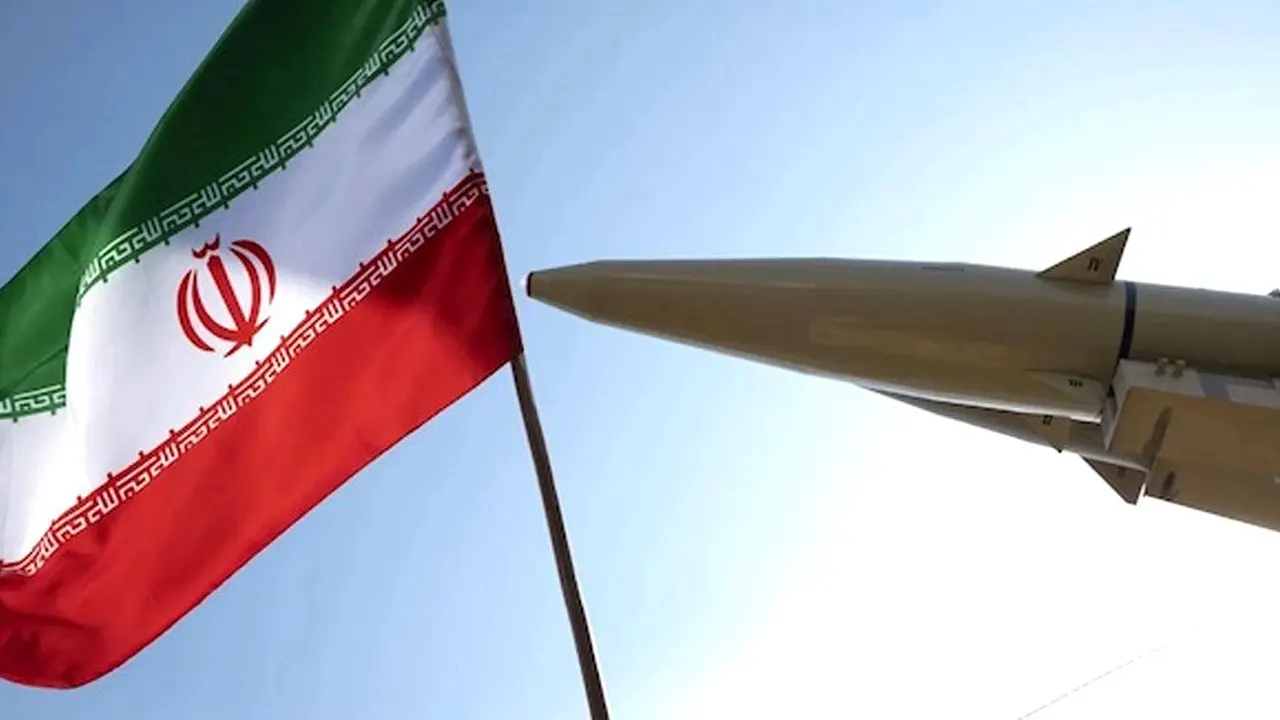
Darwin, September 30: Russia has urged Iran not to withdraw from the Treaty on the Non-Proliferation of Nuclear Weapons (NPT), calling on Tehran to remain…
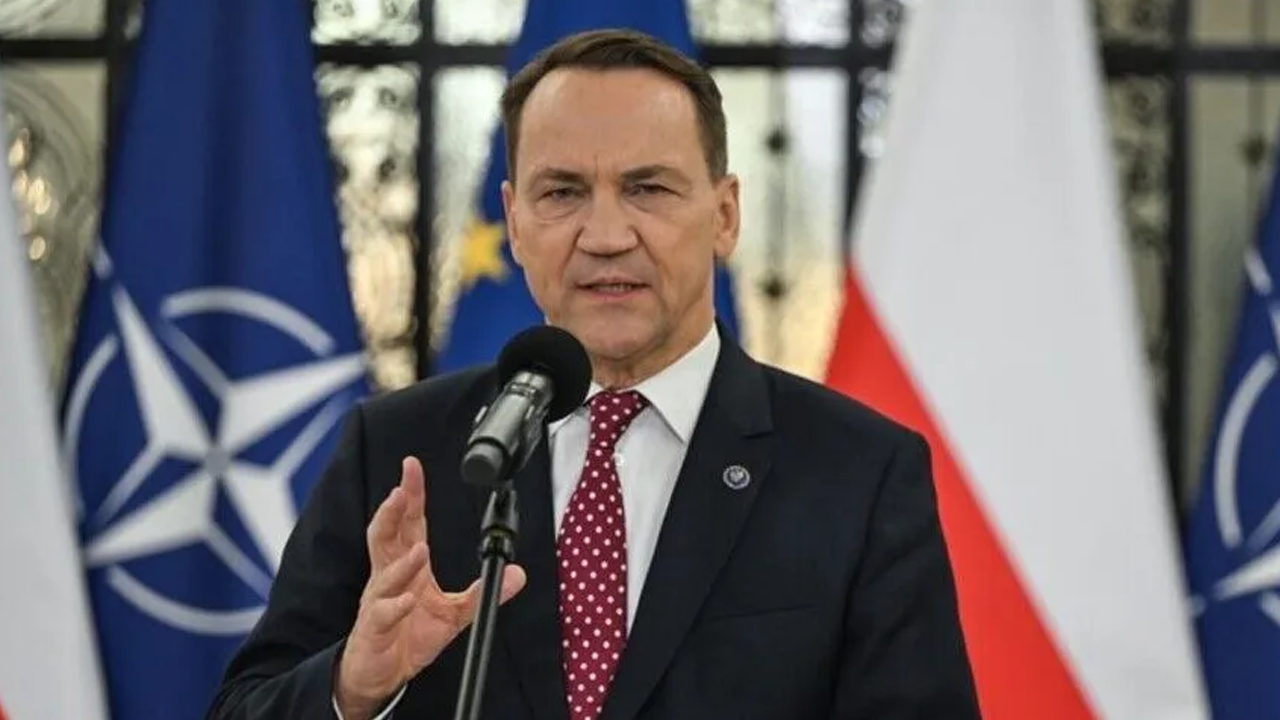
Darwin, September 30: Russia currently lacks sufficient military capability to launch a major attack against NATO because its forces are engaged in the war in…
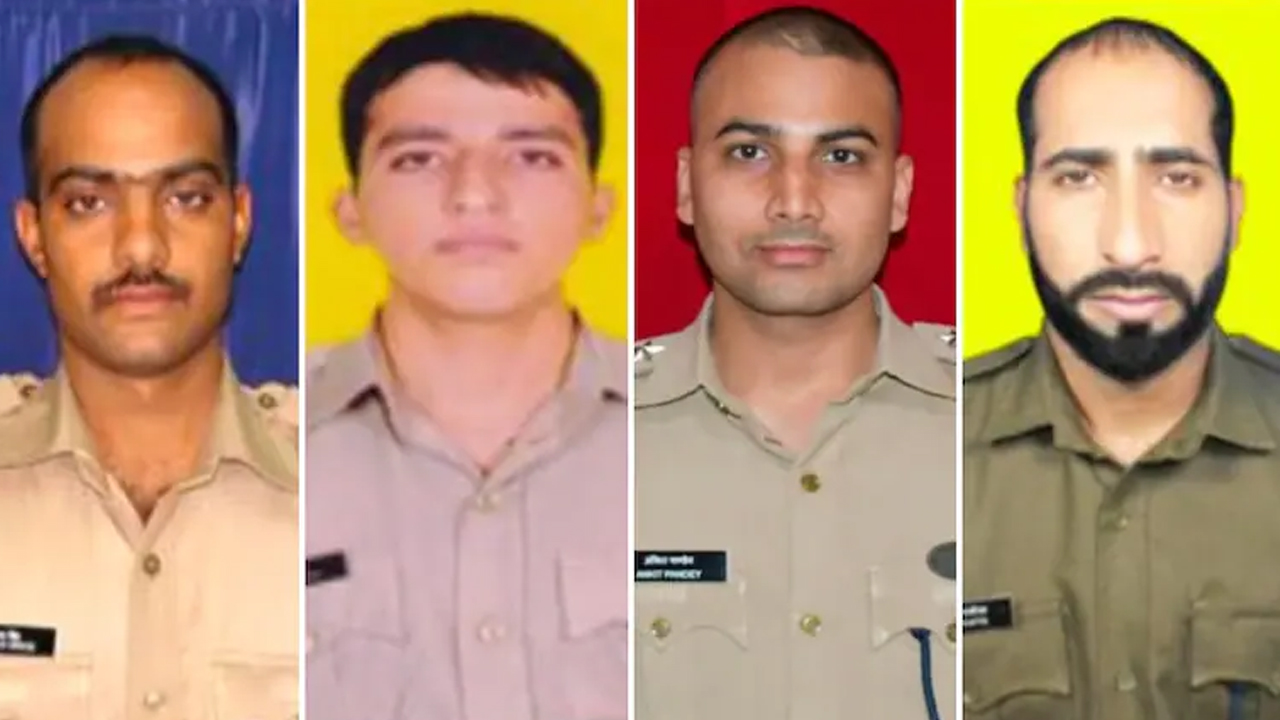
Four personnel of India’s Central Industrial Security Force (CISF), including an officer, were killed after a colleague allegedly opened fire on them at a hydropower…
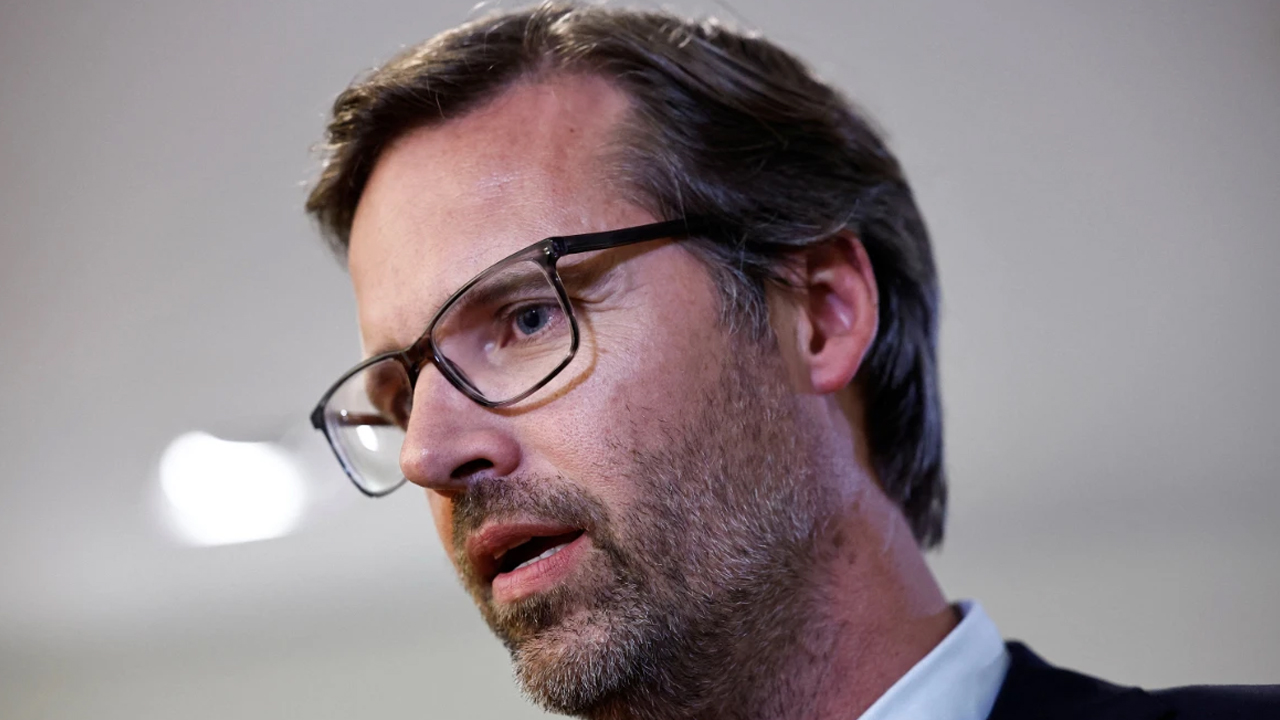
Darwin, September 25: The Netherlands is seeking to build an international coalition to evacuate at least 1,000 sick and injured children from Gaza for medical treatment,…

Darwin, September 25: Police arrested at least 100 people, including Oscar-winning actress Susan Sarandon, during a protest against Israeli Prime Minister Benjamin Netanyahu outside the…
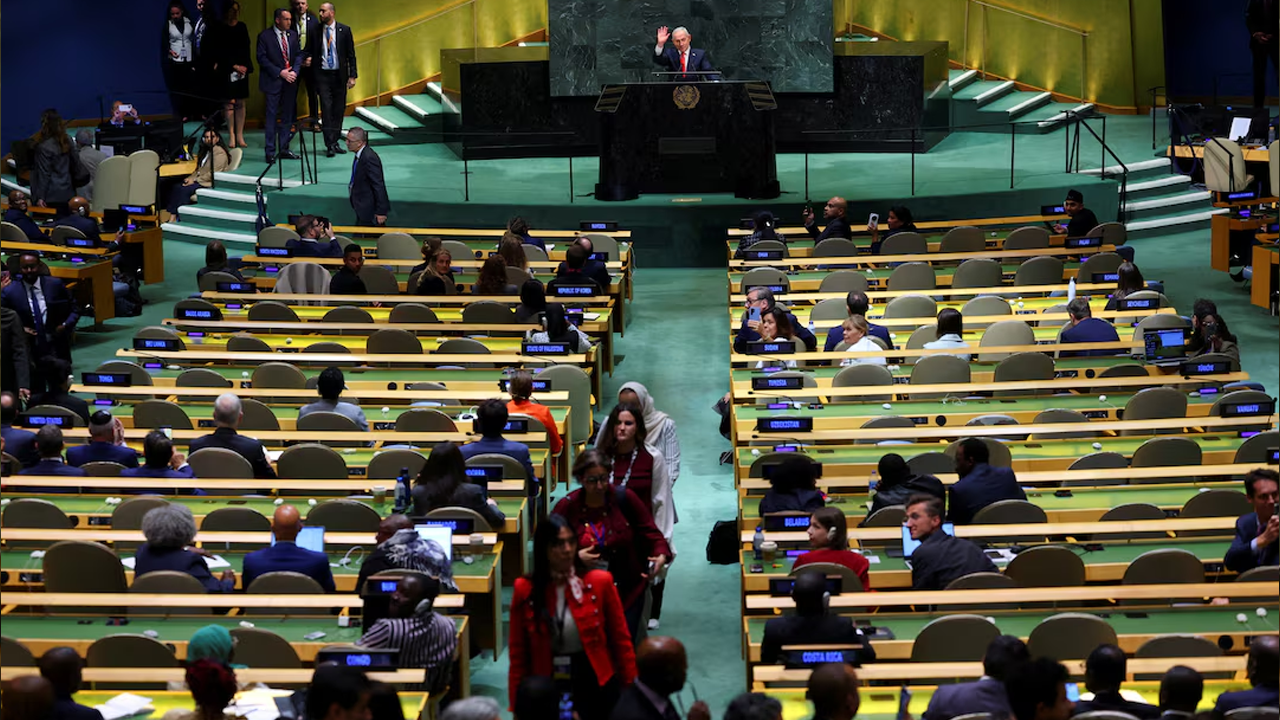
Darwin, September 25: Representatives from Bangladesh and 76 other countries walked out of the United Nations General Assembly hall as Israeli Prime Minister Benjamin Netanyahu…
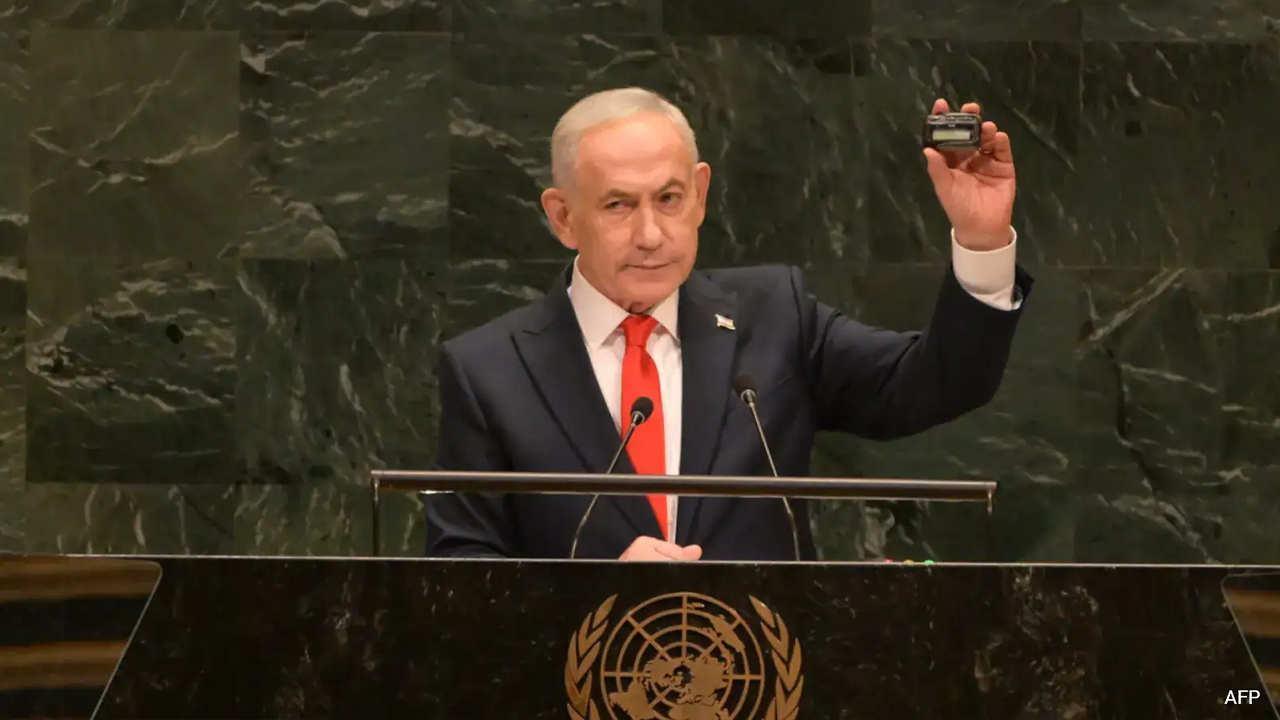
Darwin, September 25 : Israeli Prime Minister Benjamin Netanyahu brought a pager to the United Nations General Assembly while delivering a speech, using it to highlight…