US Forces to Leave Iraq After Two Decades and 4,500 Military Deaths
Darwin, September 30 : The United States is preparing to withdraw its military forces from Iraq after more than two decades of war and the…



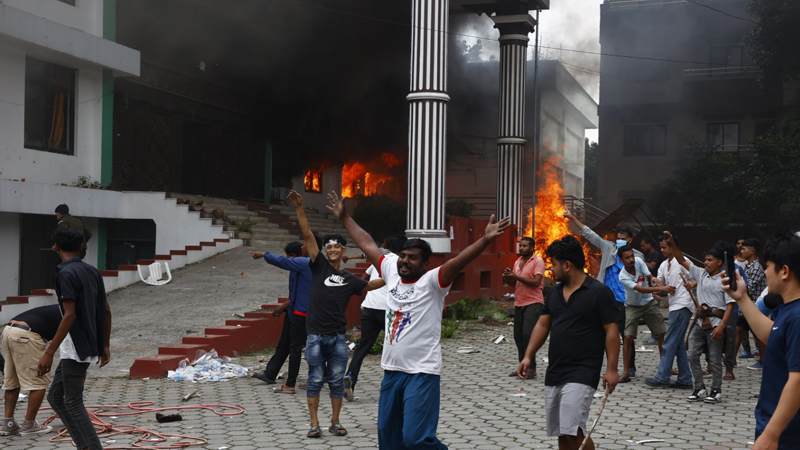
Darwin, 11 September — The ongoing ‘Gen Z’ protests in Nepal have entered a second day of escalating violence. On Tuesday, demonstrators set fire to the central office of the ruling Nepali Congress Party in Sanepa, according to a report by The Kathmandu Post.
The same day, widespread attacks were reported across Kathmandu and other districts, targeting residences of senior political leaders, ministers, former prime ministers, and even the central bank governor.
Despite the imposition of curfews in several areas, protests continue to rage on, as per local media reports.
In Lalitpur, protesters reportedly torched the residence of Prithvi Subba Gurung, the Minister for Information and Communication Technology. Demonstrators also pelted stones at the residence of Deputy Prime Minister and Finance Minister Bishnu Paudel in Bhaisepati. Former Home Minister Ramesh Lekhak’s house was also attacked on Monday evening.
The official residence of Nepal Rastra Bank Governor Bishwo Paudel in Bhaisepati was not spared either, with protesters hurling stones at the property.
Additionally, the residence of opposition leader and chairman of the CPN (Maoist Centre), Pushpa Kamal Dahal ‘Prachanda’, located in Khumaltar, also came under attack with stone-pelting.
In a surprising turn, both Home Minister Ramesh Lekhak and Minister for Agriculture and Livestock Development Ramnath Adhikari have publicly taken “moral responsibility” for the ongoing unrest.
The protests, led primarily by Nepal’s youth in response to corruption and recent government restrictions on social media, began on Monday — just days after the government imposed a blanket ban on major social media platforms.
Monday’s demonstrations turned deadly, with at least 19 protesters killed in police firing, according to local sources.
What began as a digital-age civil resistance has now evolved into a nationwide uprising, targeting Nepal’s political establishment and demanding systemic change.
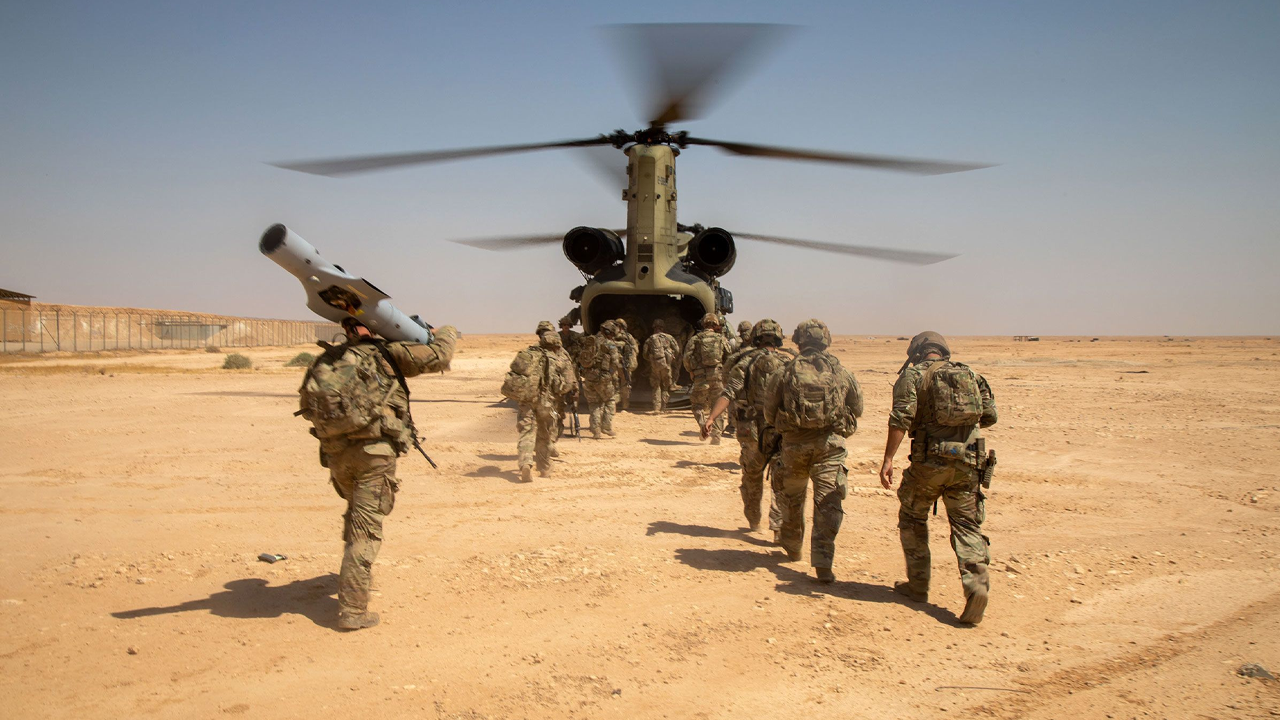
Darwin, September 30 : The United States is preparing to withdraw its military forces from Iraq after more than two decades of war and the…
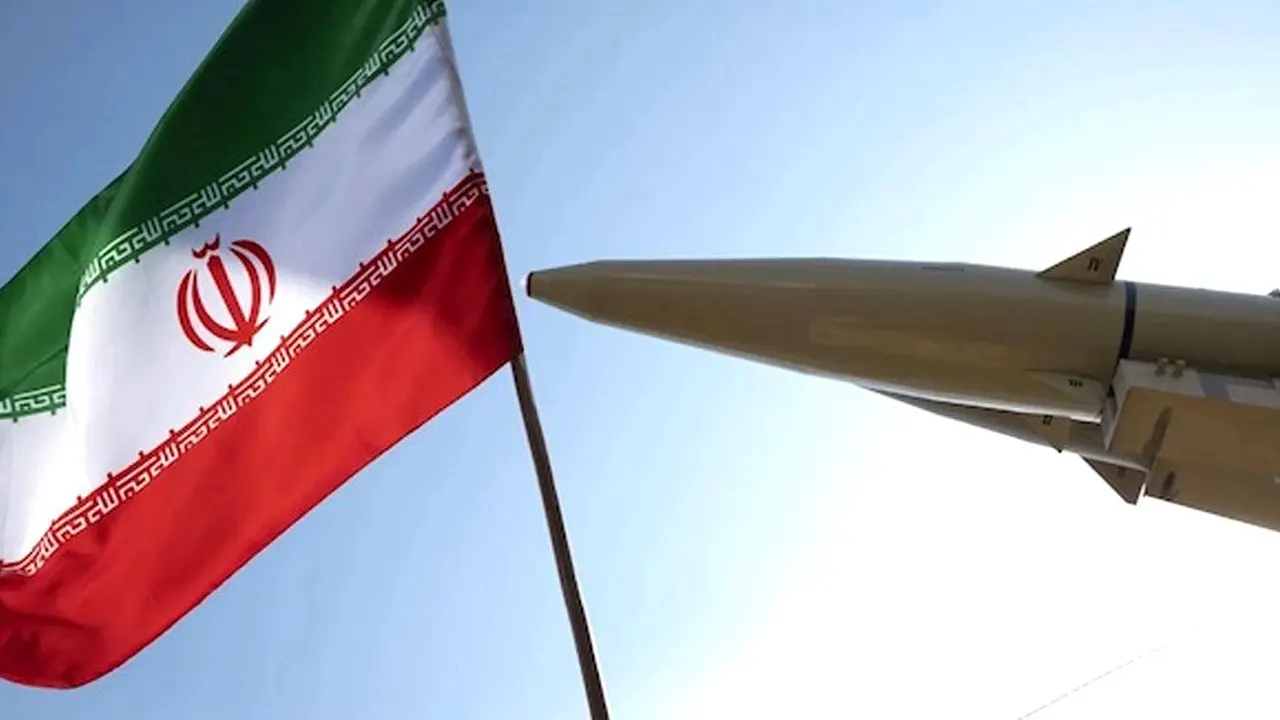
Darwin, September 30: Russia has urged Iran not to withdraw from the Treaty on the Non-Proliferation of Nuclear Weapons (NPT), calling on Tehran to remain…
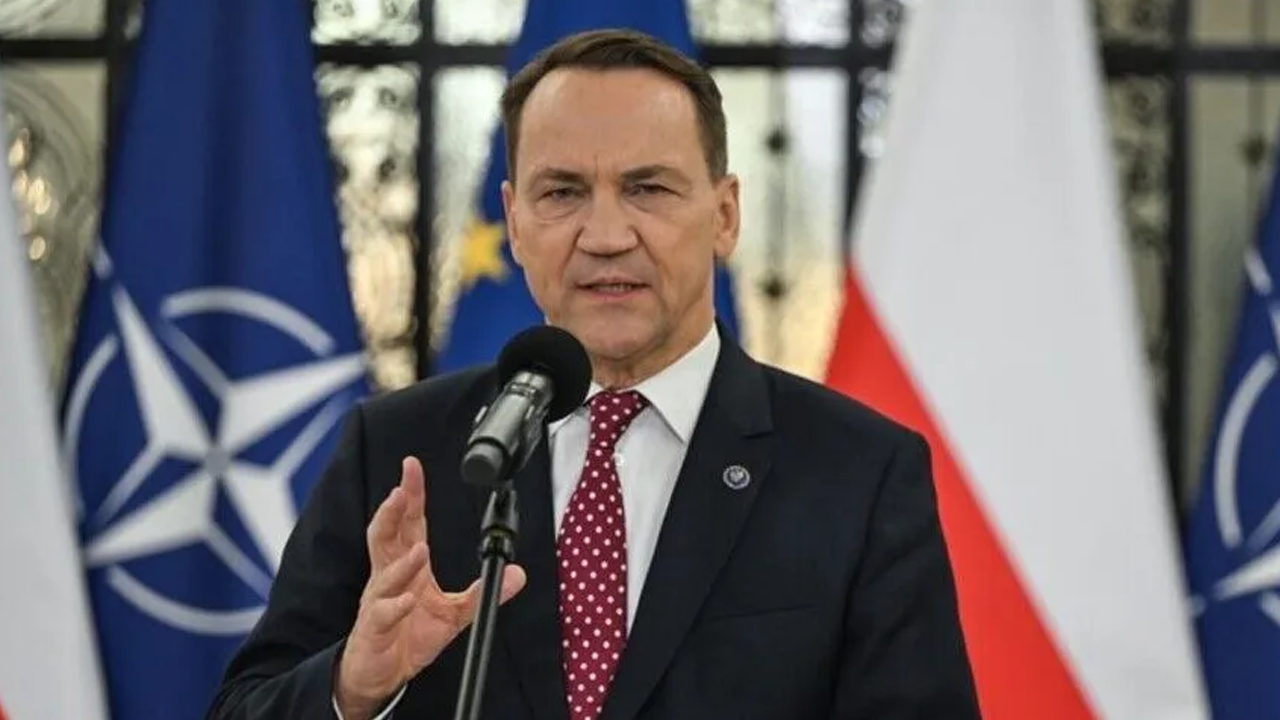
Darwin, September 30: Russia currently lacks sufficient military capability to launch a major attack against NATO because its forces are engaged in the war in…
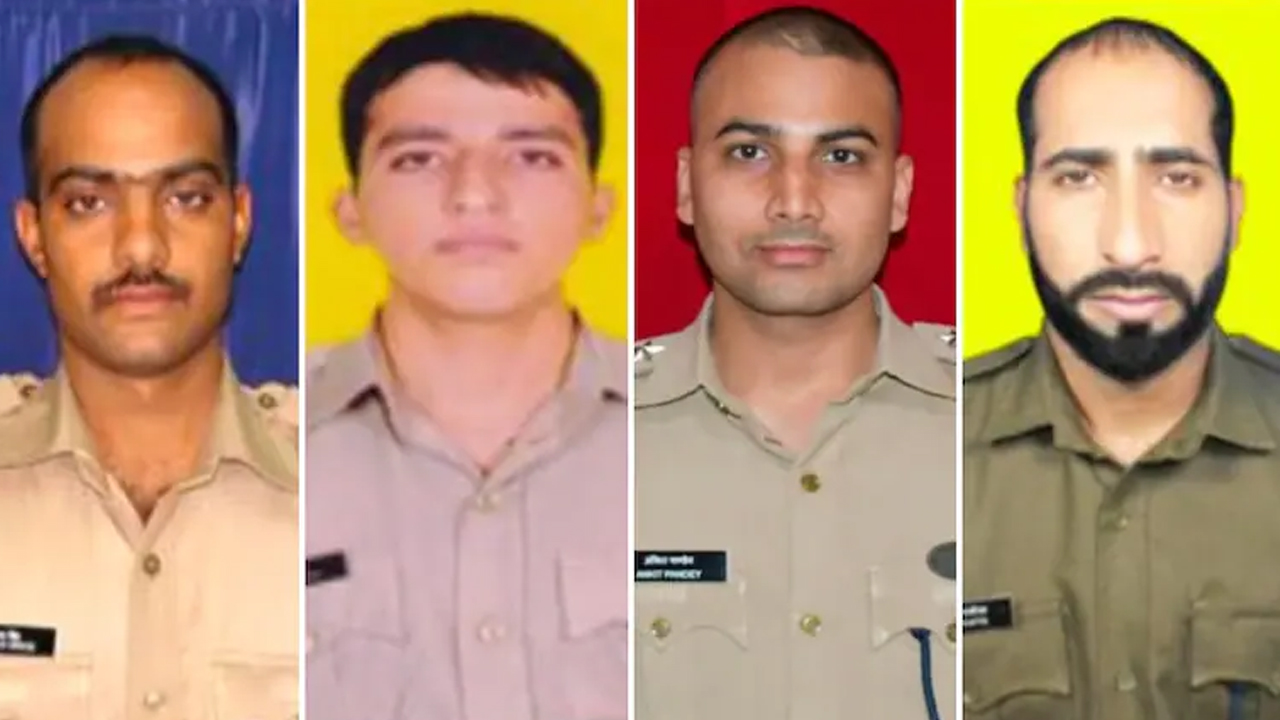
Four personnel of India’s Central Industrial Security Force (CISF), including an officer, were killed after a colleague allegedly opened fire on them at a hydropower…

Darwin, September 25: The Netherlands is seeking to build an international coalition to evacuate at least 1,000 sick and injured children from Gaza for medical treatment,…

Darwin, September 25: Police arrested at least 100 people, including Oscar-winning actress Susan Sarandon, during a protest against Israeli Prime Minister Benjamin Netanyahu outside the…
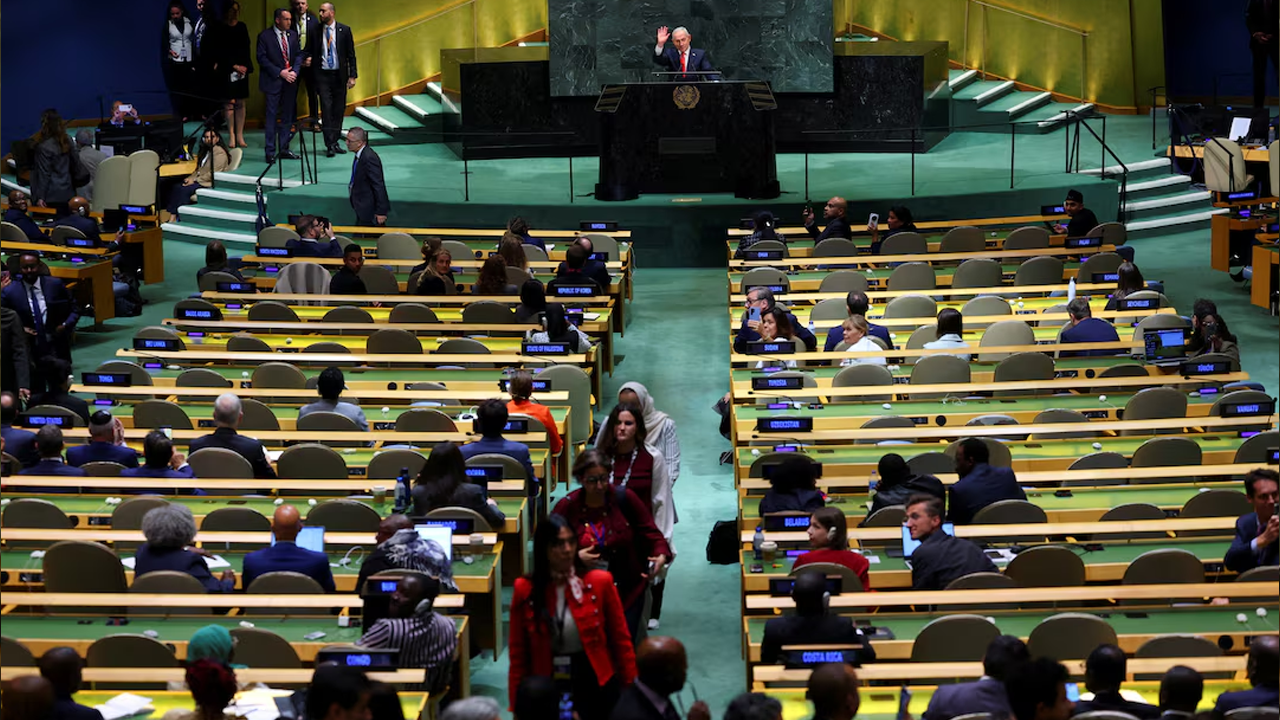
Darwin, September 25: Representatives from Bangladesh and 76 other countries walked out of the United Nations General Assembly hall as Israeli Prime Minister Benjamin Netanyahu…
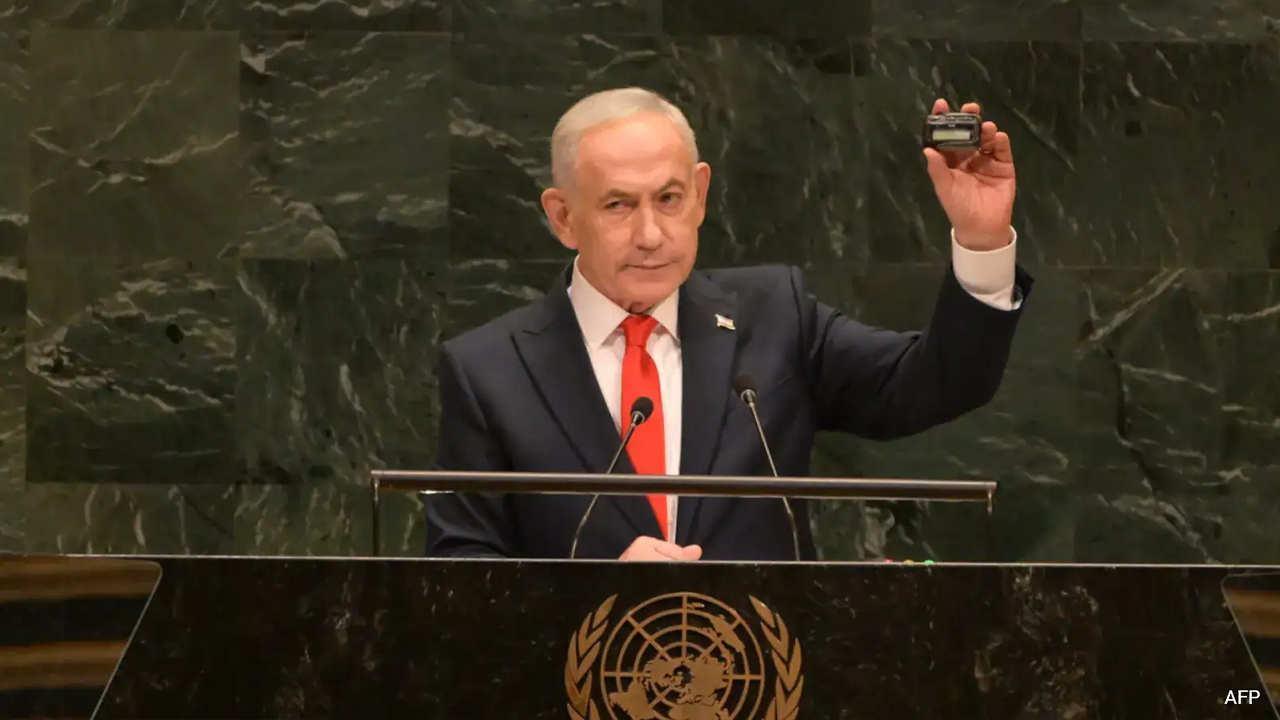
Darwin, September 25 : Israeli Prime Minister Benjamin Netanyahu brought a pager to the United Nations General Assembly while delivering a speech, using it to highlight…