US Forces to Leave Iraq After Two Decades and 4,500 Military Deaths
Darwin, September 30 : The United States is preparing to withdraw its military forces from Iraq after more than two decades of war and the…



Darwin, 01 October-
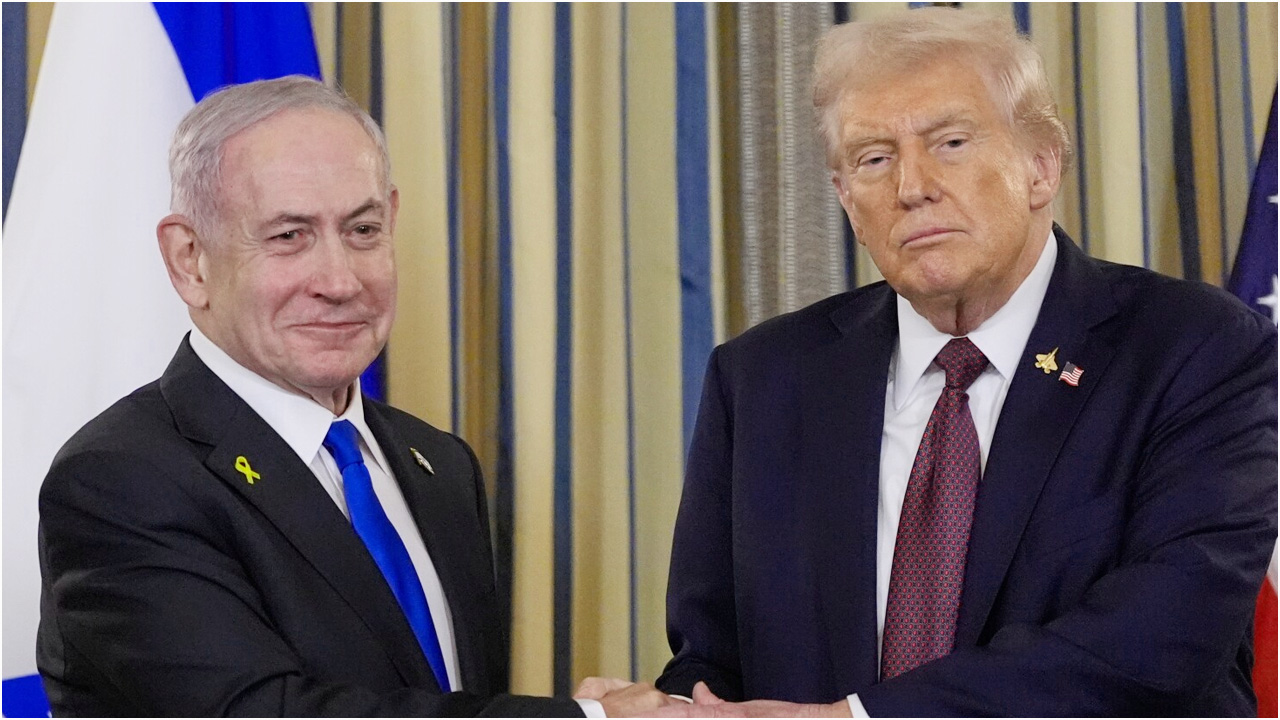
The White House has introduced a 20-point proposal aimed at immediately ending hostilities in the Gaza Strip. According to the plan, if both parties agree, Israel would cease military operations and exchange hostages within 72 hours.
Under the proposal, a technocratic interim Palestinian government—excluding any involvement from Hamas—would manage Gaza temporarily. Israel would be prohibited from occupying territory in the enclave.
President Donald Trump has already secured Israel’s agreement to the plan, as per official sources. However, Hamas representatives say they have yet to receive any written document detailing the offer.
Key components of the proposal include:
Immediate cessation of all military actions (air strikes, artillery fire) and the withdrawal of Israeli forces just enough to facilitate the hostage exchange.
Return of both living and deceased captives within three days of agreement.
Following the exchanges, Israel would release certain Palestinian prisoners: 250 serving life sentences and another 1,700 held since October 7, 2023, including women and children. In return, Israel would receive the remains of 15 Palestinians held in Gaza.
Those Hamas members willing to surrender peacefully and disarm would be granted general amnesty; those wishing to leave Gaza would be safely relocated to third countries.
Full humanitarian access would be ensured immediately, matching minimum aid levels stipulated in the January 2025 agreement. Reconstruction work—repairing water, electricity, hospitals, clearing debris, reopening roads—would commence.
A neutral international body (the “Board of Peace”), to be chaired by Trump and including figures like former British Prime Minister Tony Blair, would oversee the reconstruction and governance efforts.
An “International Stabilization Force” (ISF) would be deployed to provide security, support policing, restrict arms flows, and manage border areas in coordination with Israel and Egypt.
Israel would gradually withdraw all troops once stability is achieved, with Gaza not serving as a future threat to Israel or neighboring states.
In case Hamas rejects or delays acceptance, the plan empowers the ISF to assume security and aid responsibilities.
The 20-point proposal pledges investment in Gaza’s future: forming special economic zones, inviting foreign investment, rebuilding infrastructure, and creating jobs. The ultimate goal is to transform Gaza into a peaceful, self-sufficient territory that poses no threat to its neighbors.
In a bold push to end the nearly two-year war between Israel and Hamas, U.S. President Donald Trump has floated a 20-point peace proposal aimed at securing a ceasefire, bringing back hostages, dismantling Hamas’s military power, and creating a transitional framework for Gaza governance. While the plan has drawn praise from many governments, it also faces skepticism—especially from Palestinians and critics who say it offers few guarantees for them.
What Trump’s Plan Proposes
Though the full text contains numerous clauses, key elements publicly reported include:
Immediate ceasefire: The plan calls for all military operations—air strikes, artillery fire, ground offensives—to pause, contingent on mutual acceptance.
Hostage-prisoner exchange within 72 hours: If Israel publicly accepts the deal, all living and deceased Israeli captives held by Hamas would be returned within three days. In exchange, Israel would release Palestinian prisoners, including many held since the start of the war.
Phased Israeli withdrawal: Israeli forces would gradually pull back from Gaza, according to agreed benchmarks, while maintaining a security perimeter initially.
Disarmament of Hamas: The proposal requires Hamas to relinquish its weapons infrastructure, including tunnels and production sites.
Transitional governance & oversight: Gaza would be managed temporarily by a technocratic Palestinian administration under oversight of an international “Board of Peace,” which Trump would chair; former political leaders such as Tony Blair are mentioned for participation. Hamas would be excluded from governance.
International Stabilization Force (ISF): A multinational security force would help maintain order, train a new police force, manage borders, and ensure disarmament compliance.
Humanitarian access & reconstruction: The plan promises immediate humanitarian assistance, rebuilding of essential infrastructure (roads, water, electricity, hospitals), and removal of rubble.
Conditional path to Palestinian self-determination: Although Hamas is barred from governance, there is a conditional promise that future political steps (including integration with the West Bank) might follow once Gaza is stabilized and reforms are satisfied.
Amnesty / safe exit for disarmed Hamas members: Those who disarm and renounce violence may receive amnesty; others wishing to leave Gaza would be given safe passage abroad.
Trump has publicly declared that if Hamas rejects the plan, Israel may resume military operations, warning of “a very sad end” for the group.
Global Reactions: Praise, Caution, and Criticism
Supportive or cautiously positive statements:
Middle East & Arab states: Countries including Saudi Arabia, UAE, Egypt, Jordan, Qatar, Indonesia, and Pakistan issued a joint statement welcoming Trump’s “sincere efforts” and signaling readiness to cooperate on implementation, emphasizing protection of Palestinian rights, humanitarian aid, and a two-state solution.
Turkey (President Erdogan) praised Trump’s leadership in attempting to end the bloodshed and pledged continued diplomatic support.
European Union & Western capitals: EU foreign policy chief Kaja Kallas called it “an opportunity for lasting peace” and urged Hamas to accept the plan. Several European leaders, including those from France, Germany, the U.K., and Spain, voiced conditional support so long as humanitarian, security, and governance terms are honored.
Palestinian Authority (West Bank) expressed cautious approval, stating confidence in Trump’s ability to pursue peace and willingness to participate in reforms and future elections after hostilities end.
Reservations, skepticism, and criticism:
Hamas has not publicly accepted the deal as of yet. Some sources suggest it is studying the plan closely.
Palestinian civil society / analysts warn that the plan lacks meaningful guarantees for Palestinian rights and sovereignty, and is heavily biased toward Israeli security concerns.
Right-wing Israeli figures have criticized the plan, especially the release of prisoners and limits on full withdrawal, warning of security risks.
Critics of implementation point to major logistical, political, and legal challenges—how to demilitarize Gaza under wartime conditions, how to ensure governance legitimacy, and how to reconcile the West Bank issue and Israeli settlement matters, which the plan largely leaves unaddressed.
Some analysts argue that while ending the war is urgent, the plan risks imposing terms without broad Palestinian consent, and might entrench external control.

Darwin, September 30 : The United States is preparing to withdraw its military forces from Iraq after more than two decades of war and the…
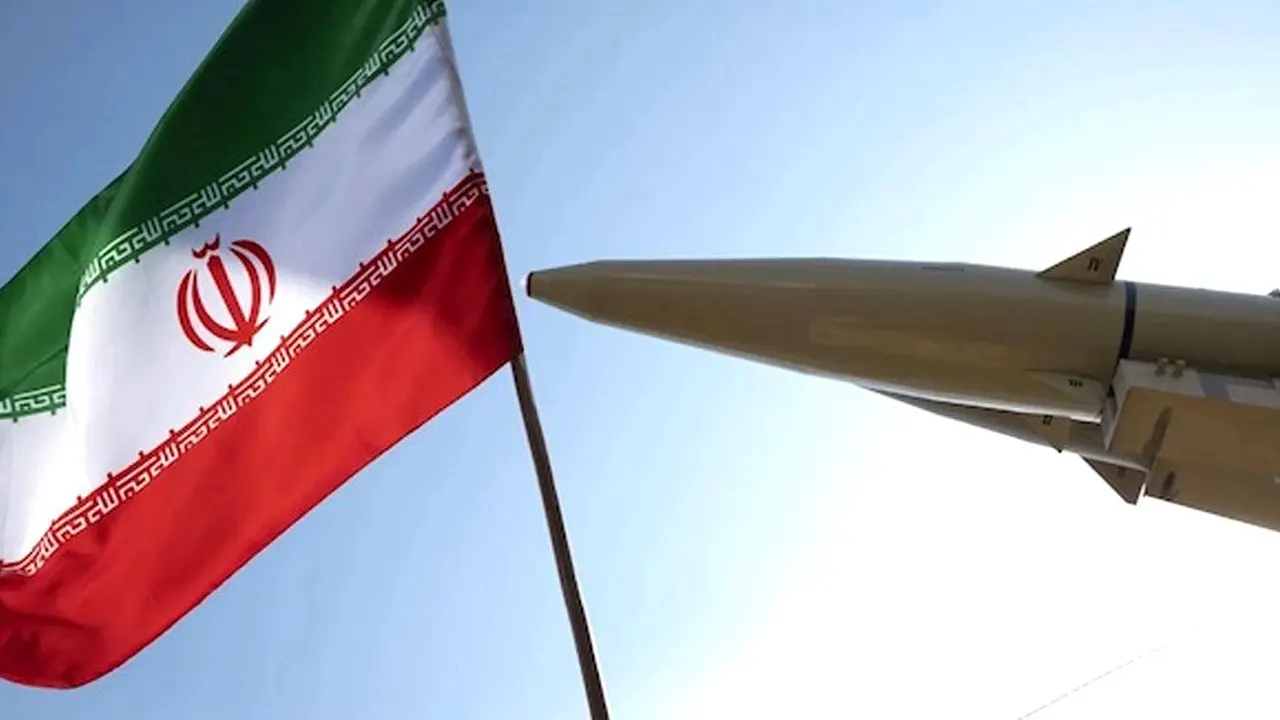
Darwin, September 30: Russia has urged Iran not to withdraw from the Treaty on the Non-Proliferation of Nuclear Weapons (NPT), calling on Tehran to remain…
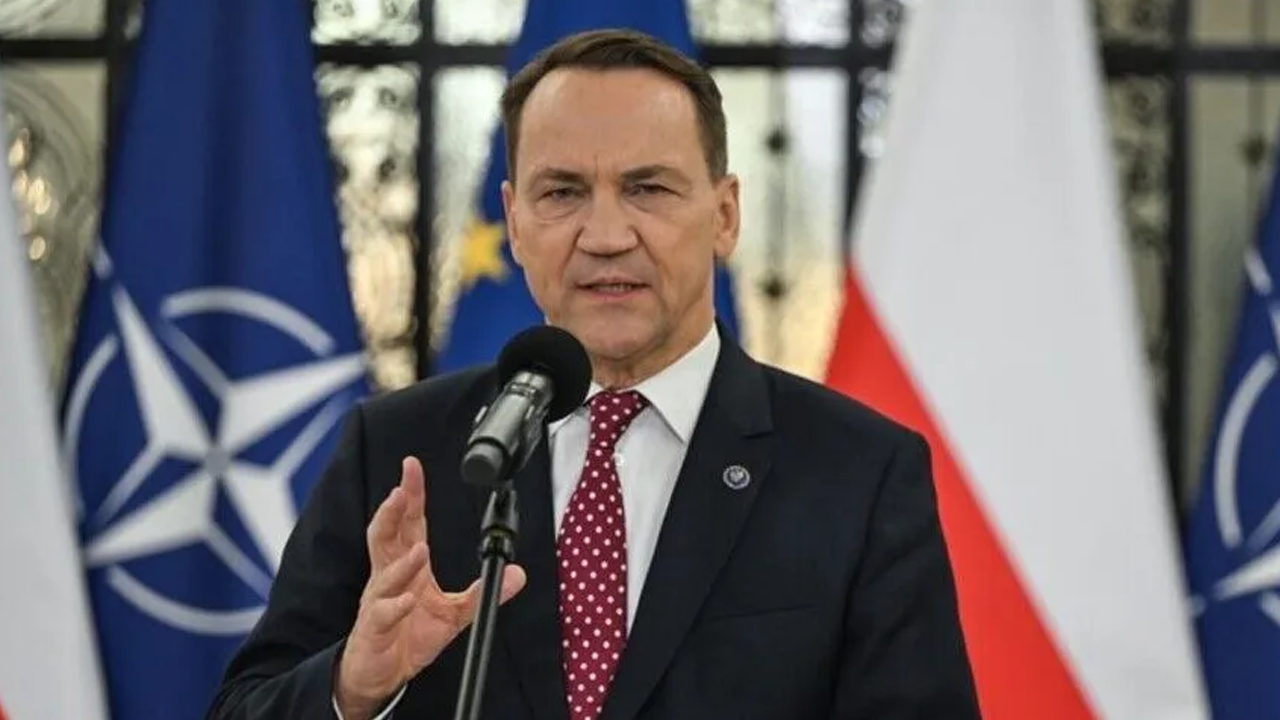
Darwin, September 30: Russia currently lacks sufficient military capability to launch a major attack against NATO because its forces are engaged in the war in…

Four personnel of India’s Central Industrial Security Force (CISF), including an officer, were killed after a colleague allegedly opened fire on them at a hydropower…

Darwin, September 25: The Netherlands is seeking to build an international coalition to evacuate at least 1,000 sick and injured children from Gaza for medical treatment,…

Darwin, September 25: Police arrested at least 100 people, including Oscar-winning actress Susan Sarandon, during a protest against Israeli Prime Minister Benjamin Netanyahu outside the…
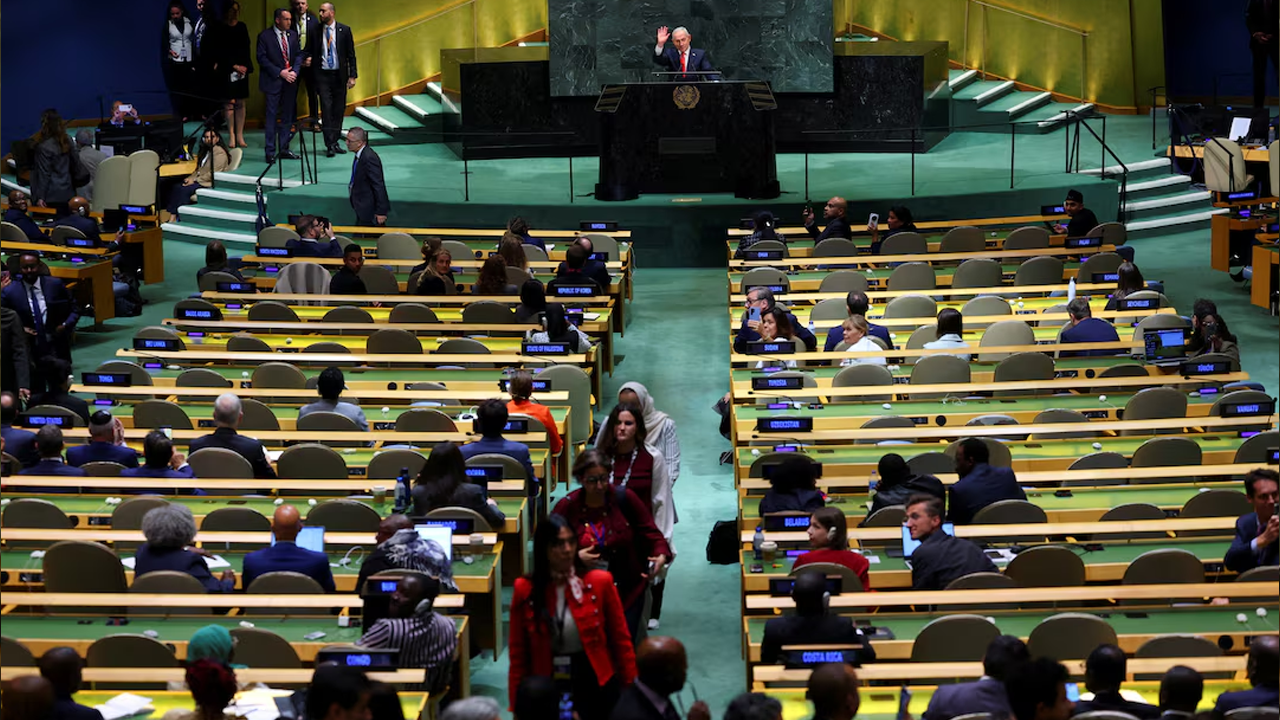
Darwin, September 25: Representatives from Bangladesh and 76 other countries walked out of the United Nations General Assembly hall as Israeli Prime Minister Benjamin Netanyahu…
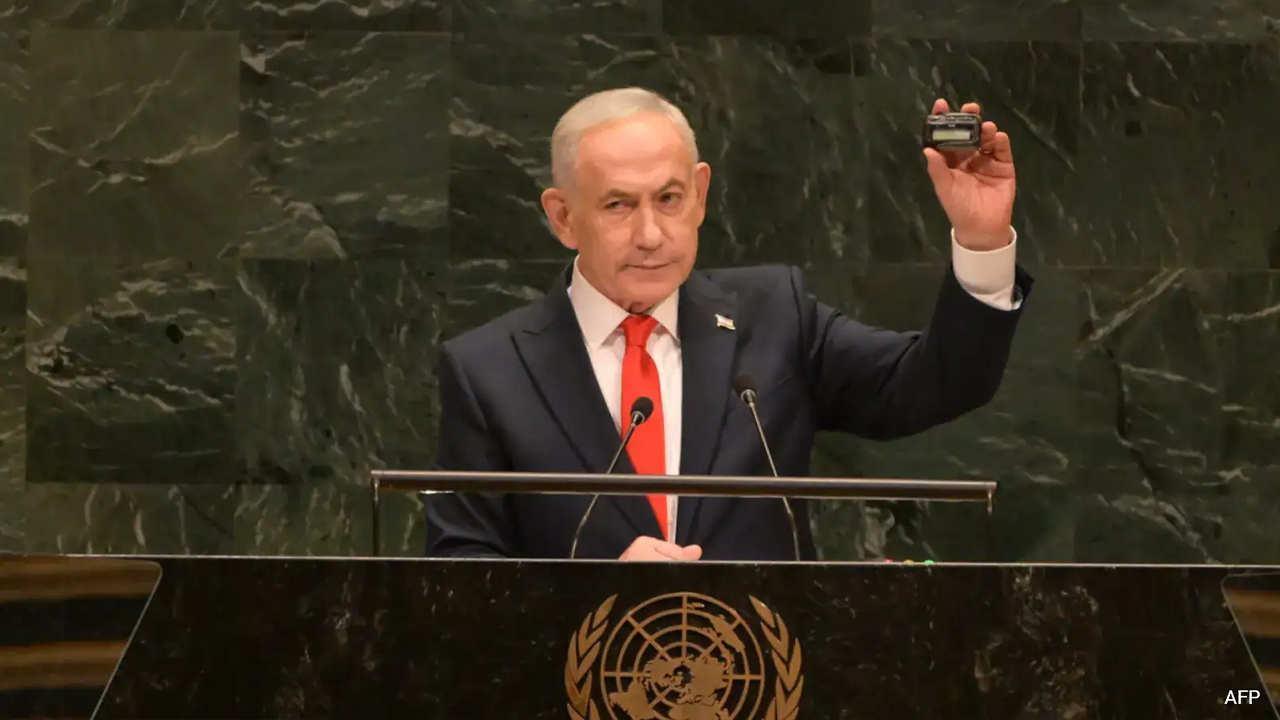
Darwin, September 25 : Israeli Prime Minister Benjamin Netanyahu brought a pager to the United Nations General Assembly while delivering a speech, using it to highlight…