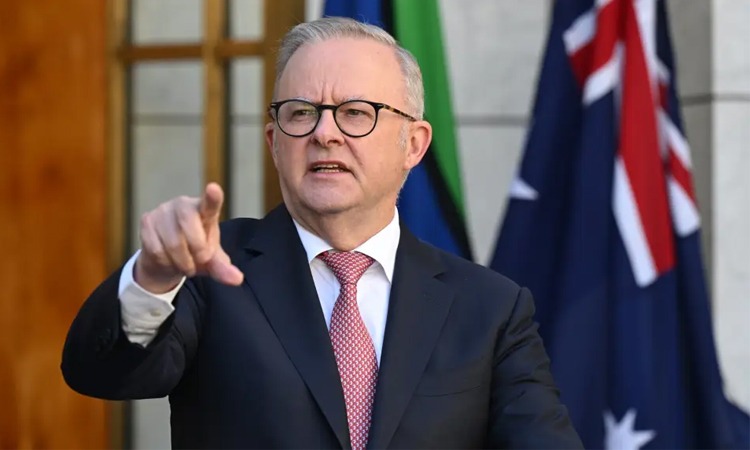
NATO Not Built for Hormuz Mission: French Defense Minister
Darwin, 02 April: France’s junior defense minister, Alice Rufo, stated, “I would like to remind you what NATO actually is. It is a military alliance…



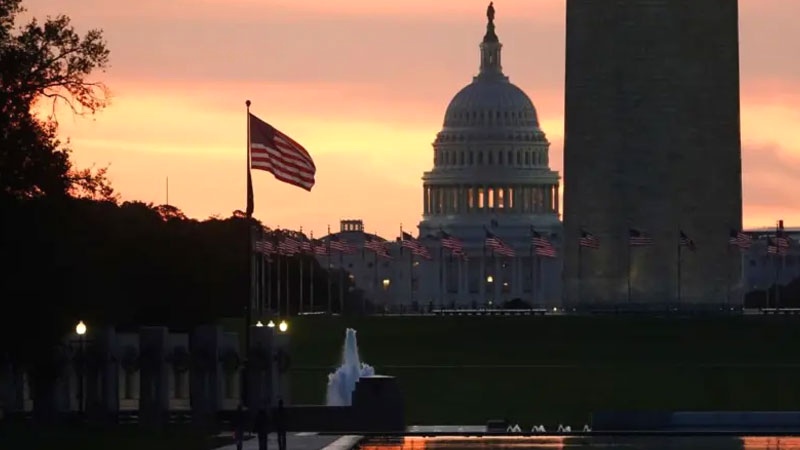
Darwin, October 3 – The United States is on the brink of a federal government shutdown, with approximately 750,000 workers potentially facing temporary job loss as funding deadlines approach.
Deadlock in Congress
Lawmakers remain deadlocked over passing essential funding bills. Without agreement on budget appropriations by the deadline, large portions of government operations could come to a halt. The funding impasse places numerous federal programs at risk, and agencies may be forced to suspend nonessential services.
Furloughs and Disruption
Sources say that, if a shutdown occurs, up to 7.5 lakh (750,000) federal employees may be placed on unpaid leave—or “furloughed”—until the stalemate is resolved. Essential staff, such as those in national security, air traffic control, and critical border functions, will remain working but without immediate pay.
Impact on Services
Key domestic and international services could face disruption. National parks, certain federal offices, regulatory agencies, and programs deemed nonessential may close or scale back operations. Citizens relying on federal assistance, permits, or regulatory oversight may see delays or suspensions.
Political Stakes
The threat of a shutdown adds pressure on both parties. Republican and Democratic leaders are working to negotiate compromises, but core disagreements over spending levels and policy priorities remain unresolved. The potential economic and political costs drive urgency among negotiators.
What Comes Next
If the funding gap is bridged at the last minute, the shutdown could be averted. However, if the impasse stretches on, furloughs and disruptions could last days or even weeks. Analysts warn that prolonged closure could erode public trust in government functionality.
The U.S. now enters a tense stretch where every hour counts—federal workers, services, and citizens alike watch closely for a breakthrough in Congress.

Darwin, 02 April: France’s junior defense minister, Alice Rufo, stated, “I would like to remind you what NATO actually is. It is a military alliance…
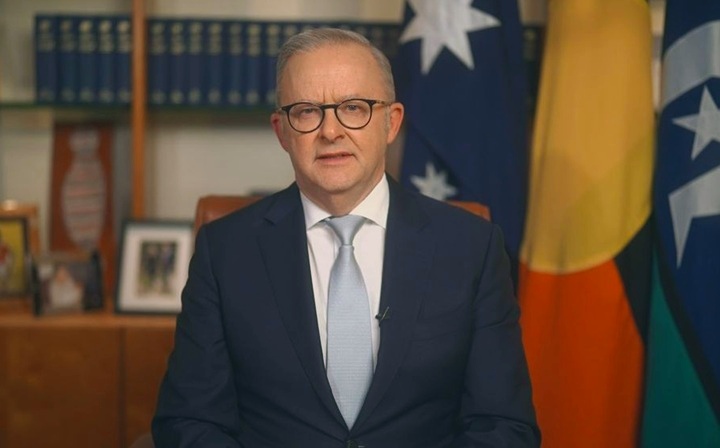
Darwin, 01 April: Amid the ongoing conflict in the Middle East, Australian Prime Minister Anthony Albanese delivered a rare national television address, urging citizens not…

Darwin, 01 April: U.S. President Donald Trump has sparked controversy by suggesting that countries facing energy shortages due to the ongoing disruption in the Strait…

Darwin, 01 April: At least 29 people have been killed after a Russian military transport aircraft crashed in Crimea. The incident occurred on Tuesday evening,…
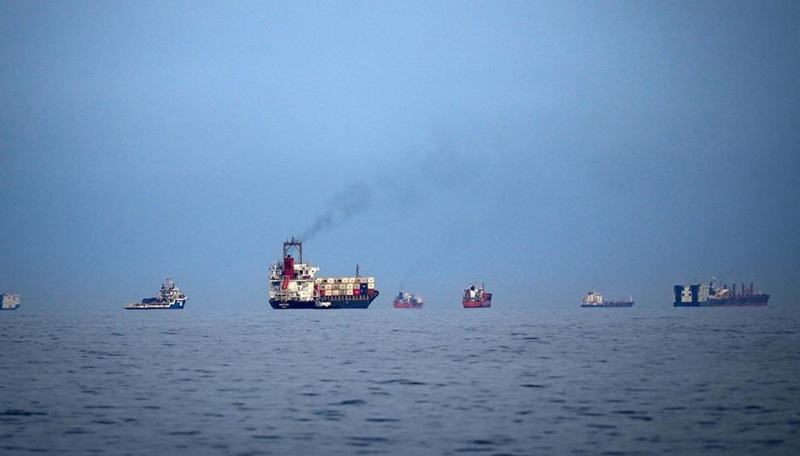
Darwin, 31 March: Amid U.S.-Israeli strikes and threats from U.S. President Donald Trump, Iran’s parliament has passed a law to formally impose transit fees on…
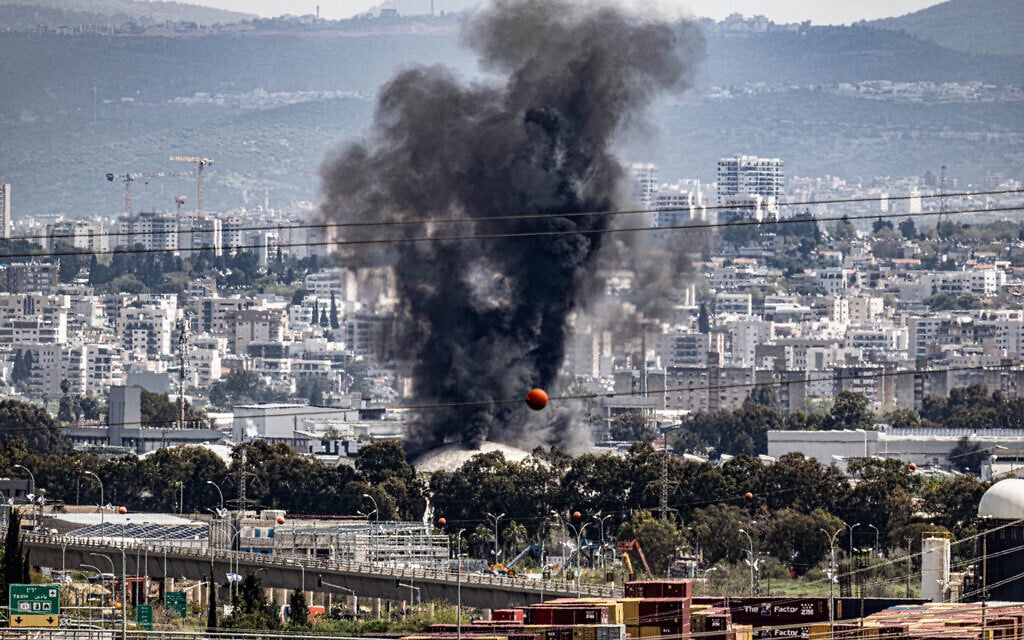
Darwin, 30 March: A major fire broke out at an oil refinery in northern Israel following missile strikes launched from Iran and Lebanon, according to…
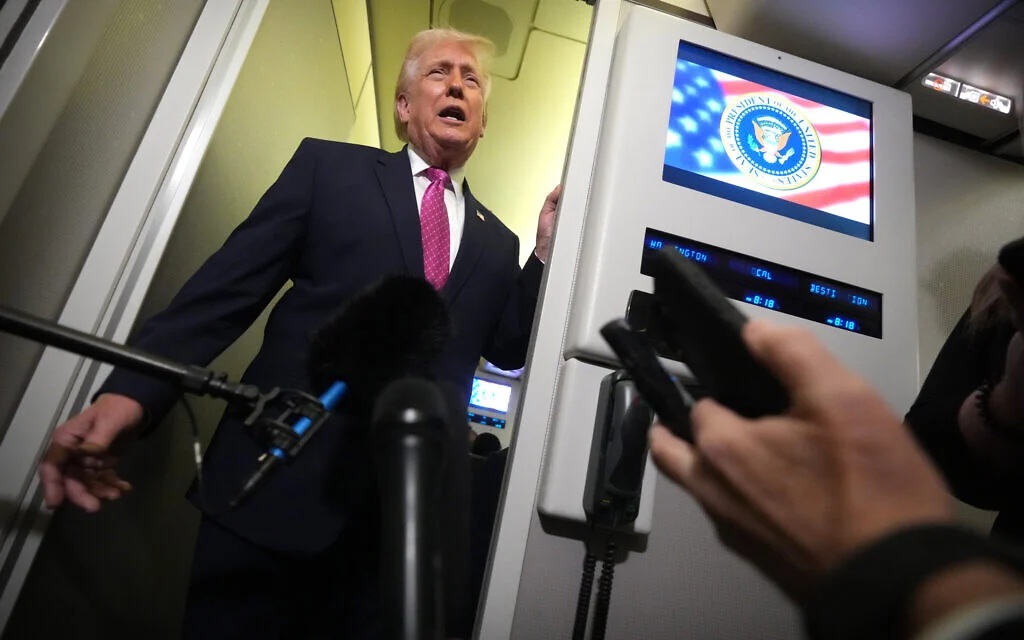
Darwin, 30 March : Amid the ongoing month-long conflict with Iran, U.S. President Donald Trump has expressed his desire to take control of all of…
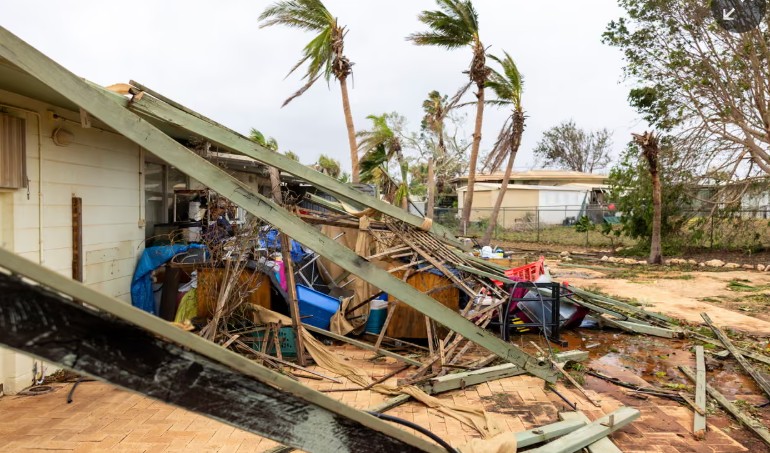
Darwin, 29 March: A major agricultural region supplying nearly 60% of fresh winter produce in Western Australia is assessing widespread damage, as authorities continue efforts…