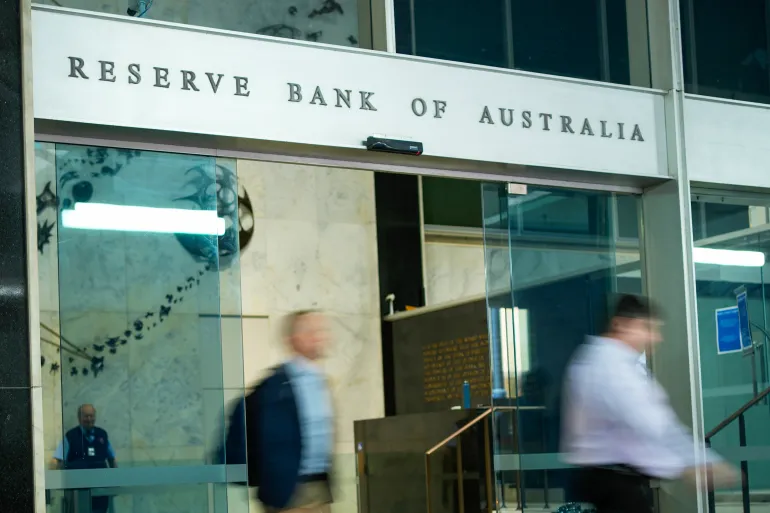
G7 to Release Up to 100 Million Barrels of Oil From Reserves to Lower Prices
Darwin, October 3: Under pressure from US President Donald Trump to bring down rising fuel prices, G7 leaders are set to release up to 100…



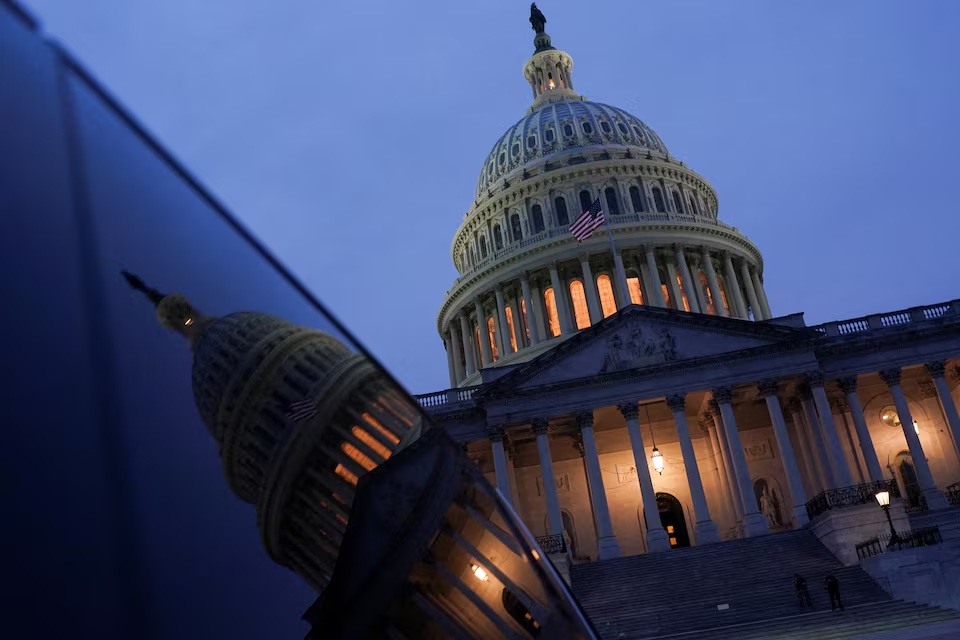
WASHINGTON/TOKYO — The ongoing U.S. government shutdown is sparking global alarm among top finance officials, with the sudden halt in official economic data creating a dangerous “black hole” of information for policymakers in Tokyo, London, and beyond.
As the $30 trillion U.S. economy, which accounts for a quarter of the world’s output, goes dark on critical metrics, central banks are warning that the uncertainty drastically increases the risk of making costly policy mistakes.
“It’s a Joke”: Global Central Bankers Express Frustration
The data paralysis comes as global finance and economic leaders gather in Washington this week for the high-stakes meetings of the World Bank and the International Monetary Fund (IMF), where the shutdown is consuming much of the discussion.
Bank of Japan (BOJ) Governor Kazuo Ueda was blunt about the challenge facing his institution as it weighs its next move on interest rates.
“It’s a serious problem. We hope this gets fixed soon,” Ueda said on October 3, highlighting how the absence of U.S. data complicates the BOJ’s critical decision-making process.
An unnamed Japanese policymaker went even further, expressing palpable frustration with the situation: “It’s a joke. [Federal Reserve Chair Jerome] Powell keeps on saying the Fed’s policy is data-dependent but there’s no data to depend upon.”
‘Termites’ Eroding the Dollar’s Foundation
The crisis is not just about missing numbers; it raises deeper questions about the reliability of U.S. governance and institutions.
Bank of England policy member Catherine Mann drew a powerful analogy, comparing current political turmoil—including the data disruption and controversy over Fed independence—to “termites” slowly eating away at the foundations of global trust. She noted that while such issues are not yet imminent threats to the dollar’s world status, the history of the British pound’s decades-long decline serves as a potent warning against eroding institutional credibility.
IMF Warns of Policy Mistakes and Lost Trust
The IMF’s latest World Economic Outlook published Tuesday cited the pressure on technocratic institutions—including a reference to President Donald Trump’s past firing of the Bureau of Labor Statistics chief—as a major “downside risk” to the global outlook.
The organization warned that political pressure on institutions mandated with data collection could:
Significantly complicate the tasks of central banks.
Raise the likelihood of policy mistakes if political interference compromises data quality, reliability, and timeliness.
Experts agree that while the U.S. Federal Reserve (which remains operational) and private firms can provide imperfect data substitutes, the longer the shutdown lasts, the greater the global uncertainty.
“As time goes on, the risk of error rises as uncertainties compound,” said Robert Kahn, director of global macro at Eurasia Group, emphasizing the difficulty for policymakers to accurately gauge the direction of a quarter of the world’s economic output.
The current political impasse, while potentially short-lived, contributes to a general skepticism about U.S. reliability—a sentiment that, over time, could impact decisions on global reserve management and the dollar’s stability.

Darwin, October 3: Under pressure from US President Donald Trump to bring down rising fuel prices, G7 leaders are set to release up to 100…

Darwin, October 3: Russia’s daily attacks are filling the lives of Kyiv residents with fear and uncertainty. From schools and hospitals to bridges, power plants…
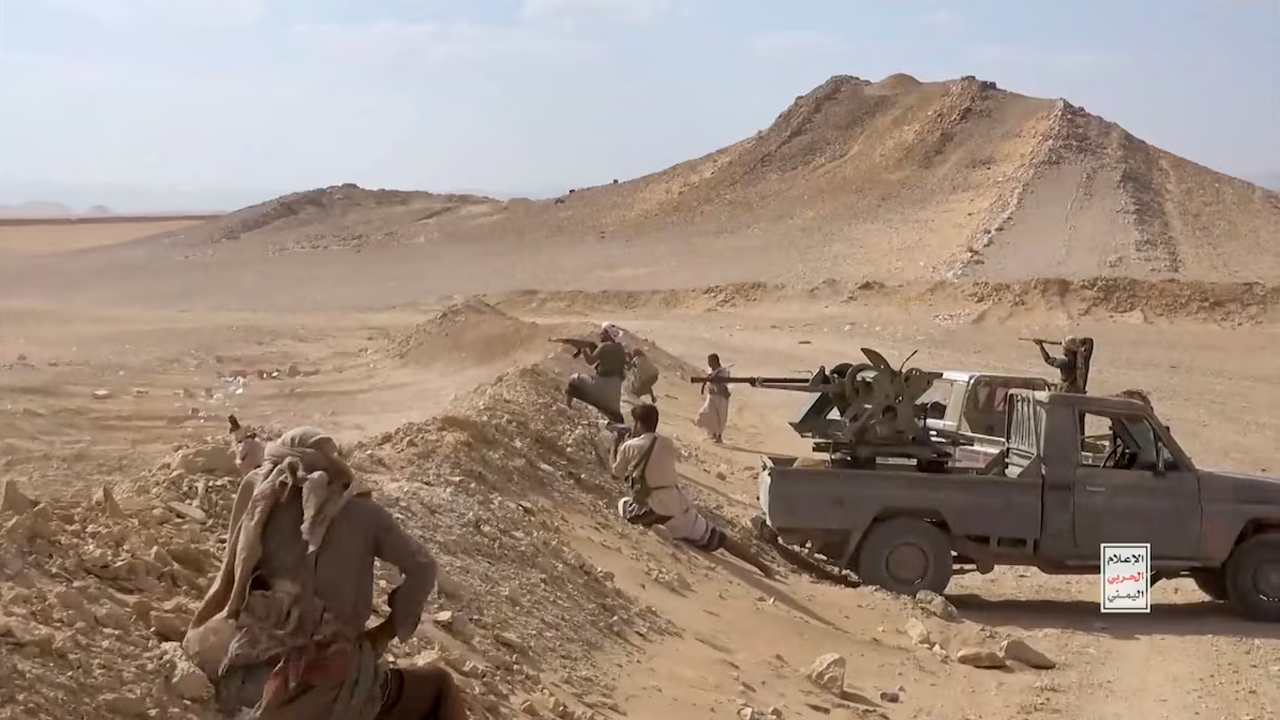
Darwin, October 3: At least 80 fighters have been killed over the past 24 hours in fierce fighting between Iran-backed Houthi rebels and Saudi-backed government…

Darwin, October 3: As the Iran war enters its eighth month, the United States is sending a third aircraft carrier strike group to waters near…
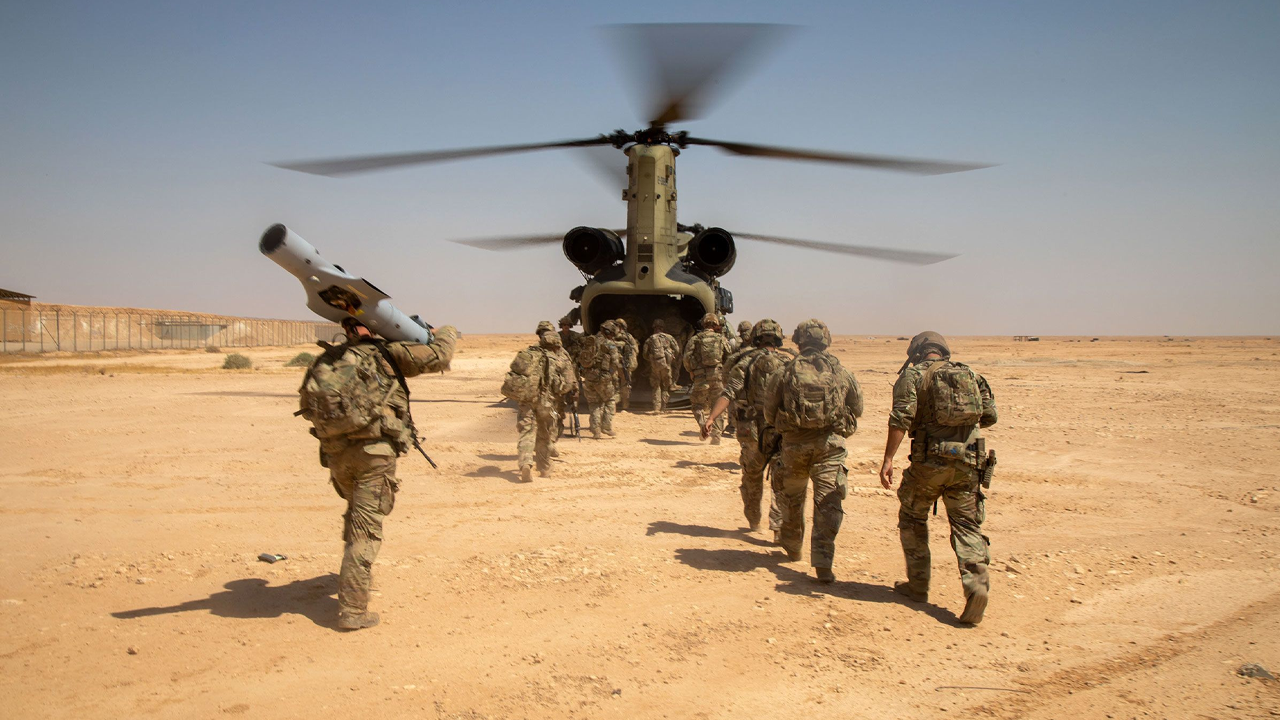
Darwin, September 30 : The United States is preparing to withdraw its military forces from Iraq after more than two decades of war and the…
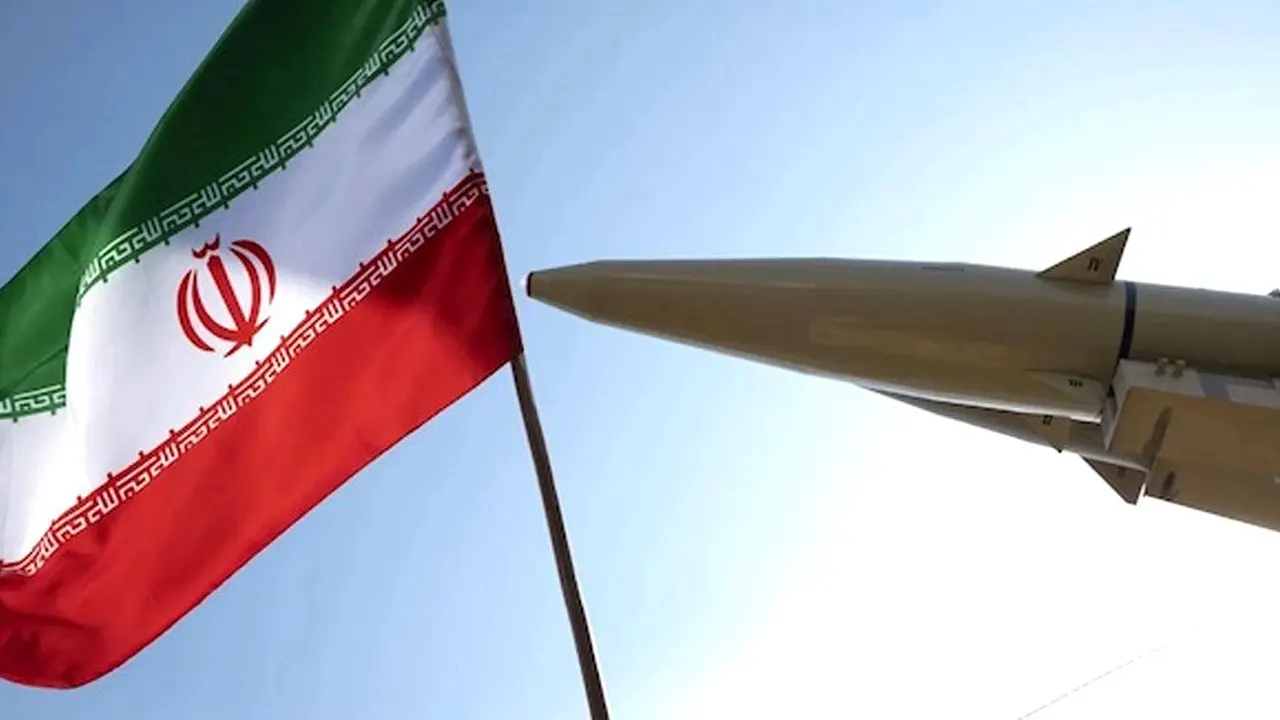
Darwin, September 30: Russia has urged Iran not to withdraw from the Treaty on the Non-Proliferation of Nuclear Weapons (NPT), calling on Tehran to remain…
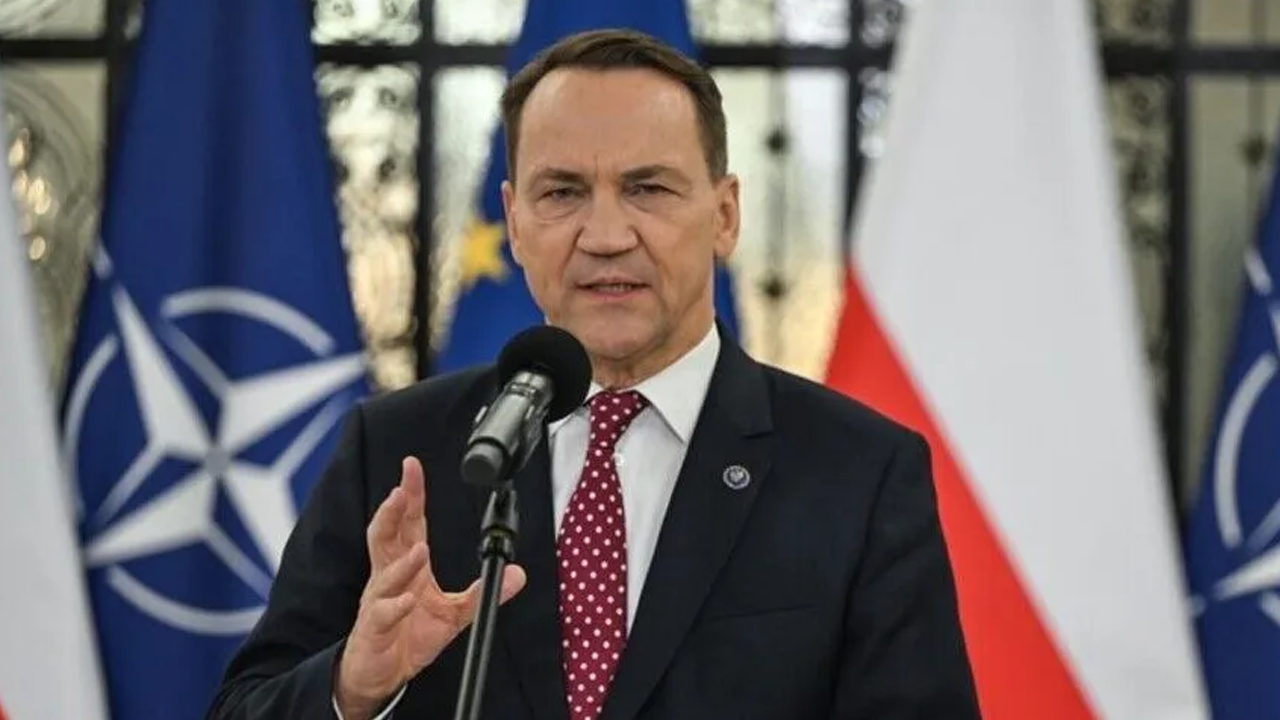
Darwin, September 30: Russia currently lacks sufficient military capability to launch a major attack against NATO because its forces are engaged in the war in…

Four personnel of India’s Central Industrial Security Force (CISF), including an officer, were killed after a colleague allegedly opened fire on them at a hydropower…