Saudi Arabia’s Dammam Airport Comes Under Attack
Darwin, October 12: Saudi Arabia’s Civil Aviation Authority has confirmed an attack on Dammam Airport in the country’s Eastern Province. The confirmation came shortly after…



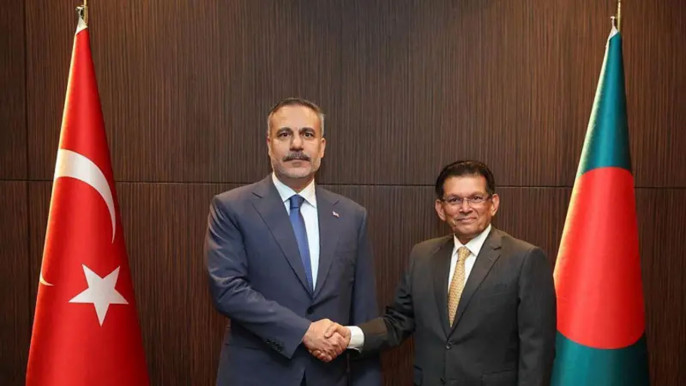
Darwin, 12 June : Turkey’s proposal to strengthen cooperation with Bangladesh in the defense industry, raised during Turkish Foreign Minister Hakan Fidan’s visit to Dhaka, has generated considerable discussion in various circles.
Following a meeting on Saturday at the Prime Minister’s Office in Tejgaon between Prime Minister Tarique Rahman and Turkish Foreign Minister Hakan Fidan, Bangladesh and Turkey agreed to establish a joint committee at the foreign and defense ministerial levels.
Diplomatic and military analysts believe that defense-industrial cooperation could create opportunities for establishing military equipment manufacturing facilities in Bangladesh, including the production of drones, tanks, and various electronic warfare systems.
Bangladesh had already signed an agreement several years ago with a Turkish drone manufacturer to procure drones.
On the final day of his three-day visit to Bangladesh, Fidan met with Prime Minister Tarique Rahman.
Although defense cooperation has become one of the most discussed aspects of the visit, the signed memorandum of understanding (MoU) does not explicitly mention military cooperation. Instead, one MoU was signed on cooperation in preserving cultural heritage.
However, Bangladeshi Foreign Minister Khalilur Rahman stated that positive discussions had also taken place regarding the possibility of signing a Free Trade Agreement (FTA) and a Preferential Trade Agreement (PTA) between the two countries.
At a joint press conference with his Bangladeshi counterpart, Fidan linked defense-industrial cooperation to the goal of increasing bilateral trade to $2 billion.
It is worth noting that Turkey was the world’s third-largest arms importer in 1999. By 2018, it had become the 14th-largest arms exporter and now aims to join the world’s top ten arms-exporting nations.
What Was Discussed?
No specific details about potential areas of military cooperation were disclosed during the official press conference in Dhaka.
Bangladesh proposed establishing a special economic zone for Turkey. It also invited Turkey to help establish or upgrade an international-standard hospital and nursing institute in Dhaka.
More significantly, during the meeting between Prime Minister Tarique Rahman and Foreign Minister Hakan Fidan, both countries agreed to form a joint committee involving their foreign and defense ministries. They also decided to hold annual “2+2” consultations involving the foreign and defense ministers of both countries.
Diplomatic sources in Dhaka say that Turkish involvement in Bangladesh’s defense industry has been under discussion for several years.
In line with those discussions, Bangladesh’s armed forces signed an agreement in 2022 to acquire drones from a Turkish company. Consequently, defense cooperation became a major focus of Fidan’s latest visit.
Over the past decade, Turkish-made drones have gained significant attention in conflicts around the world. Turkey’s progress in electronic warfare systems has also provided Bangladesh with an opportunity to diversify its defense procurement sources.
Diplomatic sources suggest that behind-the-scenes discussions may be taking place regarding the joint production of rocket systems, drones, and other electronic warfare equipment, as well as technology transfer.
“Reducing dependence on the Chinese arms market is a consideration, but American and European weapons are expensive. In that context, expanding military cooperation with Turkey is a positive development,” former ambassador Humayun Kabir told BBC Bangla.
Military analyst and retired Major Emdadul Islam noted that Turkish drones and tanks have proven their capabilities while remaining cost-effective.
“China and Pakistan jointly manufacture fighter aircraft in Pakistan and export them to various countries. Turkey may similarly seek to jointly produce military equipment in Bangladesh. My assumption is that both governments are advancing such discussions, although it is difficult to be certain until official statements are made,” he told BBC Bangla.
Bangladesh has already purchased mine-resistant military vehicles and multiple-launch rocket defense systems from Turkey. During the previous Awami League government, Bangladesh also acquired ground surveillance radars, armored vehicles, portable jammers, missile launching systems, and Skyguard radar systems from Turkey.
According to diplomatic sources, Bangladesh now wants Turkey to manufacture drones and certain other military equipment within Bangladesh itself. Political leaders in both countries appear to have few objections to such cooperation.
“Turkey is a good alternative for Bangladesh when it comes to diversifying defense procurement. Turkey has consistently supported Bangladesh on issues such as the Rohingya crisis. Cooperation in modernizing military production facilities in Gazipur and enhancing Bangladesh’s defense capabilities would be beneficial,” said Humayun Kabir.
Turkey is also reportedly interested in expanding training opportunities for Bangladeshi military officers. Turkish officials believe this would help Bangladesh develop expertise in the use of electronic warfare equipment and modern military management.
Bangladesh, however, places particular emphasis on technology transfer. The country’s political and military leadership believes that Turkish technology and training could significantly enhance Bangladesh’s long-term defense capabilities.
Retired Major Emdadul Islam explained:
“Strengthening military capabilities is important. It is also necessary for maintaining Bangladesh’s position in UN peacekeeping missions. Given the increasing number of conflict-prone and war-affected regions, greater military expertise has become essential. In this regard, Turkish technology and equipment would be helpful.”
Former ambassador Humayun Kabir added that developments such as the wars involving Ukraine and Iran demonstrate the importance of strengthening military capabilities. In his view, this explains why the government is actively seeking deeper relations with Turkey.
Is It Only About Military Capability?
Analysts argue that Turkey has long sought to expand its role in issues such as Kashmir and the Rohingya crisis. It has also steadily increased its engagement with Bangladesh over the past decade. Turkey’s foreign minister previously visited Dhaka in 2020.
Many observers believe that Turkey has intensified its outreach since the BNP-led government came to power following the parliamentary elections.
According to Emdadul Islam, Turkey has long aspired to build a broader network among Muslim-majority countries and possesses the capability to pursue such a strategy.
“Turkey has supported Pakistan on the Kashmir issue and Bangladesh on the Rohingya issue. Therefore, it would not be surprising if its efforts to deepen military cooperation with Bangladesh are also part of a broader geopolitical strategy,” he said.
In 2020, Turkey’s then-Foreign Minister Mevlüt Çavuşoğlu stated that Turkey hoped to include Bangladesh among the countries importing Turkish weapons.
Defense journals and Turkish defense reports indicate that Turkey manufactures a wide range of military equipment, including shotguns, rifles, sniper rifles, light and heavy machine guns, landmines, hand grenades, rockets, self-propelled grenades, anti-aircraft guns, and various sensors.
However, Turkey’s drones remain its most widely discussed defense products. Several Turkish companies produce drones, including models capable of carrying machine guns and grenades.
Amid growing global conflicts, Turkey is also focusing heavily on missile production and exports, aiming to become a major missile-exporting nation in the future.
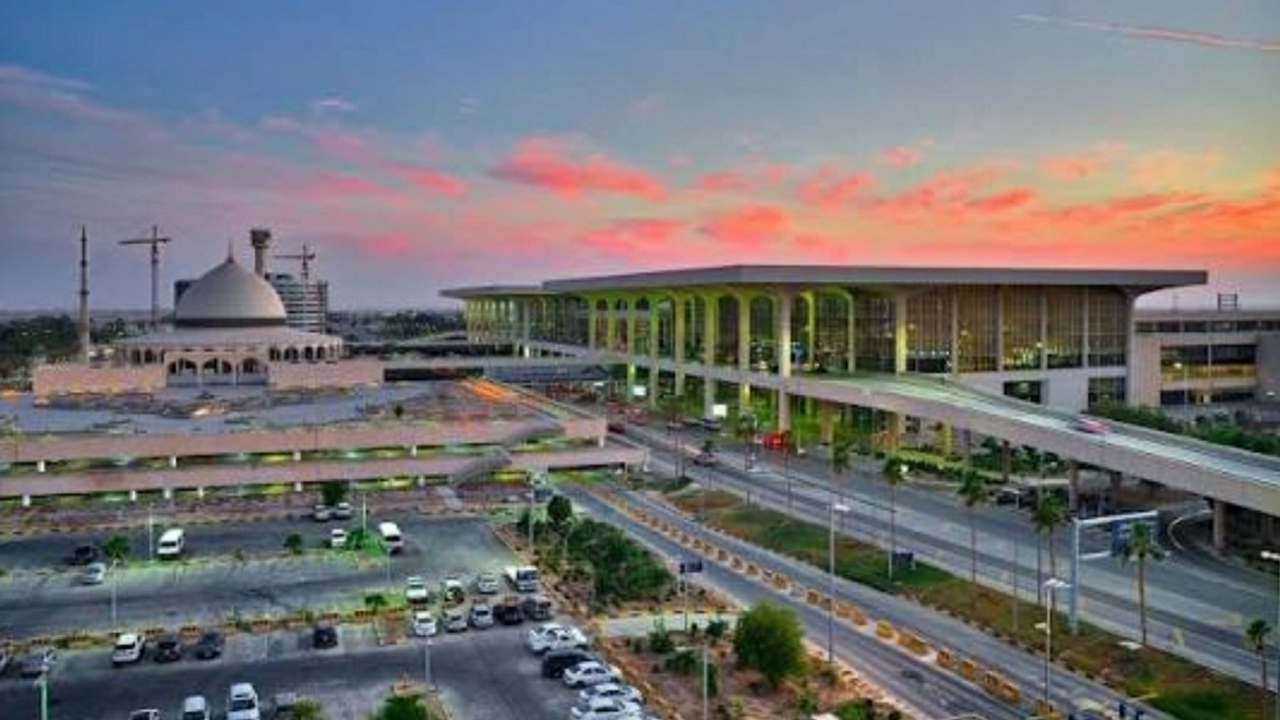
Darwin, October 12: Saudi Arabia’s Civil Aviation Authority has confirmed an attack on Dammam Airport in the country’s Eastern Province. The confirmation came shortly after…
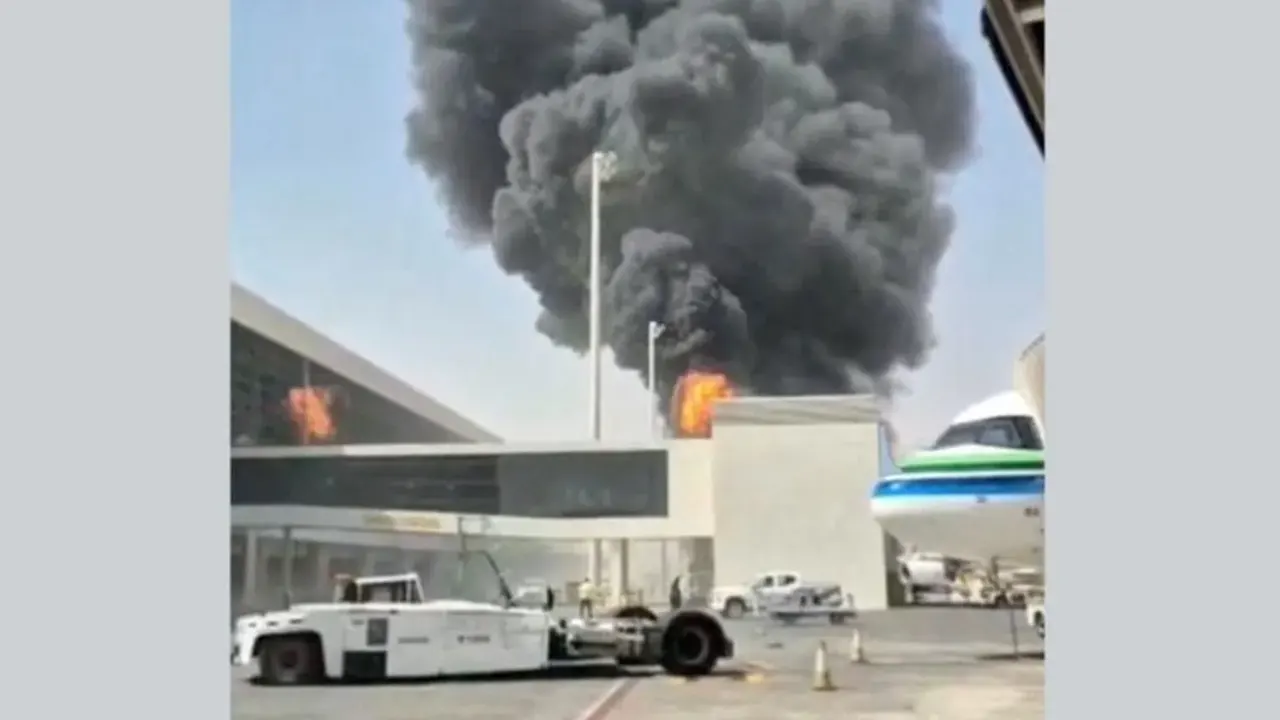
Darwin, October 12 : A fresh attack has reportedly targeted King Khalid International Airport in Riyadh, the capital of Saudi Arabia, killing one Pakistani national…
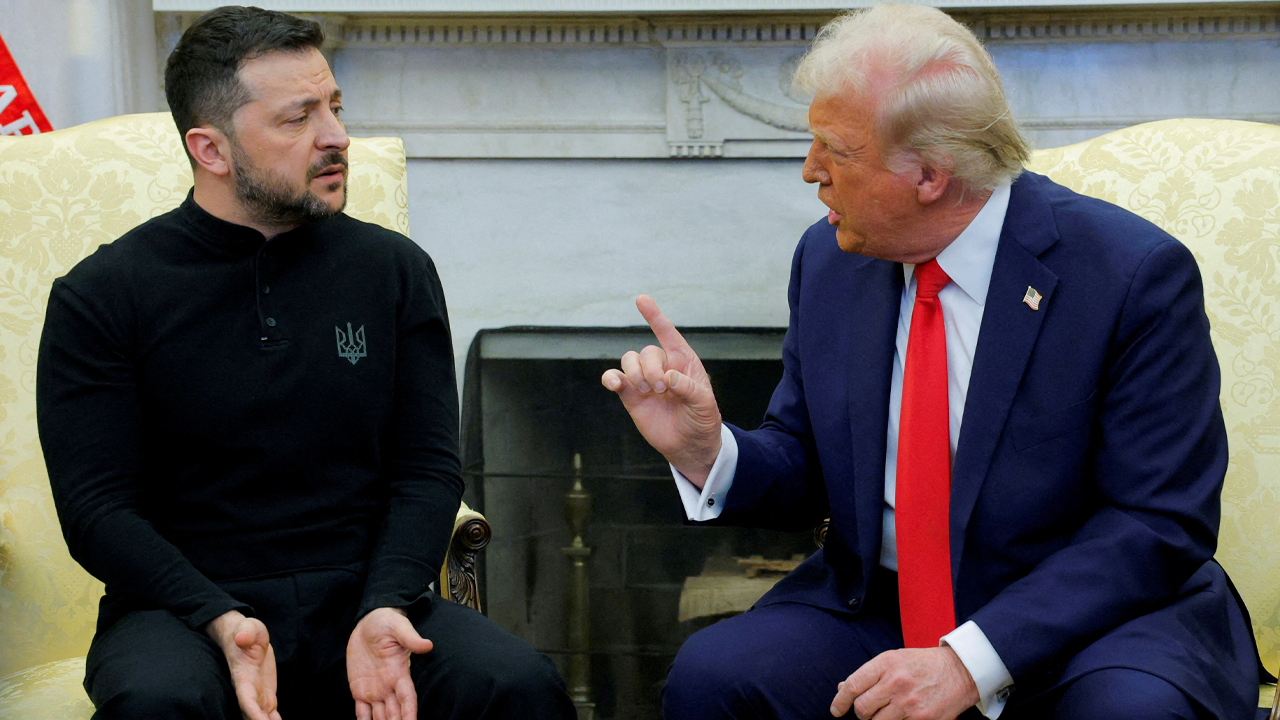
Darwin, October 11: US President Donald Trump has called for a new presidential election in Ukraine, suggesting that Volodymyr Zelenskyy has failed to seize opportunities…
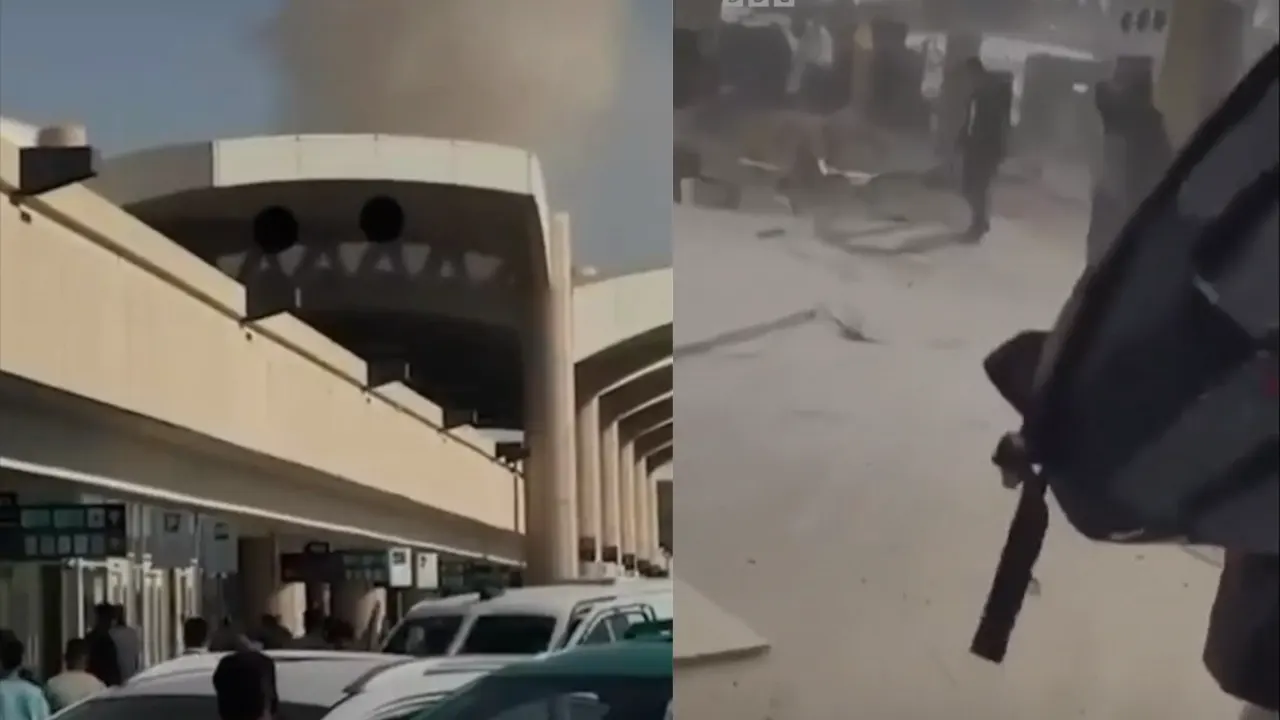
Darwin, October 11: At least 12 people have been killed in an attack by Yemen’s Iran-backed Houthi armed group on King Khalid International Airport in…
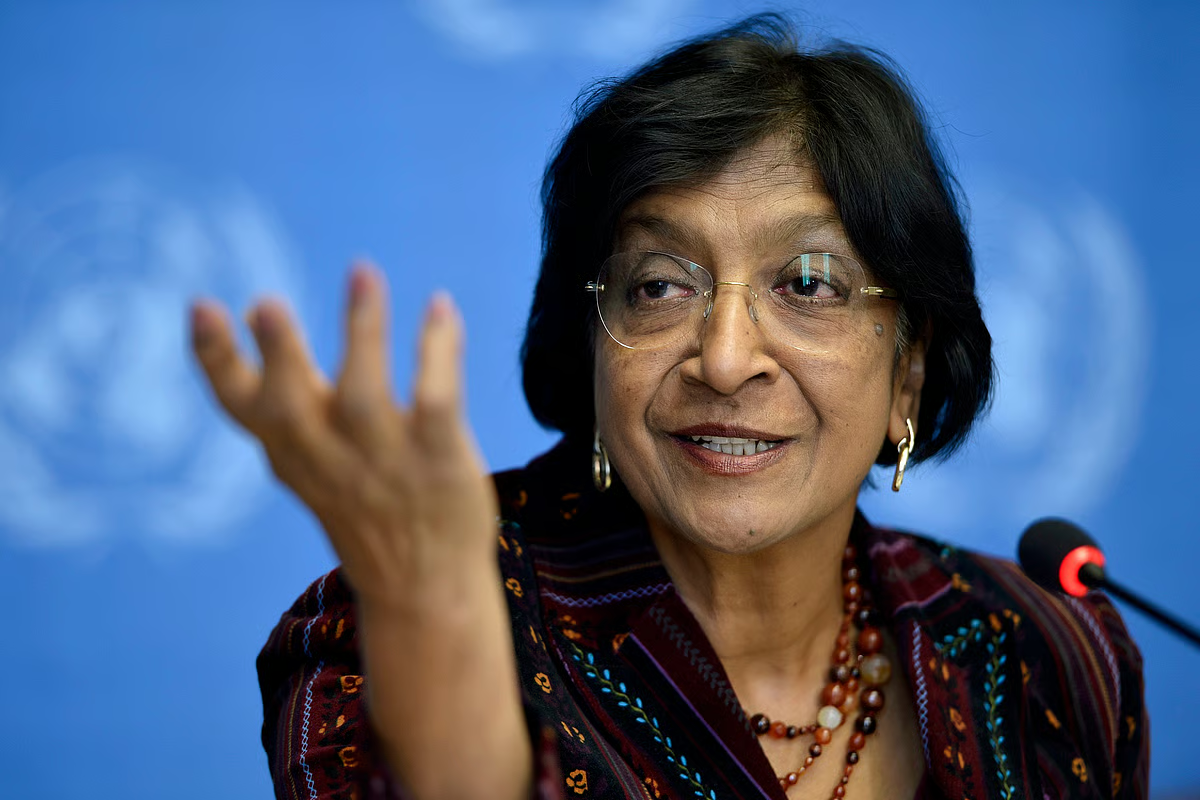
Darwin, October 09: Navanetham “Navi” Pillay, a South African jurist who led a United Nations investigative commission that described Israel’s actions in Gaza as genocide,…
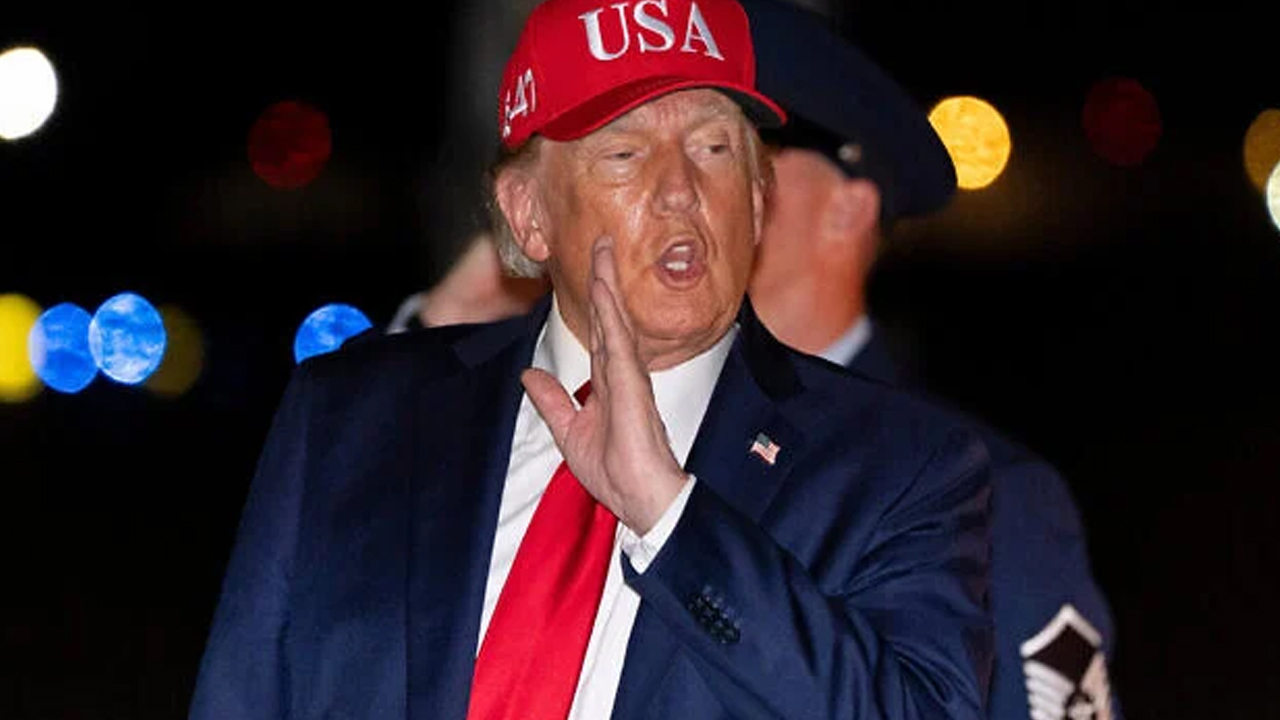
Darwin, October 08: U.S. President Donald Trump said on Wednesday that he deserves to win the Nobel Peace Prize, while expressing doubts that he would…
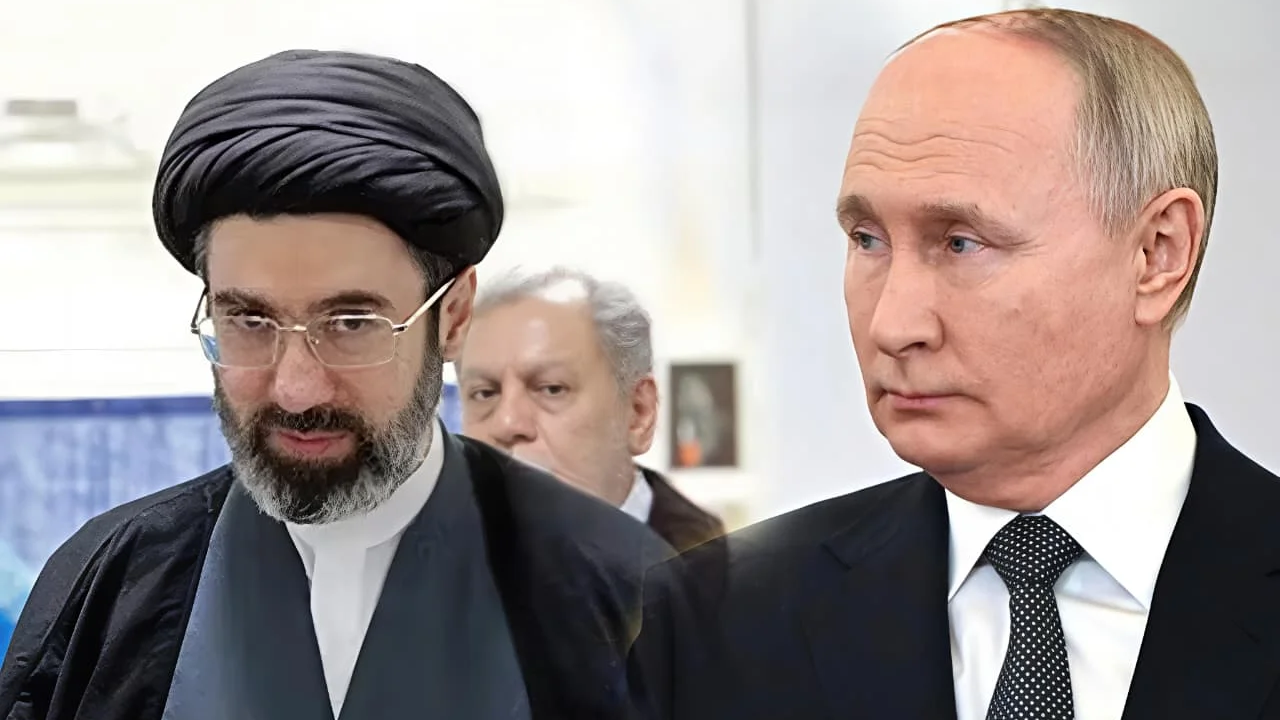
Darwin, October 07: Russia has finalized preparations to provide Iran with a $1 billion loan. The funds will be transferred once Tehran provides the necessary…
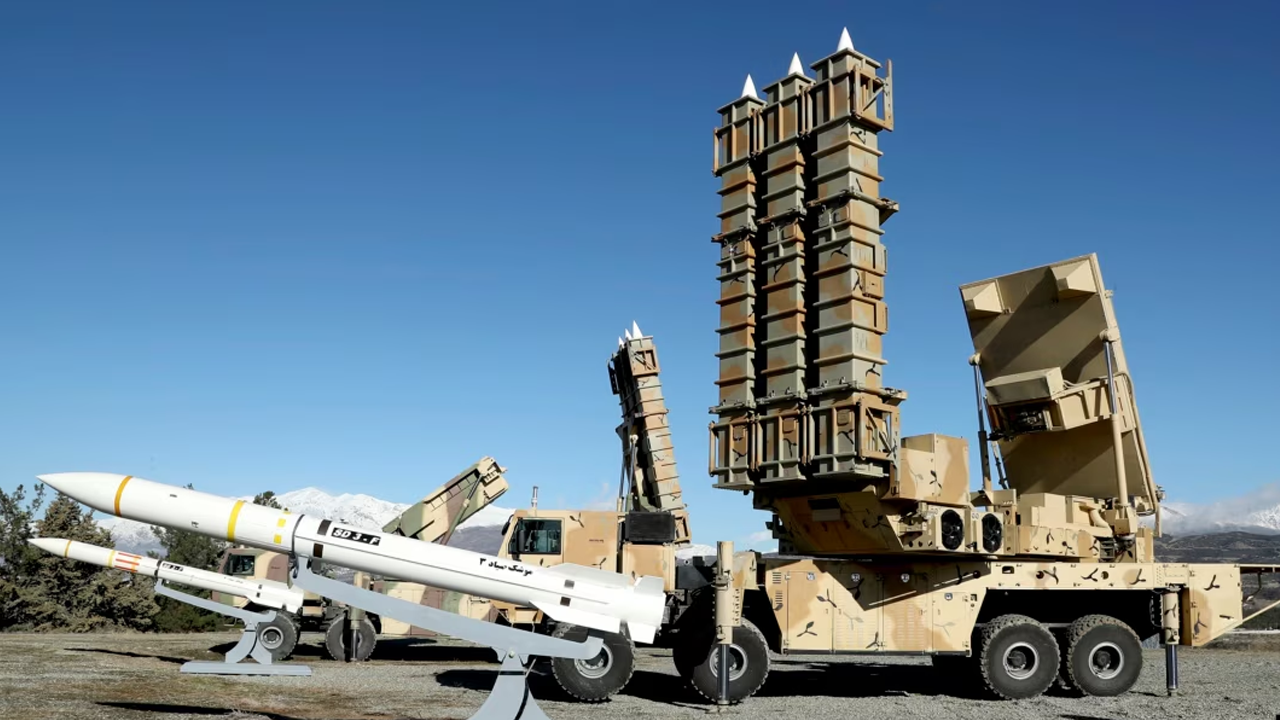
DARWIN, October 7: Iran has warned that it will deliver a stronger response if the United States or Israel launches another attack. The country also…