Pritom Hasan and Shehtaz Monira End 10-Year Relationship, Move Towards Divorce
Darwin, October 05: Popular Bangladeshi singer and actor Pritom Hasan and model-actress Shehtaz Monira Hashem have decided to end their marriage after a decade together,…



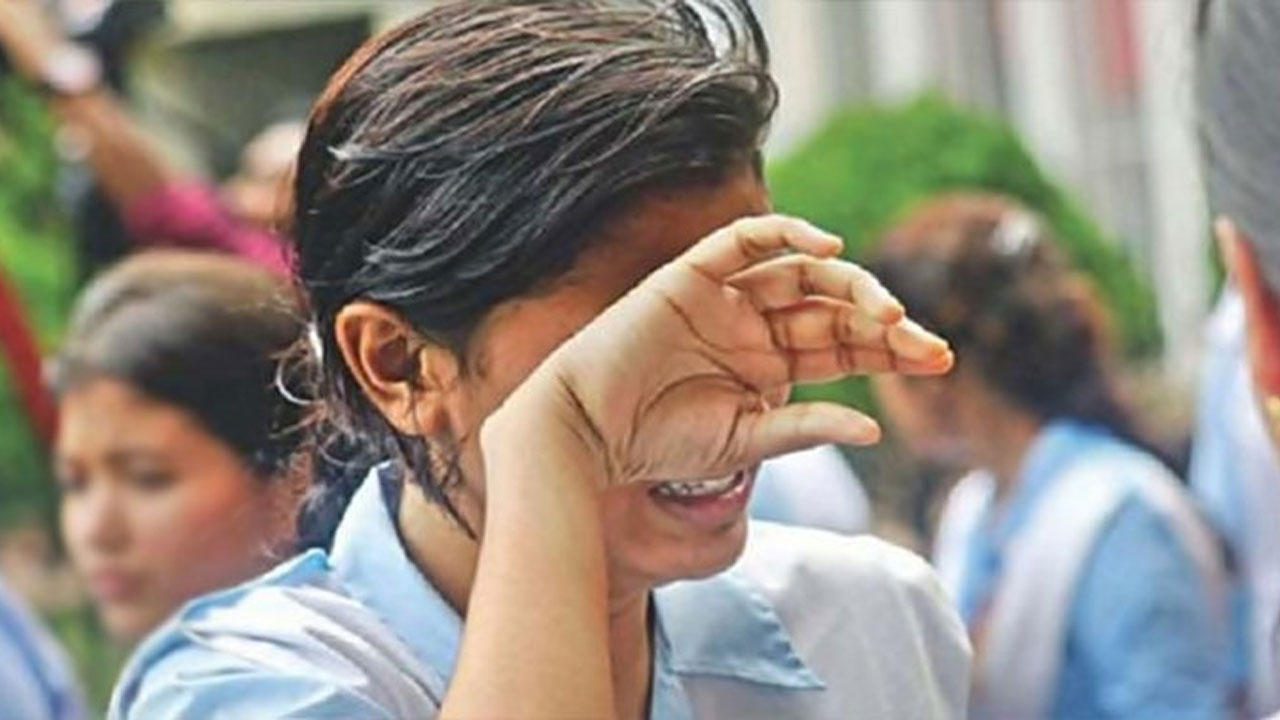
Darwin, August 10: The pass rate in this year’s Secondary School Certificate (SSC) and equivalent examinations in Bangladesh has fallen to 62.25 percent, the lowest in the past 19 years. In other words, this is the lowest pass rate in the secondary and equivalent examinations since 2007.
Last year, the pass rate was 68.45 percent. Compared with that figure, the pass rate has dropped by 6.2 percentage points in one year.
A total of 116,676 students secured GPA-5 in this year’s examinations, accounting for 10.24 percent of all successful candidates. Last year, 139,032 students achieved GPA-5. Thus, the number of students securing the highest GPA has decreased by 22,356.
In 2021, Bangladesh recorded a record pass rate of 93.6 percent. In 2007, the pass rate was 57.37 percent.
A total of 1,829,485 students took part in this year’s SSC and equivalent examinations, of whom 1,138,877 passed.
The SSC and equivalent examinations began on April 21 this year. The theoretical SSC examinations ended on May 20, while the theoretical examinations for Dakhil and SSC Vocational ended on May 24.
Although there has long been a practice of publishing the results within two months of the completion of the theoretical examinations, this was not possible this year.
Ending the wait, the results of all 11 education boards were published simultaneously at 10:00am on Monday. Education Minister A N M Ehsanul Haque Milan presented the detailed results at a press conference held in the conference room of the Secondary and Higher Education Division at the Secretariat.
Students can check their results through their educational institutions, the websites of the respective education boards, and mobile phone SMS.
This year, 1,829,485 students took the SSC and equivalent examinations under the country’s 11 education boards. Of them, 1,138,877 students passed.
Among them, the pass rate was 64.05 percent under the nine general education boards, 55.49 percent under the Madrasah Board, and 58.20 percent under the Technical Education Board.
Once again, girls have outperformed boys in both the pass rate and the number of students securing GPA-5.
The pass rate among boys was 57.86 percent, while 66.68 percent of girls passed.
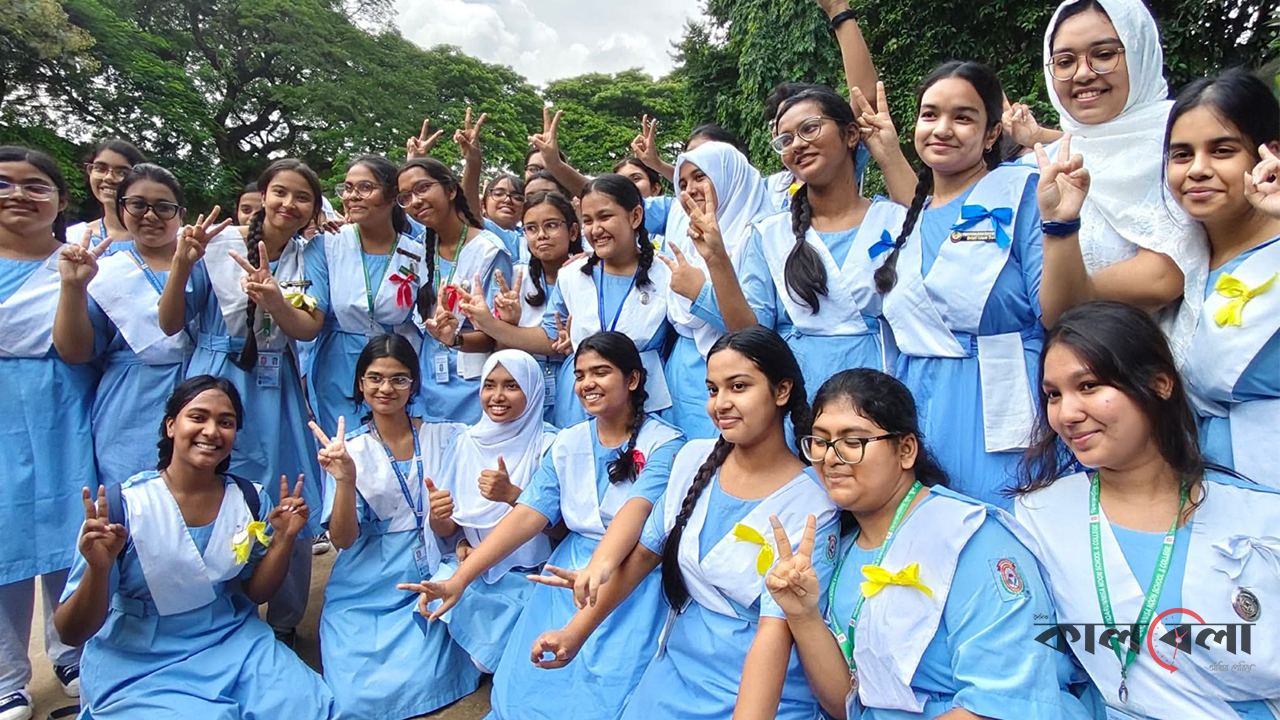
A total of 917,694 boys took part in the secondary and equivalent examinations, of whom 530,938 passed.
Meanwhile, 911,791 girls took part in the examinations, and 607,939 passed.
Of the 116,676 students who achieved a perfect GPA-5, 63,896 were girls and 52,780 were boys.
The results have been published on the websites of all education boards. Students can also check their results through the consolidated results website, www.eduboardresults.gov.bd, or Education Board Results.
Students can also obtain their results via mobile phone SMS.
From the messaging option of any mobile operator, students should first type SSC, followed by a space, then the first three letters of the name of their education board, their roll number, and finally the examination year 2026. The message should be sent to 16140. The result will be sent in a reply SMS.
For students under the Dhaka Education Board, the SMS format is:
SSC DHA ROLL YEAR
For Dakhil candidates under the Madrasah Board:
SSC MAD ROLL YEAR
For students under the Technical Education Board:
SSC TEC ROLL YEAR
A charge of Tk 1.39 per SMS will apply.
Students who are dissatisfied with their results can apply for re-scrutiny of their answer scripts starting Tuesday.
According to a notice issued by the Dhaka Education Board, students must visit the SSC Re-scrutiny portal and enter their roll and registration numbers. They must then select their education board from the drop-down menu and submit an application for re-scrutiny.
Students will also have to provide a mobile phone number. Once the re-scrutiny results are published, an SMS will be sent to that number.
At the time of application, students will be able to see their subject-wise results on the screen. They can select one or more subjects for re-scrutiny and click the “Pay Fee” button.
The fee is Tk 150 per paper. For subjects consisting of two papers, students must apply for both papers. Fees can be paid through bKash, Nagad, or Sonali Seba.
After paying the fee, applicants must return to the application portal and click the “Submit” button.
The Dhaka Education Board said that if students wish to add more subjects after submitting an application and paying the fee, they can do so in the same manner. They will not need to provide their mobile number again.
If an application needs to be changed or modified before the fee is paid, students can click the “Delete” button to withdraw the selected subjects for which payment has not yet been made and then select new subjects.
However, once the fee has been paid, the selected subjects cannot be cancelled, and the fee will not be refunded under any circumstances.
The education boards will not accept any applications for re-scrutiny manually or in person.
Students will once again be admitted to Class XI this academic year based on their SSC and equivalent examination results.
As before, applications will be submitted centrally online, and admissions will be conducted based on students’ marks in the SSC and equivalent examinations and their order of preference.
Like last year, a draft policy for Class XI admissions this year has been prepared, retaining the provision of considering merit or marks obtained in the secondary examination. The Inter-Education Board Coordination Committee has sent the proposal to the Secondary and Higher Education Division of the Ministry of Education.
However, as of Sunday night, the Ministry of Education had not yet published the Class XI admission policy for this year. The policy will contain the detailed schedule for submitting applications and publishing admission results.
Although admissions to higher-secondary colleges and madrasas across the country will be conducted based on examination results, church-run institutions such as Notre Dame College and Holy Cross College will conduct admission tests, in accordance with court directives issued several years ago.
There are more than 2.6 million seats available in Class XI at higher-secondary colleges and madrasas across the country. In contrast, more than 1.829 million students took the SSC and equivalent examinations this year.
As a result, as in previous years, nearly 800,000 seats are expected to remain vacant in Class XI.

Darwin, October 05: Popular Bangladeshi singer and actor Pritom Hasan and model-actress Shehtaz Monira Hashem have decided to end their marriage after a decade together,…
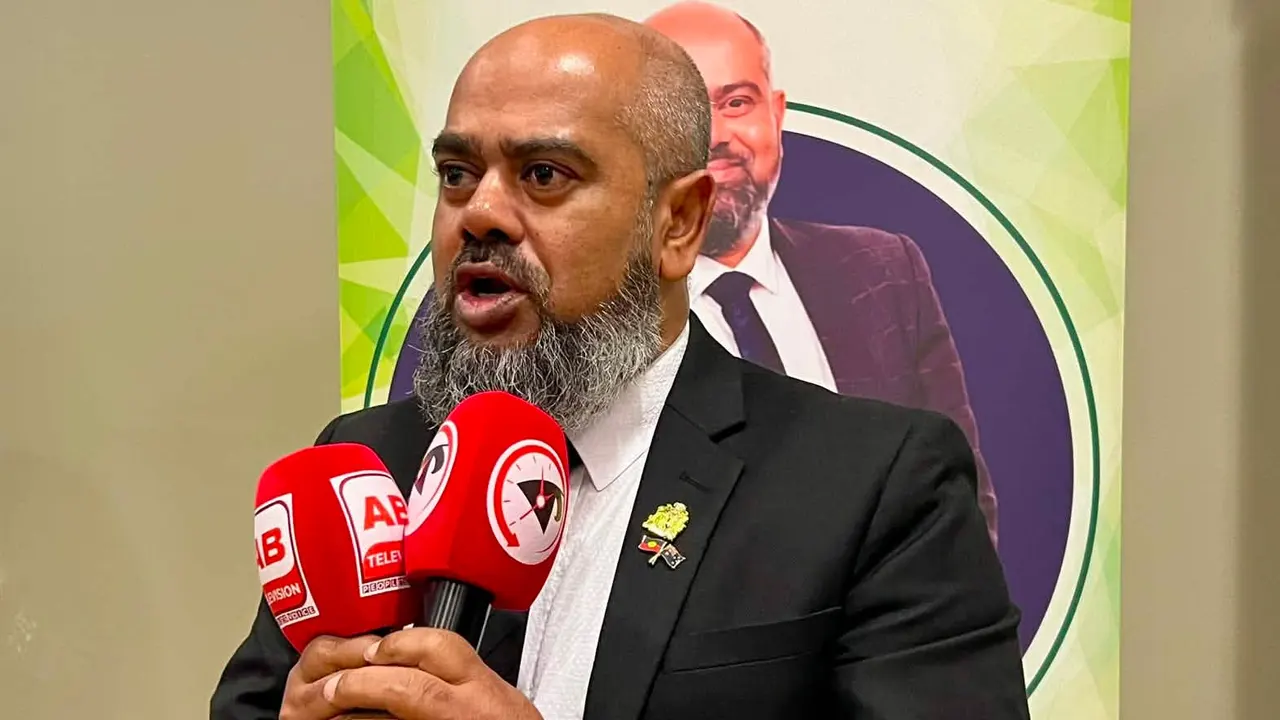
Darwin, September 06: Bangladeshi-Australian community leader and Campbelltown City Councillor and former Deputy Mayor Mohammad Ibrahim Khalil Masud has formally announced his candidacy for the…

Dhaka, September 6: One of the largest Pir-Mashaikh conferences was held in the capital Dhaka, bringing together around 3,000 delegates from home and abroad, including representatives…
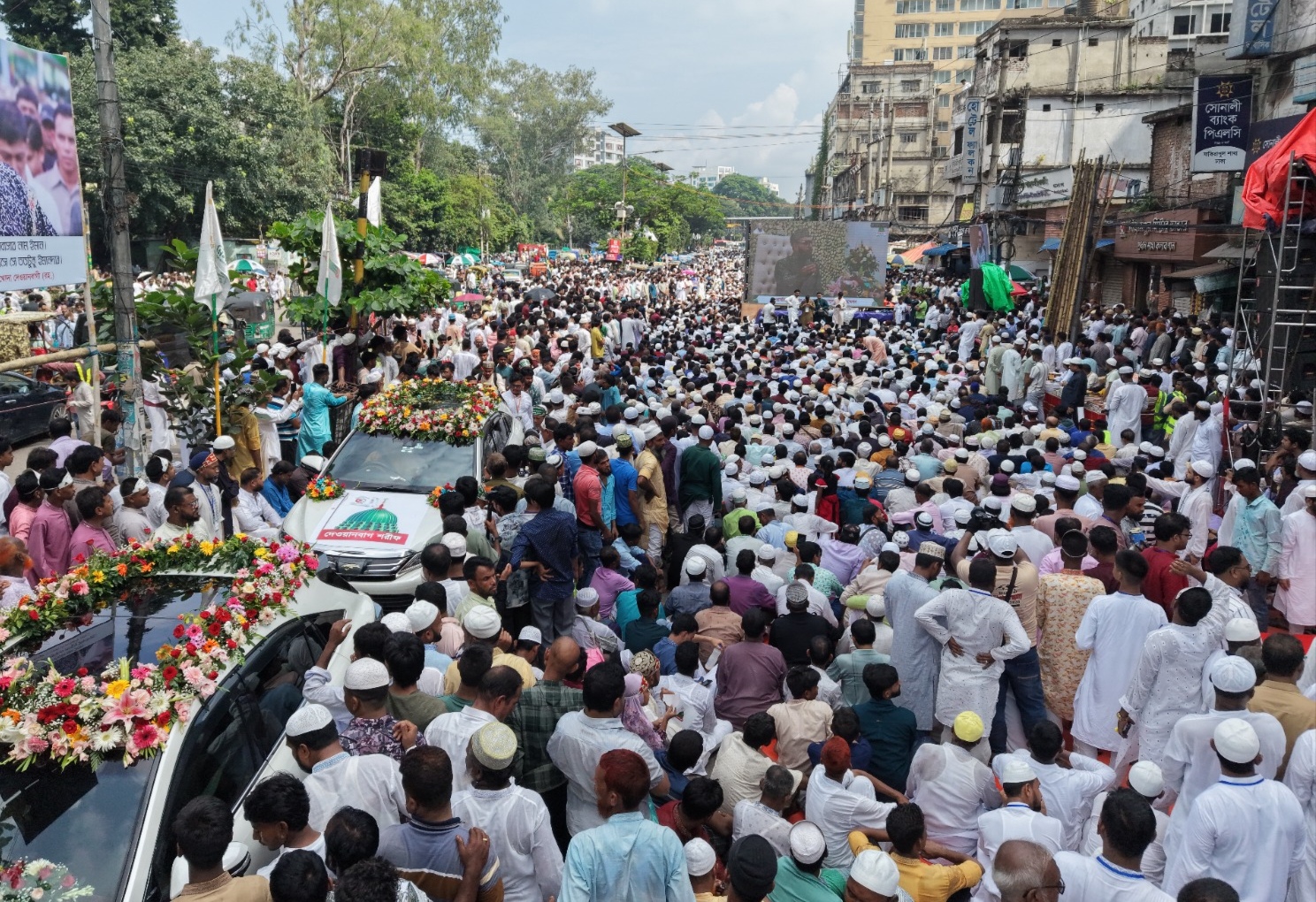
Darwin, August 27: More than 100,000 devotees took part in a colourful rally in Dhaka to mark the 1,501st birth anniversary of Prophet Muhammad (PBUH),…
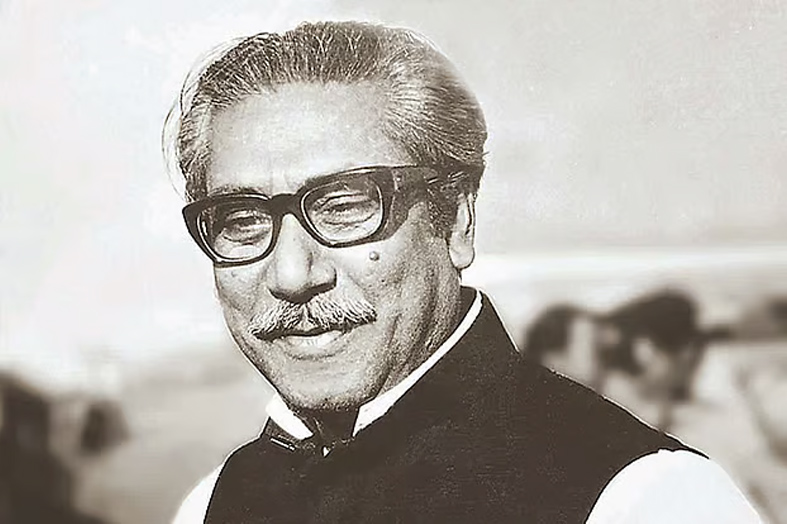
Darwin, August 15 : The death anniversary of Bangabandhu Sheikh Mujibur Rahman, the architect of independent Bangladesh, is being observed today, August 15. On this…

Darwin, 15 August : The United Nations has expressed concern over attempts to establish cells of al-Qaeda in Bangladesh. The concern was raised in a…

Darwin, August 10: Sixteen Bangladeshi workers have died in a devastating fire at a sofa factory in the Musa Sanaya area of Riyadh, the capital…
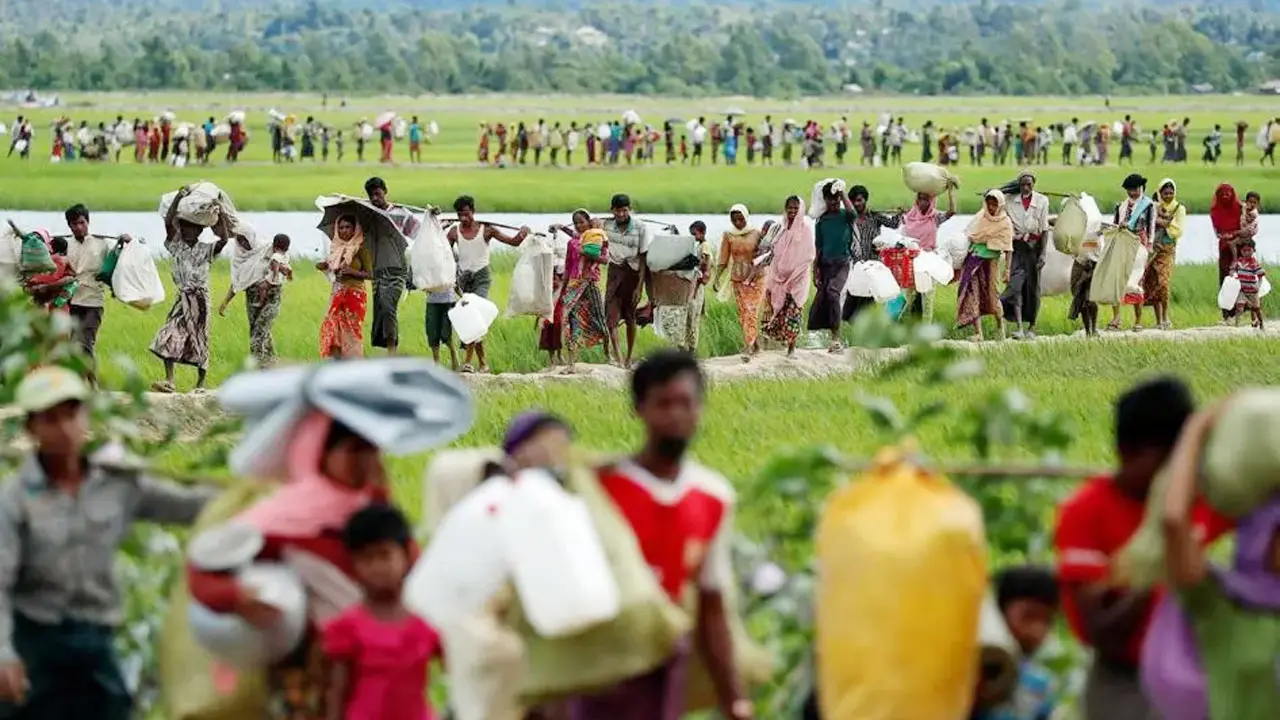
Darwin, July 30 — Myanmar has agreed to repatriate 300,000 Rohingya refugees from Bangladesh and an additional 5,000 from Malaysia, Malaysian Prime Minister Anwar Ibrahim announced…