Iran-Backed Militants Return Funds to Cash-Strapped IRGC: CENTCOM
Darwin, October 17: Iran-aligned armed groups across the Middle East are reportedly sending money back to Iran’s Islamic Revolutionary Guard Corps (IRGC), which is facing…



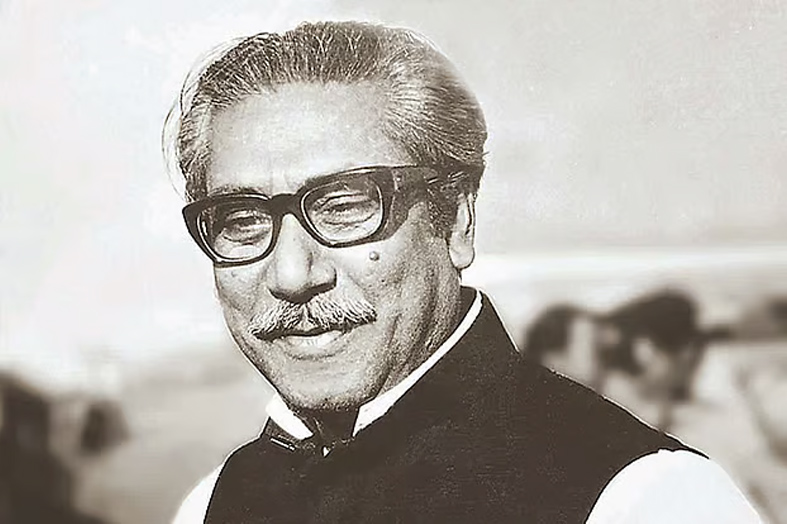
Darwin, August 15 : The death anniversary of Bangabandhu Sheikh Mujibur Rahman, the architect of independent Bangladesh, is being observed today, August 15. On this day in 1975, a group of misguided army personnel brutally assassinated the country’s great leader. Today marks 51 years since the heinous and brutal massacre that took place at Bangabandhu’s residence at Dhanmondi 32 in Dhaka.
Along with Bangabandhu Sheikh Mujibur Rahman, his wife Begum Fazilatunnesa Mujib, three sons Sheikh Kamal, Sheikh Jamal and youngest son Sheikh Russell, daughters-in-law Sultana Kamal and Rosie Jamal, his only brother Sheikh Abu Naser, Colonel Jamil, who rushed to save his life after receiving a phone call from Bangabandhu, SB officer Siddiqur Rahman, and army personnel Syed Mahbubul Haque were also killed on the night of August 15, 1975.
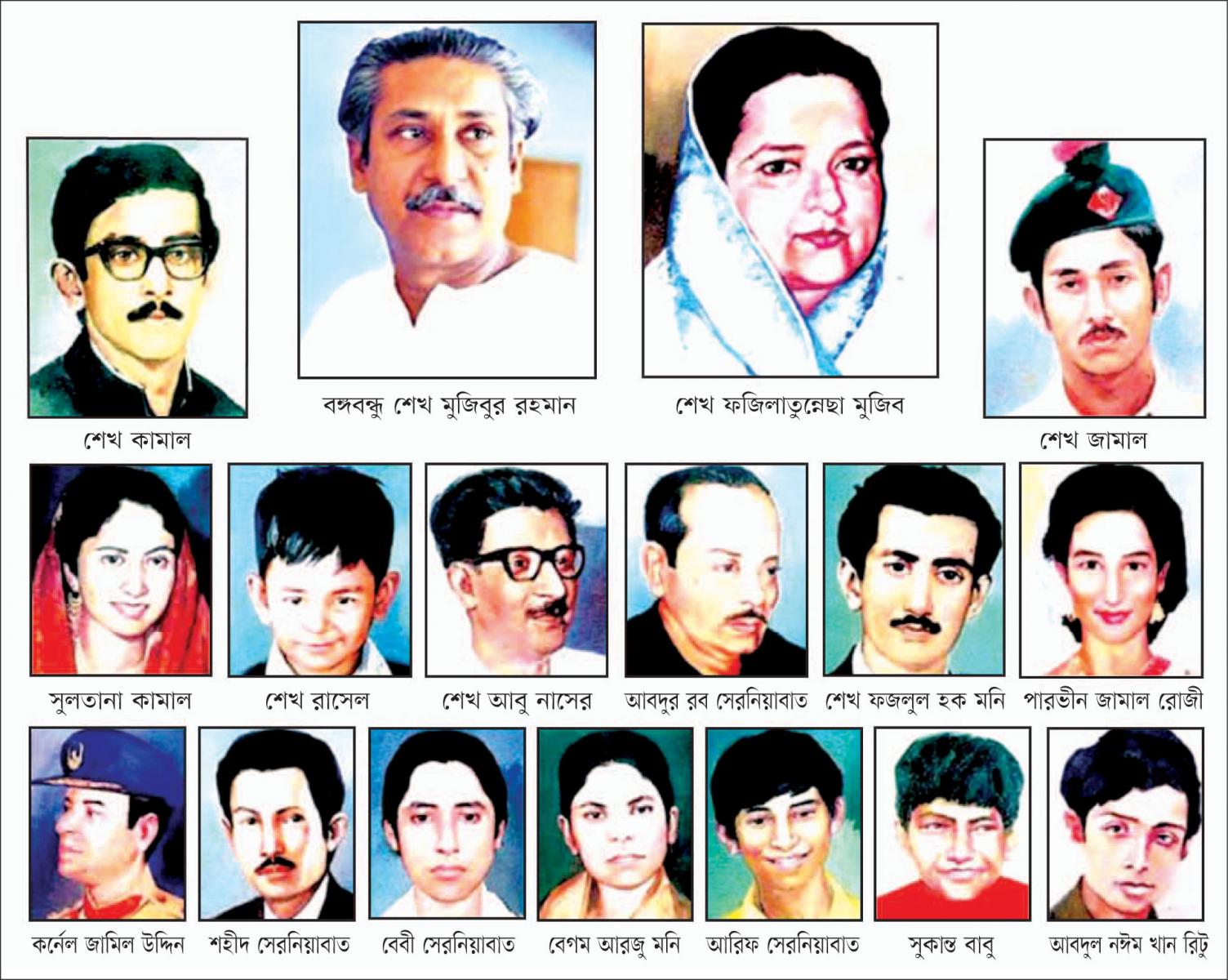
That night, another group of army personnel attacked the residence of Sheikh Fazlul Haque Moni, Bangabandhu’s nephew and then a leader of the Jubo League. Sheikh Moni and his pregnant wife, Arzu Moni, were killed in the attack.
The residence of Bangabandhu’s brother-in-law Abdur Rab Serniabat was also attacked. Serniabat, his daughter Baby, son Arif Serniabat, grandson Sukanta Babu, his elder brother’s son Sajib Serniabat, and a relative, Abdul Naim Khan, were killed.
At the time, Bangabandhu’s two daughters, Sheikh Hasina and Sheikh Rehana, were staying in Brussels, Belgium, and therefore survived the massacre. Twenty-one years after the August 15 assassination, the Awami League, led by Sheikh Hasina, came to power in 1996. The trial of the assassins was subsequently initiated. August 15 was also declared National Mourning Day and a public holiday.
On November 8, 1998, a trial court sentenced 15 people to death in the Bangabandhu assassination case. Later, the High Court upheld the death sentences of 12 convicts. So far, six of them have been executed. One died abroad, while five remain fugitives.
In 2009, the Awami League, again led by Sheikh Hasina, returned to power. During its nearly 15-and-a-half-year tenure, the party observed August 15 and the August 21 grenade attack with month-long programmes. On August 15, various programmes were held, including paying tribute to Bangabandhu’s portrait at Dhanmondi 32 and offering homage at his grave in Tungipara, Gopalganj.
By the late 1960s, although there were many well-known politicians in the country, Sheikh Mujibur Rahman had emerged at the forefront due to his leadership qualities. Through a prolonged struggle based on nationalist politics, he became the undisputed leader of Bangladesh’s independence movement.
On March 7, 1971, Bangabandhu delivered his historic speech at the then Racecourse Maidan in Ramna, now Suhrawardy Udyan. His speech served as a source of inspiration for freedom fighters during the Liberation War. Addressing hundreds of thousands of people gathered there, he declared: “This time the struggle is a struggle for our emancipation; this time the struggle is a struggle for independence.”
It may be noted that after the Awami League government came to power in 1996, August 15 was declared National Mourning Day and a public holiday in Bangladesh. Following the fall of the Sheikh Hasina government in 2024, the interim government led by Dr Muhammad Yunus abolished National Mourning Day and the public holiday on this date. As a result, as in the previous two years, no official mourning programme is being observed by the government in Bangladesh this year.
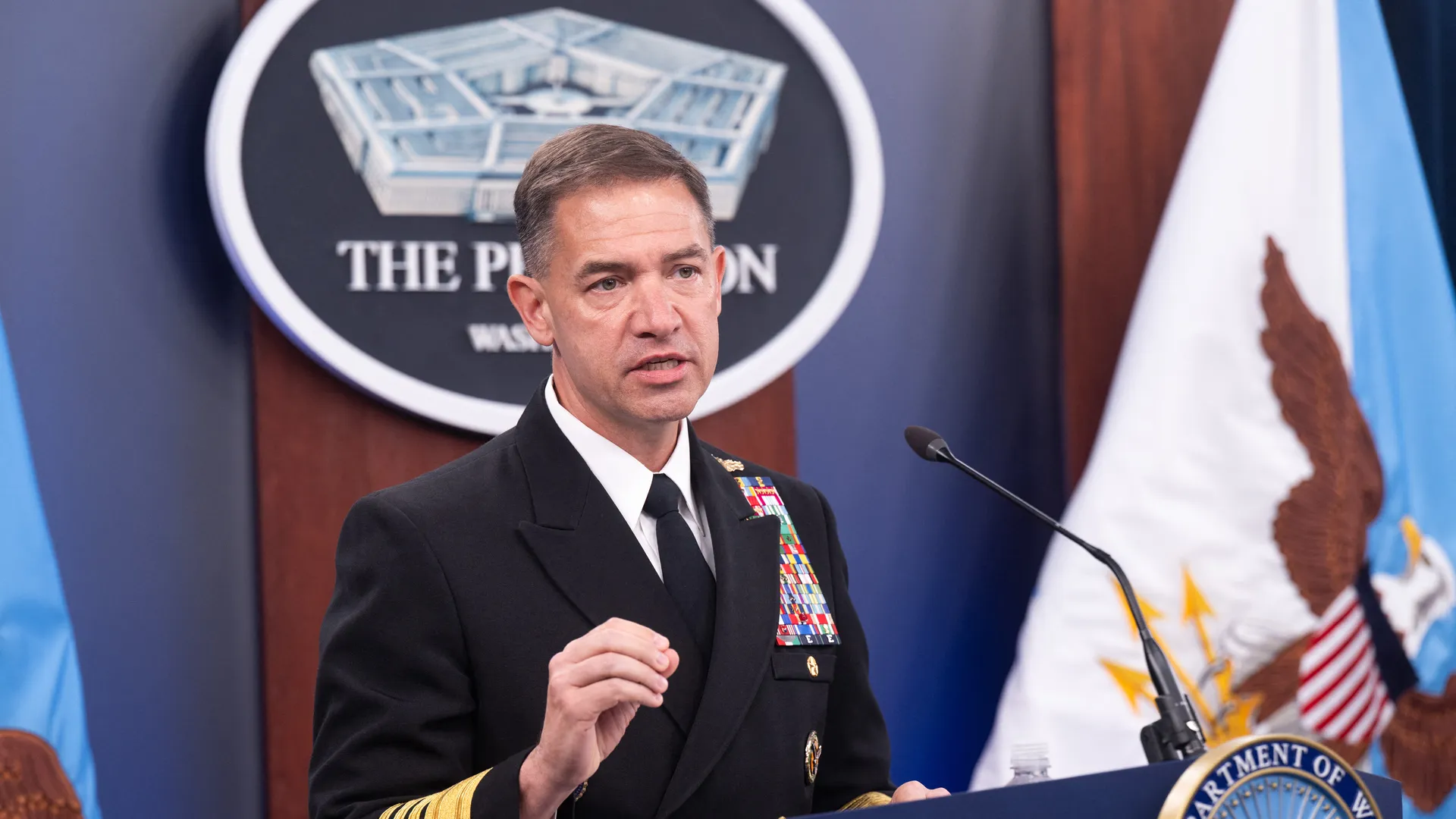
Darwin, October 17: Iran-aligned armed groups across the Middle East are reportedly sending money back to Iran’s Islamic Revolutionary Guard Corps (IRGC), which is facing…

Darwin, October 15 : The US military is considering using America’s most powerful non-nuclear bomb, known as the “Mother of All Bombs,” to strike Iran’s energy…
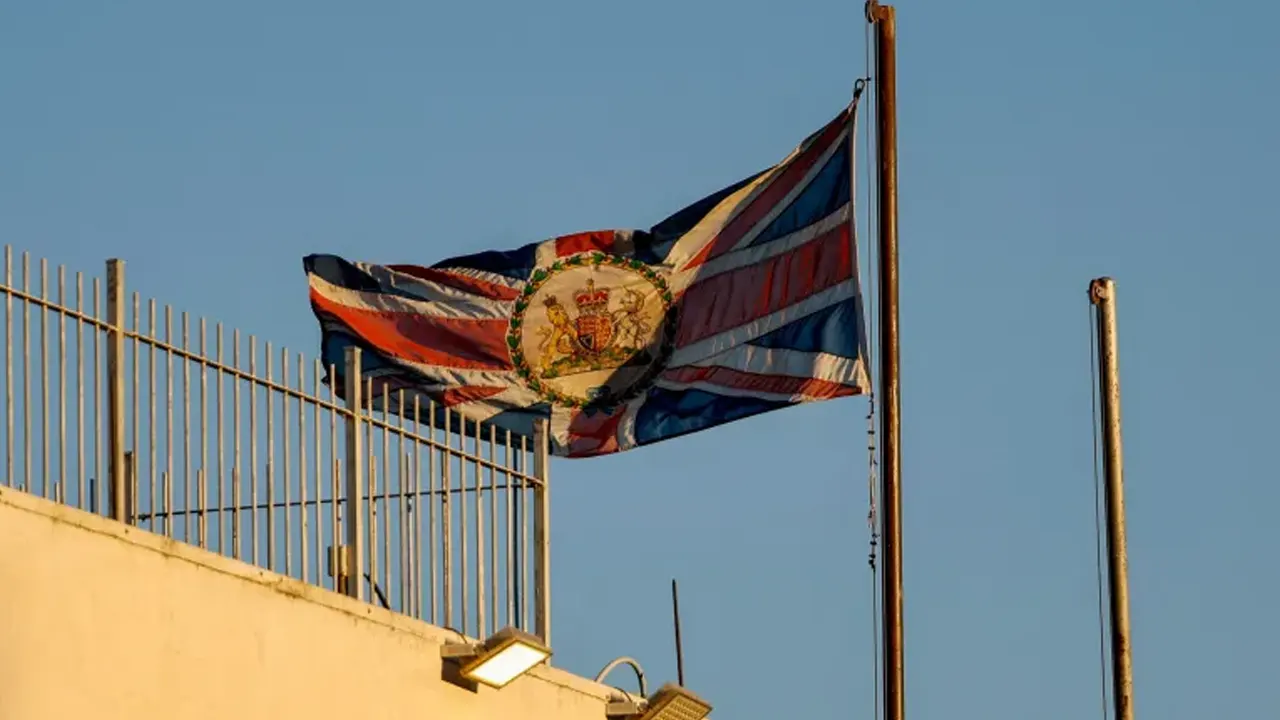
Darwin, October 15: The United Kingdom has opened the door to imposing sanctions not only on individuals and organisations involved in illegal Israeli settlement construction, but…

Darwin, October 15: Ukrainian President Volodymyr Zelenskyy has accused US President Donald Trump of personally betraying Ukraine after restrictions were imposed on the Ukrainian military’s…

Darwin, October 13: Saudi Crown Prince Mohammed bin Salman has reportedly been moving from one palace to another amid growing security concerns as Yemen’s Houthi…
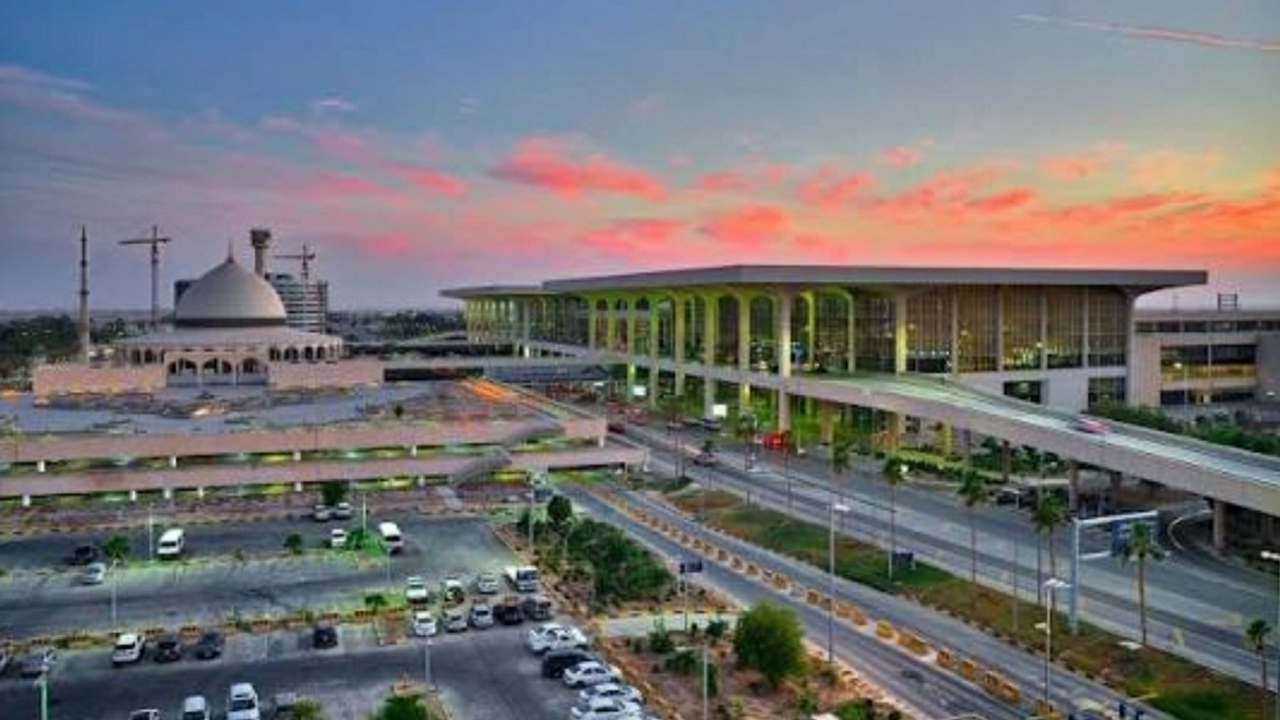
Darwin, October 12: Saudi Arabia’s Civil Aviation Authority has confirmed an attack on Dammam Airport in the country’s Eastern Province. The confirmation came shortly after…

Darwin, October 12 : A fresh attack has reportedly targeted King Khalid International Airport in Riyadh, the capital of Saudi Arabia, killing one Pakistani national…
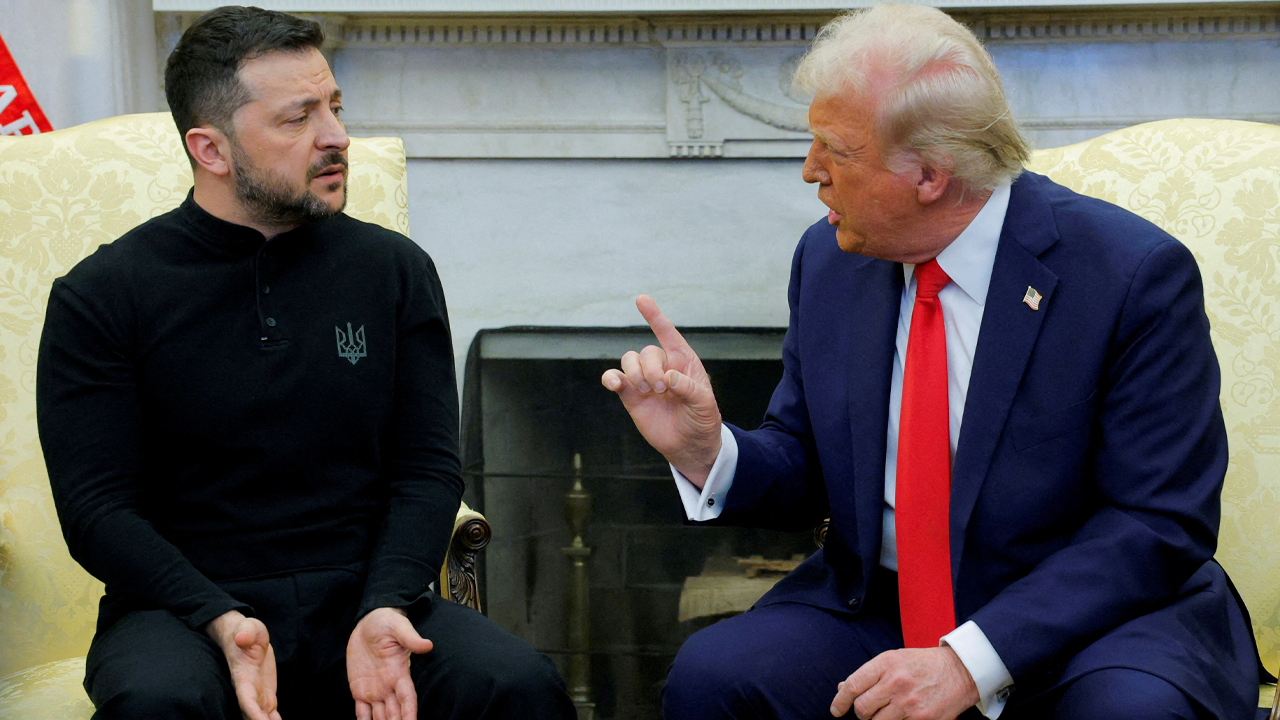
Darwin, October 11: US President Donald Trump has called for a new presidential election in Ukraine, suggesting that Volodymyr Zelenskyy has failed to seize opportunities…