Navi Pillay, Who Fought for Gaza, Wins Nobel Peace Prize
Darwin, October 09: Navanetham “Navi” Pillay, a South African jurist who led a United Nations investigative commission that described Israel’s actions in Gaza as genocide,…




TEL AVIV/SHARM EL-SHEIKH, Oct 15, 2025 — US President Donald Trump concluded a whirlwind day-long trip to the Middle East this week, celebrating the recently clinched Doha agreement that brought a cessation of major combat operations in Gaza and secured the release of the remaining living hostages held by Hamas in exchange for Palestinian prisoners.
Landing in Tel Aviv shortly after the emotional hostage releases, the President’s trip quickly turned into a victory lap, which he called a “historic day, to put it mildly,” and a potential “biggest turning point in three millennia.”
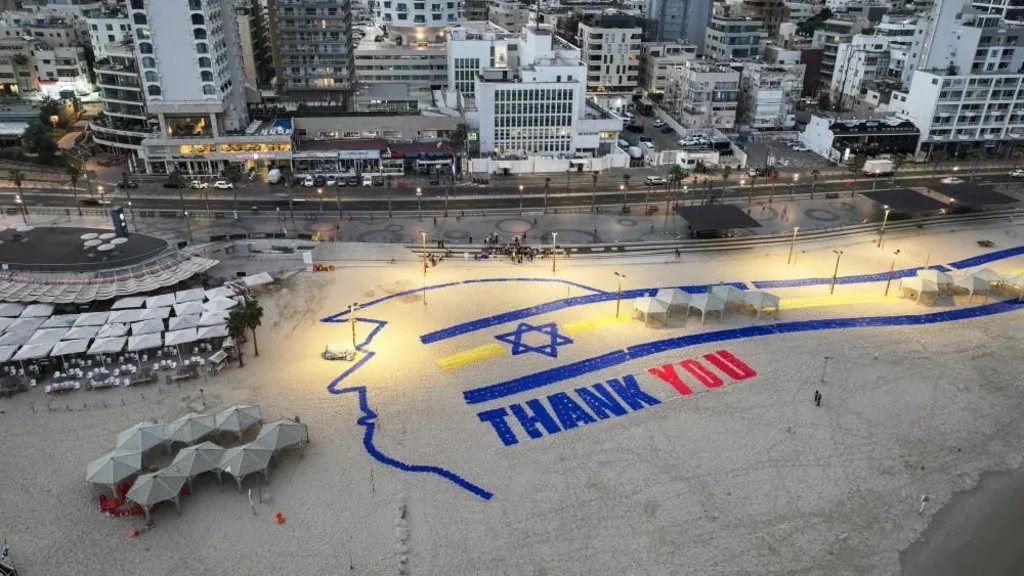
The diplomatic journey began with a symbolic fly-by of the Tel Aviv beach in Air Force One, offering a view of a giant “thank you” sign with the US and Israeli flags. The jubilant atmosphere continued on the tarmac, where Prime Minister Benjamin Netanyahu greeted Trump, and later in Jerusalem.
Knesset Address: Peace Hailed, Pardon Urged
In a raucous session of the Israeli parliament, the Knesset, President Trump delivered a speech where he hailed a “historic dawn of a new Middle East” and asserted that Israel, with American support, had won all it could “by force of arms.”
The scene was marked by celebratory shouts of “Thank you Trump” and lawmakers wearing red baseball caps emblazoned with the words: “The president of peace.”
In an extraordinary and controversial move, President Trump diverted from his diplomatic script to publicly appeal to Israeli President Isaac Herzog to pardon Prime Minister Netanyahu, who is currently on trial for corruption charges. “Cigars and champagne, who the hell cares about that?” Trump exclaimed, referencing one of the key allegations against the Israeli leader.
The agreement, which saw Palestinians return to their homes in the north amid a partial Israeli troop withdrawal, was described by one White House press corps member as a “waypoint, not a destination,” underscoring the deep skepticism about the truce’s longevity.
Speaking to reporters on Air Force One, President Trump expressed confidence that the ceasefire would hold, but largely “glossed over the really big questions” about securing and governing Gaza long-term.
When pressed on the proposed International Stabilization Force (ISF), an Arab-backed multinational security deployment outlined in his 20-point peace plan, Trump offered vague reassurances. He described it as a “big, strong force” that would “barely” have to be used because “people are going to behave.”
The final leg of the trip took the President to Sharm el-Sheikh in Egypt, the site of the mediated talks. Escorted by Egyptian F-16s, Trump presided over a signing ceremony beneath a giant sign proclaiming “PEACE IN THE MIDDLE EAST.”
World leaders, lining up behind the President, listened as he celebrated the deal, saying it took “3,000 years” to achieve. Egyptian President Abdel Fatah el-Sisi, the host, introduced Trump, but notably reiterated that the ultimate goal remains a two-state solution between Israelis and Palestinians—a key issue Trump has avoided committing to.
The rush to declare a permanent end to the conflict, critics suggest, reflects a greater desire for a “victory” than a focus on the punishing detail of a sustainable “phase two” of negotiations, leaving the most complex challenges of Gaza’s future governance and security hanging in the air.
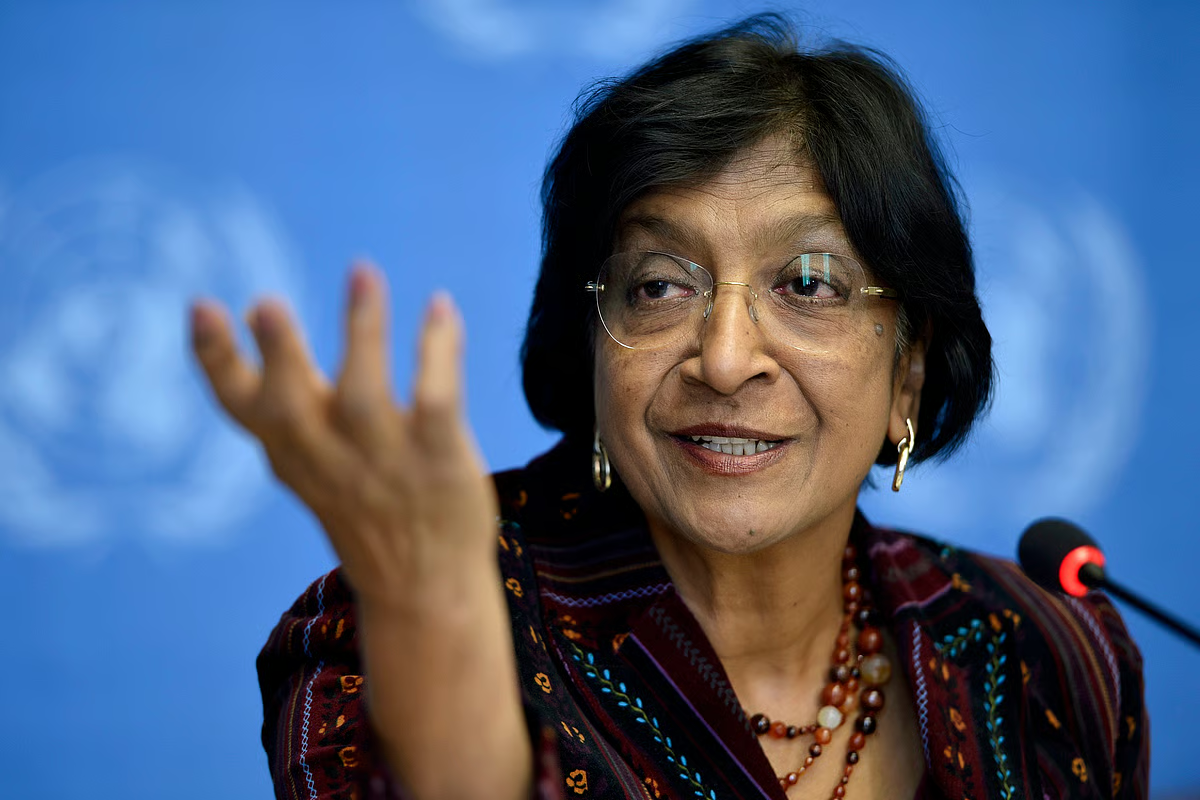
Darwin, October 09: Navanetham “Navi” Pillay, a South African jurist who led a United Nations investigative commission that described Israel’s actions in Gaza as genocide,…
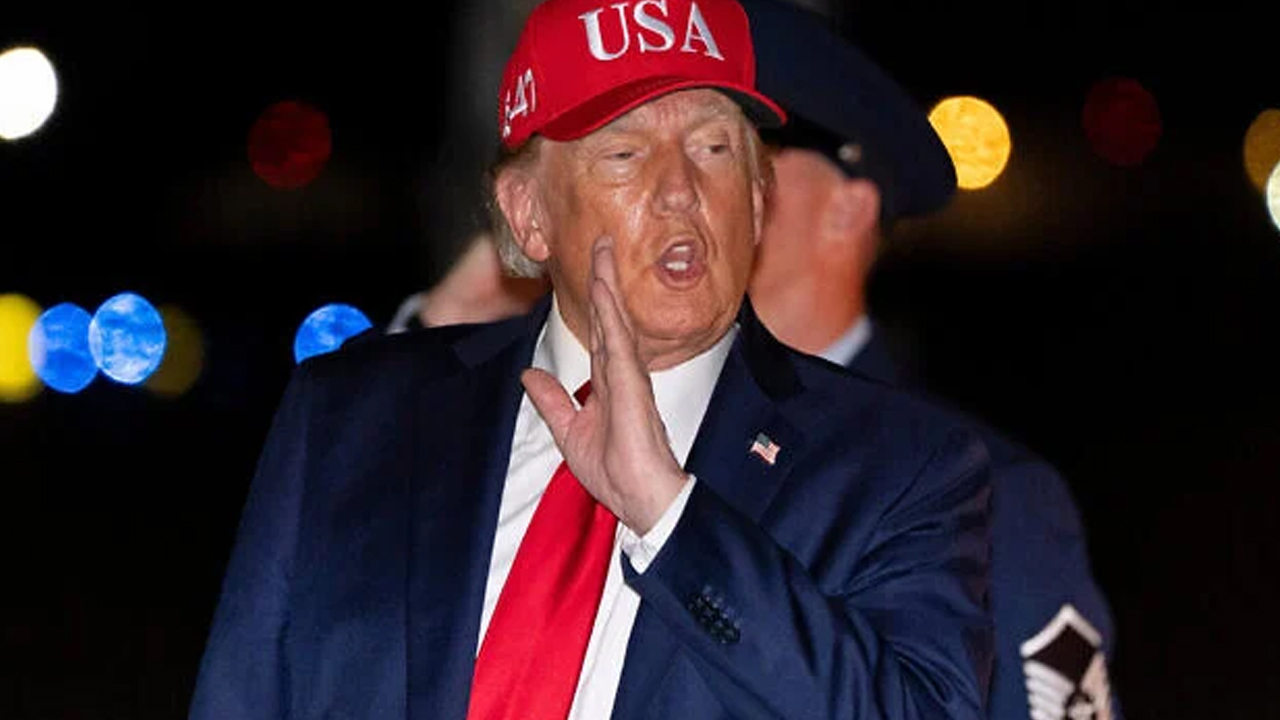
Darwin, October 08: U.S. President Donald Trump said on Wednesday that he deserves to win the Nobel Peace Prize, while expressing doubts that he would…
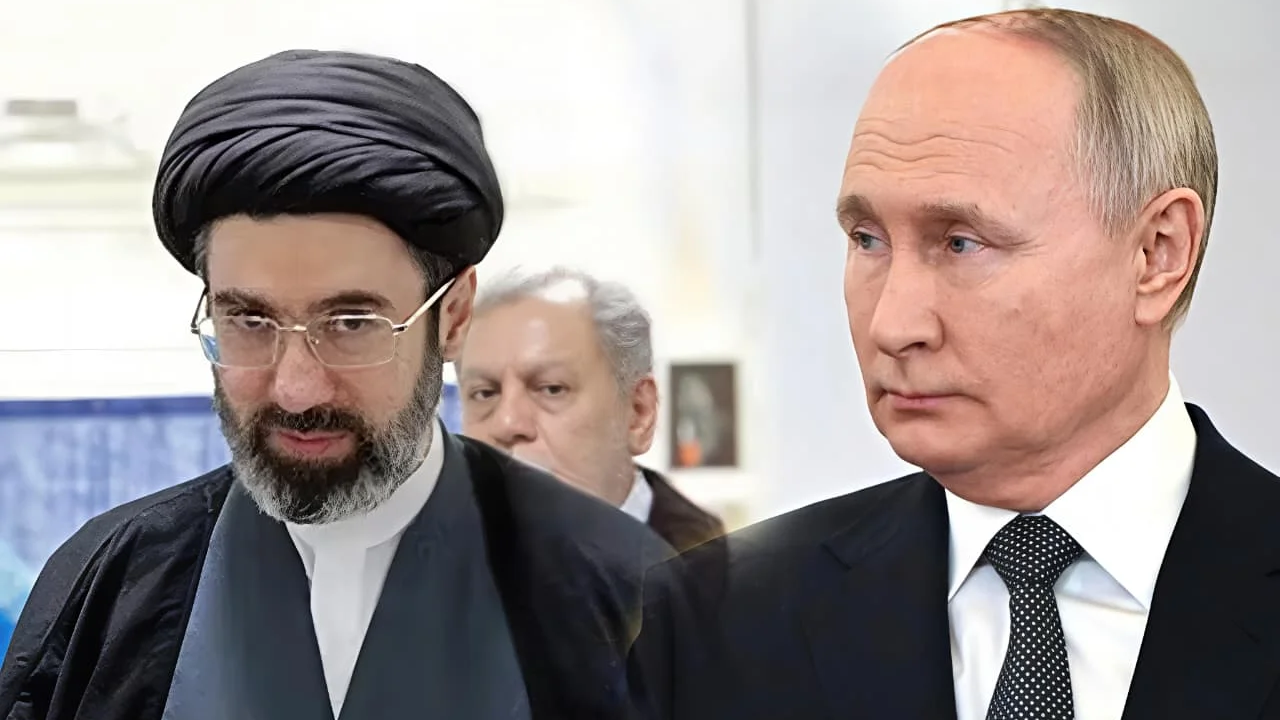
Darwin, October 07: Russia has finalized preparations to provide Iran with a $1 billion loan. The funds will be transferred once Tehran provides the necessary…
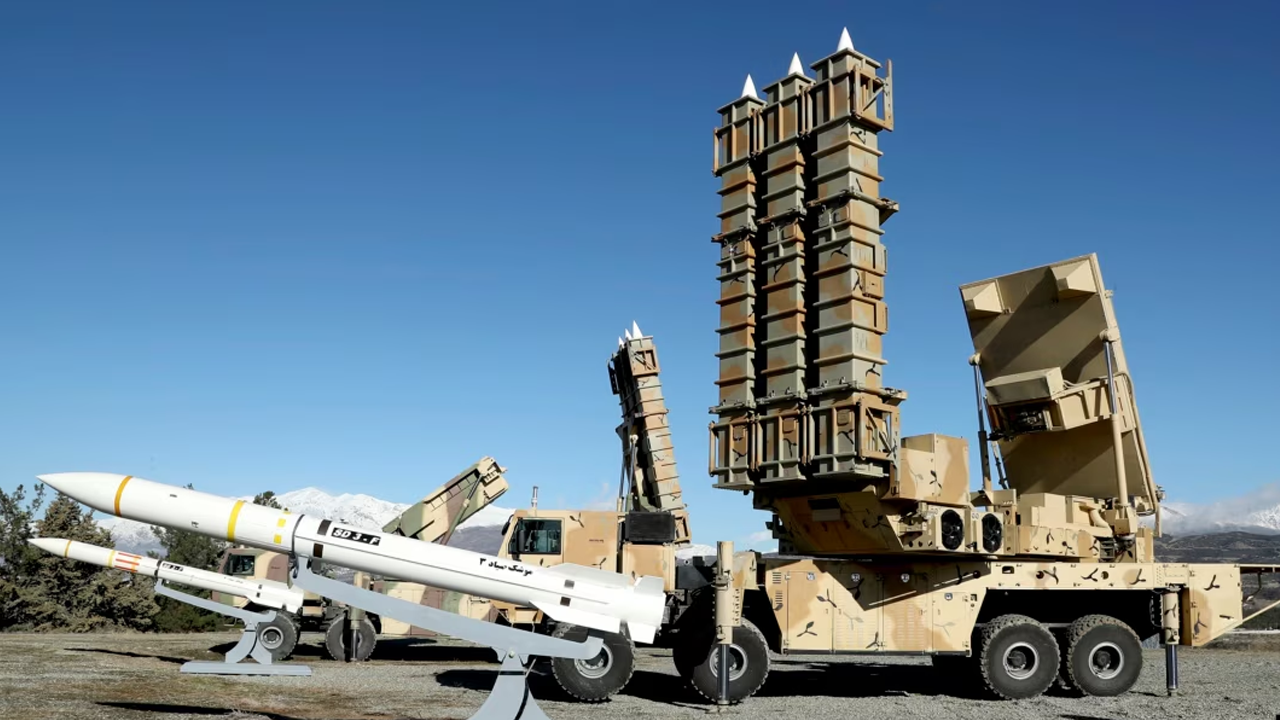
DARWIN, October 7: Iran has warned that it will deliver a stronger response if the United States or Israel launches another attack. The country also…

Darwin, October 05: Deaths in Australia are expected to outnumber births by the 2060s, according to a government report, marking a demographic milestone that countries…

Darwin, October 04: Ten people, including three children, have been injured after a car crashed into a crowd of rugby league fans in Newcastle, eastern…
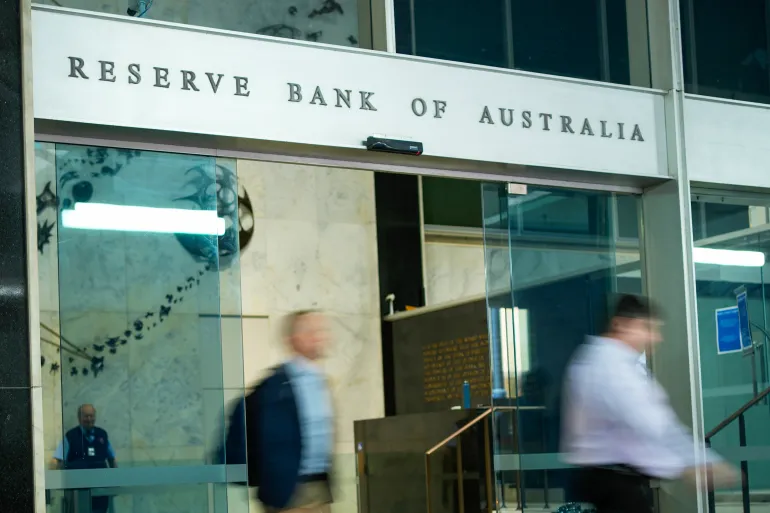
Darwin, October 4: Australia’s central bank has raised interest rates to their highest level in 15 years, increasing mortgage repayments for millions of Australian households….

Darwin, October 3: Under pressure from US President Donald Trump to bring down rising fuel prices, G7 leaders are set to release up to 100…