Navi Pillay, Who Fought for Gaza, Wins Nobel Peace Prize
Darwin, October 09: Navanetham “Navi” Pillay, a South African jurist who led a United Nations investigative commission that described Israel’s actions in Gaza as genocide,…



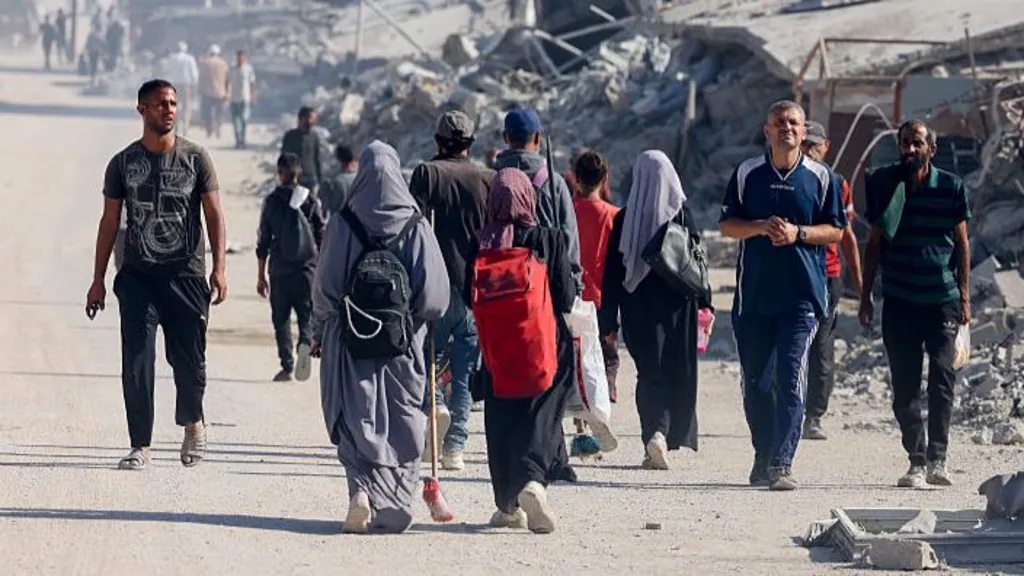
GAZA / TEL AVIV – The fragile ceasefire in Gaza is facing its most significant challenge after Israel launched air strikes in southern Gaza, accusing Hamas of multiple attacks in a “bold violation of the ceasefire.”
An Israeli military spokesman stated that Hamas forces carried out “multiple attacks against Israeli forces beyond the yellow line,” referring to the agreed-upon withdrawal area under Phase One of the US-brokered peace deal.
Hamas, while reaffirming its commitment to the truce, accused Israel of breaking the ceasefire several times and strongly denied US reports that it was planning an “imminent” attack on civilians in Gaza.
The flare-up follows a direct warning from the US State Department that it had “credible reports” of a planned “imminent” Hamas attack that would constitute a “direct and grave” violation of the agreement. The State Department informed other ceasefire guarantors—including Egypt, Qatar, and Turkey—and stressed that “Should Hamas proceed with this attack, measures will be taken to protect the people of Gaza and preserve the integrity of the ceasefire.”
The ceasefire, part of President Donald Trump’s plan to end the two-year-old Gaza war, came into force on October 10. Phase One successfully facilitated the release of all living Israeli hostages and the return of the bodies of the deceased. As part of the agreement, Israel also freed 250 Palestinian prisoners and 1,718 detainees.
The Israeli strikes are a response to the devastating attack on October 7, 2023, where Hamas-led gunmen killed approximately 1,200 people in southern Israel and took 251 hostages. Since then, Israeli attacks in Gaza have killed at least 68,000 people, according to the Hamas-run health ministry.
The underlying tensions are compounded by a vacuum of control in areas where the Israel Defense Forces (IDF) have partially withdrawn to the ‘Yellow Line,’ which still leaves the IDF occupying and controlling over 50% of the Gaza Strip.
Hamas, which has ruled Gaza for 18 years, is facing challenges from rival armed groups, such as Abu Shabab’s Popular Forces, which it alleges are being armed and supported by Israel. The militant group has recalled around 7,000 members of its security forces to reassert control, a move that is itself seen by Israel as a breach of the ceasefire’s spirit.
One of the key clauses of the Trump 20-point ceasefire requires Hamas to relinquish its weapons so it no longer poses a threat to Israel. Hamas, however, stated that its police forces are fulfilling their “national duty in pursuing these gangs and holding them accountable.”

Darwin, October 09: Navanetham “Navi” Pillay, a South African jurist who led a United Nations investigative commission that described Israel’s actions in Gaza as genocide,…

Darwin, October 08: U.S. President Donald Trump said on Wednesday that he deserves to win the Nobel Peace Prize, while expressing doubts that he would…

Darwin, October 07: Russia has finalized preparations to provide Iran with a $1 billion loan. The funds will be transferred once Tehran provides the necessary…
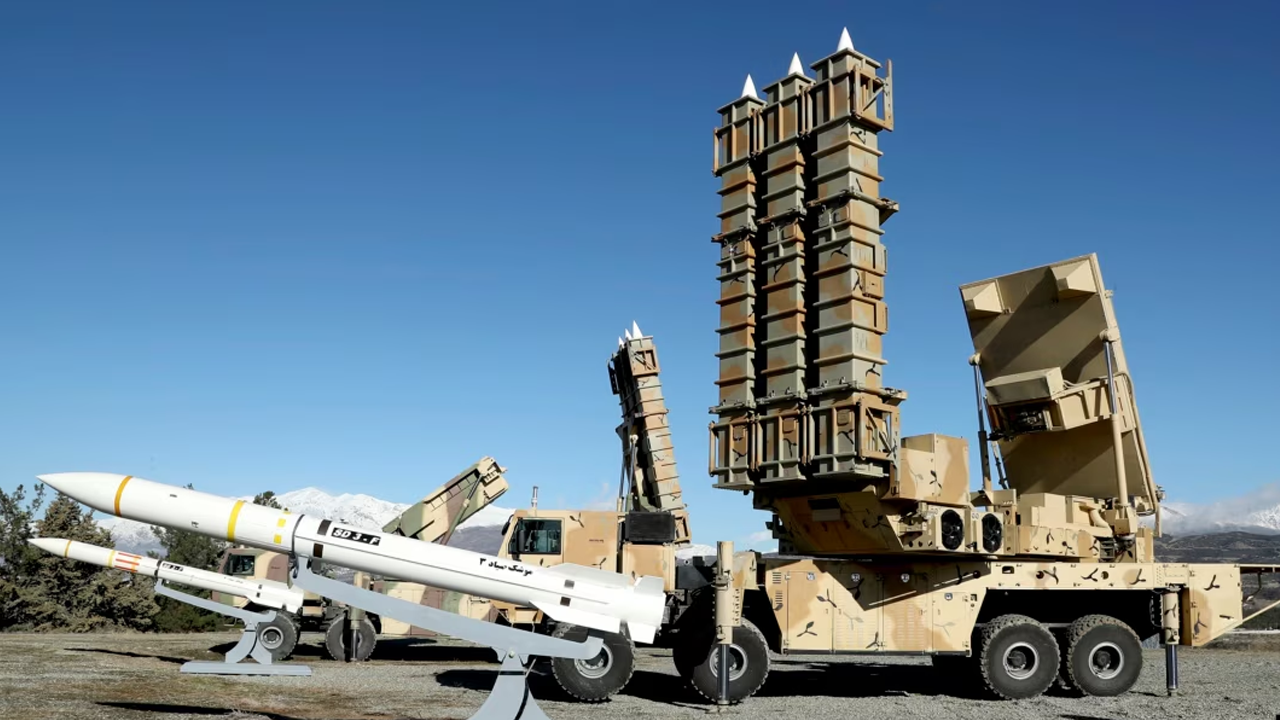
DARWIN, October 7: Iran has warned that it will deliver a stronger response if the United States or Israel launches another attack. The country also…

Darwin, October 05: Deaths in Australia are expected to outnumber births by the 2060s, according to a government report, marking a demographic milestone that countries…

Darwin, October 04: Ten people, including three children, have been injured after a car crashed into a crowd of rugby league fans in Newcastle, eastern…

Darwin, October 4: Australia’s central bank has raised interest rates to their highest level in 15 years, increasing mortgage repayments for millions of Australian households….

Darwin, October 3: Under pressure from US President Donald Trump to bring down rising fuel prices, G7 leaders are set to release up to 100…