Oil Prices Rise in Global Markets on Fears of Middle East Supply Disruptions
Darwin, October 21: Oil prices rose in global markets on Wednesday as traders grew concerned about potential disruptions to oil supplies in the Middle East,…



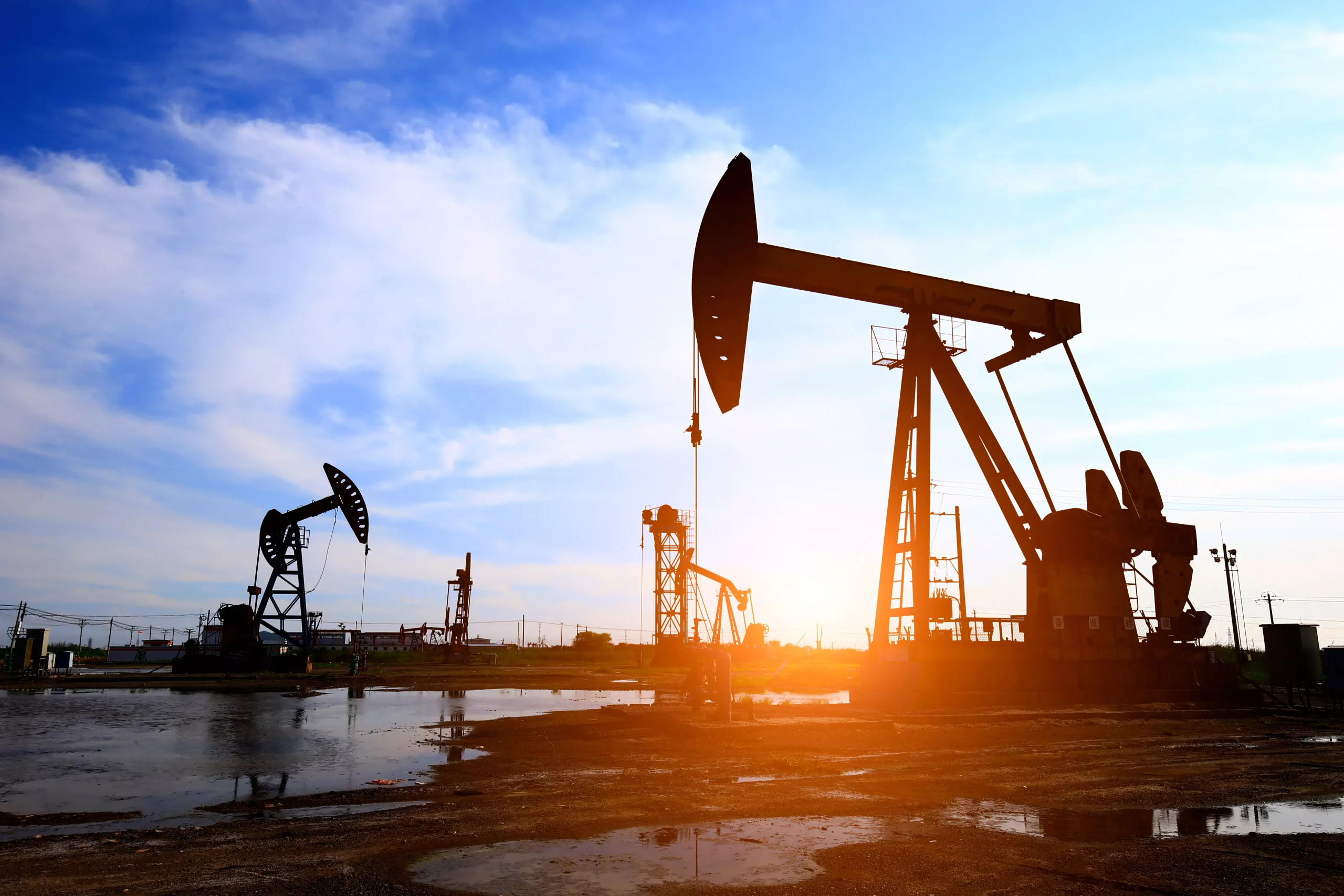
Darwin, 24 October-
Global oil prices rose by around 6% after the United States announced new sanctions on the largest oil companies in Russia. The move increases concerns over potential disruptions in Russian oil exports, which has sent shockwaves through energy markets and governments worldwide.
The U.S. Treasury Department revealed that it would block transactions with several major Russian energy firms, aiming to curb Russia’s revenue from oil as part of its broader strategy to pressure Moscow economically. Analysts say these sanctions may force Russia to either cut production or seek alternate markets, both of which could tighten global supply.
Brent crude, the international benchmark, climbed by approximately $4 a barrel to reach near $70/barrel. U.S. West Texas Intermediate (WTI) followed a similar jump. The sudden increase reflects traders’ worries that planned production cuts in Russia could further restrict supply and push prices higher.
Energy experts note that Russia’s oil industry is already under strain from previous sanctions, and additional restrictions heighten the risk of heavier production losses or a more aggressive shutdown of exports. Given that Russia is one of the top three oil producers globally, any significant supply disruption can ripple through the global economy.
Meanwhile, importers and governments around the world are recalculating their policies and reserves amid the new pressure. Some analysts believe that if Russian supply is significantly curtailed, alternative producers such as Saudi Arabia or the United Arab Emirates might increase output — but this adjustment won’t be immediate.
In short, the new U.S. sanctions have triggered a sharp uptick in oil prices, underscoring the delicate balance in global energy markets and the influence that geopolitical moves can have on commodity flows and national economies.
Darwin, October 21: Oil prices rose in global markets on Wednesday as traders grew concerned about potential disruptions to oil supplies in the Middle East,…
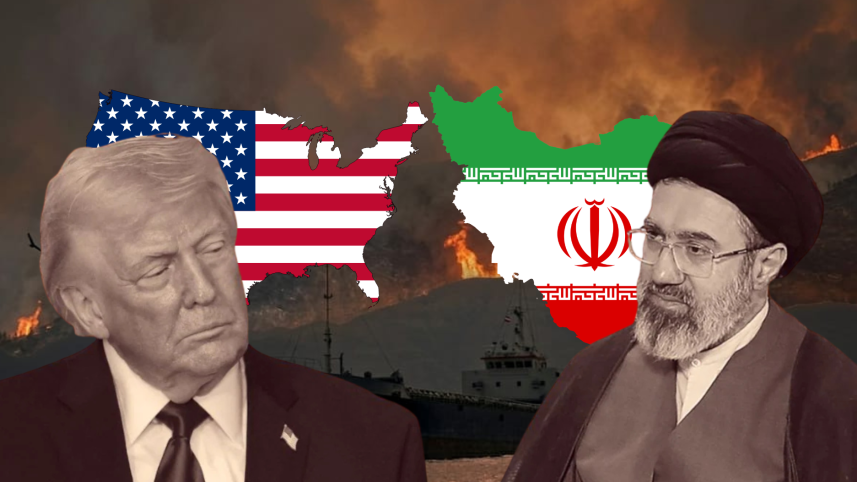
Darwin, October 21: Iran is prolonging negotiations with Washington in an attempt to politically weaken President Donald Trump ahead of the US midterm elections, according…

Darwin, October 21: Today is the auspicious occasion of Bijaya Dashami. The five-day Sharadiya Durga Puja, the biggest religious festival of the Hindu community, officially…

Darwin, October 20: Today is Maha Navami, the ninth day of Sharadiya Durga Puja. Members of the Hindu community will observe the day through religious…

Darwin, October 20: Protests and violence over the rising cost of living have erupted in Italy, one of Europe’s largest economies, following similar unrest in…

Darwin, October 20: US President Donald Trump has warned that protests and violence similar to those in France could spread across the United States if…
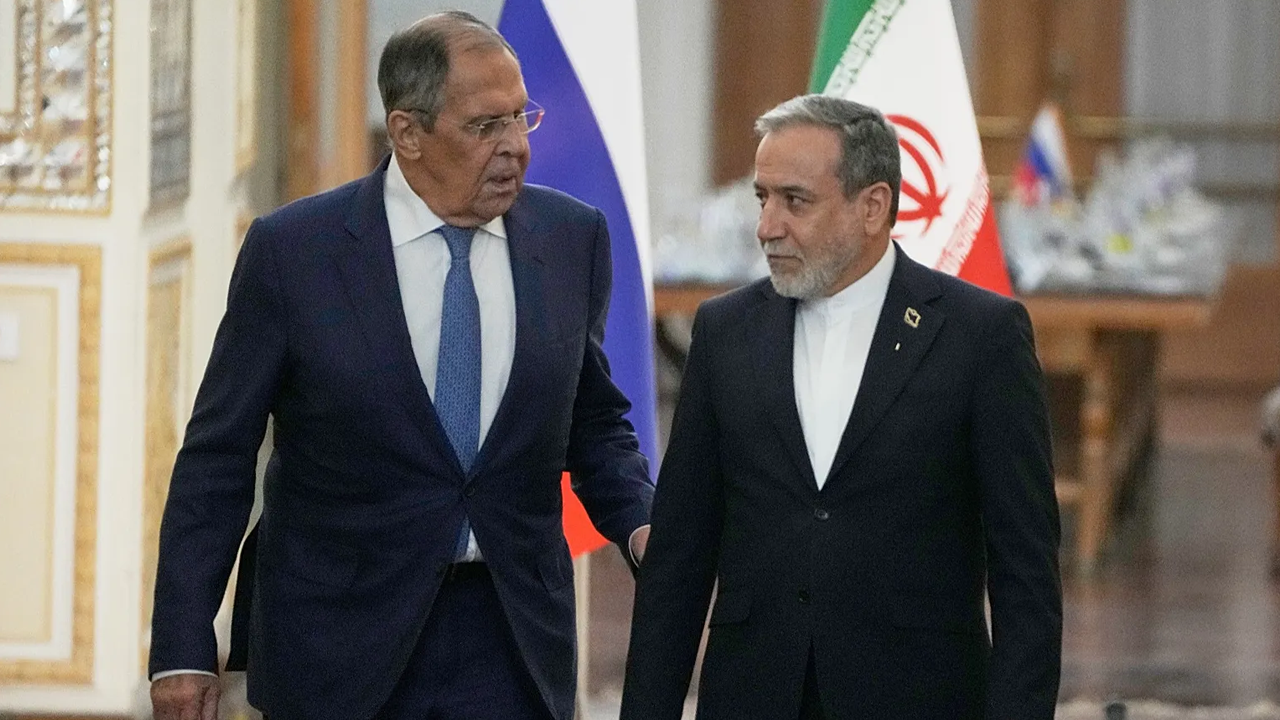
Darwin, October 20: Moscow has reaffirmed its full support for Tehran just hours after US President Donald Trump remarked that Russia was doing very little…

Darwin, October 19: Former Manchester City manager Pep Guardiola has urged the world not to forget the Palestinians in Gaza. In a video for the…