Oil Prices Rise in Global Markets on Fears of Middle East Supply Disruptions
Darwin, October 21: Oil prices rose in global markets on Wednesday as traders grew concerned about potential disruptions to oil supplies in the Middle East,…



Darwin, 26 October-
U.S. President Donald Trump is reportedly considering plans for strikes inside Venezuela, targeting cocaine production centers and drug trafficking routes, though no final decision has been made yet. Three U.S. officials told CNN about these potential operations.
Signs of major military activity have been observed from outside the country. Secretary of Defense Pete Hegseth has ordered the most advanced U.S. Navy aircraft carrier strike group stationed in Europe to move toward the Caribbean region. A large number of U.S. troops have already been deployed there. Trump has also authorized the CIA to conduct covert operations inside Venezuela.
Two officials noted that the President has not ruled out diplomatic negotiations with Venezuela. However, in recent weeks, his administration has ceased direct talks with President Nicolás Maduro. Venezuela is generally not a cocaine-producing country, but the Trump administration has sought to link Maduro to drug trafficking.
An administrative official told CNN, “The President is considering some plans for targeted operations inside Venezuela, but diplomacy has not been completely ruled out.”
Another official, who was directly involved in the discussions, said multiple proposals have been presented to the President. A third official noted that while the planning process is ongoing government-wide, the top priority remains focusing on drug operations within Venezuela.
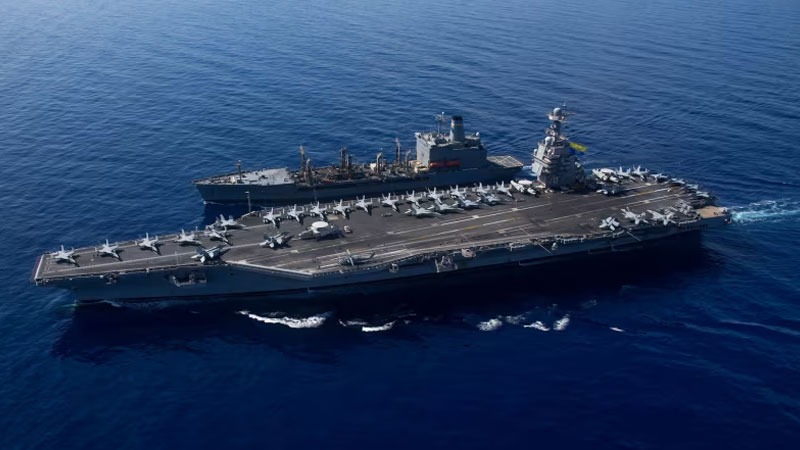
US aircraft career.
Recently, Trump has used strong rhetoric regarding the possibility of a ground strike inside Venezuela. Meanwhile, U.S. forces have regularly targeted suspected drug-carrying vessels in international waters. The most recent attack occurred at night in the Caribbean Sea, destroying a boat and killing six people.
According to Hegseth, since the start of the operations last month, ten boats have been targeted, resulting in 43 deaths. CNN previously reported that Trump is considering strikes inside Venezuela as part of a strategy to exploit perceived weaknesses in the Maduro government. Trump has publicly mentioned such ideas but has not specified how they would be executed. Secretary of State Marco Rubio hinted that drug transport “routes” could potentially be the targets.
Some administration officials favor removing Maduro from power. They believe that anti-drug operations could help achieve this goal, arguing that pressuring people around Maduro who benefit from drug networks may lead them to consider ousting him.
Sources told CNN that a newly released video shows Maduro calling for peace in English.
According to the United Nations Office on Drugs and Crime, Venezuela is not a cocaine-producing country. Almost all coca cultivation, the primary ingredient for cocaine, is limited to Colombia, Peru, and Bolivia. The U.S. Drug Enforcement Administration’s annual report released in March did not list Venezuela among cocaine-producing countries; instead, Ecuador, Central America, and Mexico were mentioned.
Nonetheless, administration officials acknowledge that some drug trafficking passes through Venezuela. In 2020, a U.S. federal court filed charges against Maduro for drug terrorism and cocaine import conspiracy.
Rubio said during an Ecuador trip in September, “Nicolás Maduro is an indicted drug trafficker and a fugitive in the eyes of the U.S. Department of Justice.”
Trump administration officials have cautioned that the President is not rushing a decision. One official noted that he is focused on his Asia tour and diplomatic efforts to resolve the Russia-Ukraine war.
Although open to diplomacy, Trump recently halted efforts to engage directly with Maduro and top Venezuelan officials, previously led by special envoy Richard Grenell.
If a strike inside Venezuela is to occur, it would likely require congressional approval or at least a briefing, after which the administration could proceed. On Thursday, Trump told CNN that he could strike suspected foreign drug traffickers without a formal declaration of war from Congress. He said, “I won’t declare war. I’ll just take out the people bringing drugs into our country. Alright? We’ll kill them, they’ll die.”
The show of U.S. military force has raised questions about the administration’s objectives. Pentagon spokesperson Sean Parnell stated that the deployment of the Gerald R. Ford strike group and its aviation units aims to “dismantle international criminal networks and combat drug terrorism.”
The Ford strike group had anchored in Split, Croatia, on October 21, meaning the carrier and its accompanying ships were initially deployed 5,000 miles from the Caribbean.
Before the Ford’s arrival, a large portion of the U.S. Navy had already been moved under U.S. Southern Command to monitor operations in the region, according to the U.S. Navy Institute’s news portal. This deployment includes the Iwo Jima Amphibious Ready Group, the 22nd Marine Expeditionary Unit (over 4,500 marines and sailors), three guided-missile destroyers, an attack submarine, a special operations ship, a guided-missile cruiser, and P-8 Poseidon surveillance aircraft.
Meanwhile, the U.S. has deployed ten F-35 fighter jets to Puerto Rico, which has become the main hub for U.S. military operations in the Caribbean. Satellite imagery and newly captured photos show that Roosevelt Roads naval base in Puerto Rico, closed since 2004, has been reactivated.
Darwin, October 21: Oil prices rose in global markets on Wednesday as traders grew concerned about potential disruptions to oil supplies in the Middle East,…
Darwin, October 21: Iran is prolonging negotiations with Washington in an attempt to politically weaken President Donald Trump ahead of the US midterm elections, according…

Darwin, October 21: Today is the auspicious occasion of Bijaya Dashami. The five-day Sharadiya Durga Puja, the biggest religious festival of the Hindu community, officially…

Darwin, October 20: Today is Maha Navami, the ninth day of Sharadiya Durga Puja. Members of the Hindu community will observe the day through religious…
Darwin, October 20: Protests and violence over the rising cost of living have erupted in Italy, one of Europe’s largest economies, following similar unrest in…
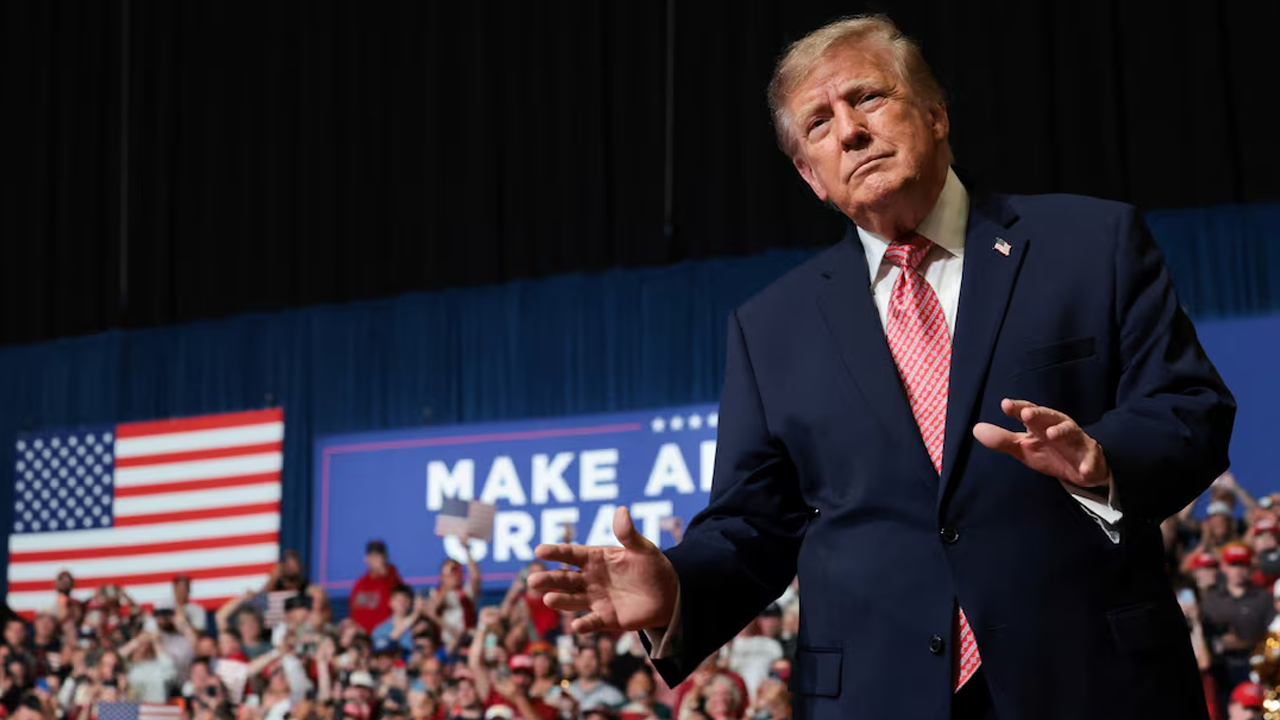
Darwin, October 20: US President Donald Trump has warned that protests and violence similar to those in France could spread across the United States if…
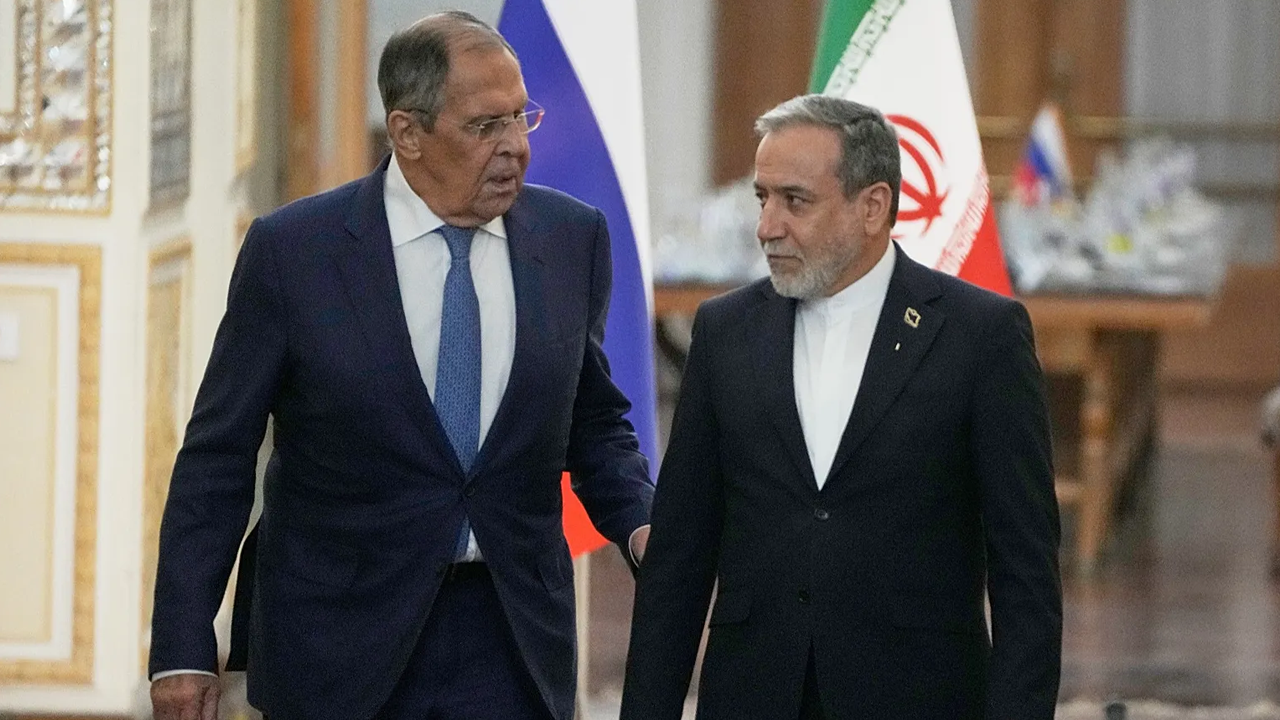
Darwin, October 20: Moscow has reaffirmed its full support for Tehran just hours after US President Donald Trump remarked that Russia was doing very little…

Darwin, October 19: Former Manchester City manager Pep Guardiola has urged the world not to forget the Palestinians in Gaza. In a video for the…