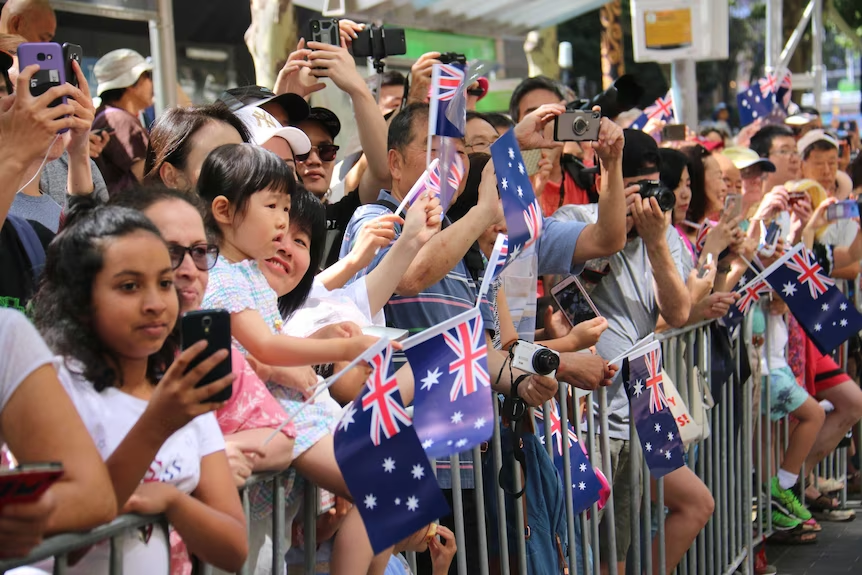
Ten Injured After Car Ploughs Into Rugby League Fans in Australia
Darwin, October 04: Ten people, including three children, have been injured after a car crashed into a crowd of rugby league fans in Newcastle, eastern…



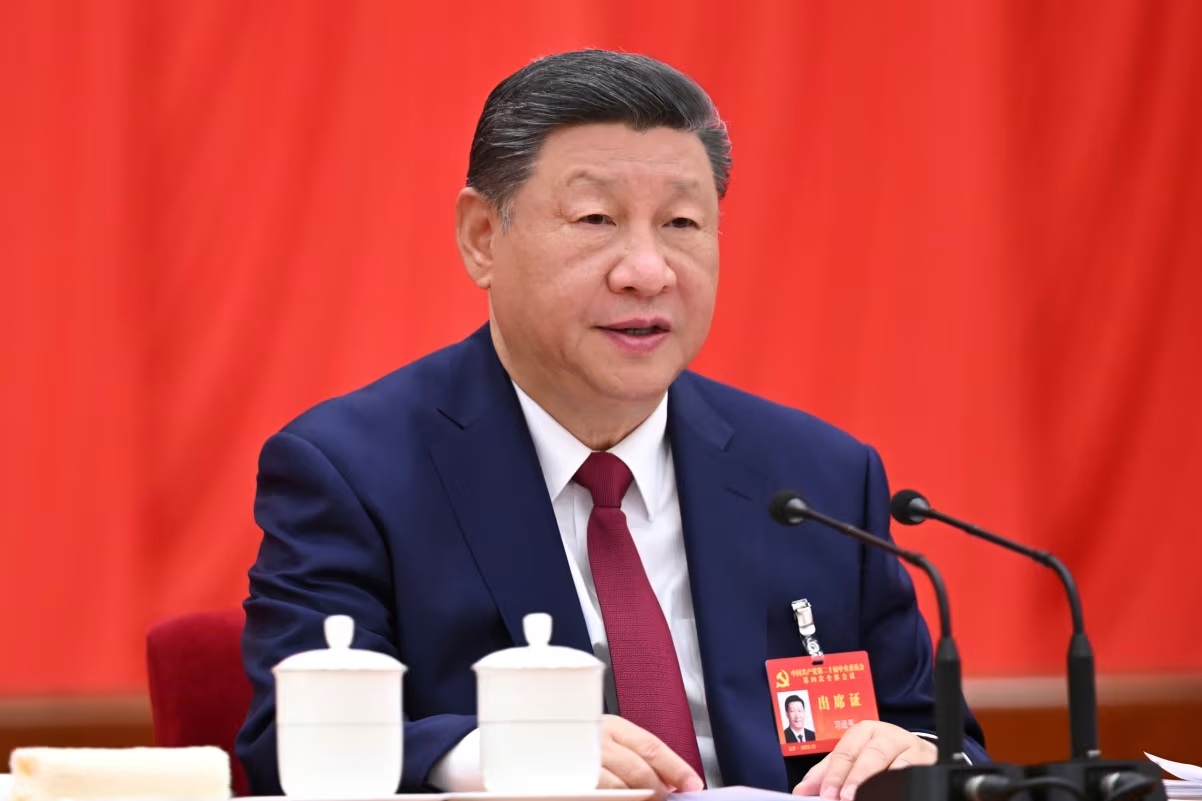
BEIJING — Chinese leader Xi Jinping is approaching his anticipated landmark meeting with US President Donald Trump this week as a critical opportunity to cement Beijing’s long-sought status as an equal global power to the United States.
Set to meet on the sidelines of an international summit in South Korea on Thursday—their first face-to-face meeting of Trump’s second term—the two leaders are expected to agree on a framework for managing their volatile economic ties.
The meeting follows weeks of escalating tension after the US imposed new rules targeting China’s access to American technology and shipping. China retaliated by announcing a sweeping expansion of export controls on critical rare earth minerals, a move that rattled Washington and prompted Trump to threaten additional 100% tariffs on Chinese goods.
However, both sides signaled a de-escalation after “eleventh-hour” trade talks in Malaysia this weekend, with reports suggesting the US would pull back its 100% tariff threat and extend an earlier tariff truce, while China would defer its rare earth controls.
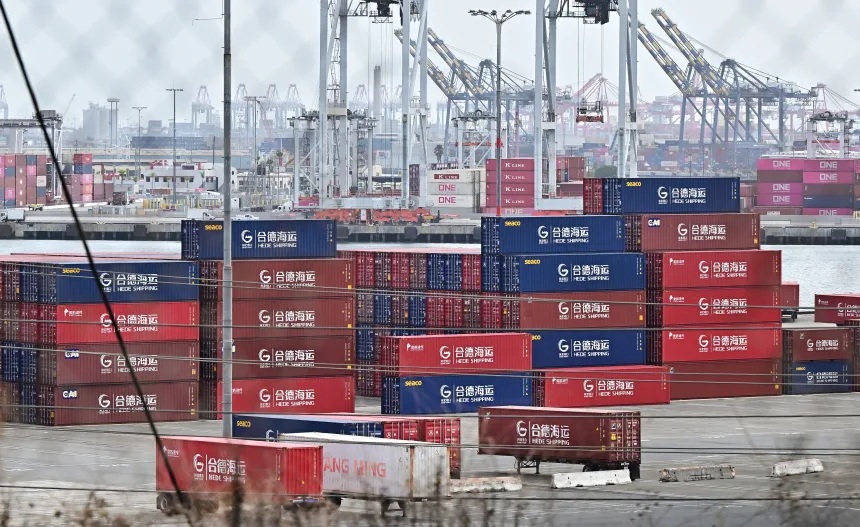
Shipping containers from a state-linked Chinese company are seen stacked at the Port of Los Angeles earlier this month.
The core message from Beijing is clear: China will negotiate, but it will not be “cowed,” having cemented a new, more equal reality in the bilateral relationship.
While Trump touts his ability to “create leverage” through tariffs—which currently average upwards of 50% on Chinese goods—Beijing sees success in its own strategy of self-sufficiency and strategic dominance.
Rare Earth Leverage: China leveraged its strategic control over the global rare earths supply chain to counter US high-tech export controls.
Diversification: Beijing has actively diversified trade to reduce dependency on the US market.
Tech Self-Sufficiency: China is accelerating a top-down drive for industrial and technological self-sufficiency, a major goal of its upcoming five-year plan.
Wang Yiwei, director of the Institute of International Affairs at Renmin University, suggested the confrontation is forcing Washington to recognize a new global reality: “The US is not the dominant power anymore.”
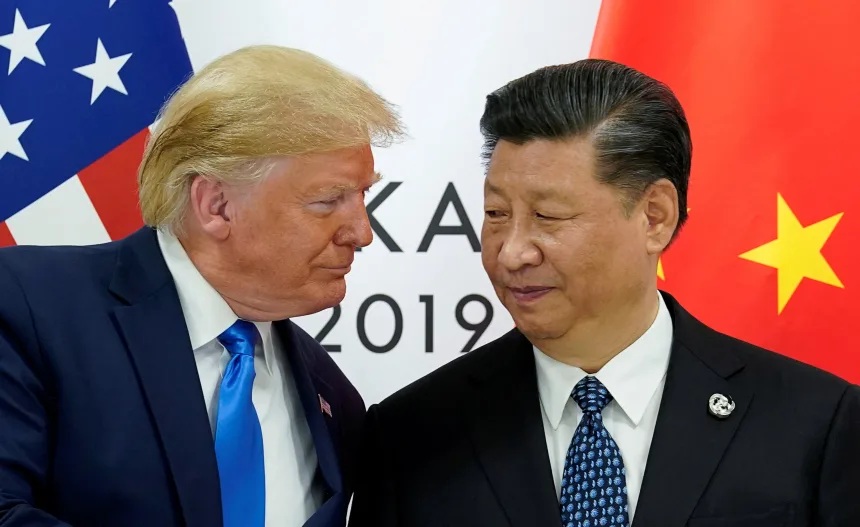
US President Donald Trump meets with Chinese leader Xi Jinping at the start of their bilateral meeting at the G20 leaders summit in Osaka in 2019.
Chinese analysts maintain a “calm” front, with Wang Wen of the Chongyang Institute for Financial Studies stating that while the US remains a major partner, it is “losing its importance” in China’s economic landscape.
Analysts predict Xi’s top priorities for the meeting will be securing a reduction in US tariffs and a rollback of export controls. To achieve this, China may be willing to ease the rare earths controls, which Shanghai-based foreign affairs analyst Shen Dingli says were imposed specifically to “coerce the US to not to put sweeping sanctions on China.”
China’s top diplomat Wang subtly underscored the need for mutual recognition in his recent call with a US official, stating that moving the relationship forward requires “Upholding the spirit of equality, respect, and mutual benefit.”
The success of Thursday’s meeting may ultimately hinge on the personal chemistry between the two “strongmen,” who last met in 2019, as Beijing seeks the kind of respect and warmth from Trump he has recently shown other world leaders.

Darwin, October 04: Ten people, including three children, have been injured after a car crashed into a crowd of rugby league fans in Newcastle, eastern…
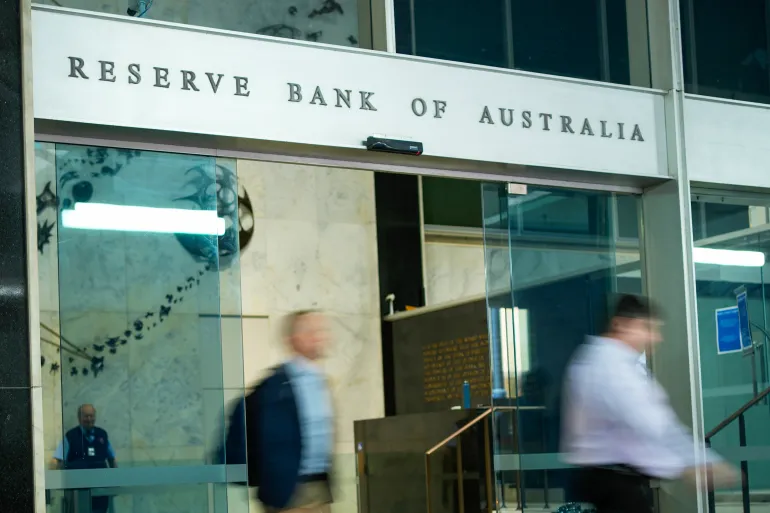
Darwin, October 4: Australia’s central bank has raised interest rates to their highest level in 15 years, increasing mortgage repayments for millions of Australian households….

Darwin, October 3: Under pressure from US President Donald Trump to bring down rising fuel prices, G7 leaders are set to release up to 100…

Darwin, October 3: Russia’s daily attacks are filling the lives of Kyiv residents with fear and uncertainty. From schools and hospitals to bridges, power plants…

Darwin, October 3: At least 80 fighters have been killed over the past 24 hours in fierce fighting between Iran-backed Houthi rebels and Saudi-backed government…
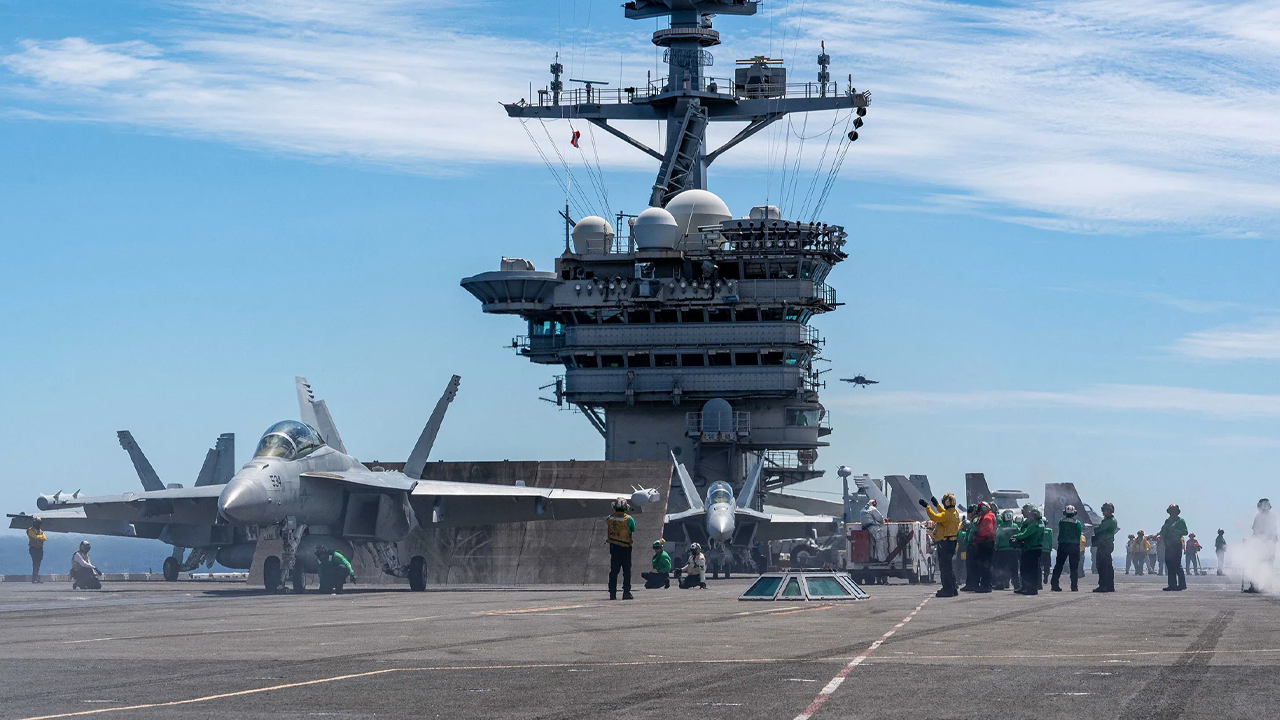
Darwin, October 3: As the Iran war enters its eighth month, the United States is sending a third aircraft carrier strike group to waters near…
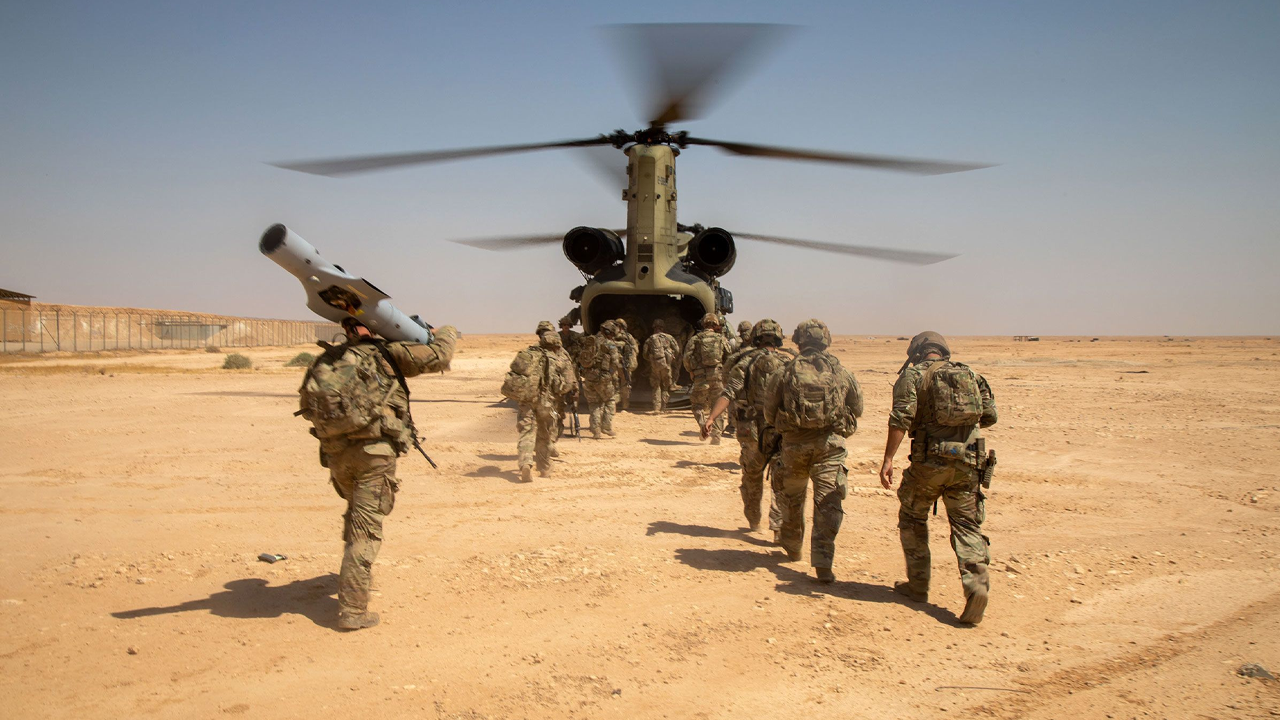
Darwin, September 30 : The United States is preparing to withdraw its military forces from Iraq after more than two decades of war and the…
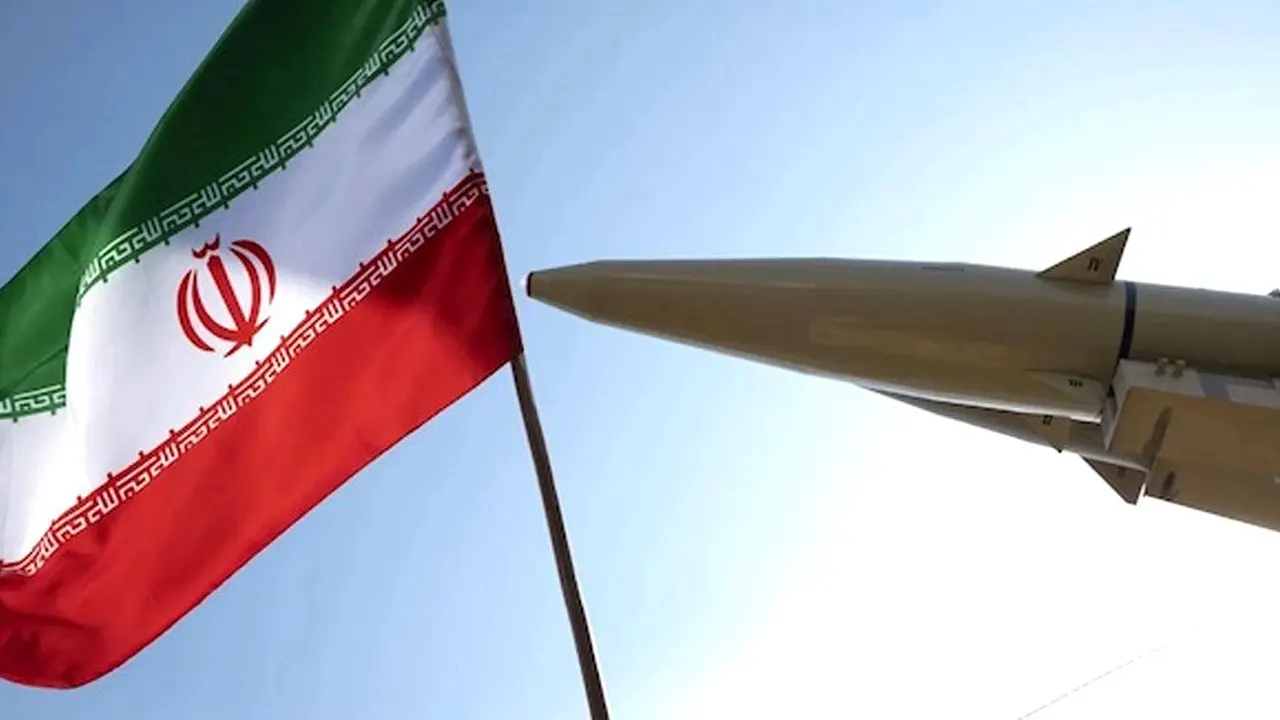
Darwin, September 30: Russia has urged Iran not to withdraw from the Treaty on the Non-Proliferation of Nuclear Weapons (NPT), calling on Tehran to remain…