Oil Prices Rise in Global Markets on Fears of Middle East Supply Disruptions
Darwin, October 21: Oil prices rose in global markets on Wednesday as traders grew concerned about potential disruptions to oil supplies in the Middle East,…



Darwin, 13 November–
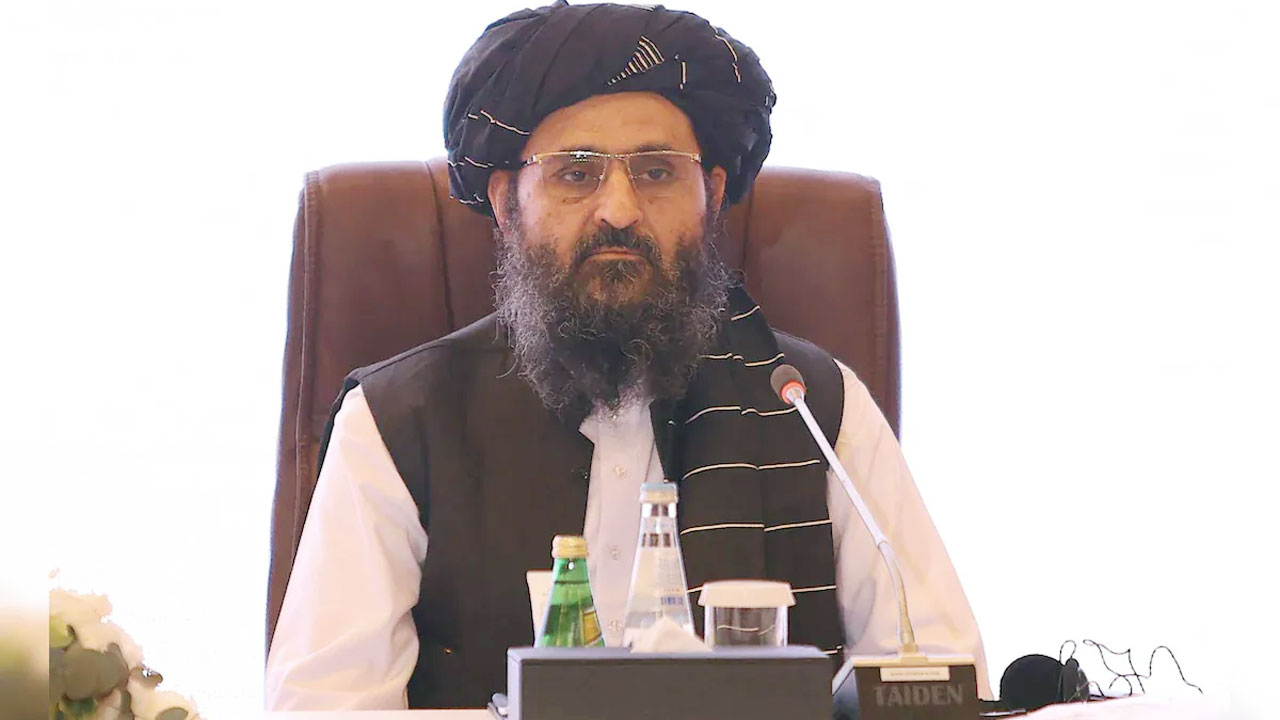
Afghanistan’s Taliban government has given local traders a three-month ultimatum to reduce their dependence on Pakistani goods and trade routes. Deputy Prime Minister Mullah Abdul Ghani Baradar announced the decision.
Speaking at a press conference in Kabul on Wednesday, Baradar said,
“Pakistan regularly closes its trade routes to our businessmen. This is an insult to our national dignity. Therefore, to protect Afghanistan’s trade, industry, and the rights of Afghans, we have made this decision.”
Most trade between the two countries takes place through the Torkham border crossing in Pakistan’s Khyber Pakhtunkhwa province, though several other border points are also used for commercial purposes.
Relations between Afghanistan and its once-close ally Pakistan have sharply deteriorated in recent years, reaching a low point since the Taliban’s takeover of Kabul in 2021.
The main source of tension is the Tehrik-i-Taliban Pakistan (TTP), a militant group ideologically aligned with the Afghan Taliban. The group’s attacks over the past several years have killed thousands of Pakistani soldiers and civilians. Pakistan has outlawed the TTP as a terrorist organization, but it has only grown stronger since the Taliban came to power in Kabul.
Khyber Pakhtunkhwa, which borders Afghanistan, is the TTP’s main stronghold. The group aims to carve the province out of Pakistan and establish an Islamist state modeled after present-day Afghanistan. The TTP is now considered one of Pakistan’s most serious security threats.
Islamabad has repeatedly accused the Taliban government of harboring and supporting TTP fighters since 2021, allegations that Kabul consistently denies.
On October 9, Pakistan’s military launched an airstrike in Kabul, killing TTP chief Noor Wali Mehsud, his deputy Qari Saifullah Mehsud, and several other senior leaders.
Two days later, on October 11, Afghan forces attacked Pakistani army posts along the Khyber Pakhtunkhwa border. Pakistan retaliated, leading to armed clashes that lasted until October 14. According to Pakistan’s Inter-Services Public Relations (ISPR), about 200 Afghan soldiers and 23 Pakistani troops were killed in the fighting.
On October 15, officials from both countries began ceasefire and peace negotiations—first in Doha, Qatar, and later in Istanbul, Turkey. However, the talks collapsed after Afghanistan refused to sign a written agreement.
Since October 9, the Torkham border crossing and several others have remained closed, halting all bilateral trade for over a month.
Malik Sohni, president of the All Pakistan Markets Federation, said at a press conference in Islamabad on Wednesday that the closure has severely affected Pakistan’s domestic market.
“Hundreds of trucks carrying fruits, vegetables, and other agricultural products are stuck on the other side of the crossings. Most of the goods have spoiled. Food prices are rising across Pakistan, and hundreds of workers have lost their jobs. Both Pakistan’s business community and the treasury are suffering due to the border closure,” Sohni said.
Source: NDTV
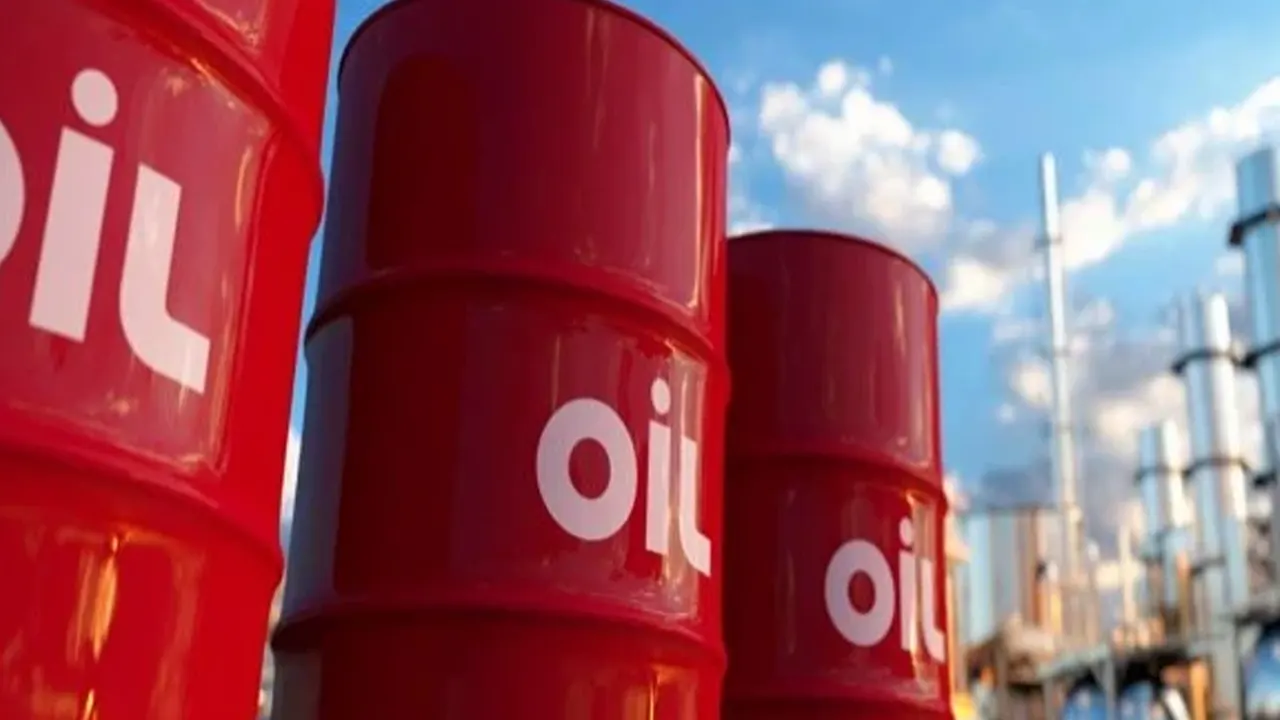
Darwin, October 21: Oil prices rose in global markets on Wednesday as traders grew concerned about potential disruptions to oil supplies in the Middle East,…
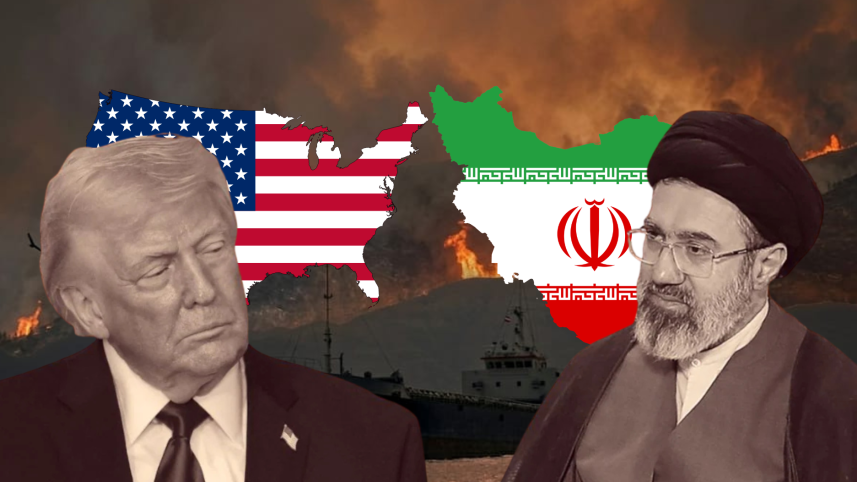
Darwin, October 21: Iran is prolonging negotiations with Washington in an attempt to politically weaken President Donald Trump ahead of the US midterm elections, according…

Darwin, October 21: Today is the auspicious occasion of Bijaya Dashami. The five-day Sharadiya Durga Puja, the biggest religious festival of the Hindu community, officially…

Darwin, October 20: Today is Maha Navami, the ninth day of Sharadiya Durga Puja. Members of the Hindu community will observe the day through religious…
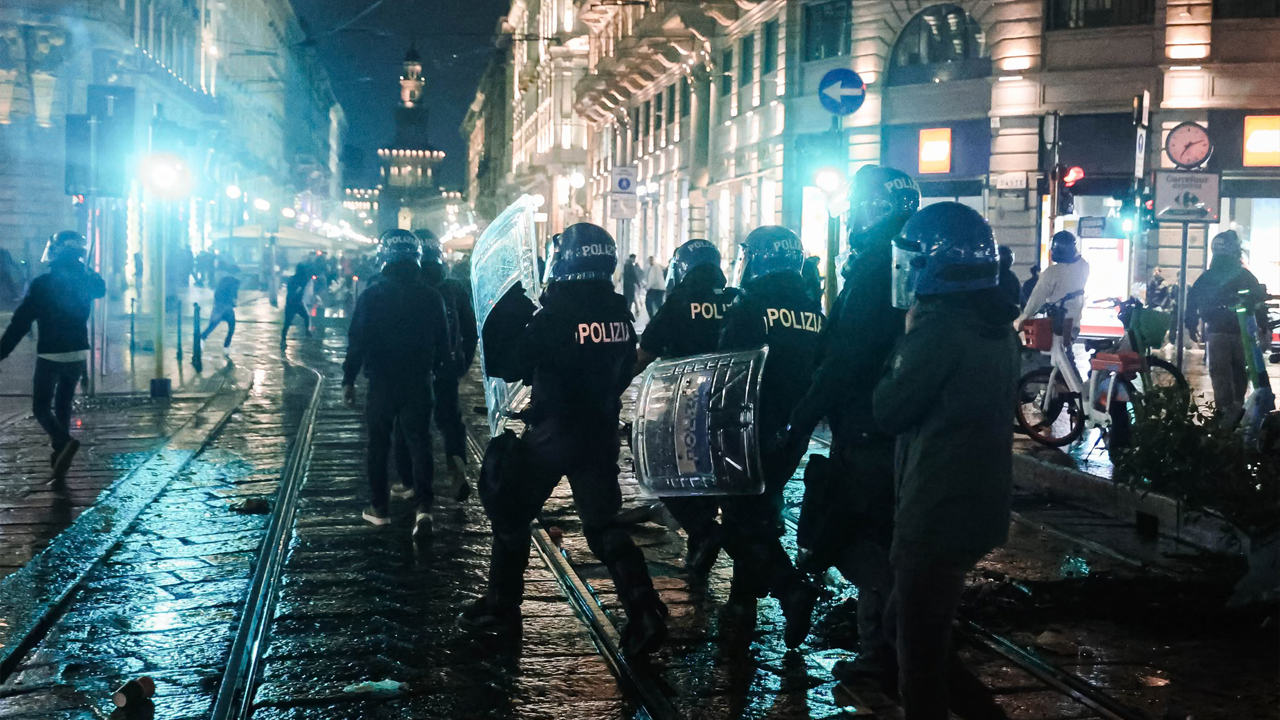
Darwin, October 20: Protests and violence over the rising cost of living have erupted in Italy, one of Europe’s largest economies, following similar unrest in…
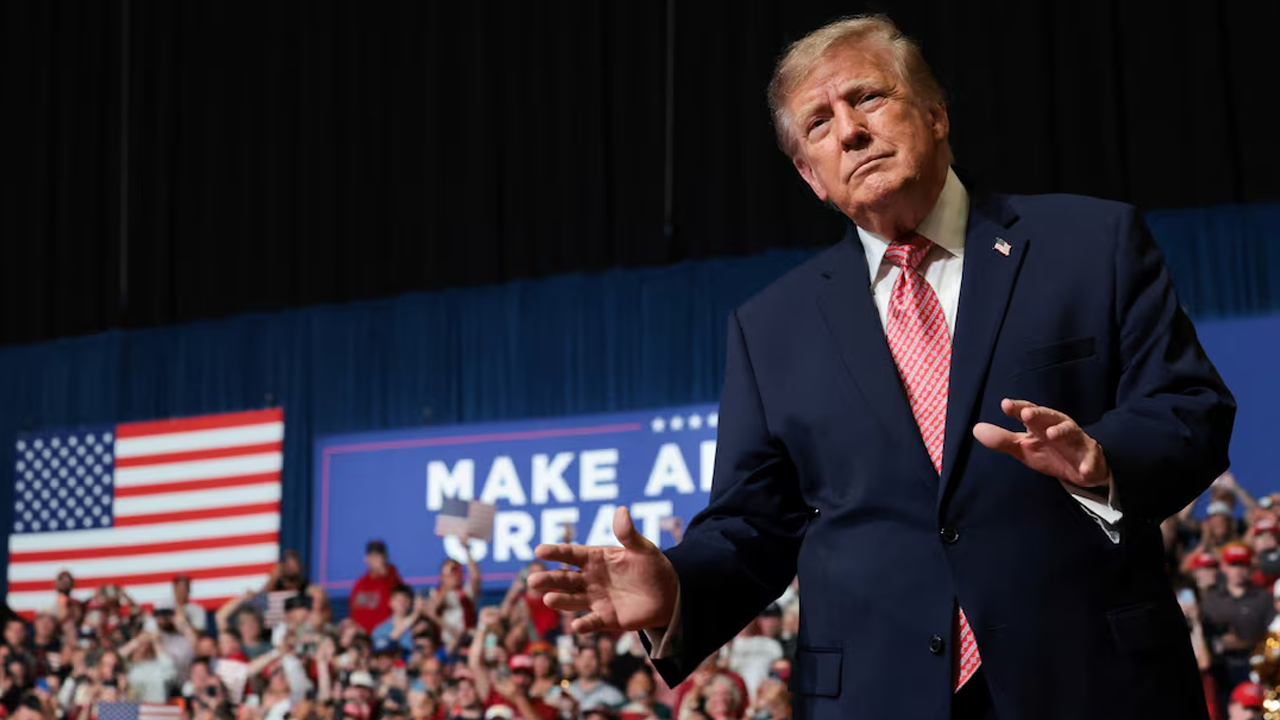
Darwin, October 20: US President Donald Trump has warned that protests and violence similar to those in France could spread across the United States if…
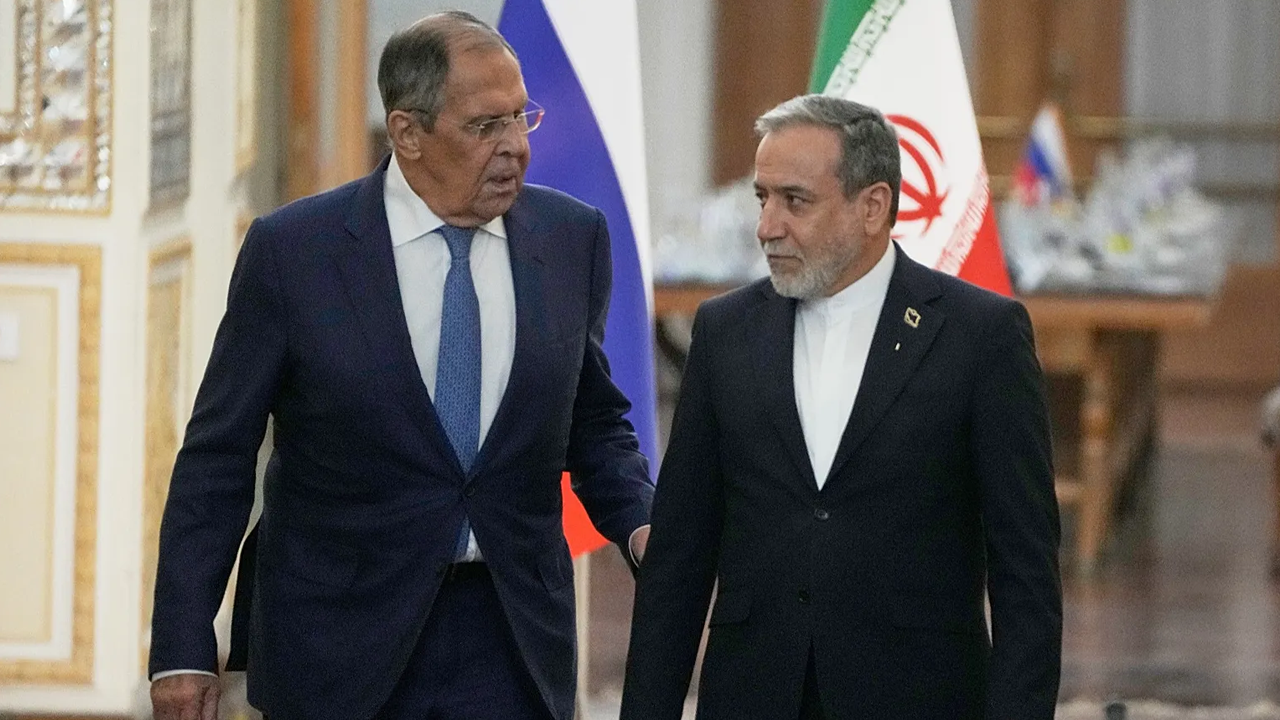
Darwin, October 20: Moscow has reaffirmed its full support for Tehran just hours after US President Donald Trump remarked that Russia was doing very little…

Darwin, October 19: Former Manchester City manager Pep Guardiola has urged the world not to forget the Palestinians in Gaza. In a video for the…